OptiLinker
OptiLinker
OptiLinker
Premium physical layer connectivity components selected for industrial integration across Malaysia's leading technology parks.
Analyzing board-level signal isolation, electromagnetic compliance, and manufacturing trends within Malaysia's hardware ecosystem.
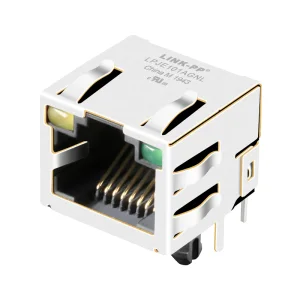
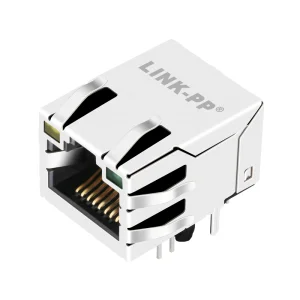
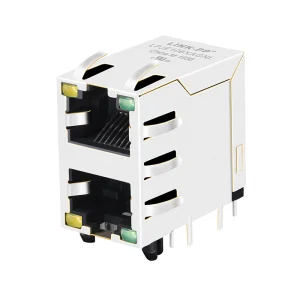
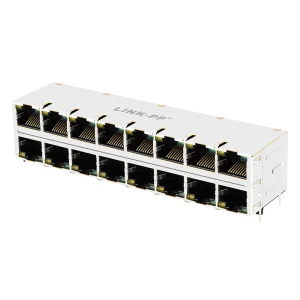
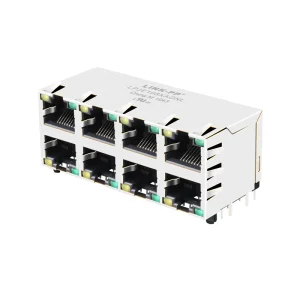
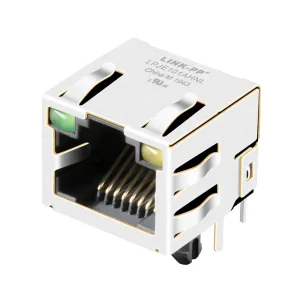
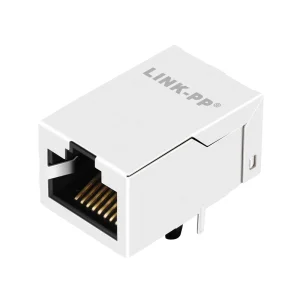
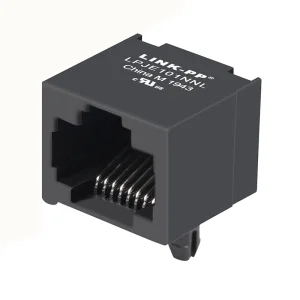
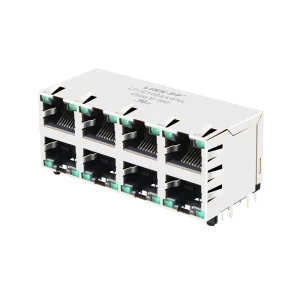
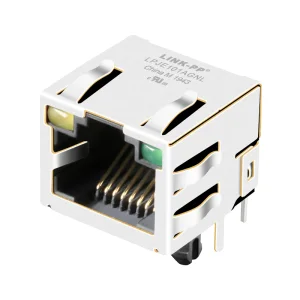
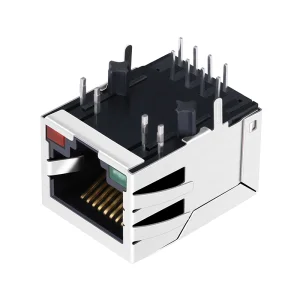
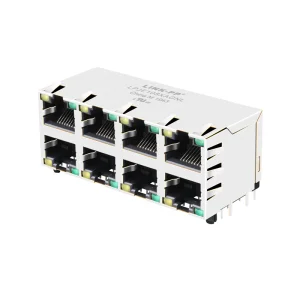
In high-performance networking layouts, hardware engineers are increasingly choosing RJ45 modular jacks without integrated magnetics (also known as non-magnetic RJ45 connectors) over their integrated counterpart, the MagJack. Traditional integrated connectors combine the physical connector shell, LEDs, and the isolation magnetic transformers into a single component. While this saves board space, it imposes severe limitations on RF isolation tuning, thermal dissipation during high-temperature reflow, and compatibility with diverse physical layer (PHY) transceiver chips.
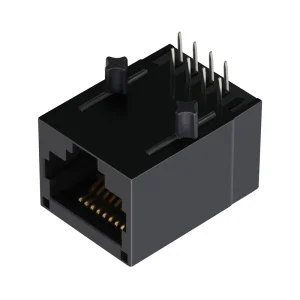
By separating the magnetics from the physical RJ45 receptacle, developers can implement custom discrete transformers on the main PCB. This discrete design strategy yields lower return loss, higher common-mode noise rejection, and allows for specialized ESD/surge protection layouts (such as those adhering to ITU-T K.21 or GR-1089 standards). The connector itself remains a highly durable, reliable mechanical interface focusing solely on contact integrity and EMI shielding.
"The separation of mechanical housing and electromagnetic conditioning is a crucial architecture choice for 10GBASE-T applications and multi-gigabit PoE devices, allowing precise trace matching from PHY transceivers to discrete magnetics without internal housing interference."
For networking products targeting industrial control cabinets, telecommunications infrastructure, and high-density switches, selecting a non-magnetic connector is dictated by electrical physics. A comparative analysis demonstrates why the discrete approach remains vital:
| Design Parameter | Discrete Configuration (RJ45 without Magnetics) | Integrated Configuration (MagJack) |
|---|---|---|
| PHY Compatibility | Universal. Compatible with any PHY by changing discrete components. | Restricted. Must match specific winding turns ratios inside the jack. |
| Thermal Dissipation | Excellent. Transformers are spaced on the PCB, preventing local heat zones. | Limited. Heat is trapped within the enclosed plastic shell. |
| EMI Mitigation Options | Highly customizable. Engineers can add 3-stage filters and custom layout shields. | Fixed. Confined to internal capacitive/inductive configurations. |
| Height & Form Factor | Ultra-low profile vertical/horizontal through-hole designs available. | Bulky. Typically occupies substantial height above the board. |
| Cost in High Volume | Lower bill-of-materials (BOM) cost when using automated assembly lines. | Higher base component cost due to manual wire winding inside. |
Malaysia has emerged as a cornerstone of the global electronics supply chain, particularly through semiconductor and EMS clusters in Penang (Bayan Lepas), Kedah (Kulim High-Tech Park), and Johor (Senai Free Zone). The country contributes to approximately 13% of global back-end semiconductor packaging, testing, and system integration. With the rapid expansion of localized IoT device manufacturing, smart energy grids, and data center infrastructures within Southeast Asia, the requirement for robust components like RJ45 Without Magnetics has grown significantly.
Local factories in Malaysia, supported by established component exporters, specialize in providing high-reliability, lead-free reflow compatible RJ45 sockets. These components must withstand tropical operating environments characterized by high ambient humidity and temperature, demanding superior gold plating thicknesses (up to 50 micro-inches) and corrosion-resistant housing plastics such as Liquid Crystal Polymer (LCP) and High-Temperature Nylon (PA9T).
A trusted manufacturer and global supplier of high-speed digital interconnect, optical transceiver, and network interface solutions.
OptiLinker Optoelectronics Co., Ltd. (OptiLinker) is a professional optical transceiver manufacturer and solution provider under the brand OptiLinker (www.optilinkertrans.com), specializing in high-speed optical communication modules for global data center and telecom applications.
Founded in 2016, OptiLinker operates a modern production facility with a total building area of approximately 320㎡. With continuous development in optical communication technology, the company has accumulated over 12 years of industry experience and approximately 8 years of export experience.
In the past year, OptiLinker achieved an annual export revenue of around USD 12 million, serving customers across North America, Europe, Southeast Asia, and the Middle East. The company maintains a strong global B2B trade background, focusing on OEM/ODM partnerships with network infrastructure providers.
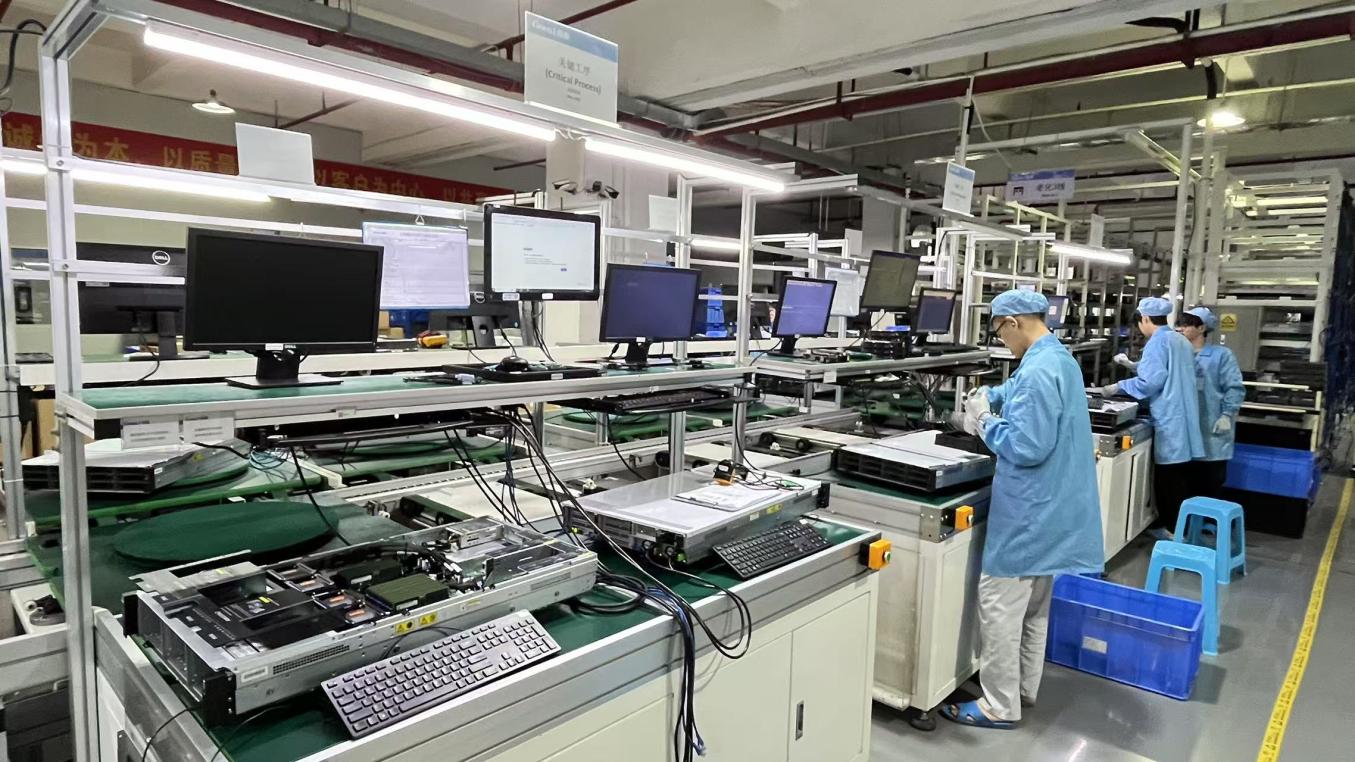
Quality assurance is a core focus at OptiLinker. The company implements 100% incoming material inspection, AOI automated optical inspection, and full optical performance testing. Product verification includes BER testing, eye diagram analysis, and high/low temperature cycling tests, ensuring stable performance under demanding network environments.
OptiLinker collaborates with a global supply chain network of approximately 850 partners, enabling efficient sourcing and stable production capacity. Its main customer base includes telecom operators, data centers, system integrators, and networking equipment manufacturers.
The company has strong R&D capabilities, supported by a team of 60 experienced optical engineers. Its engineering team specializes in high-speed optical design, signal integrity optimization, and protocol compatibility development. OptiLinker offers flexible customization options including wavelength tuning, transmission distance, packaging form factors, firmware coding, and device compatibility programming. In the last year alone, OptiLinker launched approximately 120 new optical transceiver products, reflecting its continuous innovation and rapid response to market demand.

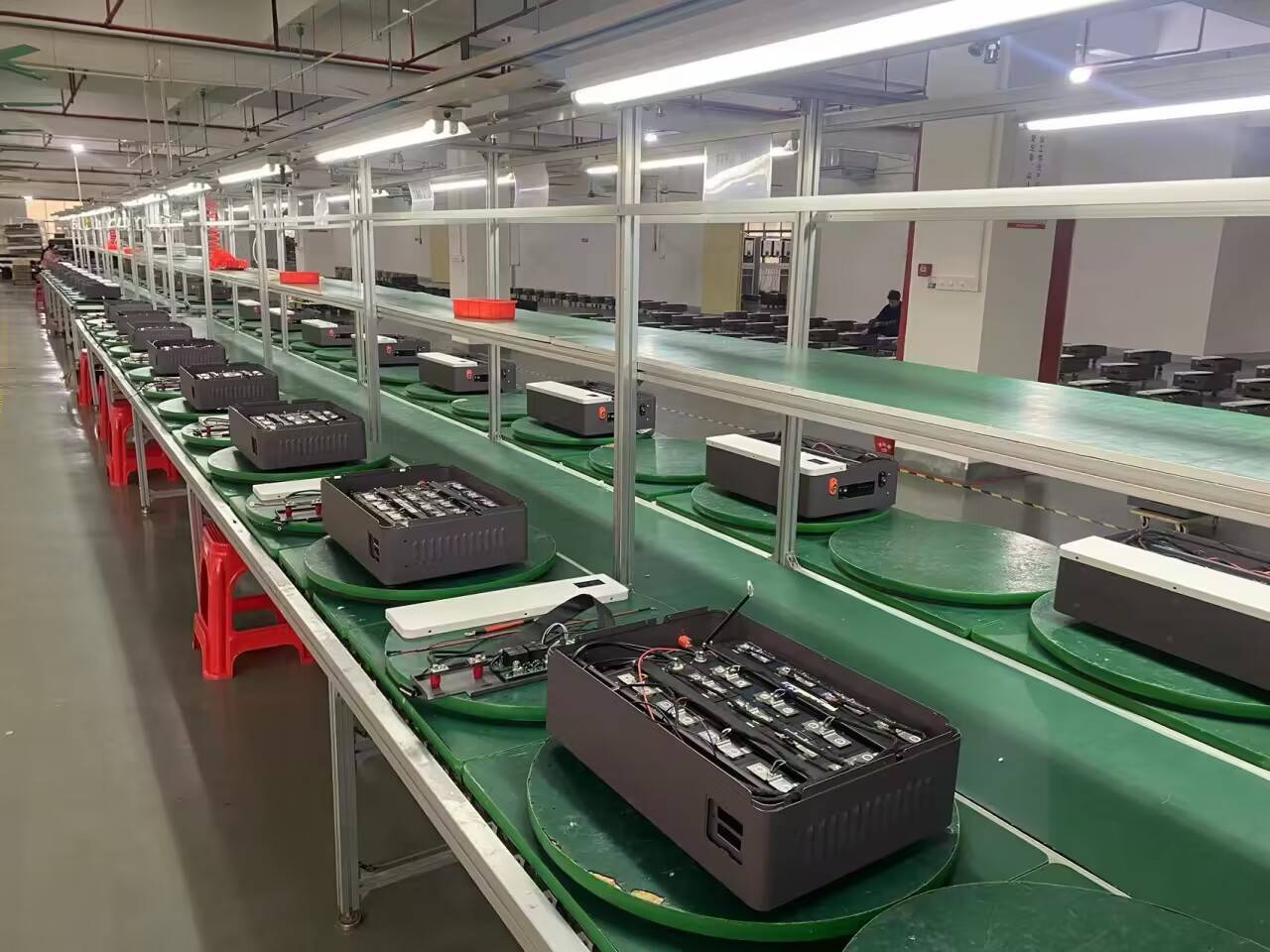
Critical PCB layout methodologies, shielding structures, and international standards for industrial deployment.
When deploying RJ45 connectors without magnetics in telecom switching centers (e.g., in Cyberjaya or Penang data centers), ESD (Electrostatic Discharge) protection is paramount. An unshielded or poorly grounded connector allows common-mode noise and ESD spikes to bypass the isolation barrier directly into the PHY transceiver, leading to hardware destruction or bit-error rate (BER) deterioration.
High-quality RJ45 jacks utilize multi-point grounding metal shells made of copper alloy with bright nickel plating. These shields feature integrated panel ground tabs (EMI fingers) that contact the metal chassis enclosure, providing a low-impedance path for high-frequency noise and ESD energy before it reaches the signal lines.
When routing Ethernet lines from a non-magnetic RJ45 connector to the discrete transformer stage on a PCB, engineers must maintain strict layout discipline:
Addressing engineering challenges, standard compliance, and procurement queries for hardware planners.
Integrated MagJacks contain delicate manual wire-wrapped toroidal magnetic cores inside their plastic housings. When subjected to the high temperatures of lead-free reflow profiles (often peaking at 260°C), the winding insulation can degrade, and the epoxy fill can crack due to mismatched thermal expansion coefficients. Non-magnetic RJ45 connectors are structurally simpler, utilizing high-performance thermoplastic housings that survive reflow processes with absolute reliability, while the magnetic components are soldered safely as robust discrete components.
High humidity levels accelerate contact oxidation and galvanic corrosion at the physical mating interface, leading to micro-interruptions and packet loss. The countermeasure is using connectors with a high gold plating thickness on the contact mating area. Industrial specifications require 30μ" to 50μ" gold plating over nickel barrier layers, preventing moisture penetration and guaranteeing 750+ insertion cycles even in unconditioned tropical facilities.
Yes. The connector itself only serves as the physical interface capable of carrying specified electrical current (typically 1.5A per pin). To implement PoE, the designer must route the center taps of the discrete transformers to a PoE controller on the board. Selecting an RJ45 connector without magnetics allows the designer to utilize thicker copper traces and specialized thermal planes for high-power (e.g., 90W PoE++) distribution, which is restricted when using enclosed MagJacks.
Exporters like OptiLinker implement stringent testing protocols including High/Low Temperature Cycling Tests (ranging from -40°C to +85°C), Random Vibration testing, Salt Spray Testing (for corrosion resistance), and automated optical inspection (AOI). For active components or custom assemblies, BER (Bit Error Rate) tests and Eye Diagram analyses are conducted to confirm electrical and signal integrity before shipping.
Retaining original product lines with specifications tailored to the modern requirements of Malaysian EMS assemblies.
Connect with our senior technical support desk to receive complete 2D/3D CAD models, detailed compliance documentation, and volume quotes optimized for your local assembly schedule.
Send Inquiry Now