OptiLinker
OptiLinker
OptiLinker
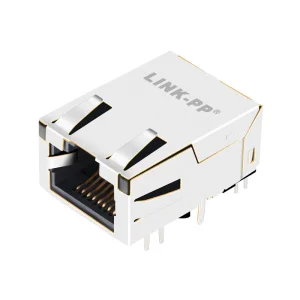
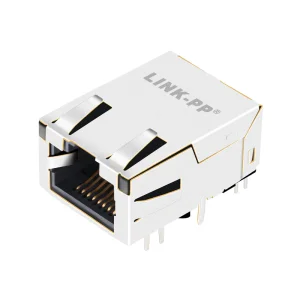
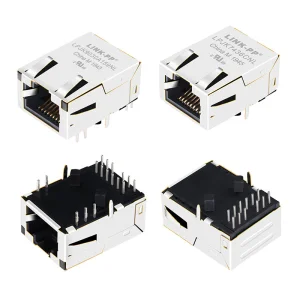
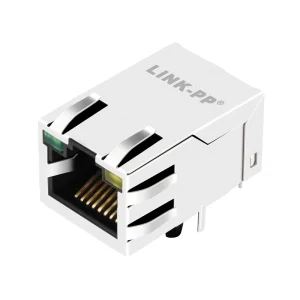
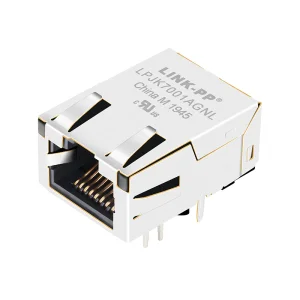
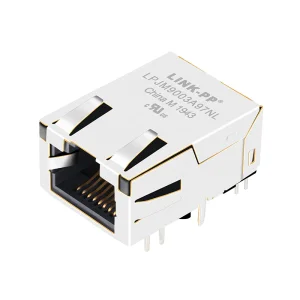
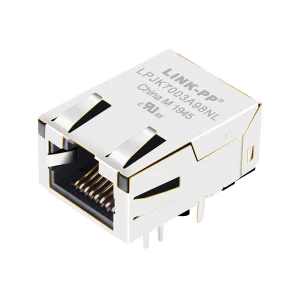
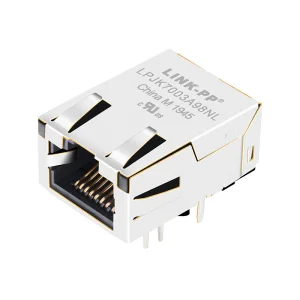
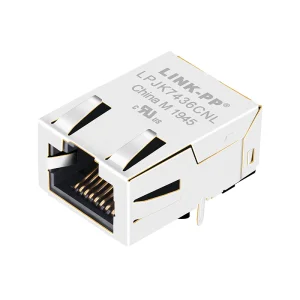
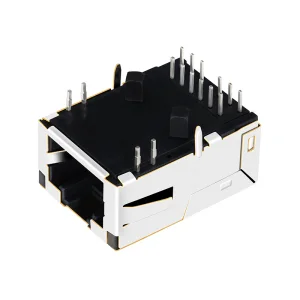
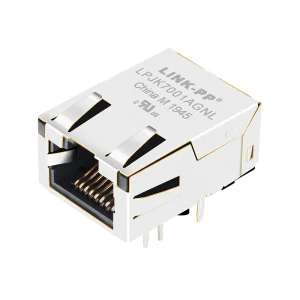
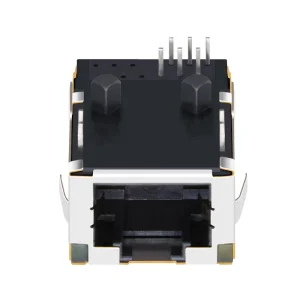
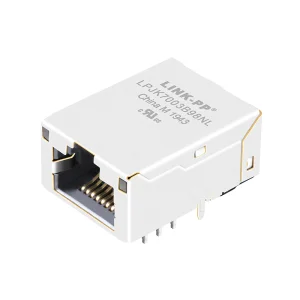
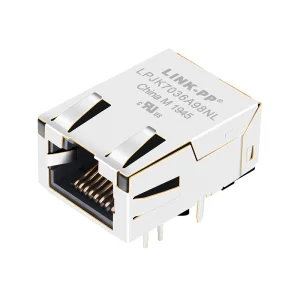
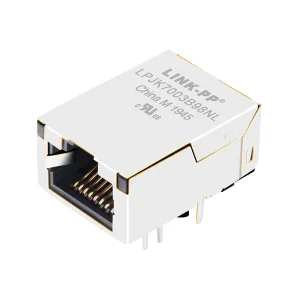
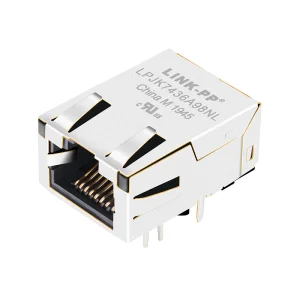
Select from our elite range of low-clearance PCB-mount RJ45 female connectors featuring optional integrated magnetics, advanced EMI shielding, and high-durability contact mechanisms.
As micro-electronic architectures continue their relentless shift toward miniaturization, the global electronics supply chain faces a critical design bottleneck: physical vertical space. Low-profile RJ45 female connectors have transitioned from highly customized specialty components to foundational infrastructure blocks in high-density rack computing, edge network devices, and industrial internet of things (IIoT) machinery.
Internationally, standard-height RJ45 components (ranging from 13.5mm to 16.5mm off-board) fail to fit within modern 1U server racks, PCIe expansion frames, and extremely low-profile embedded compute chassis. Low-profile variations keep heights restricted beneath the crucial 11.5mm threshold—some dropping as low as 9.5mm—without compromising the mechanical security, high-speed differential signal parameters, or isolation required by international standardizations like IEEE 802.3.
SEO Insight & Intent: Design teams globally are actively searching for "low-profile RJ45 female connectors" to optimize board clearances, mitigate cross-talk in close-quarters routing, and streamline assembly in specialized factories. OEMs require reliable exporters who can bridge high-capacity production with rigorous certification benchmarks (such as UL94-V0, RoHS, and high-frequency vector testing).
In highly industrialized centers like North America, Western Europe, and East Asian hubs, these components represent key investments in telecom hardware platforms, smart energy management setups, and medical-grade diagnostics. Exporters and high-capacity manufacturing centers are pivoting toward fully integrated magnetics (MagJacks) that pack internal isolation transformers and filters inside the RJ45 housing. This consolidation saves up to 50% of vital board real estate, preventing engineers from having to lay out complex discrete magnetic matrices.
A comprehensive breakdown of structural shifts, transmission velocities, and physical materials guiding low-profile engineering standards.
Older architectures were restricted to 10/100Base-T. Today's applications mandate low-profile designs that easily scale to 2.5G, 5G, and 10G Base-T speeds, requiring advanced crosstalk attenuation design and high-impedance control within the connector housing.
As board heights shrink, components sit closer to high-frequency processing units (SoCs, ASICs). 360-degree ground shields, multi-point ground tabs, and robust spring fingers on the metal shell are standard features to combat severe external noise.
Delivering up to 90W of power (PoE++ / Type 4) via restricted contacts creates localized thermal strain. Modern connectors utilize high-grade Liquid Crystal Polymer (LCP) plastics to handle reflow oven profiles up to 260°C and maintain thermal stability in closed fields.
When engineering high-volume electronic interfaces, designers must make critical mechanical compromises. In a typical RJ45 connector assembly, high-speed ethernet signals pass through wire-wrapped magnetic toroidal cores. The integration of these components inside a miniature low-profile structure is a significant manufacturing feat.
Traditional layouts feature a separate ethernet connector and a magnetic module block on the PCB. In space-restricted applications, this discrete approach presents two issues: increased routing trace lengths which introduce parasitic capacitance, and a larger PCB footprint. Low-profile Integrated Connector Modules (ICMs) address this by housing the isolation transformers, common-mode chokes, and Bob Smith termination components directly within the shielded RJ45 metal enclosure. This guarantees strict impedance matching and limits insertion and return losses up to high-frequency thresholds.
The orientation of the plastic latch lock represents another critical design choice. Tab-Up designs are ideal when the PCB sits deep within the housing bottom, allowing easy thumb access to the latch release from the top of the interface. Conversely, Tab-Down designs orient the latch towards the motherboard, which is often preferable for mid-plane card architectures or setups with LED indicators located at the top margins. The selection depends on how operators access the physical cables in field deployments.
The implementation details for low-profile RJ45 female connectors vary widely based on the deployment environment:
Delivering high-reliability interconnect components through world-class testing and a highly resilient global supply chain network.
Our collaborative design workflow supports tailored mechanical modifications. This includes specific wavelength tuning (for integrated optical components), custom transmission ranges, special housing form factors, firmware coding, and device compatibility programming to match legacy network platforms.
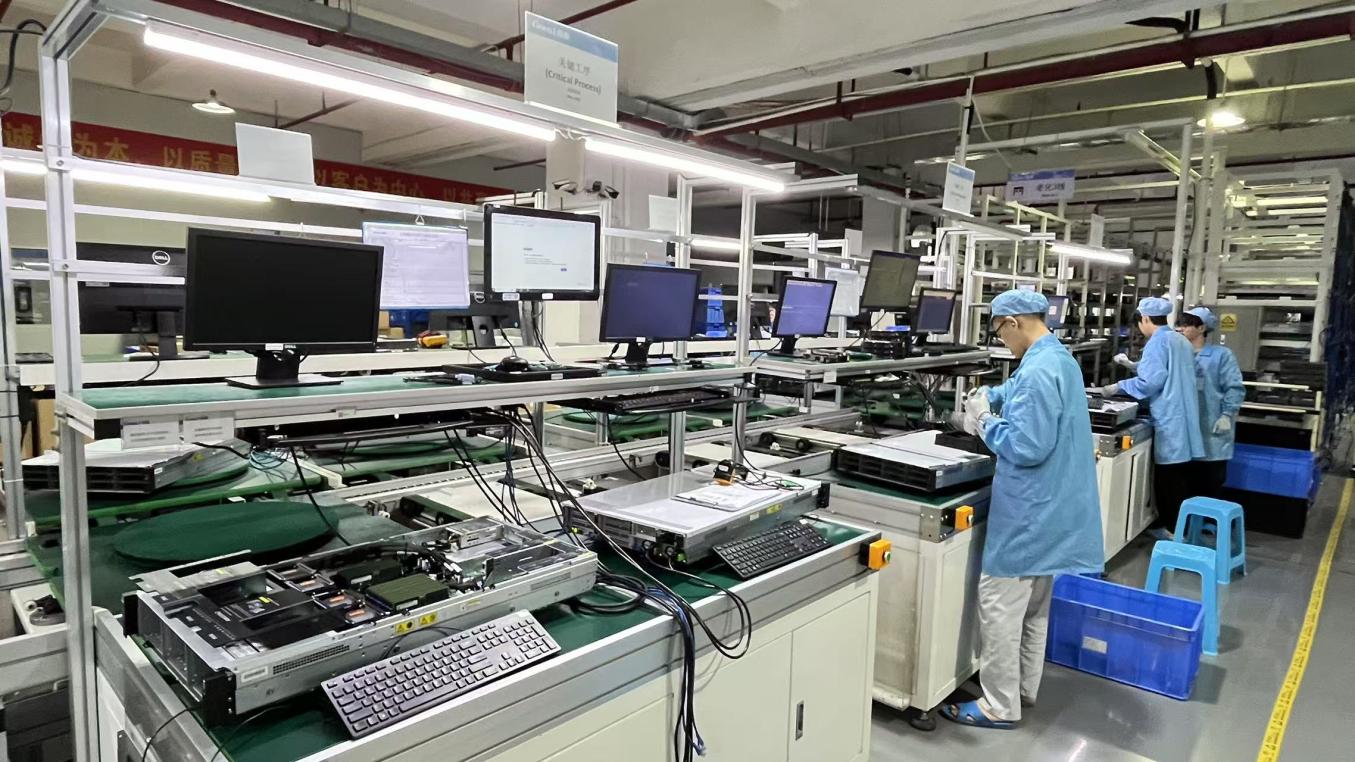
We perform 100% incoming material inspection, Automated Optical Inspection (AOI), and complete signal performance evaluation. Testing protocols include Bit Error Rate (BER) validation, eye diagram characterization, and high/low temperature environmental cycling.
Utilizing a broad partner ecosystem, we ensure reliable material sourcing and consistent production capacity. Our network serves key regions including North America, Europe, Southeast Asia, and the Middle East with streamlined customs clearance and short lead times.
Explore more shielded modular jacks designed to reduce footprint and enhance signal performance in highly integrated assemblies.
Direct answers to the design and specification questions asked by hardware development teams and purchasing departments.
OptiLinker Optoelectronics Co., Ltd. (OptiLinker) is a professional manufacturer and solution provider operating under the brand OptiLinker (www.optilinkertrans.com). The company specializes in high-speed communication modules and advanced optical solutions for global data center networks and telecommunications infrastructure.
Founded in 2016, OptiLinker operates a modern production facility with a total building area of approximately 320㎡. Backed by continuous development in communications technology, our core team possesses over 12 years of industry experience and 8 years of international export experience.
Over the past year, OptiLinker generated an annual export revenue of approximately USD 12 million. We serve a diverse customer base across North America, Europe, Southeast Asia, and the Middle East, specializing in OEM/ODM partnerships with system integrators, telecom operators, and equipment manufacturers.
Quality assurance is central to our operations. Our testing flow includes 100% incoming material inspection, AOI automated optical inspection, and full performance testing. Product verification includes BER testing, eye diagram analysis, and high/low temperature cycling tests to ensure stable operation in demanding environments. Our quality control team includes 35 dedicated QC professionals.
OptiLinker collaborates with a global supply chain network of approximately 850 partners, enabling stable component sourcing and production capacity. Our engineering team of 60 experienced engineers focuses on high-speed hardware design, signal integrity, and protocol compatibility. We offer customization options including wavelength tuning, transmission range, packaging form factors, firmware coding, and device compatibility programming.
To meet changing market demands, OptiLinker launched approximately 120 new products over the last year, demonstrating our focus on continuous product innovation.