OptiLinker
OptiLinker
OptiLinker
High-speed SFP cages, magnetic modular RJ45 transceivers, and optical communication interface components designed for rigorous industrial and telecom environments.
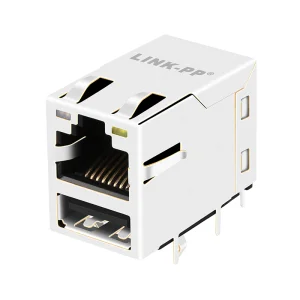
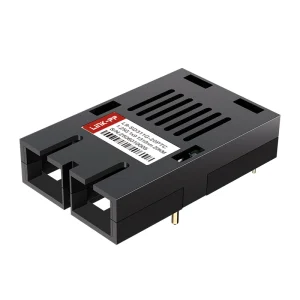
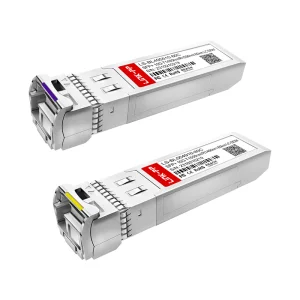
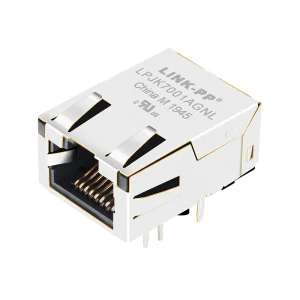
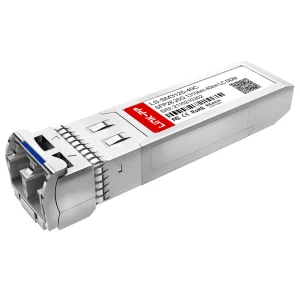
The RJ45 female connector, or 8P8C (Eight Position, Eight Contact) modular jack, has served as the baseline hardware interface for global copper Ethernet connectivity for over three decades. Historically designed for basic analog telephone line distributions, the technology has undergone structural modifications to accommodate modern gigabit and multi-gigabit network specifications. As transmission frequencies scaled from 16 MHz in Category 3 (Cat3) systems up to 2000 MHz in Category 8 (Cat8) networks, the architectural requirements of the female RJ45 mating connector shifted from simple electrical contact mechanisms to complex, integrated impedance-matched modules.
"Signal integrity, electromagnetic shielding, and continuous contact pressure are the critical metrics for high-speed copper interconnects. A modern RJ45 female connector is no longer a passive plastic receptacle—it is a finely tuned electromagnetic filter designed to protect digital data streams from external noise."
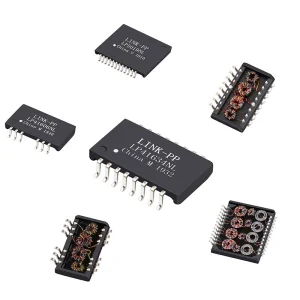
In high-speed physical layers, standard PCB layouts face signal losses due to Near-End Crosstalk (NEXT) and Far-End Crosstalk (FEXT) occurring inside the connector's contact spring pins. To counteract these distortions, modern engineers integrate passive components directly inside the modular jack. The resulting component, known as a Integrated Connector Module (ICM) or Magnetic Jack, features miniature toroidal transformers and common-mode chokes that filter common-mode noise, prevent electromagnetic interference (EMI), and isolate sensitive terminal equipment from power surges.
Full metal copper or brass shielding shells with multi-point grounding tabs ensure minimal electromagnetic radiation emissions and superior external noise immunity.
Built-in 100/1000Base-T magnetic transformers provide electrical isolation, impedance matching, and signal conditioning directly on the interface plane.
Industrial components feature 3u" to 50u" gold plating over nickel on contact pins to prevent oxidation and guarantee at least 750 mechanical mating cycles.
Sourcing high-performance female RJ45 connectors requires a comprehensive understanding of raw material quality, mechanical configurations, and vendor reliability metrics. Enterprise procurement managers face several pain points: ensuring compliance with strict environmental regulations, managing long-term component supply chains to prevent obsolescence, and maintaining a competitive cost-per-unit ratio without sacrificing electrical performance.
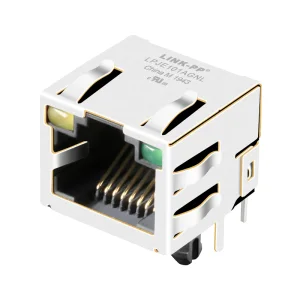
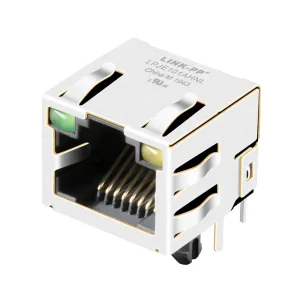
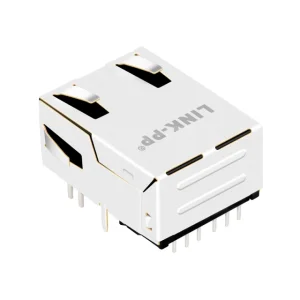
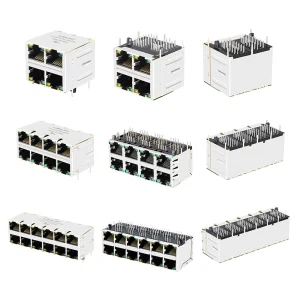
When assessing manufacturers, the choice between Integrated and Non-Integrated connectors is paramount. Standard RJ45 female connectors without magnetics (such as the RJHSE-5381 / RJHSE5481 series) provide flexible integration options where engineers place magnetics elsewhere on the system PCB. In contrast, Integrated Magnetic Jacks (like the JT4-1108HL Tab-Down 10G Base-T RJ45 Connector) offer a compact layout, saving valuable PCB space and reducing overall board design complexity.
Ensure drop-in replacements for standard TE Connectivity, Tyco, or Amphenol footprints. Having standard PCB mounting pin configurations avoids redesigning board layouts.
Compliance with RoHS, REACH, and UL94-V0 flammability ratings is critical. Components must pass strict testing protocols for heavy metals and hazardous chemicals.
Connectors must withstand wave soldering and reflow processes. Engineering plastics like LCP (Liquid Crystal Polymer) or High-Temp Nylon are required for PCB assembly lines.
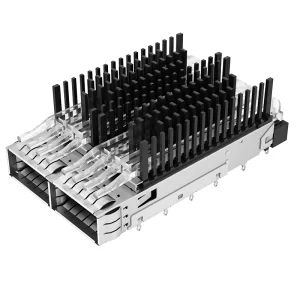
OptiLinker Optoelectronics Co., Ltd. (OptiLinker), operating under the premier industry brand OptiLinker, stands as a highly specialized manufacturer and system solution provider. Based in our advanced technology development center, the company develops state-of-the-art optical communication modules, SFP cages, and integrated RJ45 network jacks for global data center deployments, carrier networks, and high-frequency communication infrastructures.
Established in 2016, OptiLinker utilizes its specialized production floor with a building footprint of approximately 320㎡. Over years of development, we have consolidated over 12 years of industry experience in high-frequency signal design, backed by 8 years of international export experience.
With a strong global B2B track record, OptiLinker exports to markets across North America, Europe, Southeast Asia, and the Middle East. Our product development is driven by a strong engineering team of 60 optical and mechanical specialists. In the last year, we designed, tested, and launched approximately 120 new high-speed optical transceivers and connector variants to match the emerging needs of 10G/25G/100G architectures.
OptiLinker implements a 100% inspection policy. Our facility has dedicated equipment for automated optical inspection, material composition testing, and signal trace checking. The quality control process is organized into distinct phases:
100% inspection of raw materials including pin contacts, liquid crystal polymer housings, and copper alloy shields to prevent manufacturing defects at the source.
Automated Optical Inspection (AOI) machines inspect contact alignment, coplanarity, and solder paste distribution during assembly to guarantee structural integrity.
Every transceiver and integrated RJ45 jack is subjected to Bit Error Rate (BER) testing, high/low temperature cycling, and eye diagram analysis to ensure stability under load.
Quality Management
Lead-Free Assembly
Flame Retardant
EMC Standards
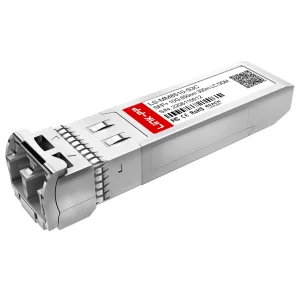
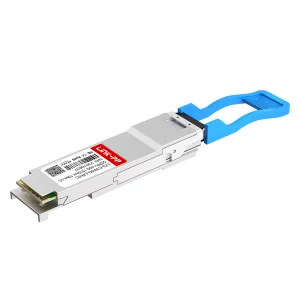
As network infrastructures transition towards 400G and 800G optical frameworks, physical layer copper connectors are evolving alongside optical interfaces. Standard RJ45 configurations are no longer confined to low-speed connections; instead, hybrid models integrate copper ports with optical modules in unified packages. High-density edge computing and remote telecom architectures rely on these hybrid assemblies to manage varying data flows.
Key developments shaping the next generation of RJ45 female connectors and optical network modules include:
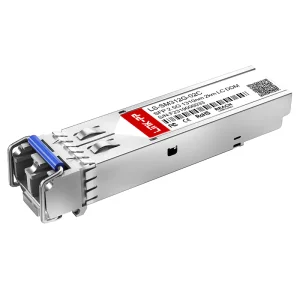
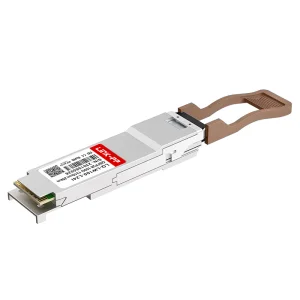
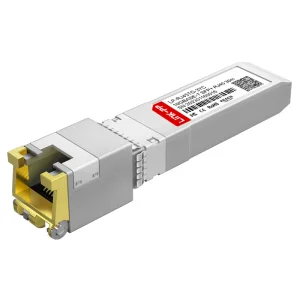
From low-profile PCB-mounted female jacks to multi-gigabit SFP+ copper modules and fiber transceivers.
Answers to common engineering and sourcing questions regarding RJ45 female connectors and optical modules.
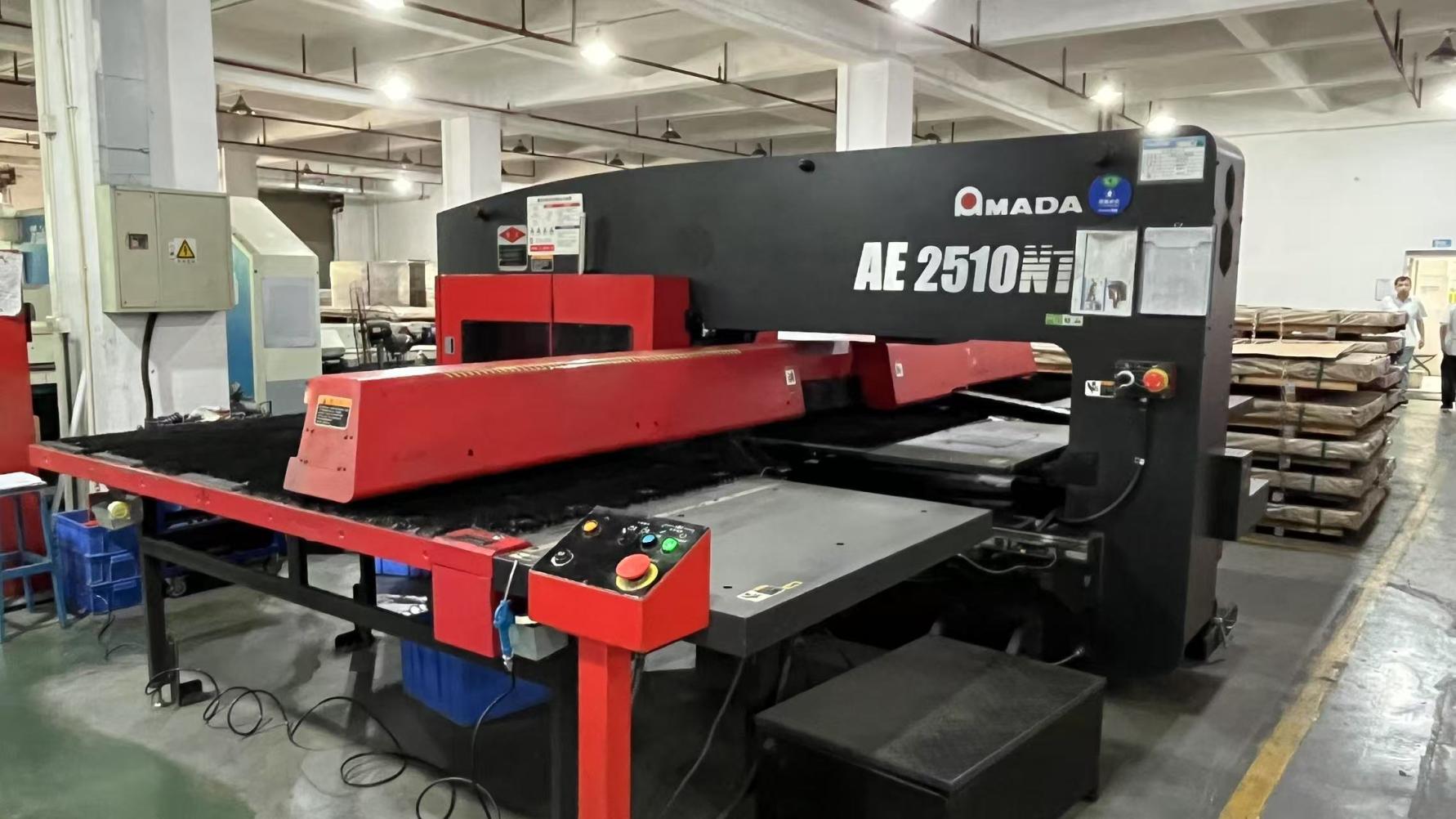
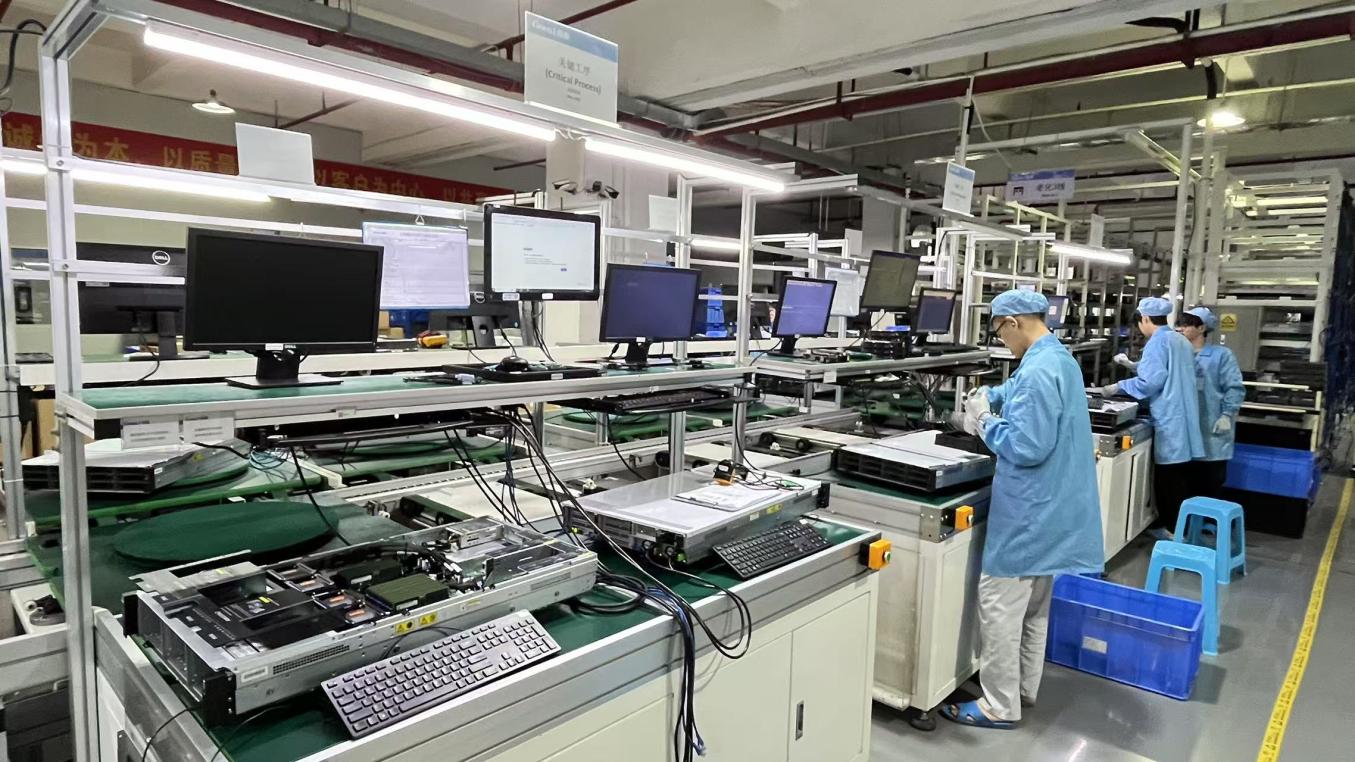
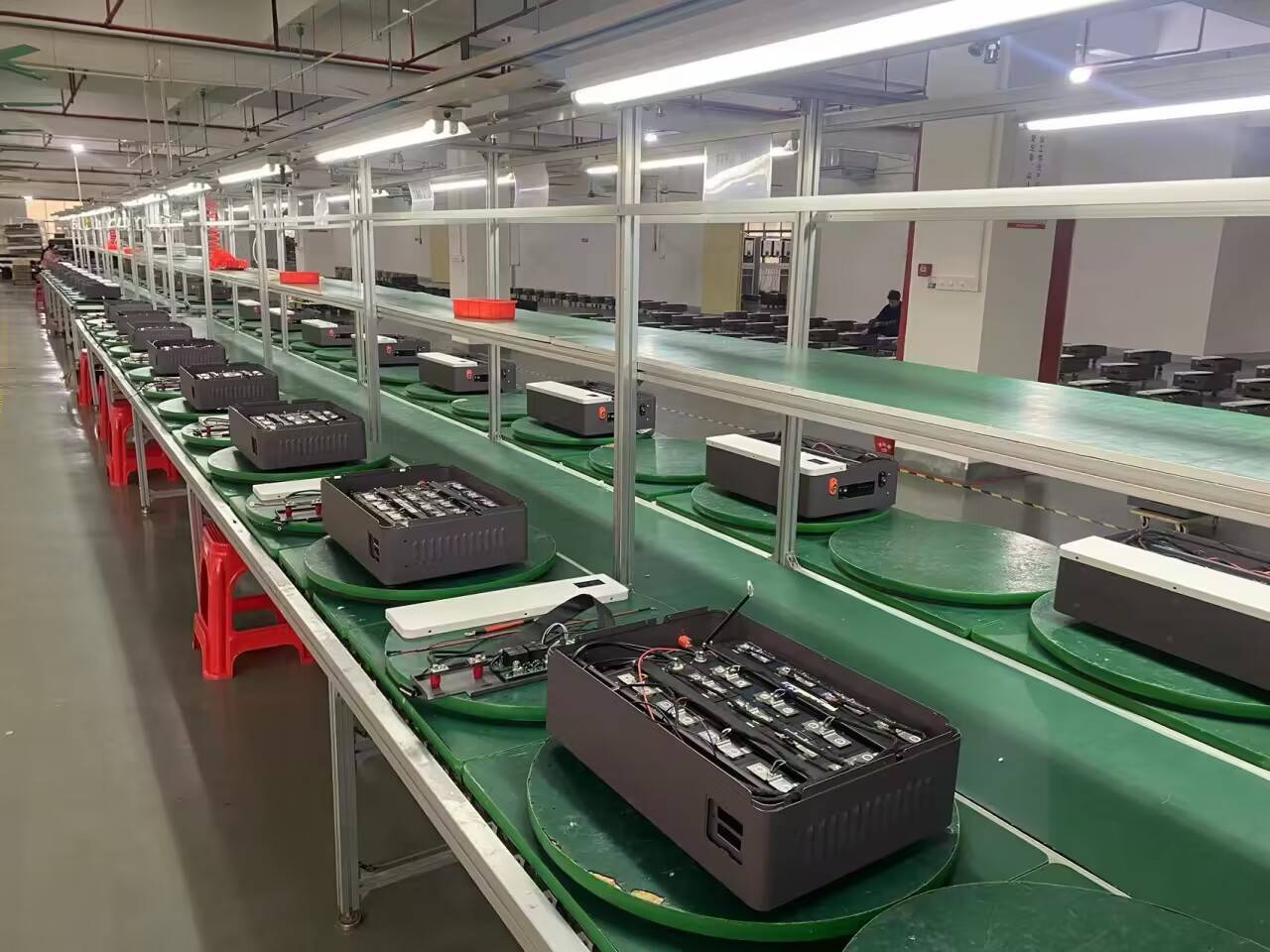
Explore our manufacturing floor, testing labs, and assembly operations.