OptiLinker
OptiLinker
OptiLinker
Analyzing the vital role of copper interconnect solutions in the hyper-scale deployment of telecommunications and data centers.
In the era of rapid digital transformation, cloud computing, and industrial automation, physical layer infrastructure remains the bedrock of network reliability. While fiber optics dominate long-haul and core datacenter trunks, RJ45 patch cables serve as the indispensable workhorse for LAN deployments, horizontal runs, enterprise workspaces, and edge-computing termination points. The global market demand for high-performance Category 6 (Cat6), Category 6A (Cat6a), and Category 8 (Cat8) patch cords is scaling at an unprecedented rate, driven by the rollout of Wi-Fi 6E/7 and Power over Ethernet (PoE++) devices.
Modern enterprise networking demands structured copper systems that can handle elevated frequencies and power levels. For instance, the transmission of 10G Base-T Ethernet up to 100 meters relies heavily on the physical precision of Cat6a patch cables, which mitigate alien crosstalk (ANEXT) via sophisticated foil shielding configurations. At the same time, the deployment of intelligent building management systems (BMS), surveillance cameras, and smart lighting relies on copper patch cords to deliver both data and up to 90W of power (under IEEE 802.3bt Type 4 standard), stressing the need for pure copper conductors with low DC resistance.
Advanced internal splines and physical shielding (U/FTP, S/FTP) minimize internal crosstalk and ensure clean data transmission at high frequencies.
Engineered with 24AWG or 23AWG oxygen-free copper conductors to avoid heat buildup during high-wattage power transmission over Ethernet.
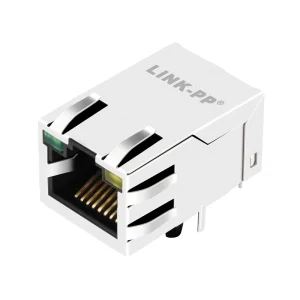
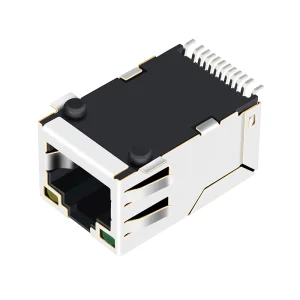
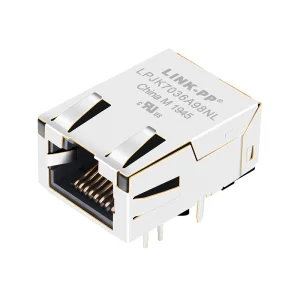
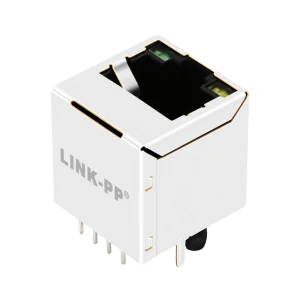
Compatible with standard RJ45 interfaces, allowing seamless transition from server NICs to patch panels, switches, and high-speed transceivers.
For global procurement managers, partnering with Chinese network interface and cable manufacturers offers distinct operational and cost benefits. Factories in key industrial clusters leverage unparalleled supply chain integration, sourcing copper drawing, precision modular injection, and automated packaging components locally within a single industrial ecosystem.
By implementing automated assembly and 100% computerized physical performance testing, leading manufacturers maintain high consistency in electrical properties. Advanced automated termination machines crimp the contacts with micron-level precision, preserving the twist-ratio up to the point of termination, which is crucial for passing Fluke Component Tests. Scalability ensures that bulk orders can be processed with compressed lead times, mitigating global logistics bottlenecks.
From cloud datacenters to harsh industrial environments, select the exact configuration of RJ45 cabling systems for optimal network lifecycle performance.
Deploying copper infrastructure is never a one-size-fits-all scenario. In hyperscale data centers, RJ45 patch cords are primarily configured in Top-of-Rack (ToR) and End-of-Row (EoR) architectures to manage out-of-band (OOB) networks and server console connections. In these spaces, cable flexibility and high-density cable management are paramount, leading to the adoption of slim-line patch cords with 28AWG conductors that improve airflow and reduce rack clutter.
Conversely, in industrial automation plants, physical cables are subjected to mechanical stresses, chemical exposure, and intense electromagnetic interference (EMI) from electric motors and high-voltage wiring. Here, engineers deploy shielded (S/FTP) Cat6a cables with chemical-resistant polyurethane (PUR) jackets and shielded industrial RJ45 plugs. These configurations resist EMI/RFI, preventing packet loss and maintaining uninterrupted communication between PLCs (Programmable Logic Controllers) and CNC machinery.
Deploying Cat6 U/UTP and Cat6a F/UTP patch cords to support gigabit speeds to the desktop, wireless access points, and VoIP phones with robust PoE reliability.
Transitioning to high-frequency Cat8 or Cat6a shielded patch cords to connect 10G/25G copper ports, ensuring zero-latency communication for storage and virtualization pools.
Using ruggedized, double-shielded patch cables designed for mechanical flexibility and high resistance to environmental factors inside industrial control enclosures.
Industry Experience
R&D Optical & Copper Engineers
AOI & Full Performance Tested
Annual Global Export Volume
To avoid high network downtime, procurement departments must evaluate suppliers based on precise metallurgical and engineering criteria:
Understanding how the convergence of high-speed optical transceivers and advanced copper links shapes modern network topology.
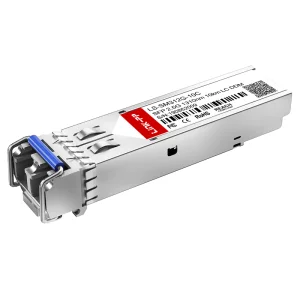
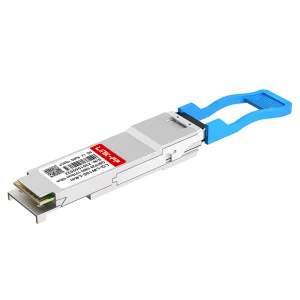
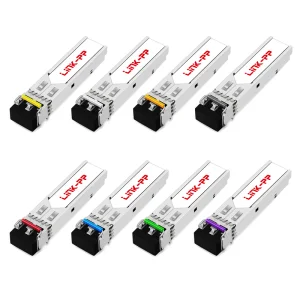
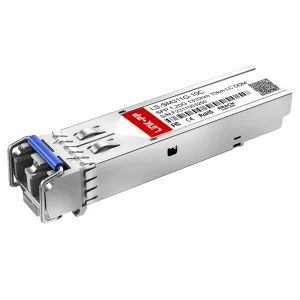
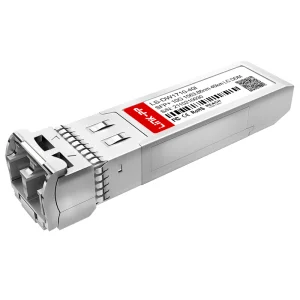
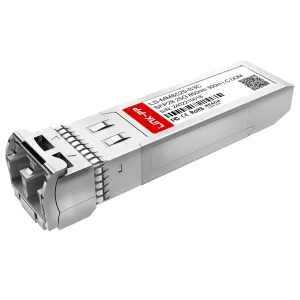
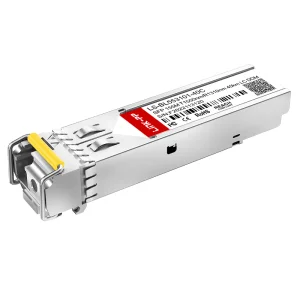
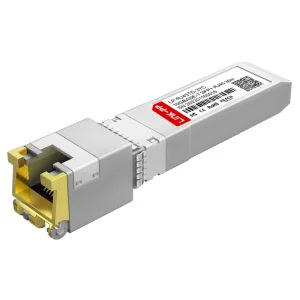
As transmission demands approach 400G and 800G, the network ecosystem is increasingly hybrid. Optical transceivers (like SFP28, QSFP28, and DWDM variants) handle the long-haul, backhaul, and inter-switch fabrics. Meanwhile, RJ45 copper systems bridge the local networks and high-density copper distribution frames. Advanced transceivers, such as the hot-pluggable 10G Base-T RJ45 Copper SFP+ Module, allow switches to convert optical ports to support standard copper patch cables directly, extending the versatility of legacy structures.
Looking ahead, the development of Smart Infrastructure will mandate intelligent patch systems. Integrated RFID chips or LED indicators on RJ45 patch plugs will allow automatic tracking of physical layer configurations via software, reducing human-error patch errors in the data center. Concurrently, sustainability goals drive the demand for eco-friendly, halogen-free jacket materials (LSZH) that do not release toxic gases when burned, aligning with modern green datacenter construction standards worldwide.
A trusted global manufacturer of premium optical transceivers and high-performance interconnect solutions.
Under the brand OptiLinker (www.optilinkertrans.com), the company specializes in engineering high-speed optical communication modules and robust network connections for global data center and telecom applications.
Founded in 2016, OptiLinker operates a modern production facility designed with cleanroom standards, occupying a total building area of approximately 320㎡. Leveraging over 12 years of core industry experience and approximately 8 years of global export experience, the team possesses deep capabilities in signal integrity, RF layouts, and network compatibility programming.
In the past fiscal year, OptiLinker achieved an annual export revenue of approximately USD 12 million, delivering high-performance components to operators, data centers, and systems integrators in North America, Europe, Southeast Asia, and the Middle East. Operating as a Tier-1 OEM/ODM partner, the company collaborates with an integrated global supply chain consisting of approximately 850 partners to secure stable raw material pricing and production capacity.
OptiLinker enforces a rigorous Quality Management System: this includes 100% incoming material inspection, Automated Optical Inspection (AOI), and full optical/electrical performance testing. Active validation processes cover Bit Error Rate (BER) testing, eye diagram analysis, and environmental chamber testing (high/low temperature cycling). The company maintains a dedicated quality assurance division staffed by 35 QC specialists, working alongside 60 R&D engineers who continuous optimize high-speed performance. Reflecting this innovation capability, OptiLinker successfully designed and launched approximately 120 new optical and network products last year alone.
Crucial industrial data and product compliance considerations for engineering and sourcing departments.