OptiLinker
OptiLinker
OptiLinker
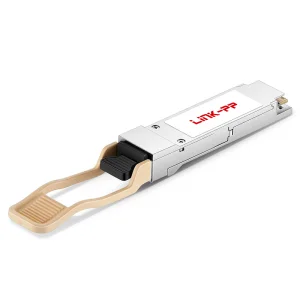
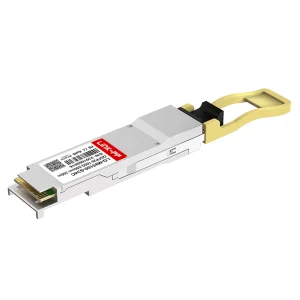
Leading-edge optical engines supporting up to 100Gb/s to 200Gb/s throughput, optimized for the high-capacity pipelines across the Randstad region.
The Netherlands remains a premier focal point for global connectivity. Amsterdam, together with Frankfurt, London, Paris, and Dublin, forms the elite group of "FLAP" markets that define the baseline of cloud architecture in EMEA. Powered by the presence of ultra-large-scale exchanges like the AMS-IX (Amsterdam Internet Exchange) and the NL-ix (Netherlands Internet Exchange), the country functions as a primary data gateway. Over 2,000 system integrators, telecom operators, and hyperscalers operate within this micro-market, making the performance, compliance, and thermal footprint of pluggable optical modules a key determinant of operational efficiency.
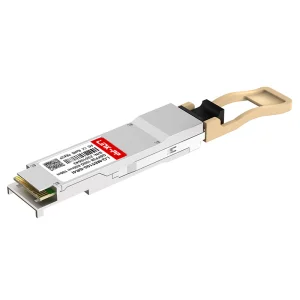
"In high-density Dutch colocation facilities, power budget limitations are the single greatest threat to scaling. Sourcing transceivers with low power consumption per gigabit—such as our optimized QSFP28 modules consuming less than 3.5W—is vital for compliance with European environmental limits."
Currently, Dutch networks are undergoing a rapid transition phase. Legacy 10G and 40G systems are being replaced by high-performance 100G, 200G, and 400G variants to handle the data loads from Edge AI, cloud migrations, and high-frequency trading (HFT) architectures clustered around the Amsterdam Stock Exchange. Physical transceivers must meet strict optical performance limits, providing consistent eye diagrams, exceptionally low Bit Error Rates (BER), and physical-layer compatibility with major OEM switch ecosystems including Cisco, Arista, Juniper, and Nokia. The procurement of these systems requires an experienced supplier who can provide rapid, custom firmware configuration to prevent interoperability failures in critical environments.
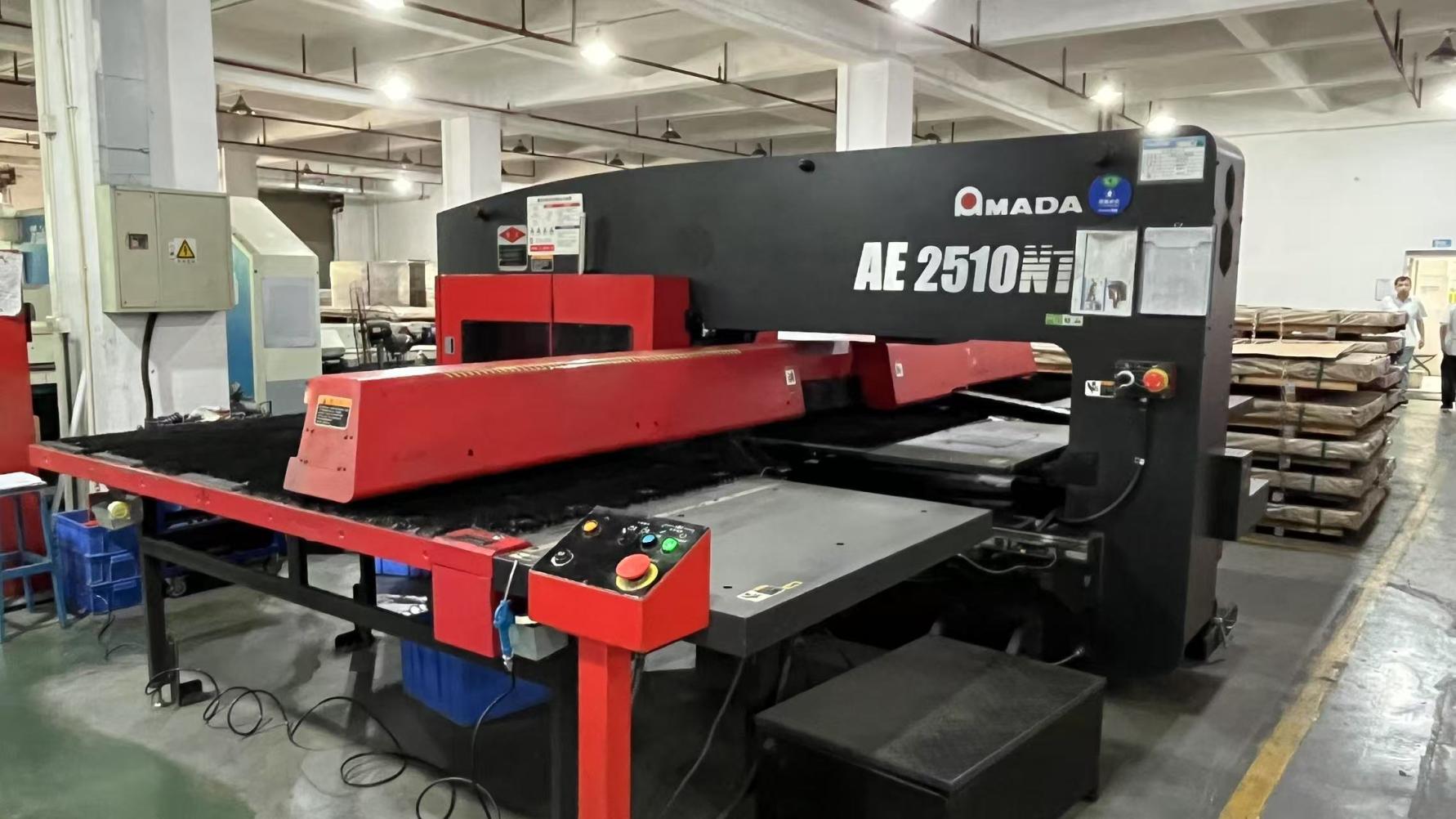
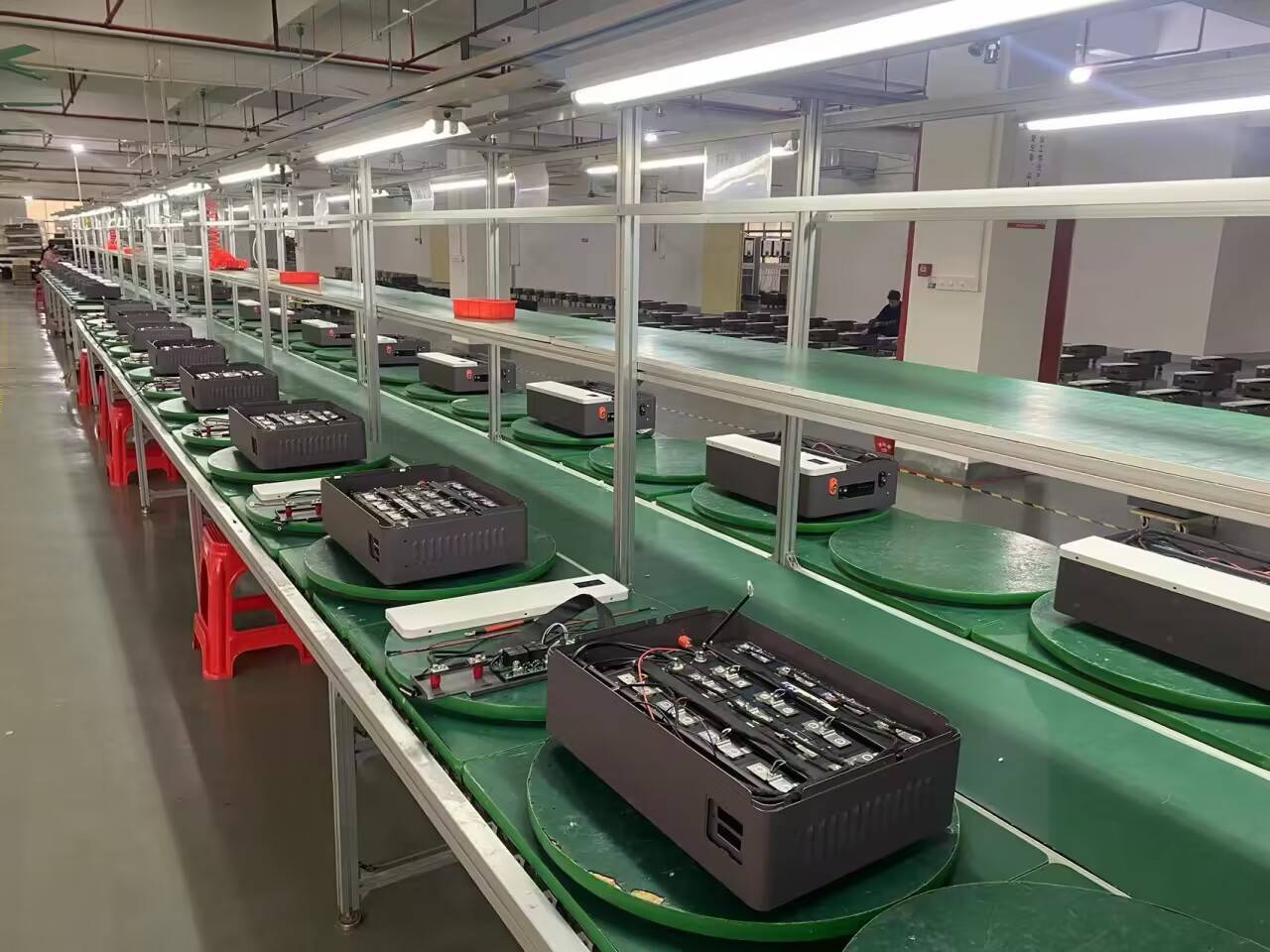
Under our premium brand OptiLinker, OptiLinker Optoelectronics Co., Ltd. (founded in 2016) serves as a specialized high-speed optical transceiver manufacturer and custom solution designer. From our advanced 320m² facility, backed by over 12 years of design experience and 8 years of export history, we produce high-speed transceivers engineered to perform under demanding conditions.
We work with network engineers, telecom providers, and systems integrators in the Netherlands and across Europe, addressing issues like packet drops, multi-vendor incompatibility, and heat issues in high-density rack configurations. With an annual export volume reaching USD 12 million last year, we demonstrate the production capability and logistical reliability required to support large-scale rollouts.
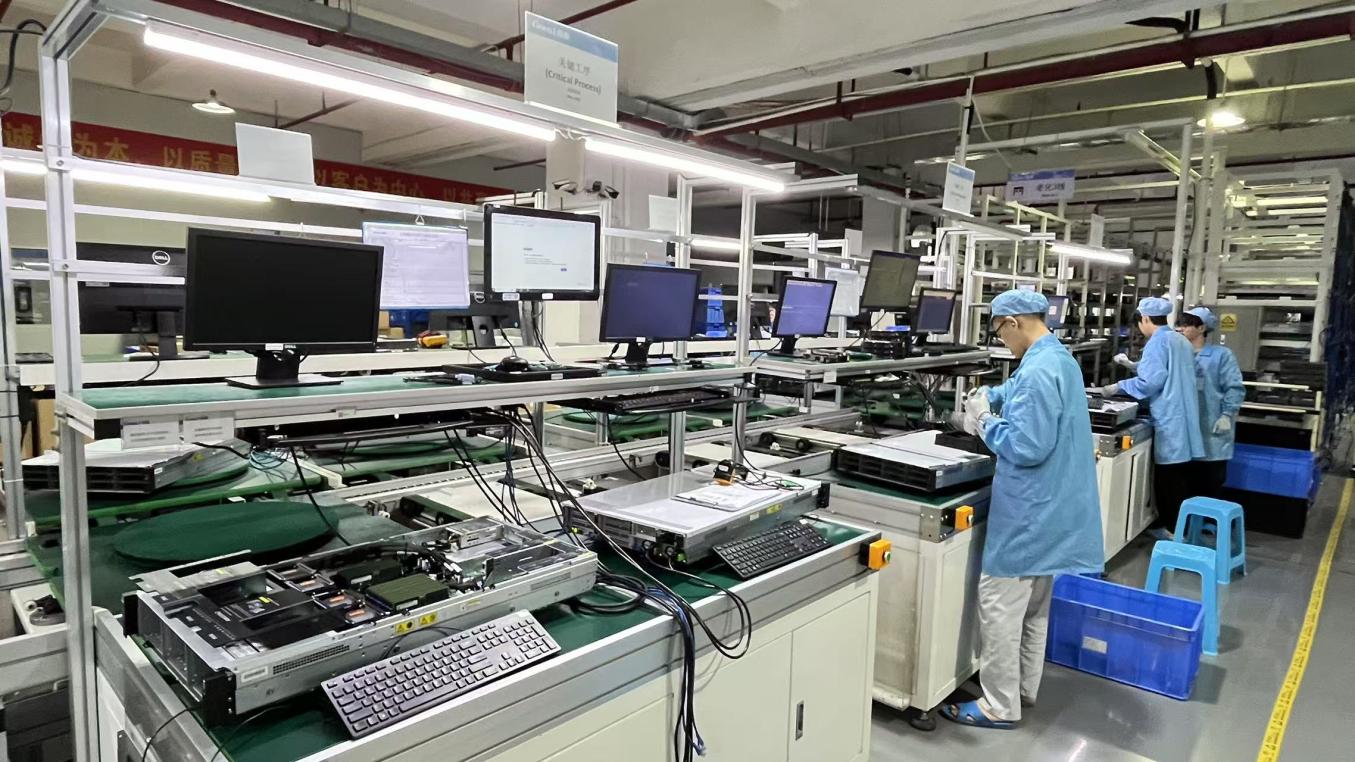
Quality assurance is built into every step of our manufacturing process. We implement 100% incoming material inspection, AOI (Automated Optical Inspection), and full system performance testing. Our validation protocols include:
With a dedicated 35-person QC team and 60 optical engineers, we support network architectures with components engineered for long-term reliability.
Understanding the strict regulatory frameworks and operational priorities within the Benelux union.
All OptiLinker shipments to the Netherlands comply with **CE**, **RoHS 3 (Directive 2011/65/EU & 2015/863)**, and **WEEE** directives. We construct all modules with eco-friendly components, eliminating restricted hazardous chemicals.
Our engineering team designs systems in strict adherence to SFF Committee standards. Our EEPROM microcontrollers are custom-coded to pass host switch validation, providing drop-in compatibility with legacy and modern equipment.
Addressing thermal management issues in high-density systems. We utilize energy-efficient lasers (VCSEL, DFB, and EML) to limit heat generation inside switch panels, extending the lifespan of optical components.
In the Netherlands, data center operators face some of Europe's highest grid fees and strict emission standards. This makes power consumption a critical metric for optical systems. OptiLinker addresses this challenge by designing optical engines with optimized power management integrated directly into the Transceiver IC. By using high-performance components and efficient firmware, our transceivers reduce heat dissipation within dense switch environments. This helps operators lower cooling requirements and reduce energy consumption across large network infrastructures.
Supporting next-generation networks in the Benelux region through continuous development of high-speed optical platforms.
Answering common technical and logistics questions for procurement departments and network administrators in Western Europe.
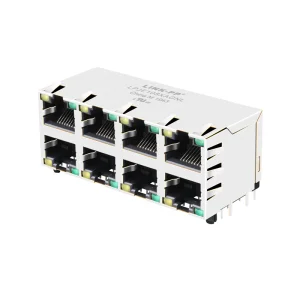
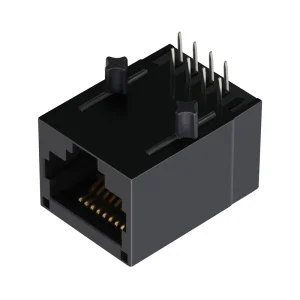
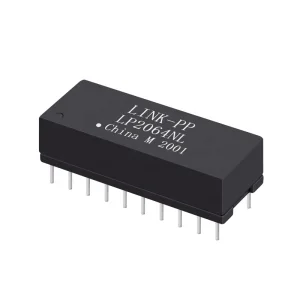
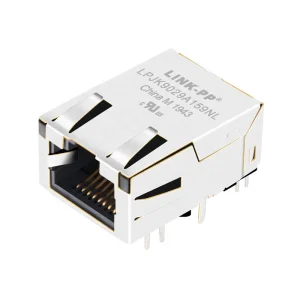
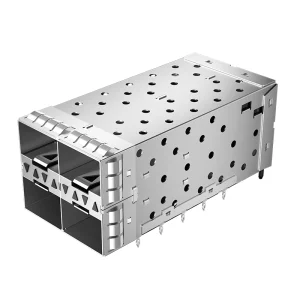
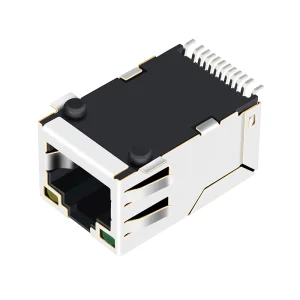
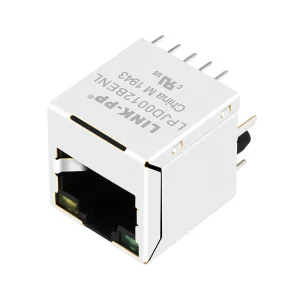
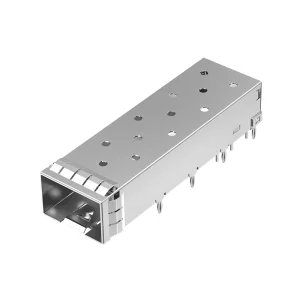
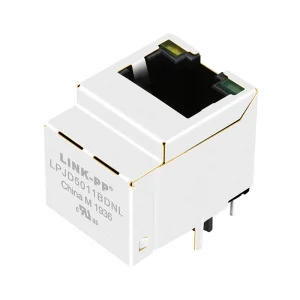
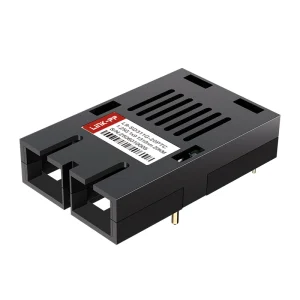
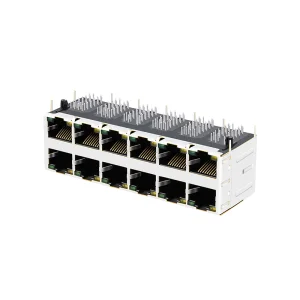
Explore our complete range of transceivers, SFP cages, and network interfaces designed for telecom networks, industrial facilities, and data centers.
Get in touch with our optical engineering team today. We provide free engineering consultation, custom EEPROM firmware programming, and sample modules for validation in your network setup.
Send Inquiry Now