OptiLinker
OptiLinker
OptiLinker
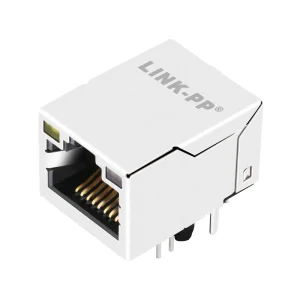
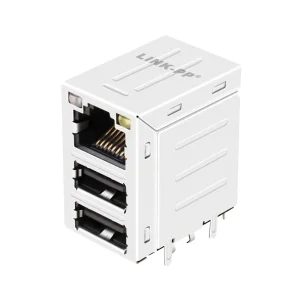
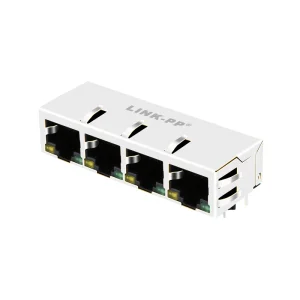
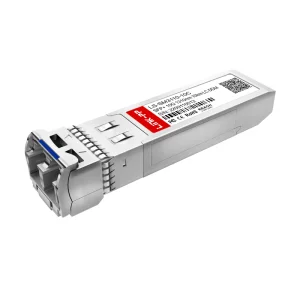
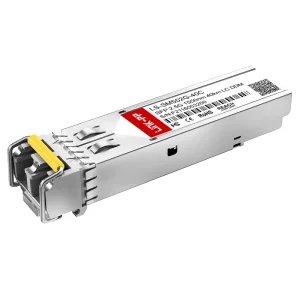
Explore our initial selection of precision-engineered connectivity hardware, featuring multi-port stacked RJ45 modules, industry-grade SFP+ transceivers, and robust optical components designed for minimal signal attenuation and maximum structural durability.
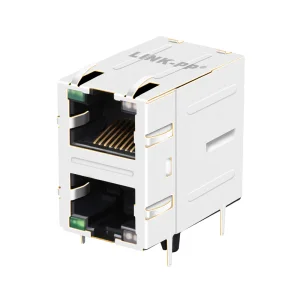
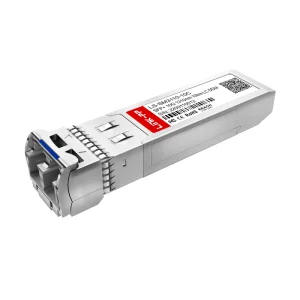
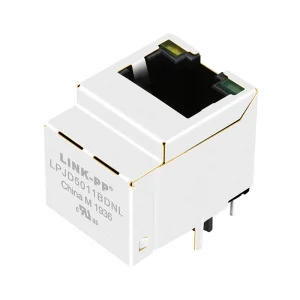
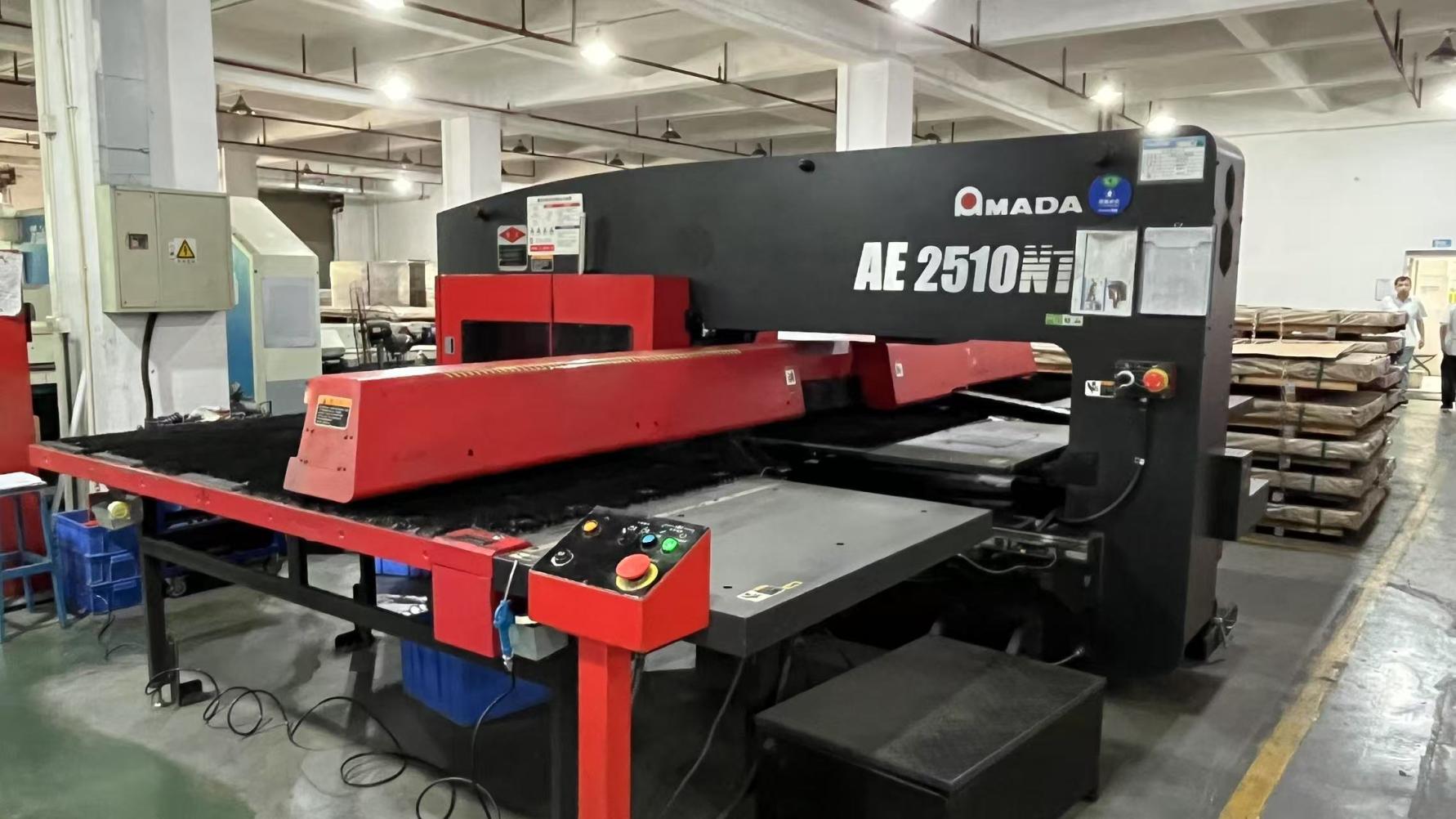
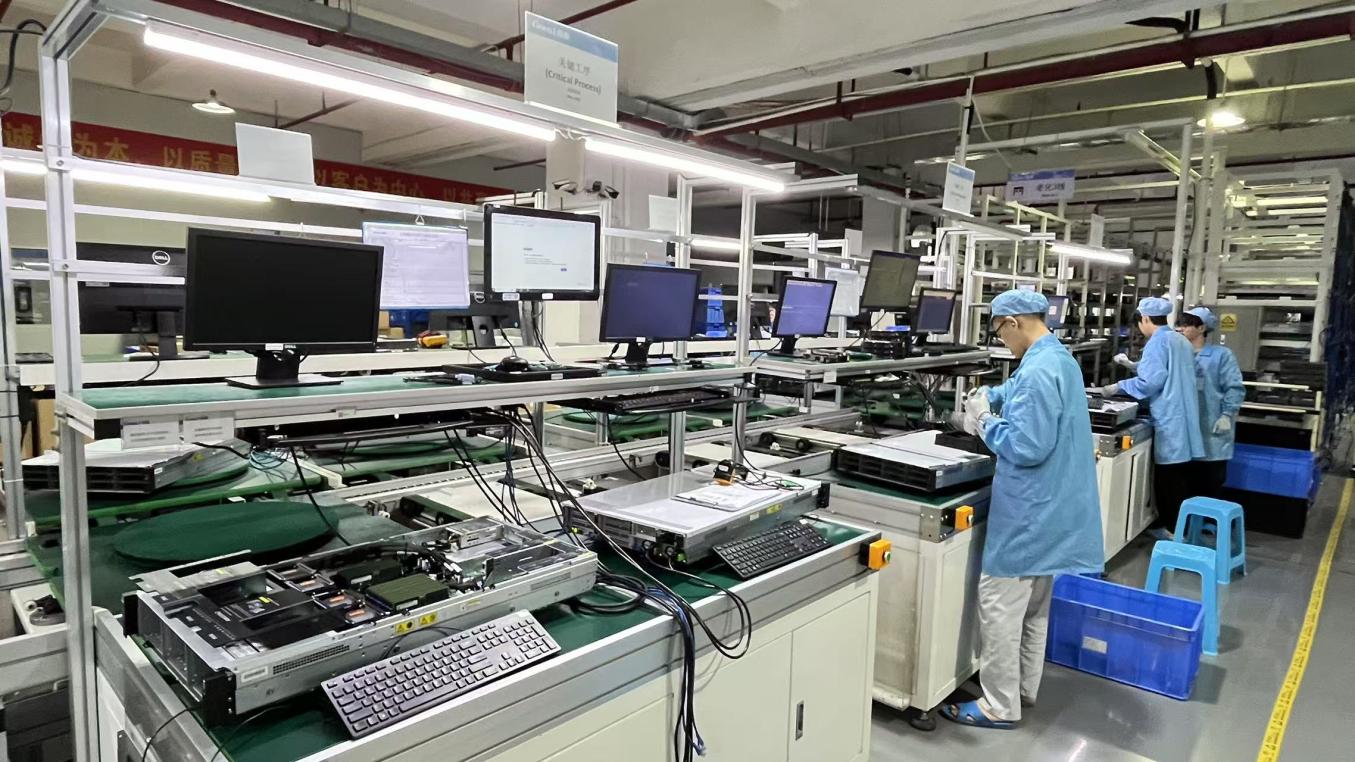
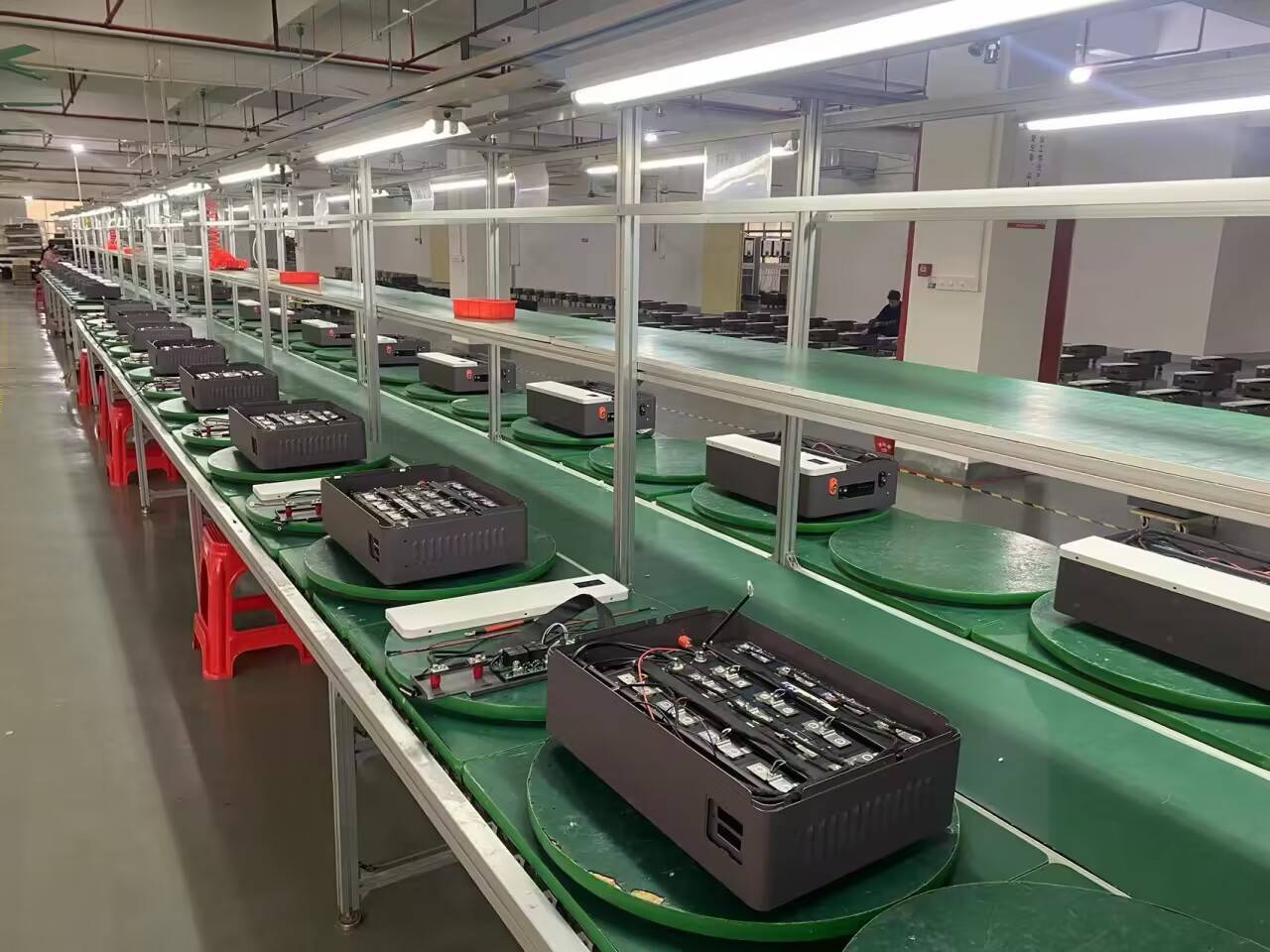
OptiLinker Optoelectronics Co., Ltd. (OptiLinker) stands as a prominent global force in optical and copper connectivity solutions under the registered trademark OptiLinker (www.optilinkertrans.com). Established in 2016, our engineering DNA spans over 12 years of industry experience, paired with a robust 8-year legacy of compliance-driven export activities. We maintain a high-density, automated production center optimized for precision alignment, signal integrity verification, and massive parallel testing configurations.
Modern telecom and enterprise LAN architectures are undergoing an unprecedented shift. As artificial intelligence workloads, machine learning pipelines, and cloud services expand, the demand on local hardware interfaces to process data at ultra-low latencies becomes paramount. The concept of Deep Ethernet Connectivity is defined by the integration of mechanical housing stability, advanced electromagnetic compatibility (EMC), and hybrid optical-copper transceivers. Legacy infrastructure relied purely on unshielded copper systems; today’s high-density telecom units integrate multi-port stacked interfaces and integrated magnetic transformers directly within the physical jack to counteract cross-talk and insertion loss.
At OptiLinker, we address this transformation by engineering high-speed optical transceivers alongside classic RJ45 connectors featuring integrated magnetics (ICs). This design minimizes board space requirements while isolating electromagnetic interference (EMI) at the physical layer, ensuring stable data transmission speeds across copper media up to 10GBASE-T, while facilitating seamless fiber-optic handoffs via SFP+ and QSFP+ modules.
Procurement directors and systems engineers at major telecom carriers, data center operators, and network infrastructure manufacturers operate under stringent performance, lead-time, and regulatory parameters. When sourcing deep Ethernet connectors and optical transceivers, standard off-the-shelf components frequently fail to meet specific motherboard mechanical clearances or firmware compatibility frameworks. Sourcing departments require manufacturers who can act as true collaborative engineering partners.
Different networking hosts (Cisco, Juniper, HPE, Aruba, etc.) employ proprietary encryption and handshake algorithms. A standard optical transceiver will cause compatibility errors. OptiLinker’s dedicated firmware optimization team writes custom EEPROM code to ensure seamless plug-and-play operation across multi-vendor switch architectures.
In the contemporary global landscape, localized factory disruptions can stop client assembly lines. OptiLinker maintains a vast supply web of over 850 strategic partners. This ensures that raw materials, semiconductor elements, and specialized connector pins are consistently multi-sourced, preventing operational bottlenecks.
Every batch produced at OptiLinker undergoes 100% incoming material inspection, automated optical inspection (AOI), and exhaustive optical performance analysis. Using high-precision test instrumentation, we perform Bit Error Rate (BER) analysis, eye diagram metrics, and high/low temperature cycling to secure lasting field durability.
OptiLinker designs integration strategies for physical infrastructure across various vertical markets. We understand that a component must function within the context of a larger network topology. Below is how our ethernet connectors and transceiver modules serve primary macro configurations:
Modern leaf-switch arrays demand extreme port densities. By applying our SFP+ press-fit cages with integrated light pipes (such as the 2169788-1 equivalent), data centers can easily upgrade transceiver modules without dismantling adjacent wiring. Additionally, our 10G and 40G QSFP+ transceiver modules enable long-haul single-mode fiber links up to 80km, facilitating secure inter-datacenter communication.
Telecom equipment is exposed to variable thermal conditions. Our vertical entry magnetic RJ45 connectors (like the HFJV1-E2450-L12RL) provide physical isolation and high dielectric strength, protecting sensitive baseband processing units from electrical surges while delivering consistent 10/100/1000 Base-T throughput at edge computing cabinets.
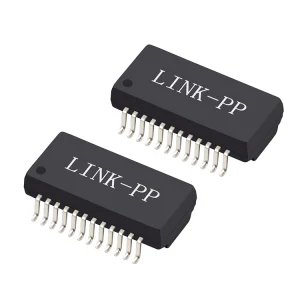
Power over Ethernet (PoE+) systems must carry both gigabit payload data and up to 30W/60W of power on the same wire pair. Using specialized LAN transformers like the H6062NL, we isolate the DC power line offset from the sensitive high-frequency signal pins, preventing magnetic saturation and maintaining packet transmission integrity.
OptiLinker operates a specialized, high-density optical and electrical component development center. While maintaining a compact manufacturing footprint (approximately 320㎡ building area) optimized for cleanroom testing and high-mix, low-volume (HMLV) specialized products, we leverage a production framework designed to maximize throughput and ensure quality. Our R&D team consists of 60 highly skilled engineers focusing on signal integrity, optoelectronic efficiency, and mechanical chassis design.
In the past fiscal year alone, we launched 120 new models of transceivers and modular connector jacks, keeping pace with evolving standards like QSFP28, OSFP, and high-frequency RJ45 specifications. This agility allows us to provide rapid turnaround times for customized samples and customized pin-out designs.
As network bandwidth demands escalate towards 400G and 800G, connectivity interfaces must evolve in lockstep. The future of data center architecture relies on the transition from NRZ signaling to PAM4 modulation, requiring connectors and optical modules that support highly complex multi-level signaling without introducing noise. OptiLinker’s technology roadmap prioritizes these advancements:
By integrating laser sources and optical modulators directly onto a single silicon chip, we are developing next-generation optical modules that consume 30% less power while providing four times the density of standard discrete components.
Our engineers are redesigning the internal magnetic structures of our multi-port stacked RJ45 connectors to handle frequencies up to 500MHz, supporting Cat6A and Cat7 deployment speeds over copper loops.
Adopting lead-free soldering, compliance with strict RoHS/WEEE directions, and implementing energy-efficient manufacturing processes across our factory lines to support global green procurement efforts.
Deep Ethernet connectors are built with industrial-grade isolation, containing built-in magnetic transformers and metallic shielding. They are designed to withstand physical shock, isolate common-mode noise, prevent cross-talk, and support heavy PoE+ loads without degrading data transmission rates.
Integrated magnetics (often built into the RJ45 jack, known as "MagJacks") combine the physical connection mechanism with a magnetic transformer. This arrangement provides voltage isolation (typically 1,500 Vrms), reduces electromagnetic interference (EMI) radiation, and ensures clean differential signal loops, saving valuable PCB space.
OptiLinker uses modern hardware simulators and analytical test setups representing different switch brands. We program the EEPROM of our transceivers using custom microcode that conforms to Multi-Source Agreements (MSA) and satisfies vendor-specific handshake requirements.
Press-fit cages (such as our TE replacements) require no wave soldering, which prevents thermal stress on surrounding PCB track structures during assembly. They also simplify field replacements, ensure solid mechanical connection points to the motherboard, and provide excellent EMI shielding through elastomeric gaskets.
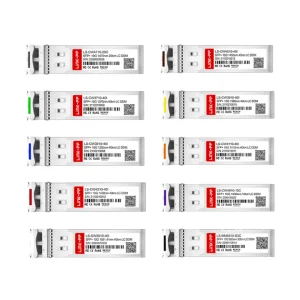
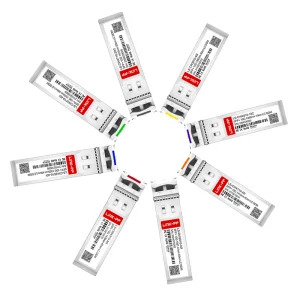
Browse our selection of advanced high-frequency LAN transformers, single-mode CWDM SFP+ transceivers, and specialized multi-port sockets engineered to maintain signal integrity in demanding corporate telecommunication settings.
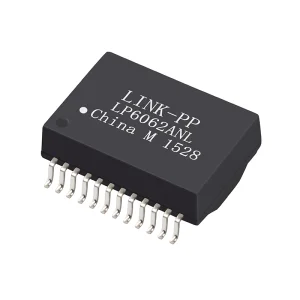
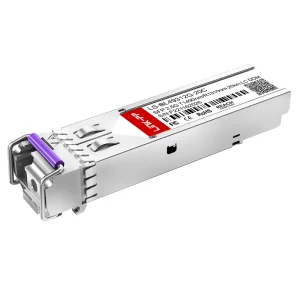
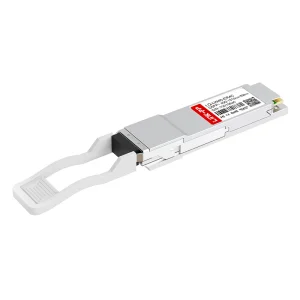
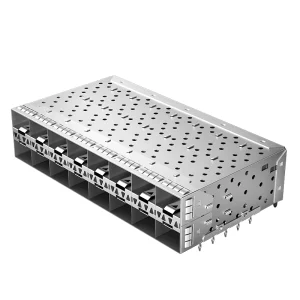
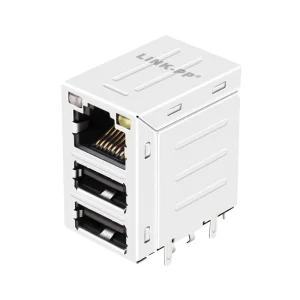
OptiLinker commits to manufacturing compliance across all export domains. Our processes align with modern standard requirements, ensuring that all SFP+ transceiver models, multi-port connectors, and LAN transformers carry full CE, FCC, RoHS, and UL trace certifications. By operating automated wave soldering machines, coordinate measurement instruments, and dedicated bit-rate analyzers in-house, we eliminate quality variances before shipments depart our facility.