OptiLinker
OptiLinker
OptiLinker
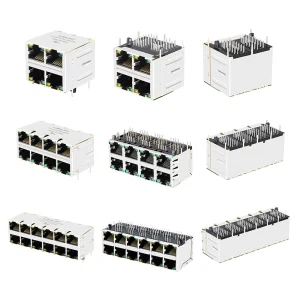
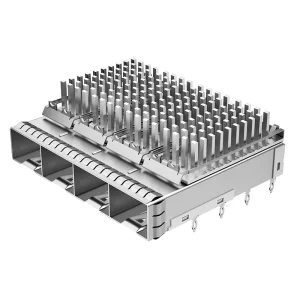
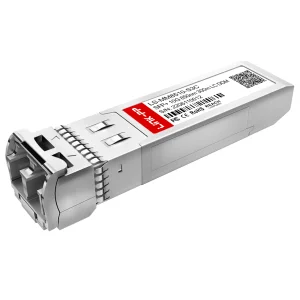
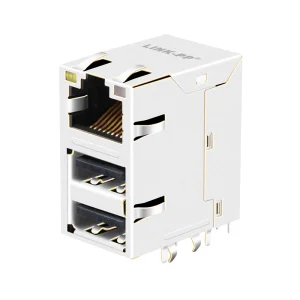
In an era dominated by high-speed fiber optic rollouts, copper infrastructure remains a critical pillar of localized networks. The RJ45 inline coupler is no longer just a simple tool to link patch cords; it is a precision-engineered passive component essential for minimizing signal degradation, impedance mismatch, and packet loss in high-speed enterprise networks. As data rates climb from 1Gbps to 10Gbps and beyond, maintaining signal path integrity across physical extensions becomes crucial.
For network architects and procurement leads, selecting an RJ45 inline coupler manufacturer requires looking beyond simple physical connections. High-performance copper links must adhere to strict transmission standards (ANSI/TIA-568.2-D and ISO/IEC 11801). A sub-standard coupler can introduce significant insertion loss and return loss, which leads to packet re-transmission and network latency. At OptiLinker, we leverage our deep expertise in high-frequency signal integrity to engineer couplers that maintain near-zero attenuation, even in demanding Cat6 and Cat6a networks.
As corporate IT ecosystems evolve, network topologies must seamlessly support diverse devices, including PoE-powered IP cameras, wireless access points (WAPs), and server rack connections. Splicing copper runs or re-pulling structural cables through concrete conduits is often cost-prohibitive. Inline couplers offer a modular, cost-efficient alternative that allows field technicians to adapt cabling runs on the fly.
This technical whitepaper examines the design principles of high-performance couplers, evaluates their role in modern structured cabling, and highlights how China’s advanced manufacturing ecosystem—led by innovators like OptiLinker—helps global enterprises achieve scalability, reliability, and cost-efficiency.
Enterprise data centers require high-density patch configurations. Procurement managers face the challenge of sourcing inline couplers that fit within ultra-compact keystone panels without interfering with neighboring ports or blocking airflow. Shielded metal designs are essential to block port-to-port alien crosstalk (ANEXT).
With PoE++ supplying up to 90W-100W of power, disconnecting cables under load can cause electrical arcing, which erodes gold plating. High-quality couplers must use specific contact geometry (like IEC 60512-99-002 standards) to ensure arcing occurs away from the critical data transmission point.
Industrial applications expose network nodes to vibration, humidity, and chemical contaminants. Buyers require IP67-rated waterproof RJ45 inline couplers featuring UV-resistant plastic or zinc-alloy die-cast casings to prevent environmental corrosion and mechanical breakdown.
Modern enterprise networks rely on a hybrid architecture. Fiber optics handle backbone backhaul (100G/400G), while copper runs support localized distribution and PoE delivery. This setup requires compatibility across media converters, active switches, and structured copper runs.
Our solutions target these mixed environments. For instance, in smart surveillance systems, an optical signal is routed to a localized field cabinet, converted using a media converter, and then distributed over copper. Utilizing high-density RJ45 inline couplers in field patch panels ensures that installers can route and extend Cat6/Cat6a cables without signal degradation, maintaining stable data rates for high-definition IP cameras.
Every connector in a channel introduces a slight discontinuity in impedance. If the physical structure of the internal PCB tracks in the inline coupler does not match the 100-ohm impedance of twisted pair cables, signal reflections occur. This increases the Bit Error Rate (BER). By using automated precision soldering and impedance-matching design simulations, our manufacturing process ensures that these transitions remain electrically transparent to active network devices.
The Ethernet landscape continues to push the boundaries of copper networking. The industry transition from Cat6 (250 MHz, 1Gbps) to Cat6A (500 MHz, 10Gbps) and Cat8 (2000 MHz, 40Gbps) requires tighter control over internal electromagnetic crosstalk. In response, the design of RJ45 inline couplers is shifting from simple lead-frame designs to multi-layer PCB-based architectures featuring integrated compensation circuits.
Traditional lead-frame couplers experience high crosstalk because the parallel conductors run close together. Modern Cat6a and Cat8 inline couplers utilize internal multi-layer PCBs with crossed trace paths. This design generates capacitive and inductive compensation, canceling out NEXT at the socket connection.
We are transitioning from standard phosphor bronze contacts to high-performance beryllium copper alloys coated with 50 micro-inches (50μ") of gold plating. This construction maintains low contact resistance and resists corrosion over thousands of mating cycles, even in high-humidity environments.
As 5G small cells and IoT gateways proliferate, edge devices require higher bandwidth and power delivery over copper. Our product roadmap focuses on developing fully shielded, tool-free keystone inline couplers designed for rapid field deployment in complex smart city and edge computing architectures.
OptiLinker Optoelectronics Co., Ltd. (OptiLinker) is a professional optical transceiver manufacturer and solution provider under the brand OptiLinker (www.optilinkertrans.com), specializing in high-speed optical communication modules for global data center and telecom applications.
Founded in 2016, OptiLinker operates a modern production facility with a total building area of approximately 320㎡. With continuous development in optical communication technology, the company has accumulated over 12 years of industry experience and approximately 8 years of export experience.
Driven by innovation and reliability, OptiLinker is committed to delivering high-performance optical connectivity solutions for the global digital infrastructure market. Our technical capabilities bridge the gap between fiber optic backbones and copper edge networks, allowing us to support customers throughout their network transitions.
Quality assurance is a core focus at OptiLinker. The company implements 100% incoming material inspection, AOI automated optical inspection, and full optical performance testing. Product verification includes BER testing, eye diagram analysis, and high/low temperature cycling tests, ensuring stable performance under demanding network environments. The quality control team consists of 35 dedicated QC professionals.
OptiLinker collaborates with a global supply chain network of approximately 850 partners, enabling efficient sourcing and stable production capacity. Its main customer base includes telecom operators, data centers, system integrators, and networking equipment manufacturers.
The company has strong R&D capabilities, supported by a team of 60 experienced optical engineers. Its engineering team specializes in high-speed optical design, signal integrity optimization, and protocol compatibility development. OptiLinker offers flexible customization options including wavelength tuning, transmission distance, packaging form factors, firmware coding, and device compatibility programming. In the last year alone, OptiLinker launched approximately 120 new optical transceiver products, reflecting its continuous innovation and rapid response to market demand.
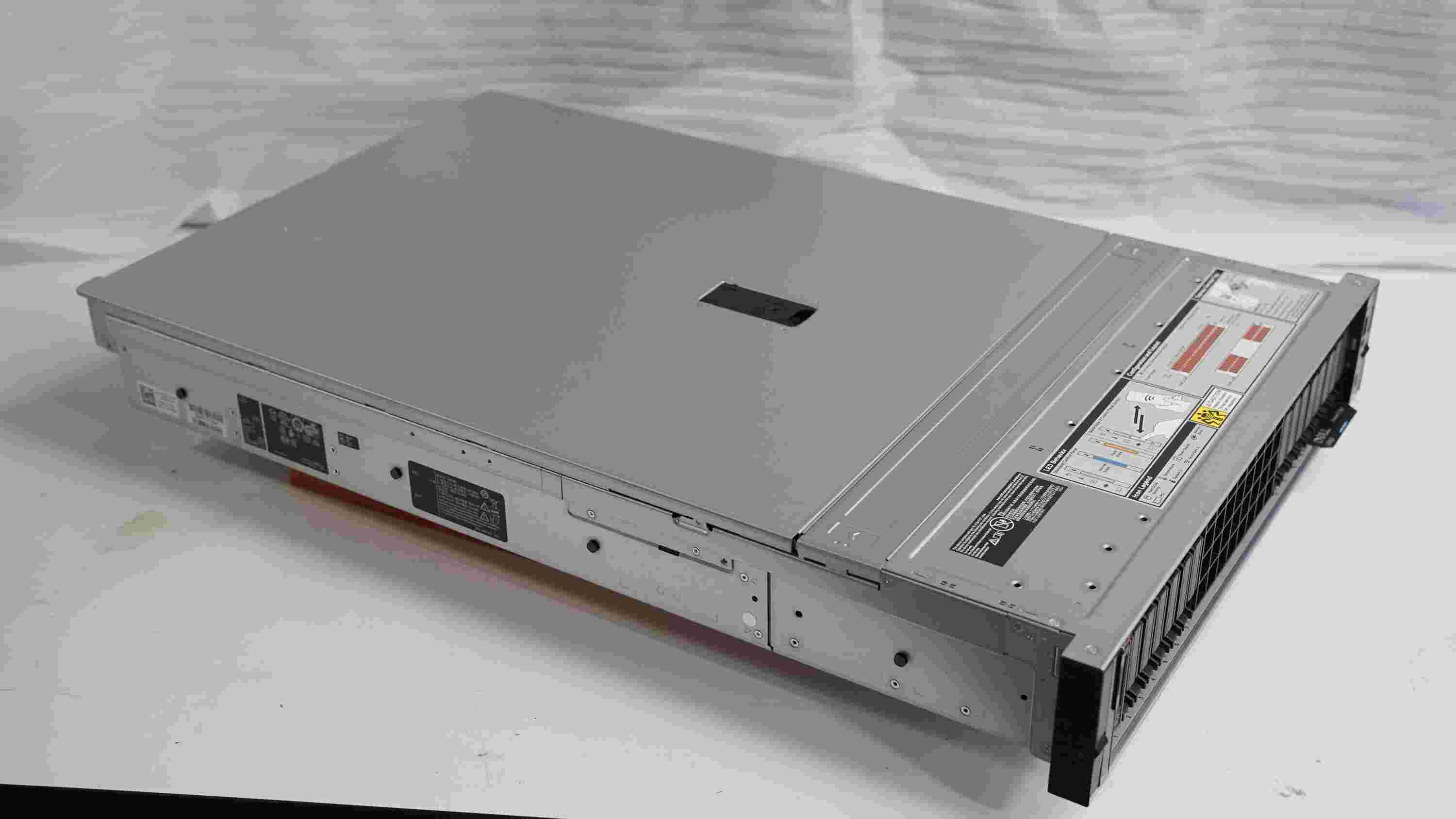
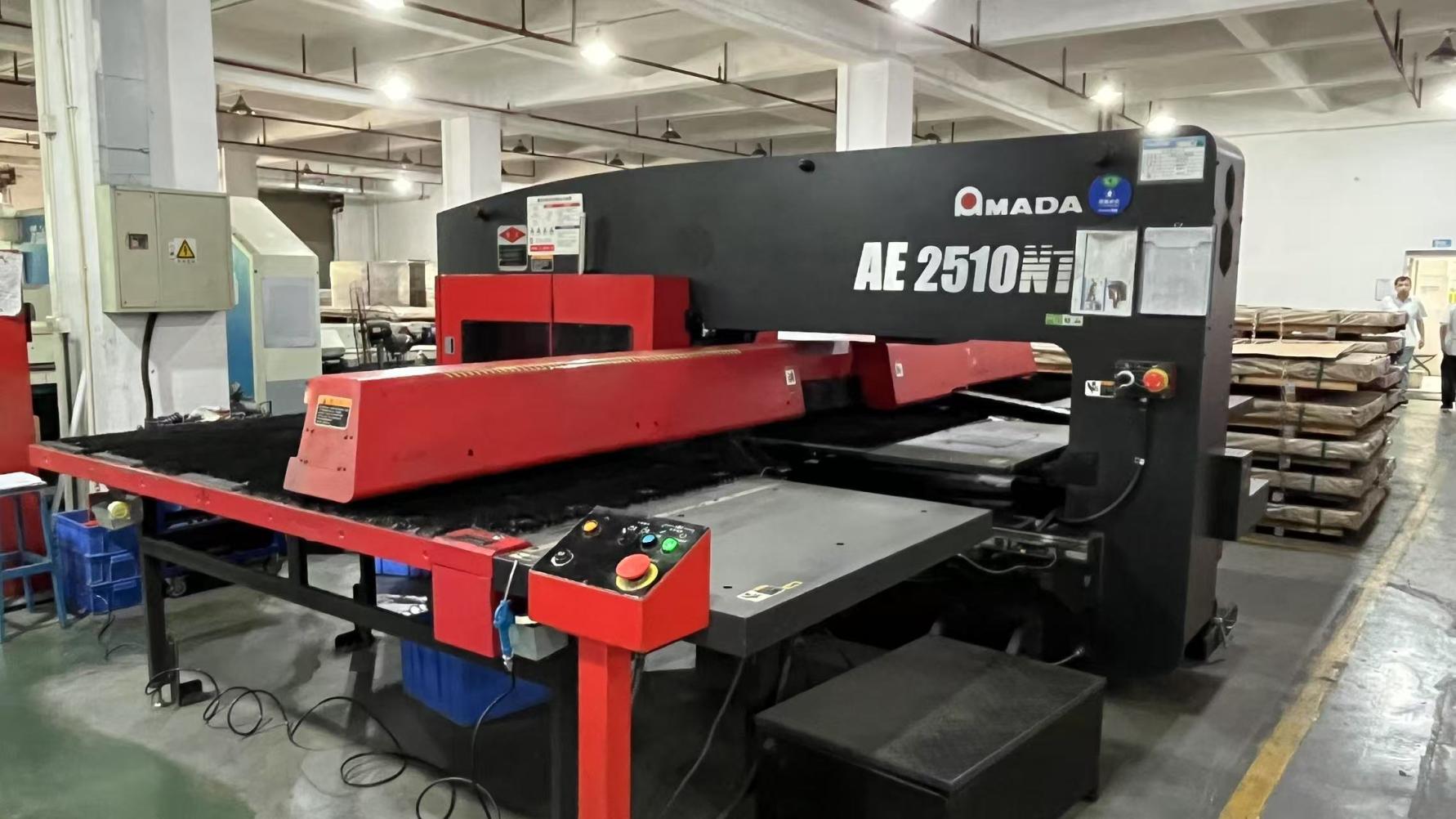
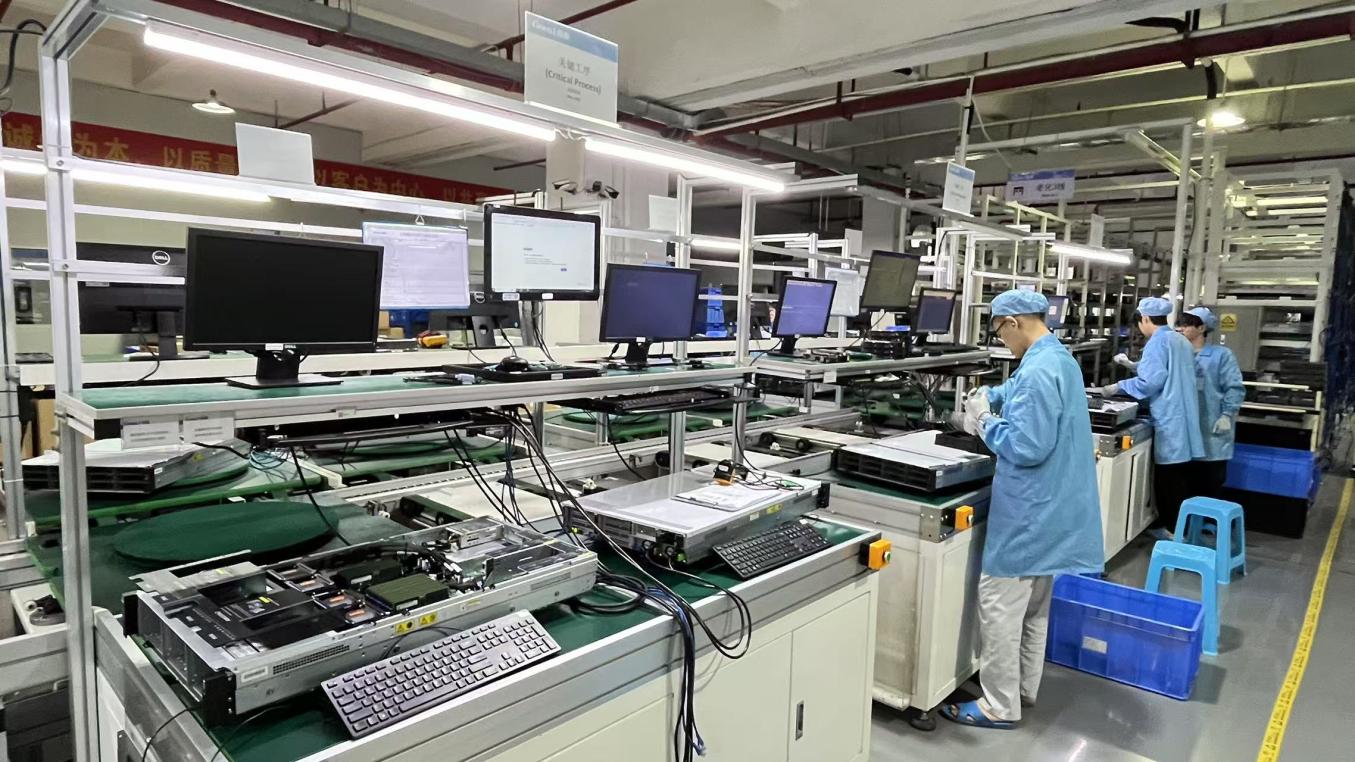
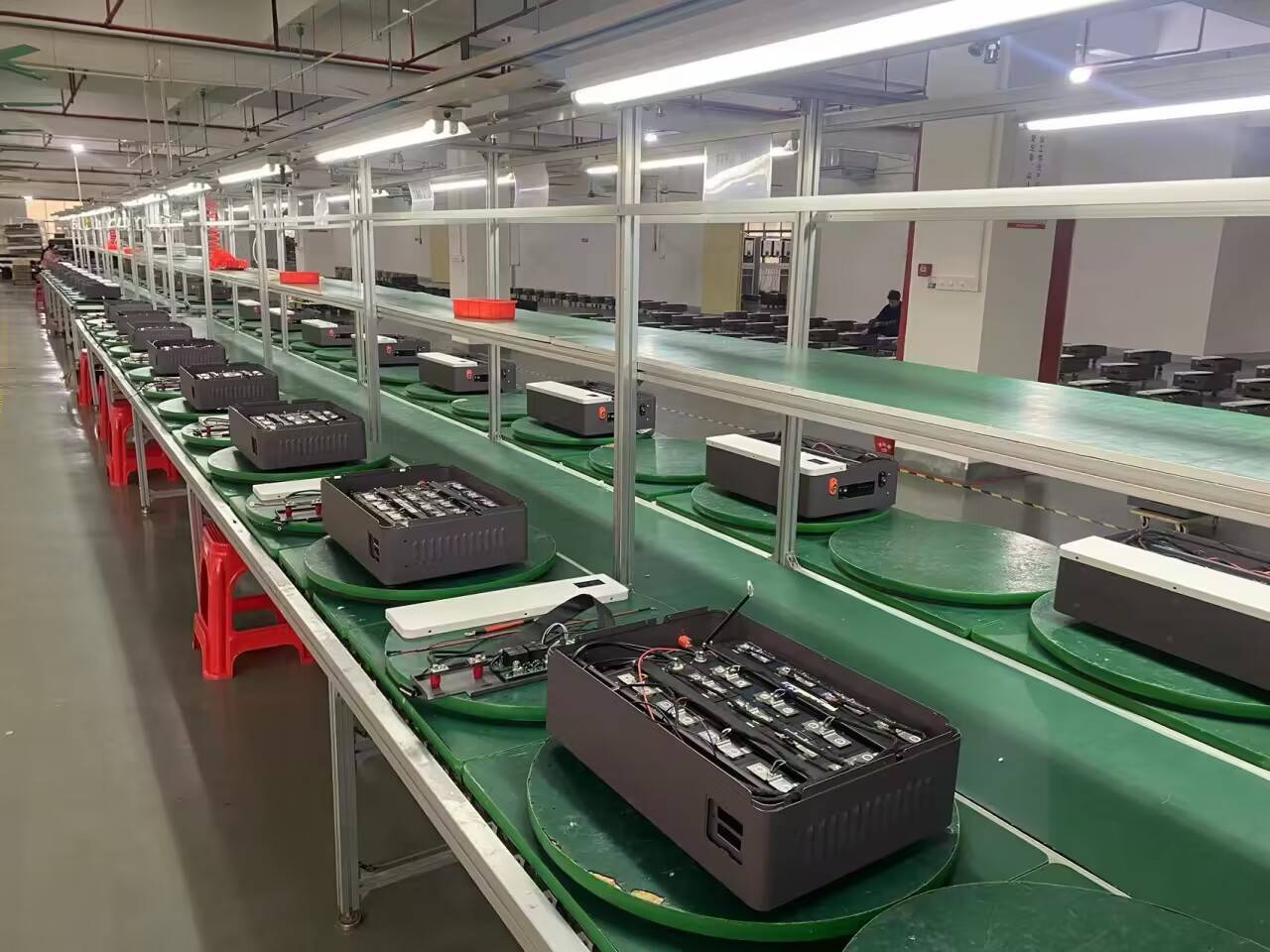
Global logistics demand strict adherence to regional environmental and safety regulations. All OptiLinker networking products conform to RoHS (Restriction of Hazardous Substances) and REACH directives, ensuring they are free from harmful heavy metals and toxic chemicals. For construction and commercial properties, our components meet UL 94V-0 flammability ratings, which prevent the spread of flame in structural plenums.
We provide localized post-sales engineering support across North America, Europe, and the Asia-Pacific region. Our 60 optical and hardware engineers help system integrators program EEPROM compatibility profiles for transceivers, customize coupler dimensions, and design specialized shielding housings to match custom industrial applications.