 OptiLinker
OptiLinker
OptiLinker
Explore our premium range of SFP cages, magnetic modular jacks, and high-speed transceivers engineered for zero packet loss.
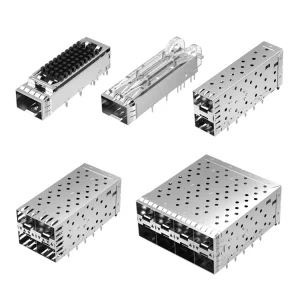
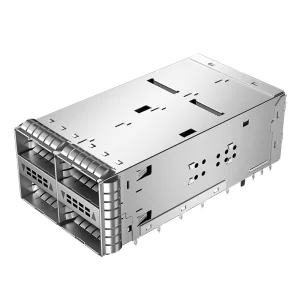
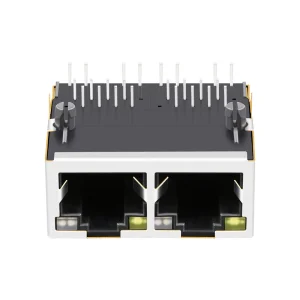
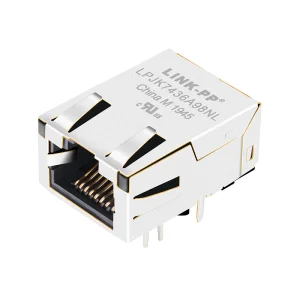
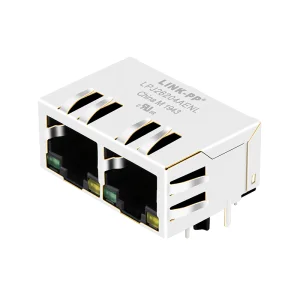
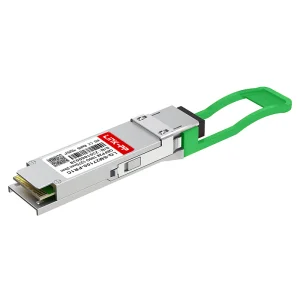
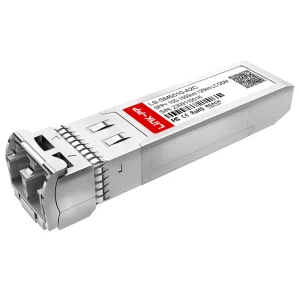
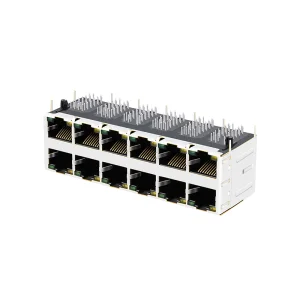
In the era of hyper-scale computing, industrial automation, and high-frequency communication infrastructures, the reliability of physical interconnect systems has become paramount. An RJ45 connector is no longer considered a simple commodity but rather a high-frequency signal integrity critical node in structured cabling installations. OptiLinker Optoelectronics Co., Ltd. (OptiLinker) stands at the forefront of this technology curve, blending deep manufacturing expertise with global distribution to resolve complex data transmission and connectivity challenges.
Founded in 2016 and powered by more than 12 years of industry research and development, OptiLinker operates a specialized technological facility. Through strategic integration and an elite engineering network, we specialize in high-reliability components for networks requiring robust electromagnetic interference (EMI) management and low insertion loss.
In the past calendar year, OptiLinker reached an annual export revenue of USD 12 million, with critical infrastructure networks across North America, Europe, Southeast Asia, and the Middle East relying on our component shipments. With 60 experienced optical and physical-layer engineers and 35 dedicated QC professionals, we consistently support complex OEM/ODM projects while launching over 120 new products annually.
For modern hardware sourcing managers and systems engineers, purchasing RJ45 connector kits and modular transceiver enclosures is a process fraught with operational challenges. Standard mass-market connectors fail to meet the rigorous physical layer standards demanded by automated factories, cloud computing facilities, and harsh telecom sites. Sourcing managers generally face four fundamental bottlenecks:
Unshielded or poorly grounded connectors lead to packet drops, localized heating, and cross-talk in multi-port structures. Enterprise buyers require robust metal shielding and integrated magnetic filters (Magjacks) to suppress common-mode noise and maintain compliance with FCC Part 15 and CISPR 22 standards.
Ensuring absolute compliance with registered jack standards (such as FCC Part 68 and IEC 60603-7) is crucial. A micro-deviation of 0.05mm in physical pin alignments or cage dimensions can prevent optimal seating of SFP transceivers or cause intermittent connection drops during system vibration.
Industrial applications subject connection points to wide temperature fluctuations (-40°C to +85°C) and mechanical stresses. Connectors must withstand at least 750 mating cycles, utilize robust contact plating (typically 30µ" to 50µ" gold over nickel), and utilize high-temp LCP or PBT plastics to survive wave-soldering processes.
To overcome these sourcing difficulties, companies rely on suppliers that provide complete data transparency, 3D CAD modeling support, pre-shipment validation records, and clear trace-ability. OptiLinker directly addresses these points by offering full parameter test reports, detailed technical datasheets, and direct engineering consultations before purchase order execution.
RJ45 connector kits and optical cages form the physical backbone of the communication pipelines that route global data. Different vertical markets require highly distinct performance architectures:
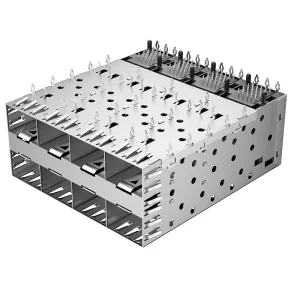
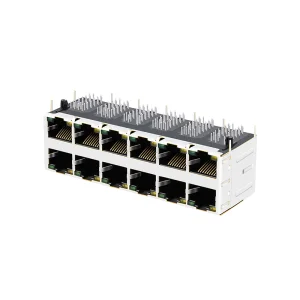
In high-density server environments, space on the motherboard is highly constrained. Stacked multi-port RJ45 connectors (such as 2x4, 2x6, or 2x8 port configurations) combined with integrated SFP+ optical enclosures allow systems designers to maximize I/O density. SFP cages with press-fit pins and integrated heat sinks ensure optimal thermal dissipation in active transceivers operating under constant 10G to 100G loads.
Heavy machinery and motor drives generate massive electromagnetic noise. For these environments, magnetic RJ45 connectors (Magjacks) incorporating integrated isolation transformers, choke coils, and decoupling capacitors are mandatory. These units filter high-frequency noise and protect sensitive PHY chips from electrostatic discharge (ESD) and electrical fast transients (EFT).
Power-over-Ethernet (PoE, PoE+, and PoE++) delivers up to 90W of electrical energy alongside Gigabit Ethernet data. OptiLinker's RJ45 magnetic modules are built using specialized magnetic cores and heavy-gauge wire windings to handle increased currents without saturation, preventing thermal degradation in IP cameras, wireless access points, and smart lighting controls.
Selecting the correct RJ45 or optical transceiver layout requires looking beyond standard connector profiles. Below is an engineering comparison matrix designed to streamline selection for different network deployment types.
| Parameters | Standard RJ45 Jacks | Integrated Magnetic Jacks (Magjacks) | SFP / SFP+ Cages & Modules |
|---|---|---|---|
| Data Rate Support | 10 / 100 / 1000 Base-T (Cat5e / Cat6) | 100M / 1G / 2.5G / 5G / 10G Base-T | 1.25G up to 10G / 25G / 100G (Optical) |
| EMI Mitigation | External shielding panel contacts only | Internal common-mode chokes & isolation transformers | Fully enclosed metal EMI fingers & SMT grounding pins |
| Mounting Type | Through-Hole Technology (THT) / SMT | Through-Hole Press-Fit / Tab-Down/Up | Press-Fit (Elastic pins) & Right-Angle SMT |
| Isolation Protection | None (Requires external transformer on PCB) | Minimum 1500 VAC isolation (HIPOT) | Electrical-Optical isolation (inherent) |
| PoE Compatibility | Depends on external PCB layout | Optional (Supports IEEE 802.3af/at/bt up to 90W) | Not applicable (Optical transmission only) |
| Common Usage | Consumer routers, network switches, PCs | Industrial hubs, enterprise routers, IIoT systems | Core network switches, data centers, telecom towers |
In high-speed physical layers, even minor impedance mismatches create signal reflections. This return loss degrades the overall Signal-to-Noise Ratio (SNR) and limits cable reach. Our engineering team continuously refines manufacturing processes to control these parameters:
Using progressive stamping dies and fully automated insertion machines, we guarantee contacts maintain uniform coplanarity within 0.1mm. This ensures consistent mating force, low contact resistance (<20 mΩ), and prevents damage to gold plating during mating cycles.
Our magnetic RJ45 modules feature hand-wound toroidal cores. The winding density is calculated using modeling software to match characteristic differential impedance (typically 100Ω) perfectly, reducing Insertion Loss and Cross-talk (NEXT & FEXT) across the entire operating spectrum.
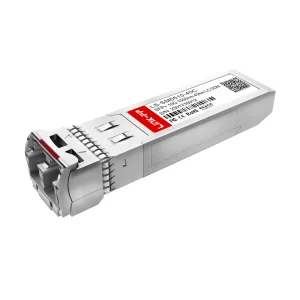
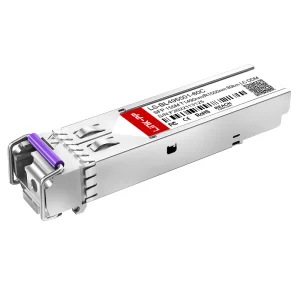
For high-frequency optical transceivers, OptiLinker tests every module via multi-channel digital sampling oscilloscopes. We analyze the Optical Eye Diagram parameters, verifying eye width, height, and jitter margin are well within IEEE 802.3 specifications, preventing data corruption over long transmission runs.
To ensure robust mechanical installation, our SFP cages use a press-fit tail layout (e.g., 2x4 and 2x2 configurations). This solderless assembly method simplifies PCB population, eliminates thermal shock to surrounding board components, and provides a low-resistance path to the system chassis ground.
As industry shifts from 10G/40G architectures toward 100G, 400G, and 800G, the role of connector interfaces is undergoing a major evolution. Copper remains vital for short-reach and localized connections due to its low deployment cost and compatibility with existing infrastructure. Future innovations focus on three main areas:
In IIoT and automotive systems, SPE (IEEE 802.3cg/ch) is replacing standard multi-pair cabling. SPE allows thin, lightweight, two-wire connections to transmit up to 1Gbps. OptiLinker is developing specialized micro-connectors to support this trend, reducing connection weight and space by up to 50%.
As transmission frequencies increase, standard passive cages are being replaced by smart versions with integrated thermal sensors and electromagnetic gaskets. These active setups provide real-time monitoring of insertion temperature and module state, protecting key server components.
Eco-friendly manufacturing is shifting from a nice-to-have to a core regulatory requirement. Our product development pipeline prioritizes halogen-free plastics, lead-free soldering processes, and circular sourcing programs for metal shields to help enterprise partners meet environmental targets.
For international supply chain managers, product quality is only half the battle. Delivering components on time while meeting regional regulations is equally critical. OptiLinker maintains strict compliance frameworks to ensure smooth clearance and deployment:
Technical answers to common questions about selecting and deploying RJ45 connectors and optical components.
A standard RJ45 jack contains only mechanical copper contacts. It requires external isolation transformers and filter circuits on the PCB to function. A Magnetic RJ45 Jack (Magjack) integrates these transformers, chokes, and capacitors directly inside the connector housing. This saves board space, improves EMI shielding, and simplifies signal routing.
We use advanced software validation. Our laboratory maintains a range of switches and routers from brands like Cisco, Juniper, Huawei, and HP. We flash the transceiver EEPROM with vendor-specific firmware codes, verifying compatibility and link performance before shipping.
For high-vibration systems, Through-Hole Technology (THT) or Press-Fit connectors are preferred over standard Surface Mount Technology (SMT). THT solder joints offer strong physical anchoring, while elastic Press-Fit pins expand inside the plated-through holes, providing excellent mechanical hold and contact reliability.
PoE performance depends on contact plating thickness and transformer wire sizing. Current-carrying lines can heat up, causing core saturation or signal issues. OptiLinker utilizes high-grade magnetic cores and thicker internal wiring to handle up to 90W (PoE++ / Type 4) safely across wide temperature ranges.
Explore additional high-performance solutions including right-angle press-fit cages, multi-port stacked jacks, and optical transceivers.
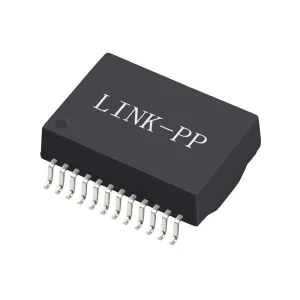
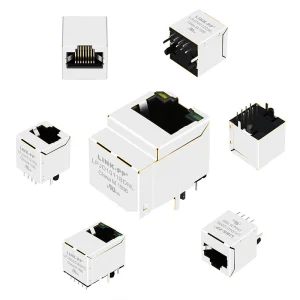
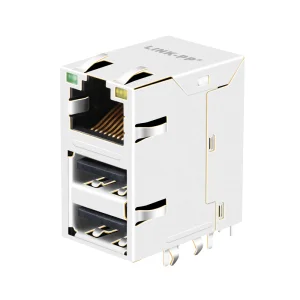
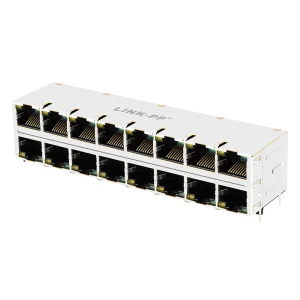
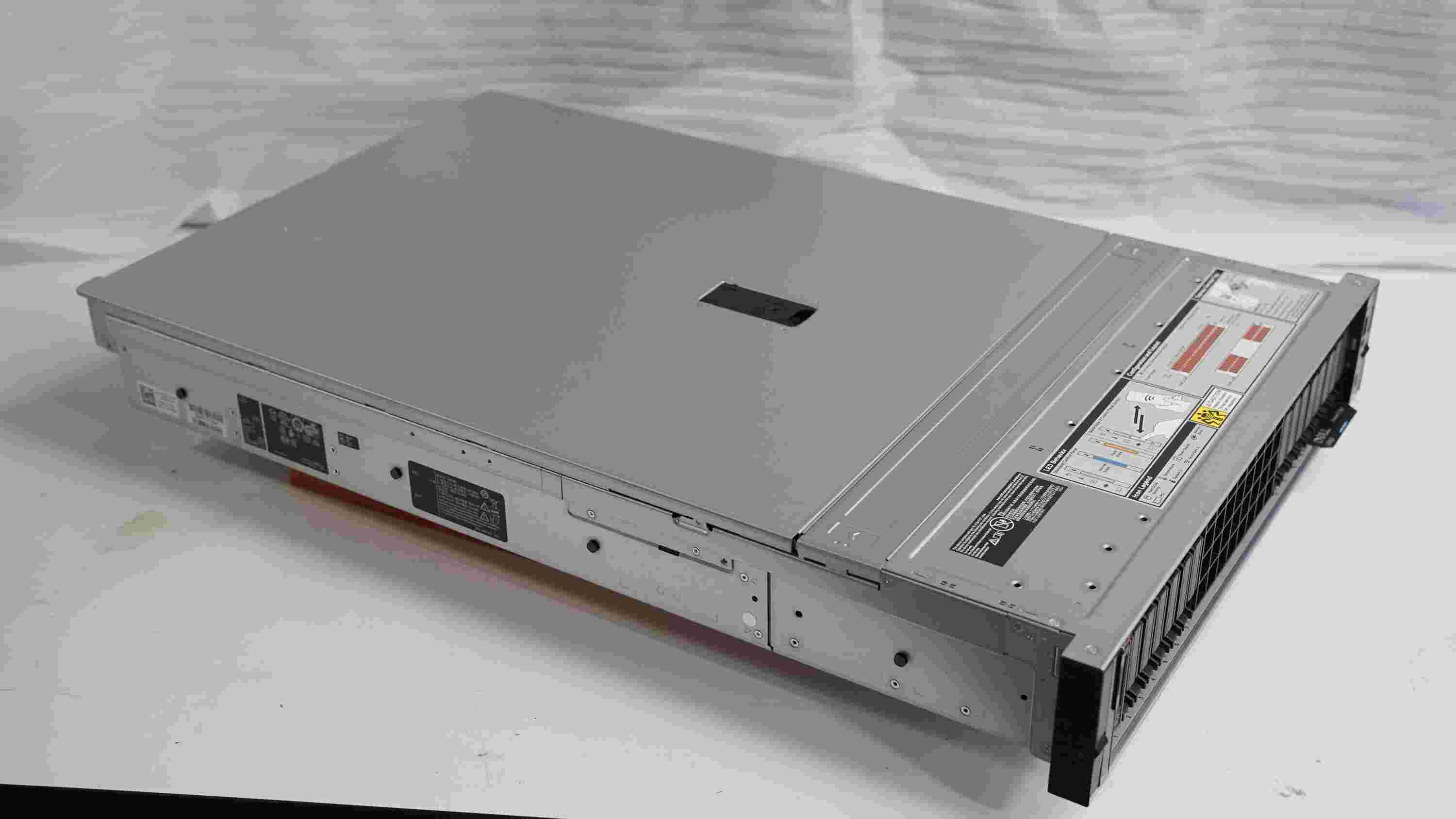
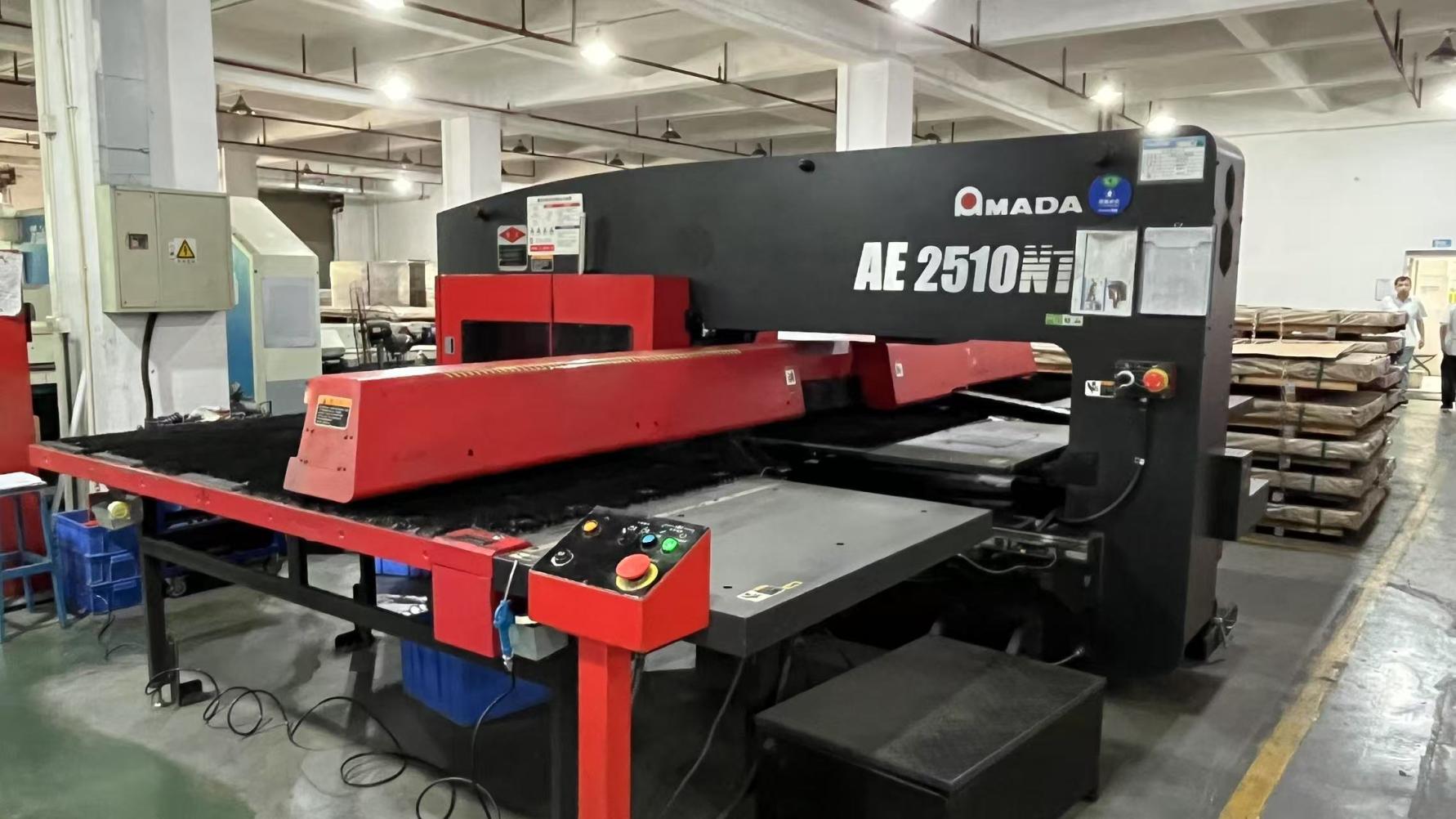
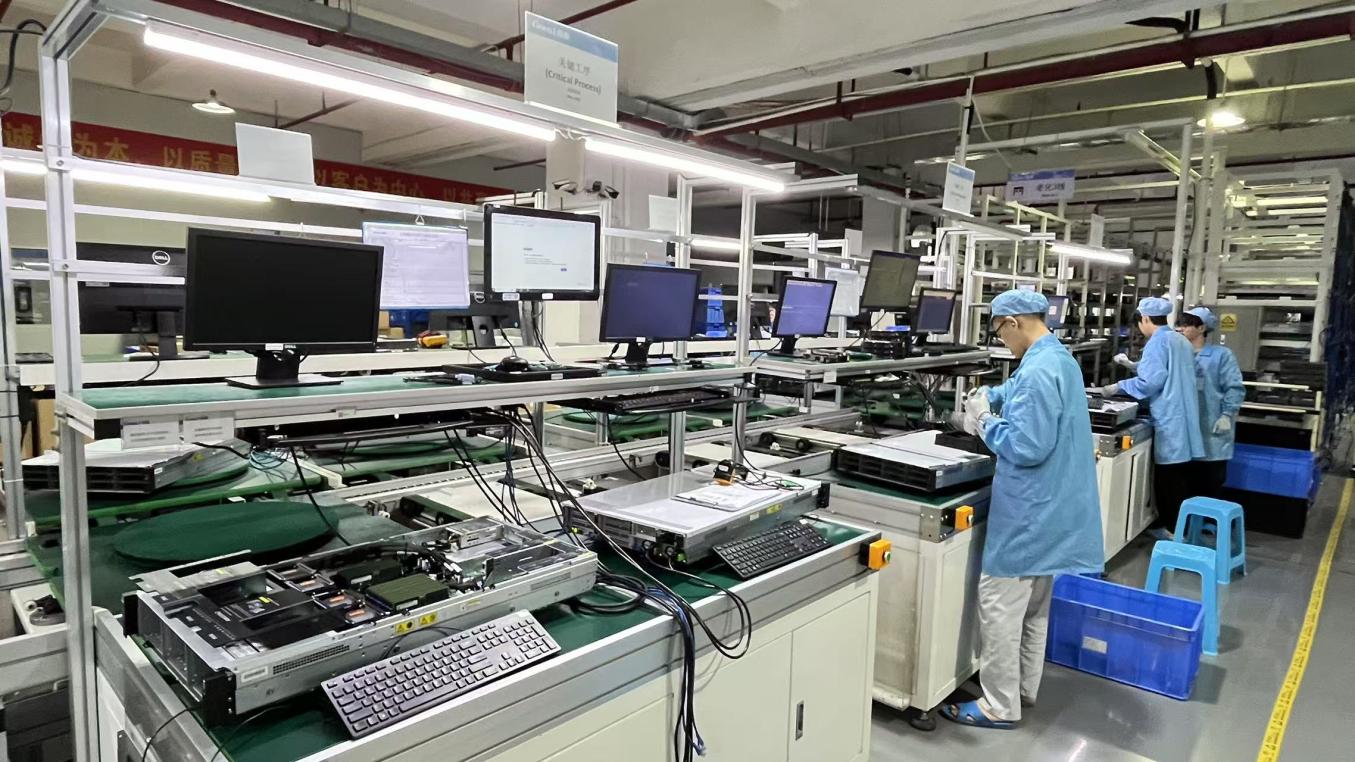
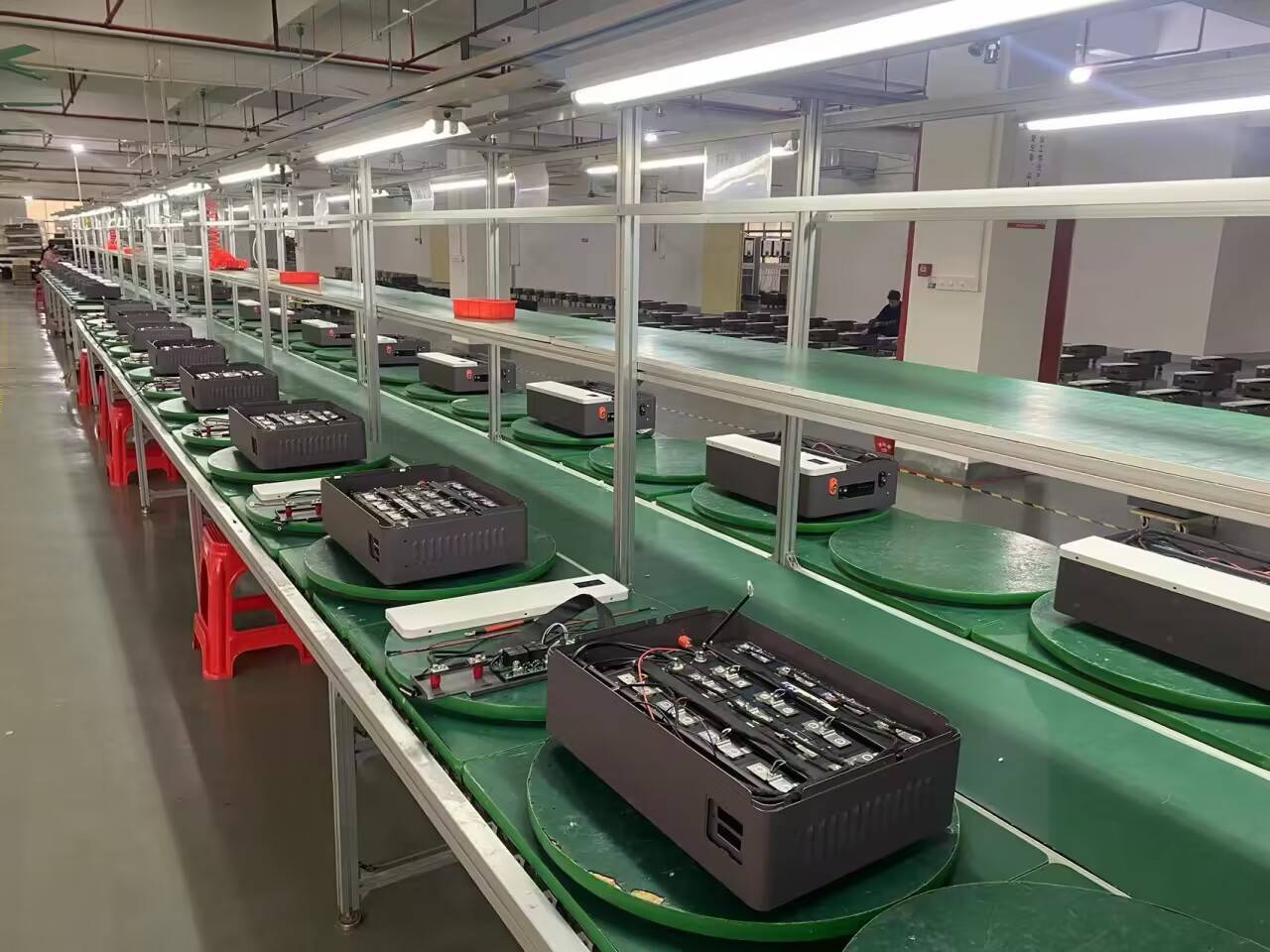
Our production facilities utilize modern manufacturing practices to deliver high reliability and steady output. Below are real-world views of our optical device assembly, high-precision inspection lines, warehousing, and testing operations:
For more details on our products, customization services, or to request a quote, please visit our brand portal at www.optilinkertrans.com.