OptiLinker
OptiLinker
OptiLinker
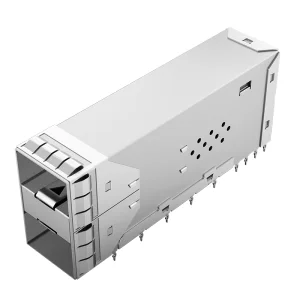
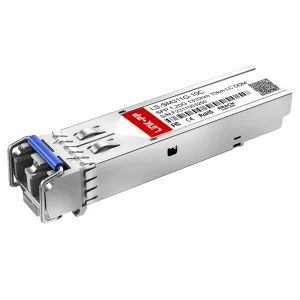
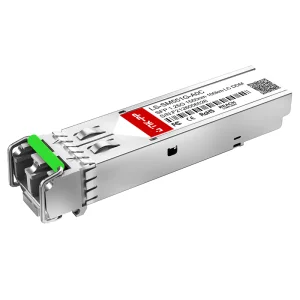
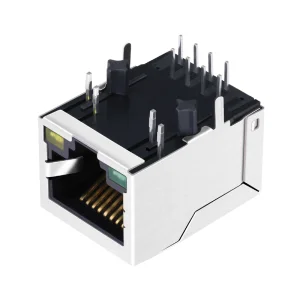
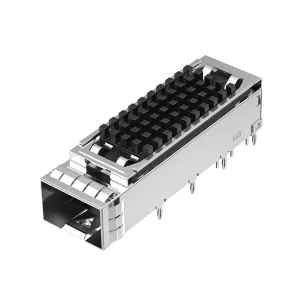
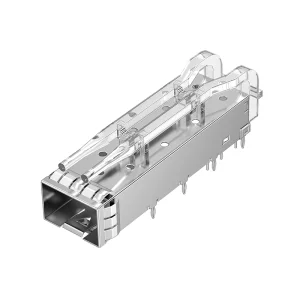
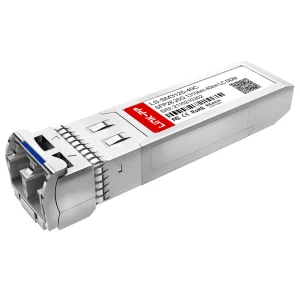
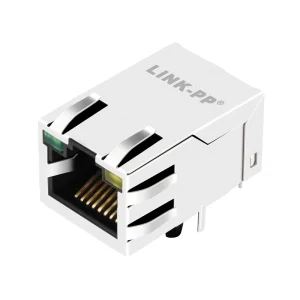
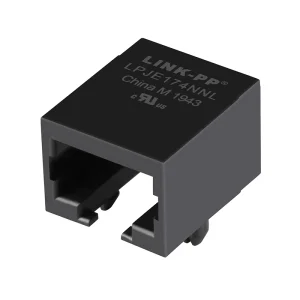
Explore our elite selection of high-speed optical transceivers, shielded modular jacks, and interface modules designed for high-density physical layer setups.
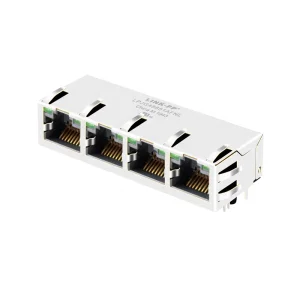
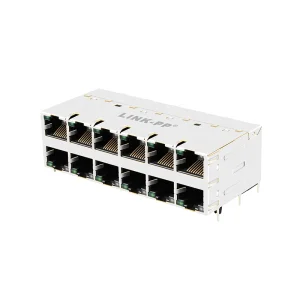
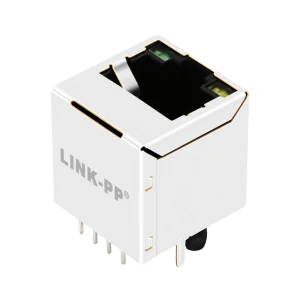
In the modern era of hyperscale cloud infrastructures, multi-gigabit campus architectures, and Industrial Internet of Things (IIoT) platforms, physical layer connectivity is the core foundation of network reliability. Among all components, the RJ45 Patch Panel serves as the central point of coordination between distribution switches, end-point nodes, and network trunks.
Selecting a top-tier RJ45 patch panel supplier and exporter requires a deep understanding of standard compliances, mechanical engineering, electrical shielding, and high-frequency signal characteristics. This whitepaper provides a comprehensive architectural guide for telecommunication procurement professionals, hardware engineers, and enterprise installers seeking robust and reliable cabling products.
In PoE++ applications (IEEE 802.3bt Type 4), up to 100W of DC power is transmitted over structural category cabling. Unmating connectors under load generates microscopic electric arcs that degrade the gold contact finish over time. High-performance RJ45 interfaces must feature a minimum of 50 micro-inches of gold plating and meet compliance standards such as IEC 60512-99-002 to prevent contact degradation.
The global network infrastructure landscape is shifting toward higher densities and higher bandwidths. RJ45 patch panels are evolving to keep pace with these trends:
| Category | Max Frequency | Maximum Speed | Standard Distance | Primary Applications |
|---|---|---|---|---|
| Category 6 (Cat6) | 250 MHz | 1 Gbps (10G at 37-55m) | 100 meters | Enterprise LAN, Gigabit PoE |
| Category 6A (Cat6A) | 500 MHz | 10 Gbps | 100 meters | Hyperscale Storage, PoE++ Nodes |
| Category 8 (Cat8) | 2000 MHz | 25 / 40 Gbps | 30 meters | Data Center Switch-to-Server connections |
Procurement teams do not look at physical hardware in isolation; they assess Total Cost of Ownership (TCO), supply chain reliability, and localized compliance certifications. When importing RJ45 connections and patch panels, several factor matrices must be satisfied:
Compliance and Certifications: UL94V-0 flammability ratings for plastics, RoHS compliance for ecological impact, and ETL/Delta verification of category-level performance are crucial. Uncertified components can lead to legal issues and increased safety hazards.
Electromagnetic Shielding Options: Sourcing managers must evaluate whether installations require UTP (Unshielded Twisted Pair) or FTP/STP (Foiled/Shielded Twisted Pair). In environments with heavy EMI (such as smart factories or co-located power systems), shielded patch panels with dedicated grounding bars are essential for signal reliability.
Harnessing automated fabrication lines, precision tooling, and comprehensive quality assurance protocols to secure global supply chains.
By shifting to automated insert-molding, automated PIN-insertion, and precise solder reflow, modern factories maintain dimensional tolerances within microns.
Direct supply integrations with copper refineries and advanced polymer compounding plants insulate global buyers from localized market price spikes.
Multilateral logistical hubs, pre-allocated raw material reserves, and robust export clearing partnerships enable reliable, on-time global supply chains.
China's manufacturing sector has transitioned from simple physical assembly to high-precision engineering. Advanced factories utilize **Automated Optical Inspection (AOI)** and robotic assembly cells to guarantee that every contact patch, shielding shell, and keystone lock tab is produced to strict specifications.
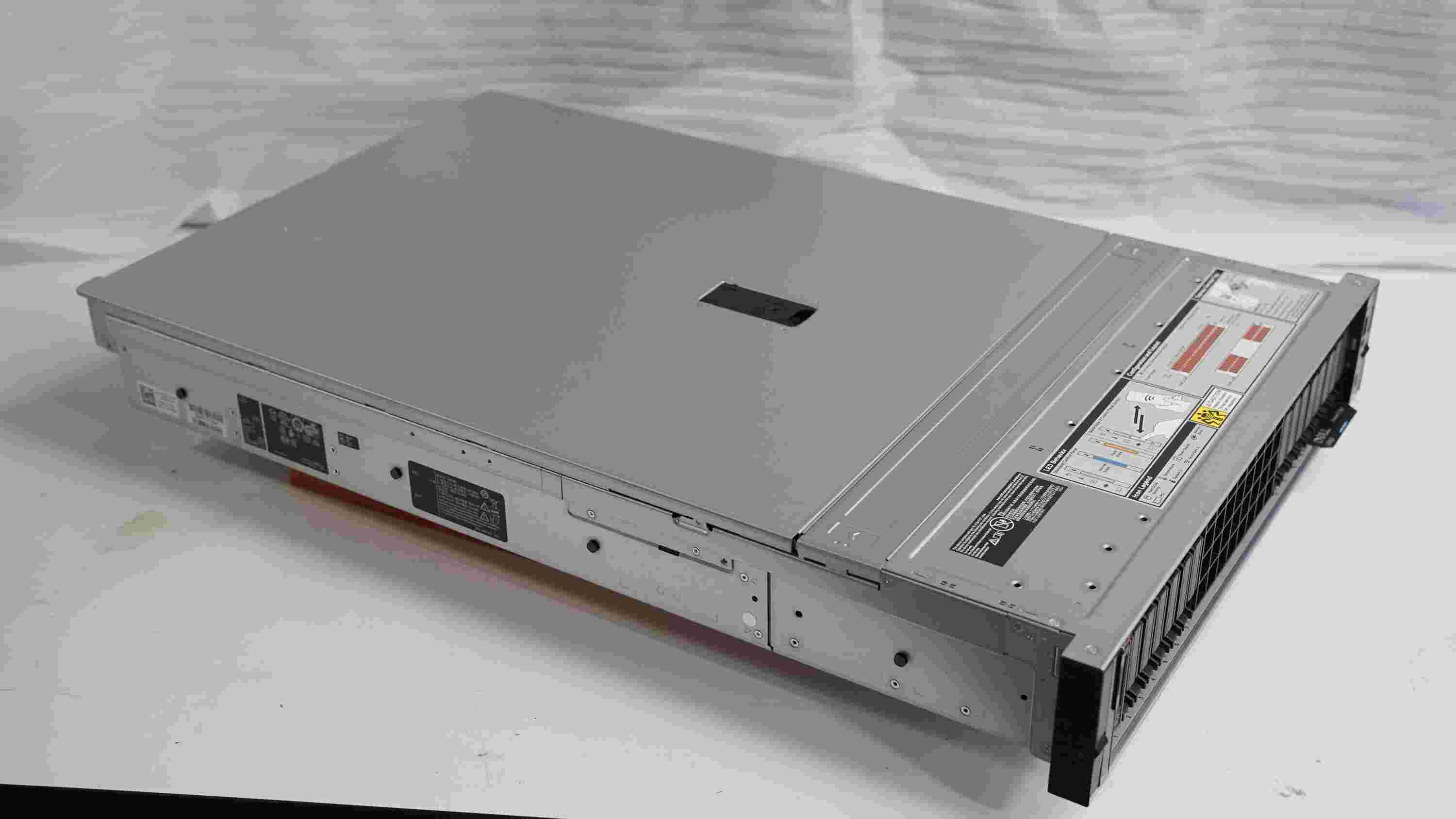

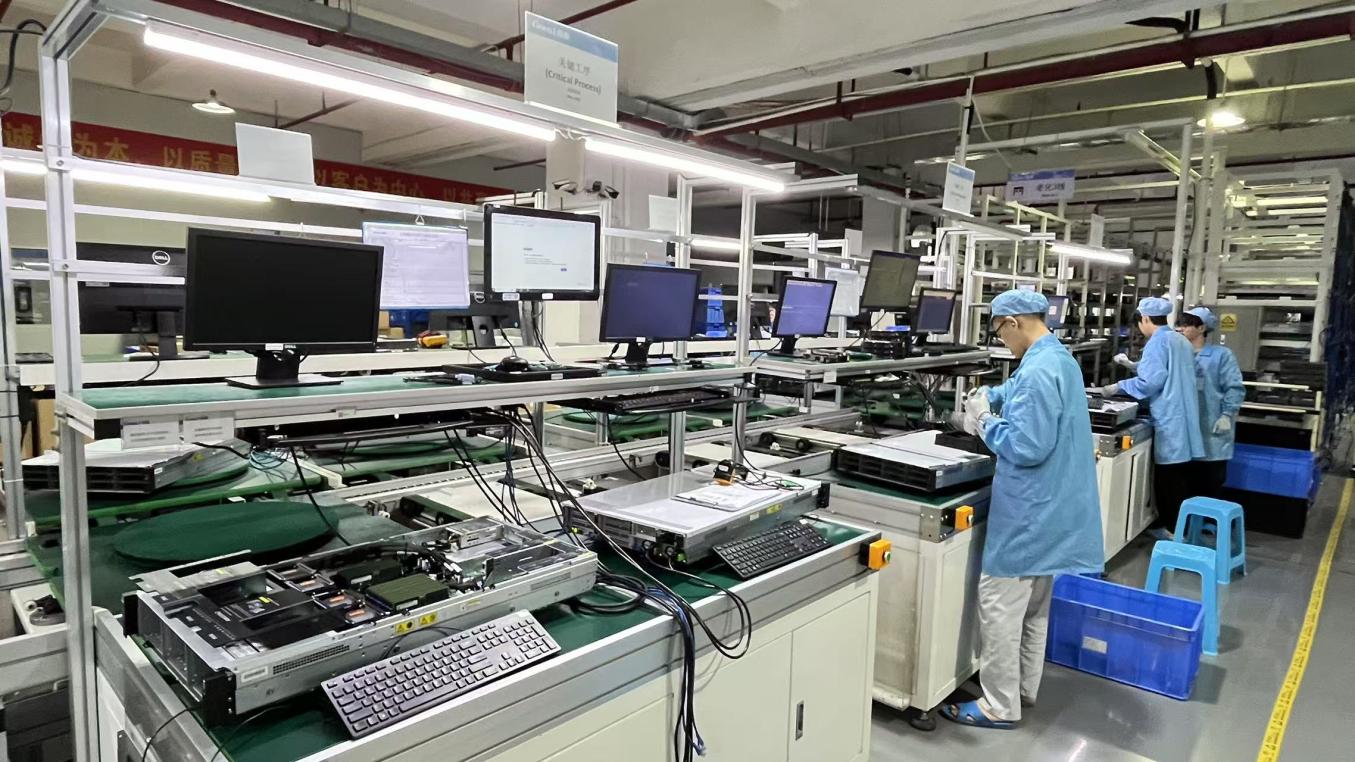
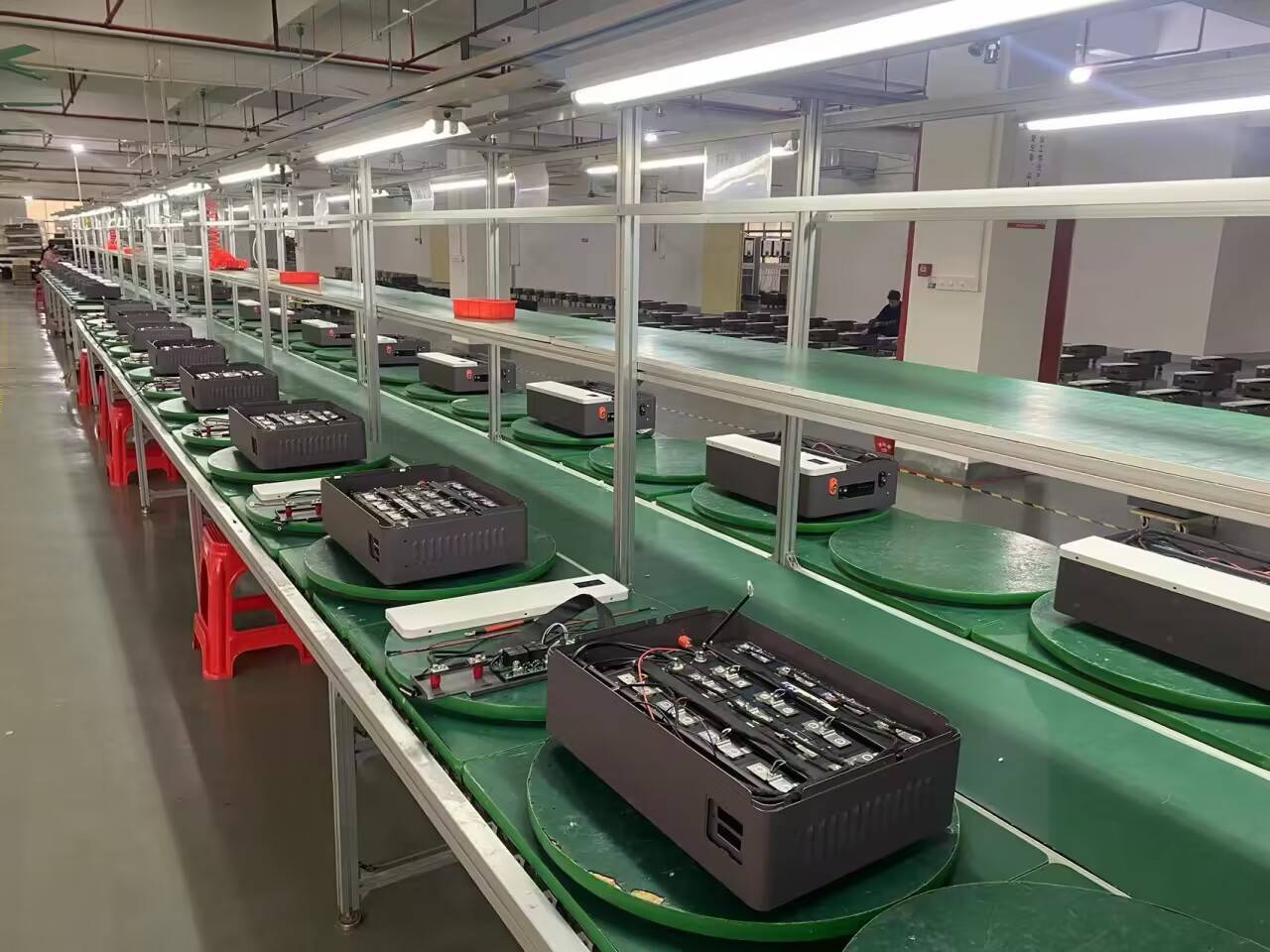
A Professional Optical Transceiver Manufacturer & Solutions Provider
OptiLinker Optoelectronics Co., Ltd. (OptiLinker) is a professional optical transceiver manufacturer and solution provider under the brand OptiLinker (www.optilinkertrans.com), specializing in high-speed optical communication modules for global data center and telecom applications.
Founded in 2016, OptiLinker operates a modern production facility with a total building area of approximately 320㎡. With continuous development in optical communication technology, the company has accumulated over 12 years of industry experience and approximately 8 years of export experience.
In the past year, OptiLinker achieved an annual export revenue of around USD 12 million, serving customers across North America, Europe, Southeast Asia, and the Middle East. The company maintains a strong global B2B trade background, focusing on OEM/ODM partnerships with network infrastructure providers.
Quality assurance is a core focus at OptiLinker. The company implements 100% incoming material inspection, AOI automated optical inspection, and full optical performance testing. Product verification includes BER testing, eye diagram analysis, and high/low temperature cycling tests, ensuring stable performance under demanding network environments. The quality control team consists of 35 dedicated QC professionals.
OptiLinker collaborates with a global supply chain network of approximately 850 partners, enabling efficient sourcing and stable production capacity. Its main customer base includes telecom operators, data centers, system integrators, and networking equipment manufacturers.
The company has strong R&D capabilities, supported by a team of 60 experienced optical engineers. Its engineering team specializes in high-speed optical design, signal integrity optimization, and protocol compatibility development. OptiLinker offers flexible customization options including wavelength tuning, transmission distance, packaging form factors, firmware coding, and device compatibility programming.
In the last year alone, OptiLinker launched approximately 120 new optical transceiver products, reflecting its continuous innovation and rapid response to market demand.
Driven by innovation and reliability, OptiLinker is committed to delivering high-performance optical connectivity solutions for the global digital infrastructure market.
How top-tier RJ45 patch panels and high-speed modular links optimize performance in different network environments.
Using high-density shielded patch panels alongside SFP+ transceiver modules enables high-efficiency copper and single-mode fiber trunk setups inside core database cabinets.
Factory environments require shielded RJ45 modules to block electromagnetic interference (EMI) generated by heavy machinery, preserving data integrity across conveyor networks.
Multi-story offices leverage modular, unpopulated keystone panels. This design simplifies future upgrades from Cat6 to Cat6A without requiring full cabling infrastructure overhauls.
Addressing the technical, operational, and purchasing considerations for global sourcing professionals.
Complete your deployment with high-reliability hardware from OptiLinker’s export product lineup.