OptiLinker OptiLinker

Top 10 RJ45 High Density Connector Supplier & Exporters

A Deep Dive into Global Procurement Trends, China Manufacturing Efficiency, and Industrial-Grade Connectivity Standards.

Global Commercial & Industrial Landscape of RJ45 High-Density Connectors

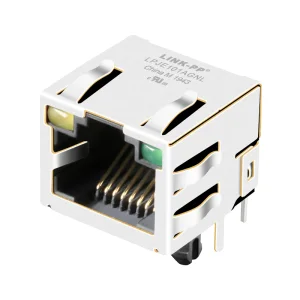
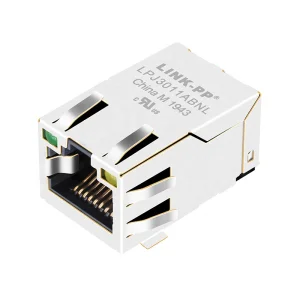
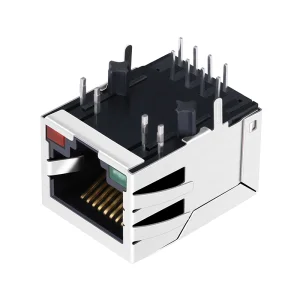
In the era of hyper-scale computing, 5G deployments, and Industrial IoT (IIoT), the physical layer of networking infrastructures is undergoing a monumental evolution. The traditional RJ45 connector, long recognized as the backbone of Ethernet communications, has adapted to meet the stringent space limitations of modern server chassis, network switches, and edge computing nodes. High-density RJ45 connectors represent a vital technology that optimizes panel space, minimizes electromagnetic interference (EMI), and maintains signal integrity at frequencies exceeding 250 MHz for Category 6 (Cat6) and Category 6a (Cat6a) systems.

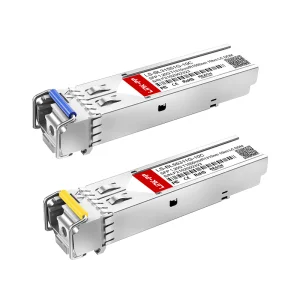
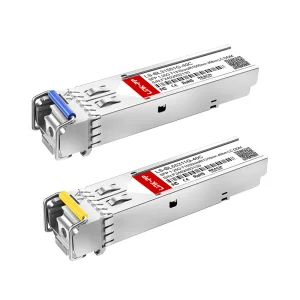
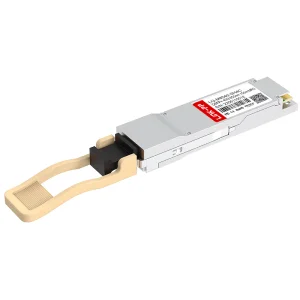
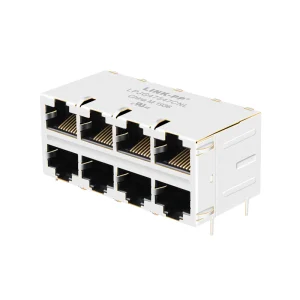
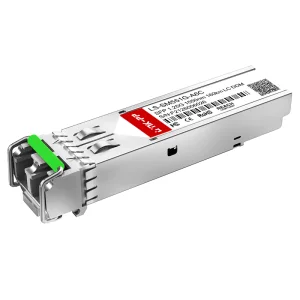
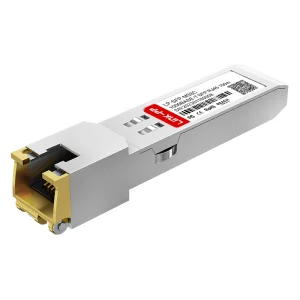
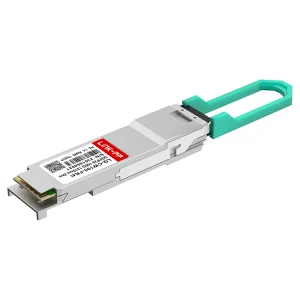
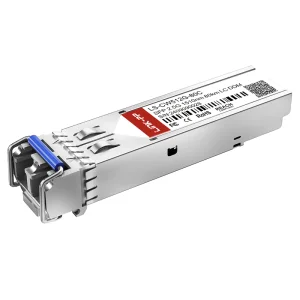
Historically, network switches relied on individual discrete connectors, which occupied substantial board space. Today, the integration of Integrated Connector Modules (ICMs), stacked configurations (such as 2x4, 2x6, and 2x8 ports), and magnetic shielding has enabled hardware engineers to double or triple port density. The global demand for these components is driven by the expansion of cloud data centers and the transition from 1GbE/10GbE network interfaces to higher-speed hybrid connections, where high-density RJ45 copper ports interface alongside optical transceivers (SFP, QSFP).

Information Gain Concept: High-density is not merely a measure of physical dimensions. True performance density is determined by the connector's ability to maintain high Signal-to-Noise Ratios (SNR) and mitigate Near-End Crosstalk (NEXT) in clustered configurations where pins are located less than 2mm apart.

China's Manufacturing Synergy & Industrial Advantages

The manufacturing ecosystem in China has evolved from high-volume assembly to advanced precision engineering, making it a critical supplier base for global networking companies. Key competitive advantages include:

  • Integrated Supply Chain Clusters: Located primarily in southern coastal provinces, Chinese manufacturing hubs provide immediate access to high-purity phosphor bronze raw material, high-precision stamping facilities, and specialized plastic injection molding providers. This proximity minimizes logistical lead times and accelerates product prototyping.
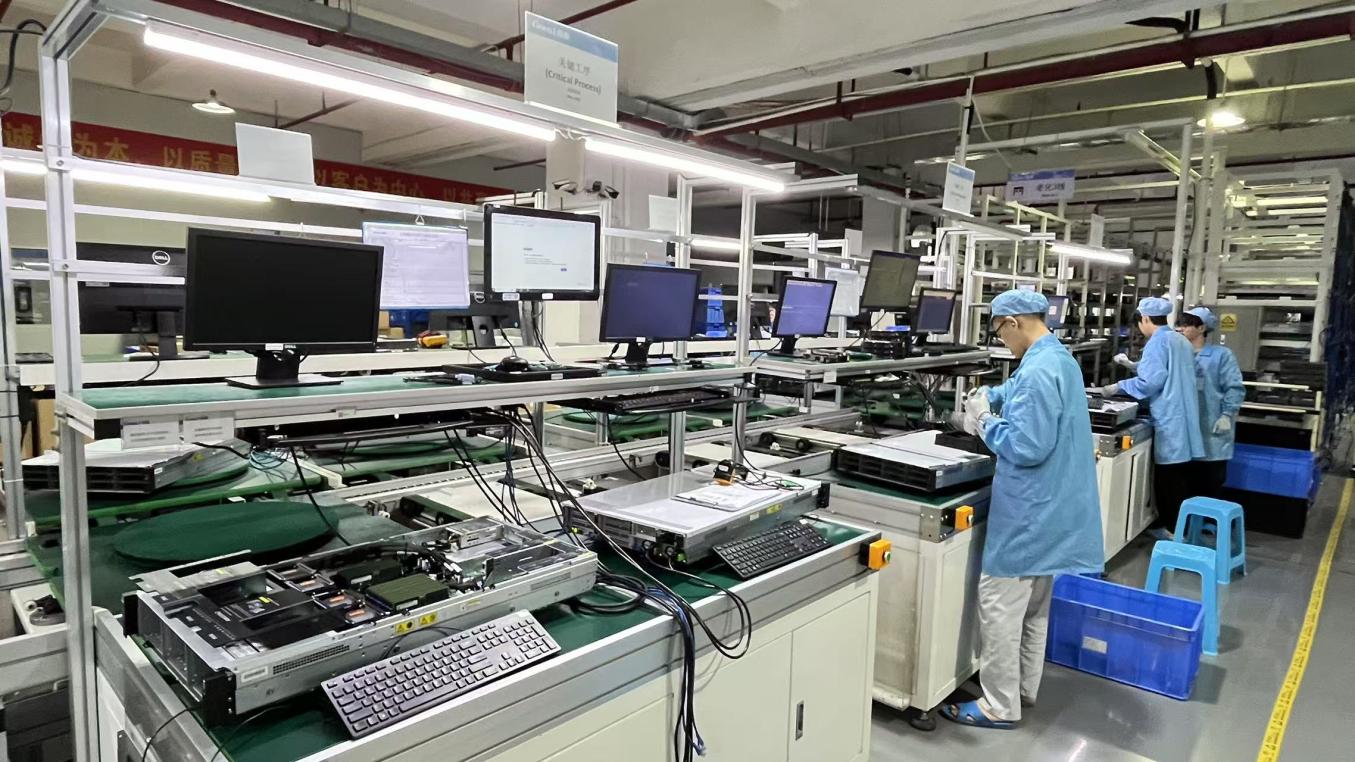
  • Advanced Automation & Quality Controls: China's leading factories leverage automated assembly lines equipped with Automated Optical Inspection (AOI) and real-time coplanarity testers. The critical nature of pin alignment and gold-plating thickness (varying from gold flash to 50 micro-inches of nickel-underplated gold) is monitored systematically.
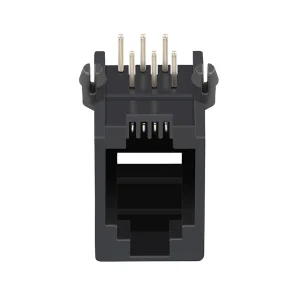
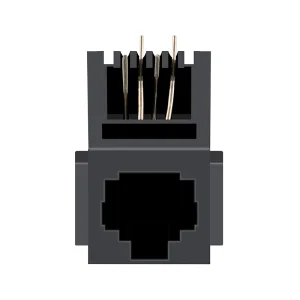
  • Customization Agility (OEM/ODM): Unlike rigid global distributors, Chinese manufacturers offer customized layout configurations, LED colors, and pin definitions (e.g., customized tab-up or tab-down designs with specific magnetics parameters) directly matching customized motherboard layouts.
EMI Mitigation & Shielding

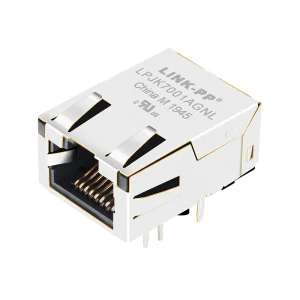
High-density environments are highly susceptible to crosstalk. Advanced internal metal shielding and ground-pin locations ensure minimum external interference and robust electrostatic discharge (ESD) protection.

SMT Reflow Assembly

Surface Mount Technology (SMT) enables automated pick-and-place assembly, reducing manual soldering flaws, optimizing thermal stability, and dramatically cutting overall system assembly times.

Rugged Industrial Adaptability

Equipped with thermal-resistant materials and robust locking mechanisms, our high-density connectors operate reliably within temperatures ranging from -40°C up to +85°C.

OptiLinker Optoelectronics: Empowering Next-Gen Connection

Founded in 2016, OptiLinker is a professional optical transceiver manufacturer and solution provider specializing in high-speed optical communication modules and robust physical connectivity solutions.

12+
Years Industry Exp
$12M
Annual Export Revenue
60+
Optical & R&D Engineers
850
Global Supply Partners
35
QC Specialists

Uncompromising Quality Control Framework

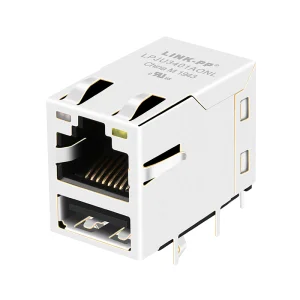
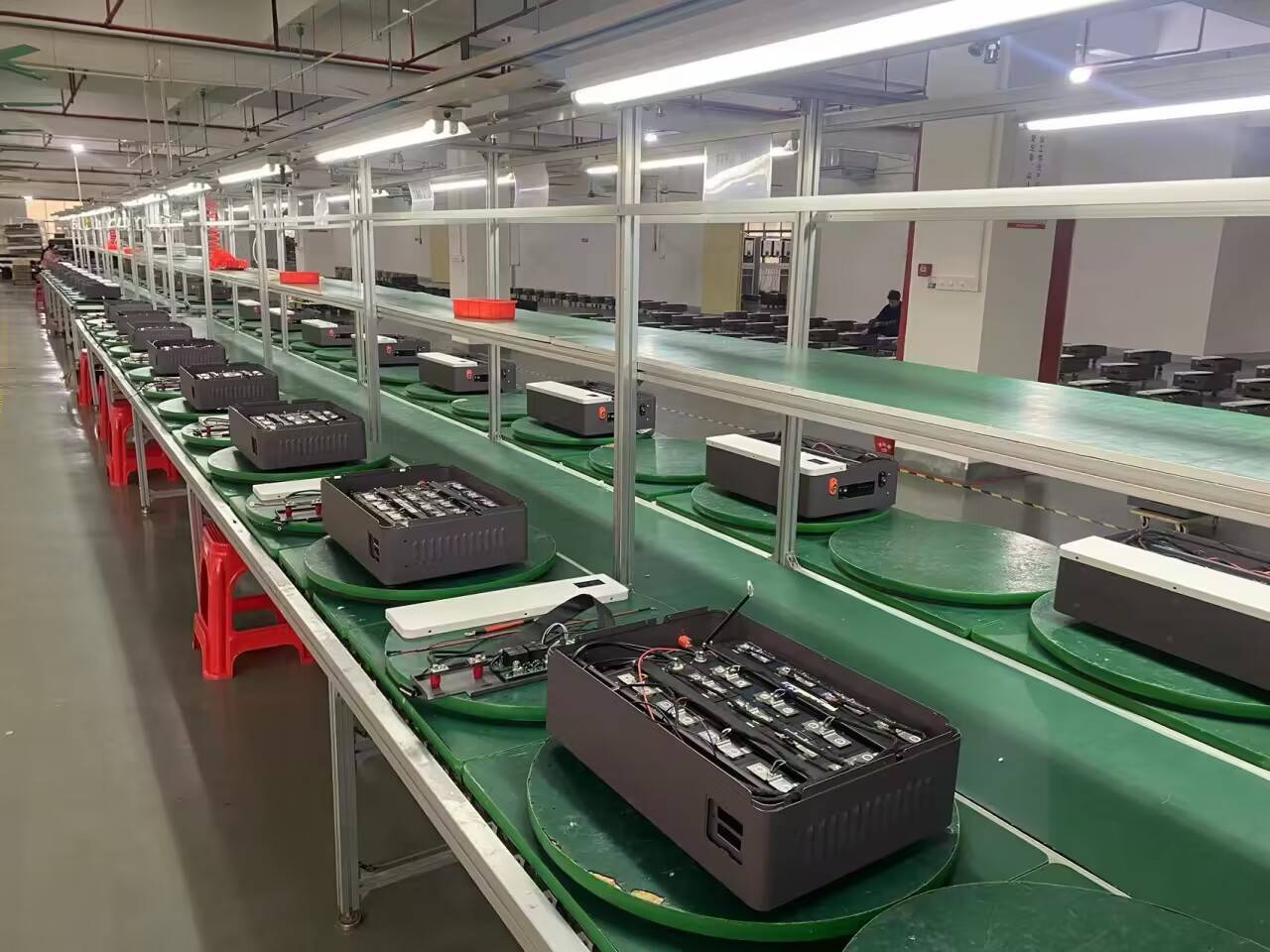
OptiLinker operates a modern production facility designed to meet stringent global standards. To maintain peak signal integrity, the facility executes a 100% incoming material inspection strategy, combined with advanced Automated Optical Inspection (AOI) systems. The verification process includes Bit Error Rate (BER) testing, eye diagram analysis, and extreme high/low temperature cycling tests. This ensures that every high-density connector, optical module, and integrated jack performs flawlessly under continuous load conditions.

Our collaborative reach spans North America, Europe, Southeast Asia, and the Middle East, offering custom parameters including wavelength tuning, transmission distances, packaging form factors, firmware coding, and device compatibility programming. In the past year alone, OptiLinker launched approximately 120 new products, proving our agility and rapid adaptability within the fast-changing telecommunications environment.

Localized Application Scenarios: Where High-Density Connectors Excel

The applications for high-density components span diverse physical and electrical configurations:

Data Center & Cloud Infrastructure

  • Top-of-Rack (ToR) Switches: Integrating 2x4 and 2x8 RJ45 stacked jacks with integrated magnetics to optimize space in 1U racks.
  • Blade Server Interfaces: Low-profile and SMT modular connectors reduce vertical spacing, enhancing airflow dynamics.
  • Structured Cabling Patch Panels: Facilitates high port densities to optimize optical-to-copper cable conversions.

Telecommunications & Industrial IoT

  • 5G Base Stations: High-density connectors shielded against environmental noise, operating under extreme external conditions.
  • Industrial Automation Controllers: Tab-up and tab-down side entry designs featuring robust latching systems to prevent vibration failures.
  • Smart City Edge Computing Nodes: Compact modular ports designed to support Power-over-Ethernet (PoE) configurations safely.

Future Development Trends in RJ45 High-Density Sourcing

Three primary vectors define the evolution of high-density interconnects:

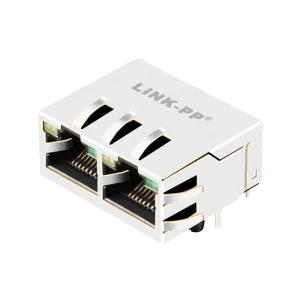
  1. Integrated Magnetics (PoE+ & PoE++): Integrating inductive components within the RJ45 housing (such as RJ45 MagJacks) to save up to 50% PCB space while supplying up to 90W of power directly to connected devices.
  2. SMT and Press-Fit Assembly: A move away from standard hand soldering toward reflow-capable surface mount configurations, dramatically lowering assembly failure rates.
  3. Enhanced EMI Attenuation: Advanced internal multi-point ground tabs ensure reliable shielding, preventing performance degradation in multi-port settings.

Frequently Asked Questions (FAQ)

Technical answers regarding RJ45 connector performance, module configurations, and manufacturing specifications.

What is the benefit of a "Tab Up" vs. "Tab Down" RJ45 configuration?

The latch alignment (tab up or tab down) dictates the physical layout on the system's PCB. Selecting the appropriate orientation is critical to prevent interference with components, ensure ease of insertion/extraction, and fit custom panel designs.

How does shielding protect against EMI in high-density port arrays?

High-density shielded RJ45 connectors feature a metallic casing that wraps around the housing, absorbing high-frequency electrical noise and directing it to ground. This is vital to preserve data integrity and prevent packet loss.

Does OptiLinker support customized connector options?

Yes. Our experienced engineering team offers extensive custom designs, including specialized LED indicators, specific integrated magnetic parameters, custom structural dimensions, and compatibility configurations.

What testing measures does OptiLinker implement for connectivity products?

All items go through a strict testing protocol, including 100% incoming inspection, Automated Optical Inspection (AOI), Bit Error Rate (BER) analysis, and high/low temperature cycling to guarantee long-term field reliability.