OptiLinker
OptiLinker
OptiLinker
Explore our leading industrial modules, connectors, and physical layer networking solutions.
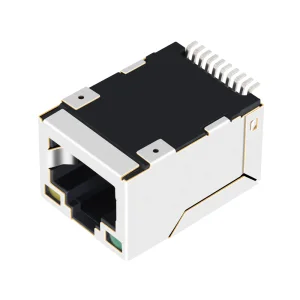
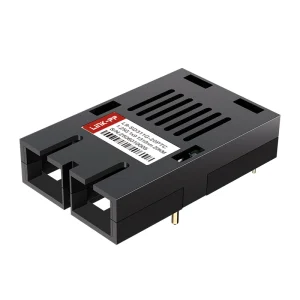
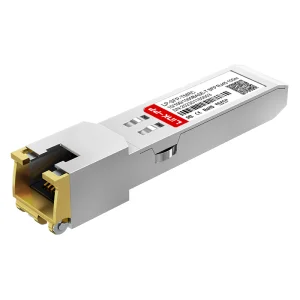
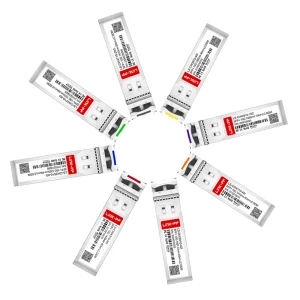
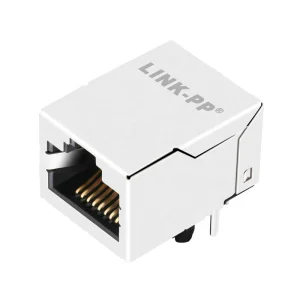
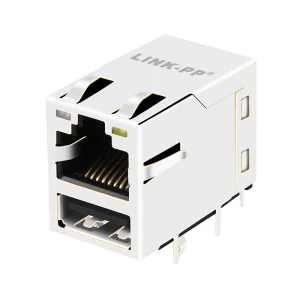
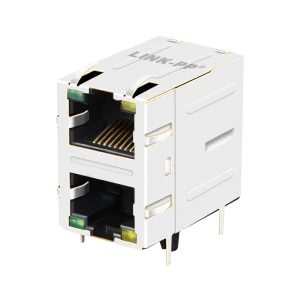
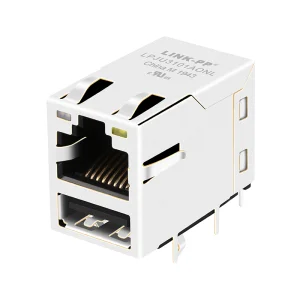
The global datacom and telecommunication infrastructure market relies heavily on physical layer interfaces to bridge local area networks (LANs) and high-speed core networks. The RJ45 (Registered Jack 45) connector remains the undisputed standard for copper-based Ethernet connections globally. Despite the growth of fiber optic networks, the convergence of copper and glass fibers is accelerating. Modern data center infrastructures, corporate enterprise networks, and industrial assembly floors rely on hybrid configurations that employ RJ45 copper connectors alongside SFP/QSFP optical modules.
From a global commercial standpoint, the demand for highly reliable RJ45 interfaces has escalated due to the exponential rise of Multi-Gigabit networks (2.5GBASE-T, 5GBASE-T, and 10GBASE-T). Today, network designers look for RJ45 connectors with integrated magnetics—commonly known as Magjacks—which combine the jack mechanical structure with passive noise filtering components (common-mode chokes and isolation transformers). This integration ensures signal integrity, mitigates Electro-Magnetic Interference (EMI), and provides critical electrical isolation that protects internal PHY (Physical Layer) semiconductor chips from transient voltage surges and ESD events.
Simultaneously, regional market requirements vary. In North American and European markets, strict building safety regulations command LSZH (Low Smoke Zero Halogen) cables mated to high-grade shielded RJ45 plugs to limit toxic gas emission during thermal events. Meanwhile, fast-developing industrial hubs in Southeast Asia and the Middle East are investing heavily in automated factories, requiring IP67 and IP68 waterproof RJ45 connector units. These industrial assemblies must operate reliably under mechanical stress, high temperatures, and constant exposure to dust and chemicals.
A trusted global partner for high-speed network components, certified manufacturing processes, and comprehensive OEM/ODM solutions.
Founded in 2016 and powered by more than 12 years of industry experience and 8 years of international export trade, OptiLinker is a professional manufacturer and optical transceiver solution provider under the brand OptiLinker (www.optilinkertrans.com). We specialize in high-speed optical communication modules and robust copper cabling components engineered for modern data centers and telecom applications.
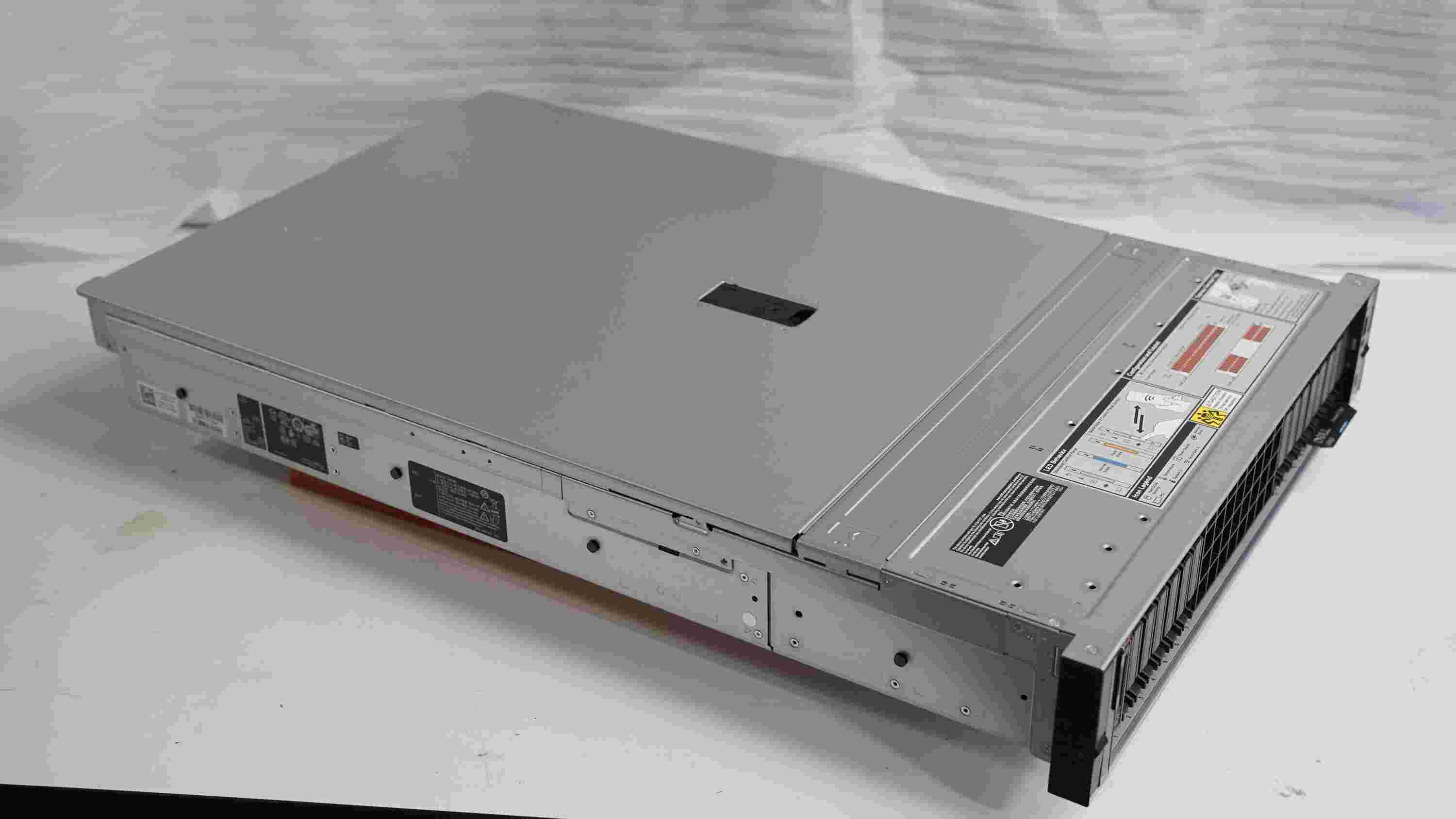
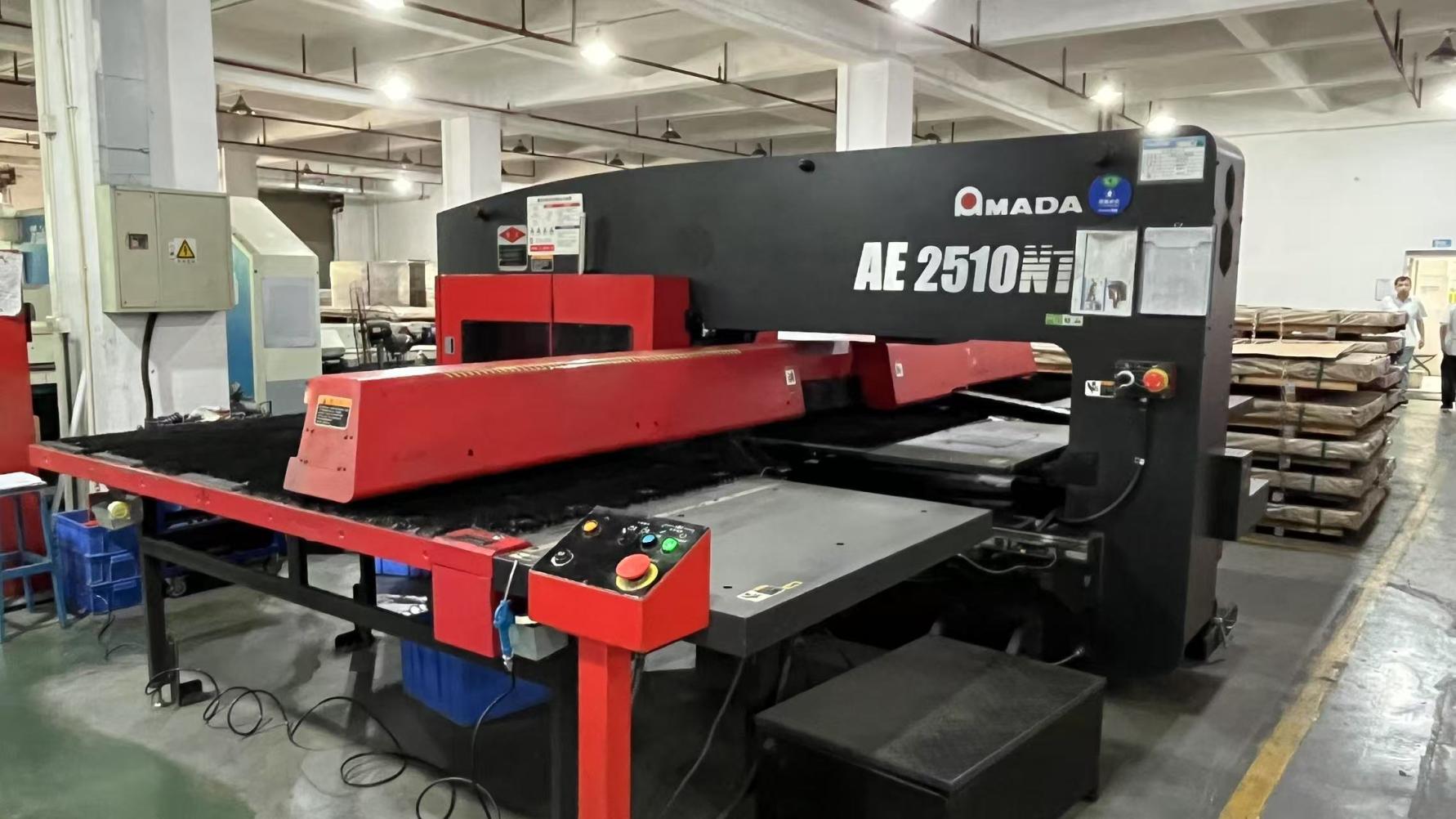
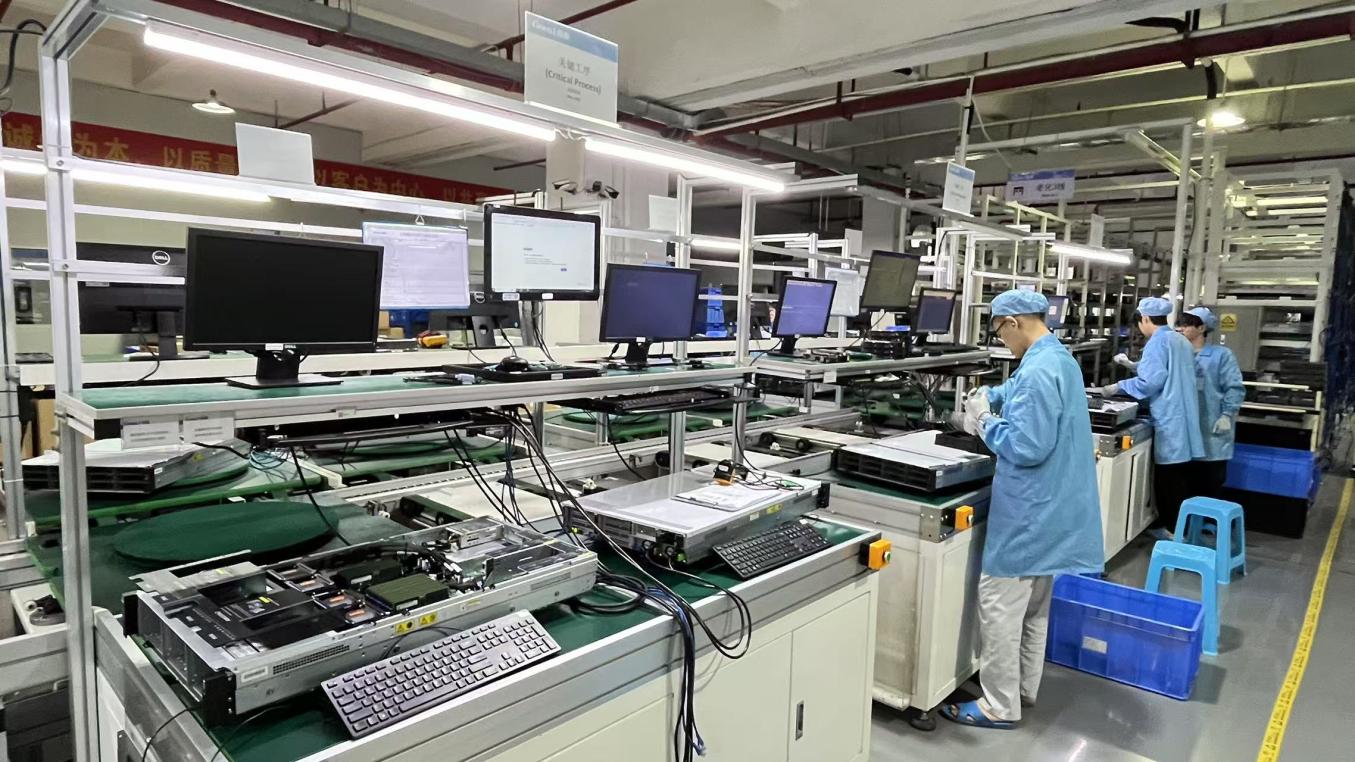
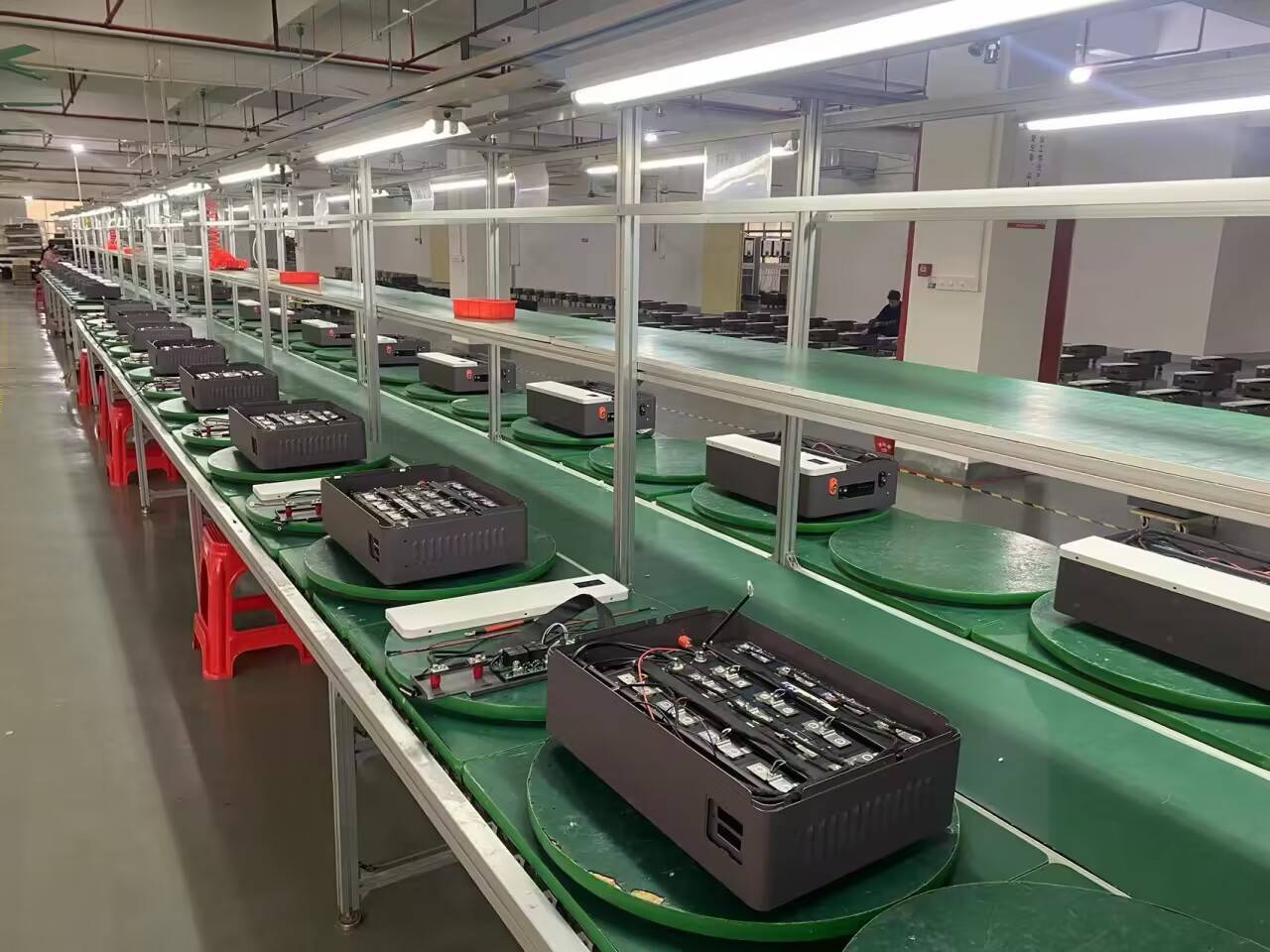
OptiLinker operates a modern production facility featuring a dedicated 320㎡ building area optimized for high-yield, high-precision assembly. By utilizing 100% incoming material inspection, Automated Optical Inspection (AOI), and comprehensive optical performance testing, we ensure our assemblies operate with superior reliability. Our verification processes include Bit Error Rate (BER) analysis, eye diagram measurements, and strict high/low-temperature thermal cycling tests (-40°C to +85°C).
With an extensive supply network of approximately 850 partners, we manage supply chains to deliver competitive lead times and component availability. Our product customizability ranges from wavelength tuning and transmission distance calibration to custom firmware encoding and multi-vendor device compatibility programming.
The evolutionary trajectory of copper and optical hardware designs engineered for high-bandwidth networks.
As networks adopt IEEE 802.3bt (PoE++ up to 90W), RJ45 pins experience increased thermal loads and potential electrical arcing. Future connectors will feature optimized contact profiles and high-temperature liquid crystal polymers (LCP) to resist degradation and arc-induced pitting.
Transitioning from Category 6A to Category 8 requires performance up to 2000 MHz. This relies on advanced 360-degree shielding configurations, precise PCB trace routing inside Magjacks, and compensation circuits to mitigate Near-End Crosstalk (NEXT) and Return Loss.
Future network architectures integrate transceivers closer to the ASIC. OptiLinker is developing low-profile RJ45 modular jacks and miniature SFP form factors that seamlessly bridge internal high-speed buses with fiber-optic backhauls.
Targeted connectivity configurations engineered for high-performance enterprise systems.
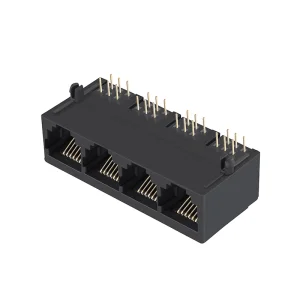
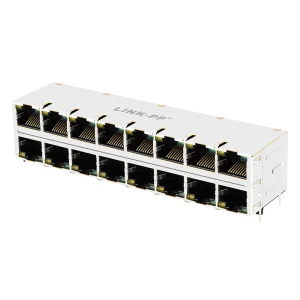
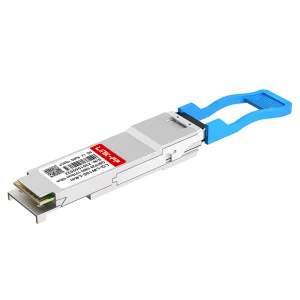
Utilizing high-port density RJ45 connectors (such as 2x8 port shielded configurations) alongside SFP+ and QSFP28 modules allows network designers to pack maximum switching capacity into constrained server rack units. This system helps optimize chassis ventilation, reduce cabling clutter, and maintain low signal latency.
For factory floors and outdoor telecom poles, we deploy ruggedized waterproof RJ45 connector housings alongside Gigabit Transformer Modules (e.g., LJ-T40B4L-00-F). These assemblies block chemical ingress, resist mechanical vibration, and provide isolation against high common-mode surges typical of heavy industrial machinery.
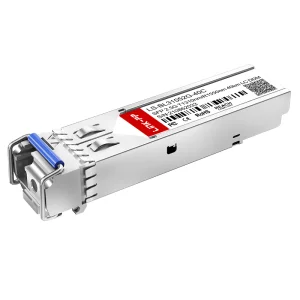
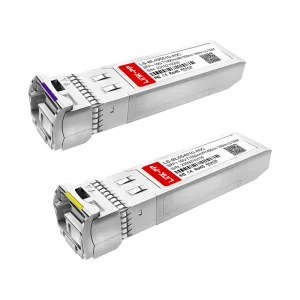
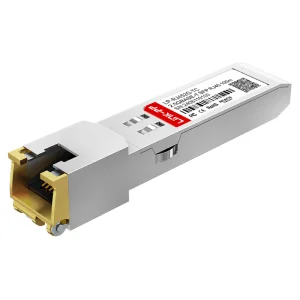
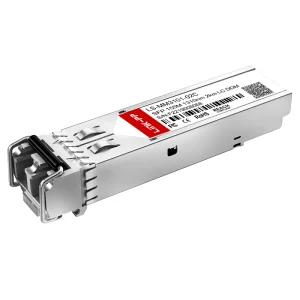
We provide bidirectional SFP transceivers (like BiDi 10G/2.5G modules) and copper transceivers to help telecommunications operators maximize capacity on single-mode fiber feeds. This enables duplex transmission over a single fiber core, reducing optical line deployment costs while maintaining gigabit data delivery over long spans.
We work closely with networking hardware manufacturers to provide customizable physical layer interfaces. From low-profile, integrated magnetics RJ45 jacks with custom-defined LED configurations to optical transceivers with custom-coded EEPROM databases, our parts integrate seamlessly with major brand switches.
Detailed technical advice on RJ45 connectors, integrated magnetics, and optical transceiver specifications.
Shielded RJ45 connectors feature an external metal shell (usually brass with nickel plating) that encases the internal modular plastic housing. This metal shielding grounds the cable's drain wire, creating a continuous barrier against Electromagnetic Interference (EMI) and Radio Frequency Interference (RFI). This is important in industrial settings and high-speed data networks. Unshielded (UTP) connectors lack this metal casing and are typically used in commercial office LAN systems where EMI is minimal.
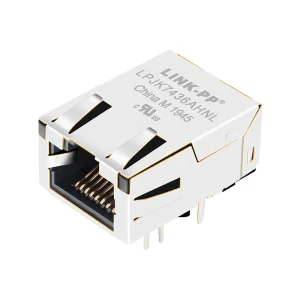
Integrated magnetics, or Magjacks, house transformers and common-mode chokes inside the RJ45 body. The isolation transformer blocks DC voltages and high-amplitude common-mode surges, preventing them from damaging the PHY transceiver chip. Common-mode chokes attenuate electromagnetic noise generated by differential signal cables, ensuring clean data transmission.
Gold is highly resistant to oxidation and corrosion. Plating contact pins with 50 micro-inches of gold over a nickel underplate provides protection against humidity and corrosive gases. It maintains low contact resistance (under 20 milliohms) across more than 750 mating cycles, preventing signal degradation in high-frequency applications.
Under IEEE 802.3bt (PoE++), up to 90W of power travels through the Ethernet cable. Unmating a cable under load causes electrical arcing at the contact point, which can pit and corrode copper contacts over time. Connectors designed for PoE++ use specific contact shapes that locate the arc zone away from the high-frequency signal contact area.
OptiLinker uses Bit Error Rate (BER) testers to confirm data integrity down to 10^-12, and digital sampling oscilloscopes to analyze eye diagrams, measuring jitter and optical rise/fall times. Thermal chambers also test module performance across temperature ranges from -40°C to +85°C.
Yes. OptiLinker transceivers are configured with custom firmware coded to match the EEPROM database structures required by major networking equipment manufacturers. This prevents host-device rejection and ensures accurate reporting of diagnostic metrics like TX/RX power levels, supply voltage, and internal temperature.
Explore our high-performance optical transceiver modules and multi-port RJ45 systems.