OptiLinker
OptiLinker
OptiLinker
Explore our premium high-speed transceivers, shielded cages, and modular RJ45 interconnect products designed for robust data center and telecommunication systems.
In the era of hyper-scale computation, modern networks require robust structured cabling infrastructures to transport massive volumes of data with minimal attenuation and latency. At the core of the physical layer (Layer 1) lies the RJ45 faceplate—a crucial connection point that ensures signal integrity, mechanical stability, and electromagnetic isolation at the user-to-network interface.
As global networks transition from gigabit baselines to 10G, 25G, and even 40G bandwidth speeds, the demands on copper outlets have grown exponentially. Today's RJ45 faceplate assemblies are no longer just passive pieces of plastic. They are highly engineered components designed to mitigate Near-End Crosstalk (NEXT), control insertion loss, and comply with safety and fire regulations (such as UL94 V-0 flame retardancy). Selecting a leading manufacturer and exporter in China is vital for global distributors, telecommunication agencies, and data center integrators seeking reliable, compliant, and cost-effective interconnect hardware.
"High-performance passive hardware forms the backbone of reliable transmission. By selecting a manufacturer that aligns mechanical excellence with electrical compliance, enterprise buyers prevent bottlenecks and protect their digital infrastructure investments."
To support these critical networks, OptiLinker Optoelectronics Co., Ltd. (OptiLinker) provides comprehensive expertise. As a professional developer and provider of optical communication modules and high-speed passive connections, OptiLinker leverages over 12 years of industry experience to help customers construct unified optical-copper networks that connect core data centers to edge interfaces.
Modern structural design and physical performance metrics dictate the selection of wall outlets and modular faceplates. Understanding these key engineering trends helps procurement professionals make informed purchasing decisions:
| Cabling Category | Frequency Range | Maximum Data Rate | Typical Shielding Requirement | Recommended Faceplate Form Factor |
|---|---|---|---|---|
| Category 6 (Cat6) | 250 MHz | 1 Gbps (up to 10 Gbps at <55m) | UTP / FTP (Unshielded/Foiled) | Flat/Angled Modular, Single/Double Gang |
| Category 6A (Cat6A) | 500 MHz | 10 Gbps | STP (Shielded) Recommended | Angled Shuttered, Metallic Grounding Plate |
| Category 8 (Cat8) | 2000 MHz | 40 Gbps | S/FTP (Fully Shielded) Mandatory | Deep-Backbox Shielded Angled Outlets |
Procurement departments must balance localized hardware standards with strict safety regulations. A premier exporter in China must navigate these regional variations:
1. The American Standard (US Style): Typically features 114mm x 70mm single-gang dimensions with vertical mounting hole spacing. They are designed to fit standard NEMA outlet boxes and are widely used across North and South America.
2. The British Standard (UK Style): Defined by the classic 86mm x 86mm square plate (single gang) and 146mm x 86mm plate (double gang). Conforming to BS 5733 standards, these are widely used in the UK, Middle East, Singapore, Hong Kong, and parts of Africa.
3. The European Standard (EU / French Style): Typically utilizes a 50mm x 50mm internal module size surrounded by customizable outer frames (80mm x 80mm). These fit round wall boxes (DIN 49073) common in continental Europe.
Material safety is also critical. Global installations require low-smoke zero-halogen (LSZH) materials and compliance with the **RoHS** directive (restricting hazardous substances) and **REACH** regulations. Choosing a partner with a deep understanding of international logistics and customs requirements ensures smooth project execution.
Enterprise networking has evolved into a hybrid landscape. While copper connections and RJ45 faceplates handle local work area devices, gigabit backbones and data centers rely on high-speed optical fiber links.
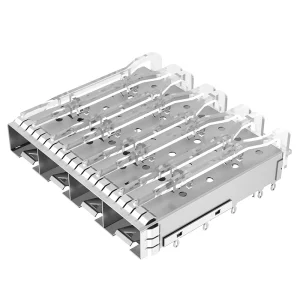
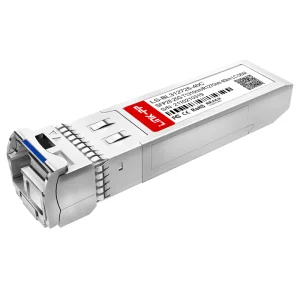
Modern high-performance buildings consolidate their copper cabling fields into switches equipped with high-speed transceivers (such as SFP+, SFP28, or QSFP cages). OptiLinker bridges the gap between local copper interfaces and the core optical transport layer, supplying key components for both sides of the network.
By designing both fiber modules and copper-shielded cages, OptiLinker ensures that hardware transitions (optical-to-copper and copper-to-optical) operate with minimal delay, zero packet loss, and full compliance with IEEE and MSA standards.
A trusted partner for high-speed network connections and customized OEM/ODM systems globally.
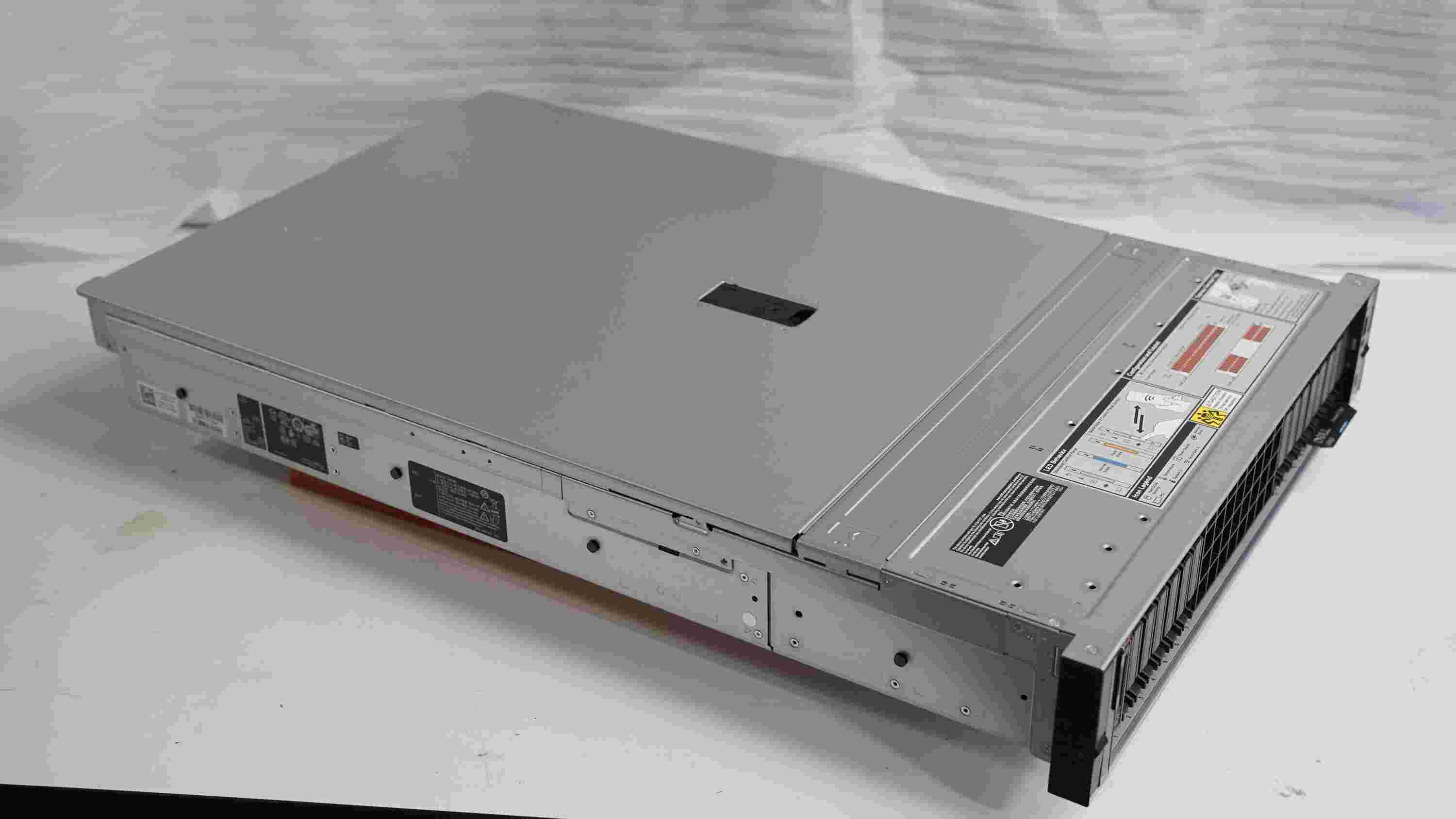
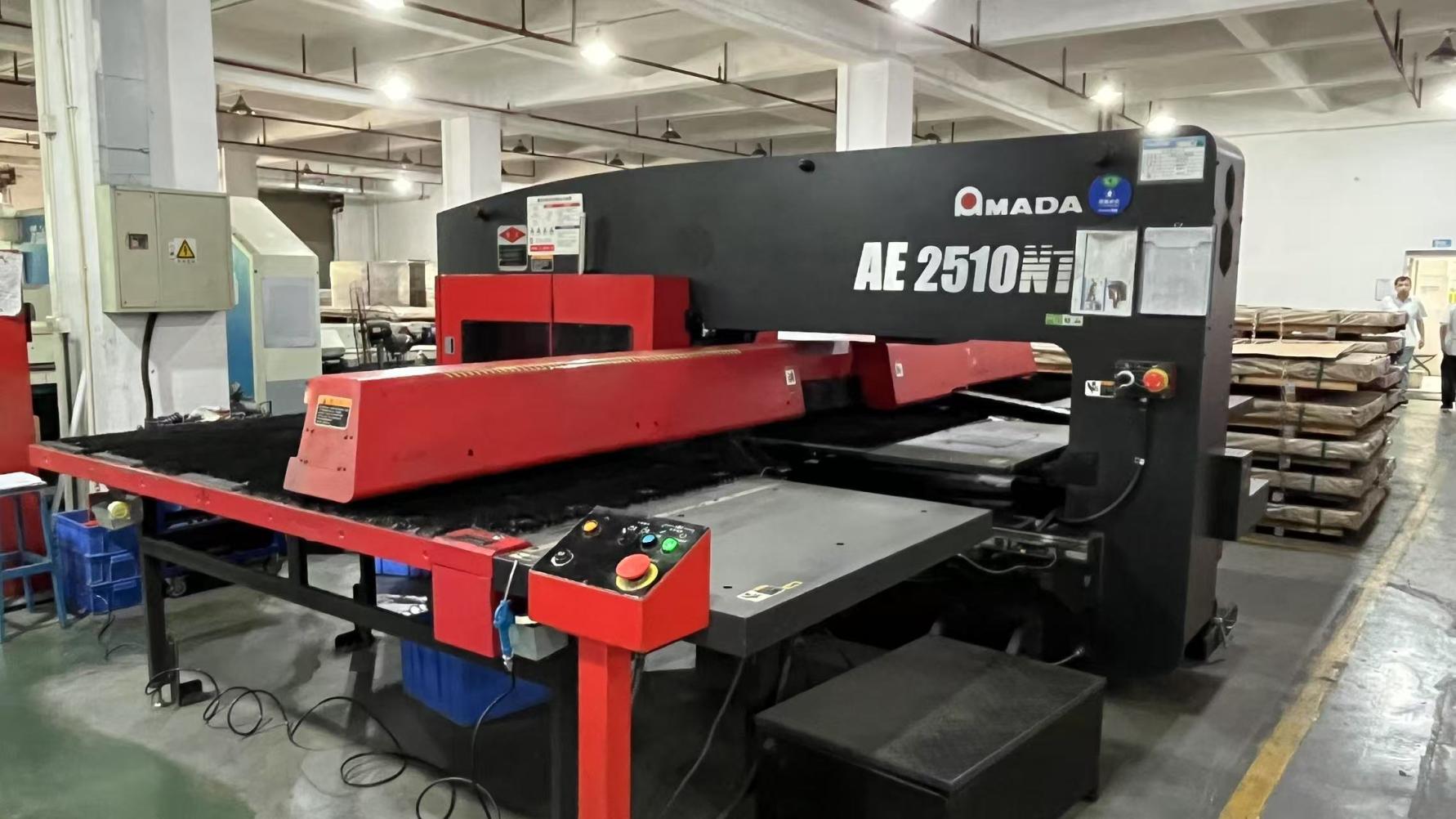
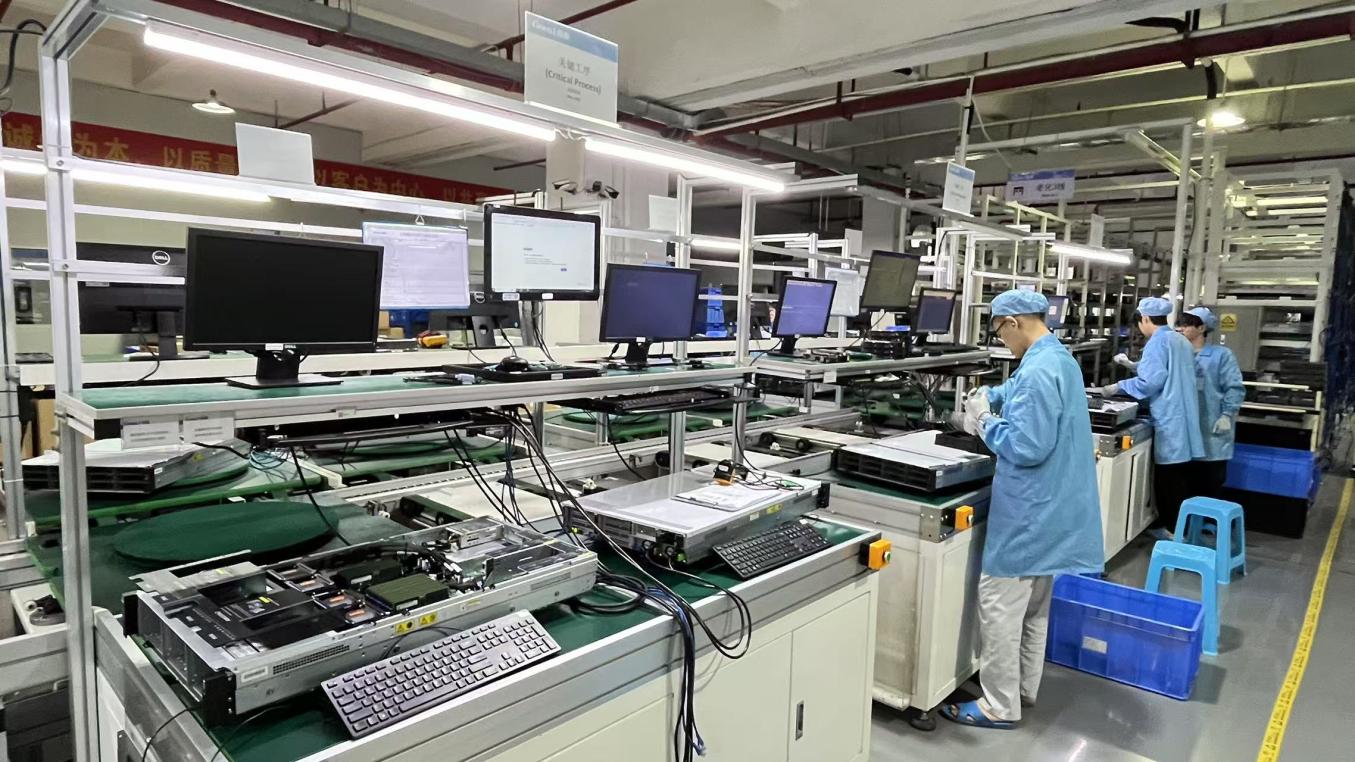
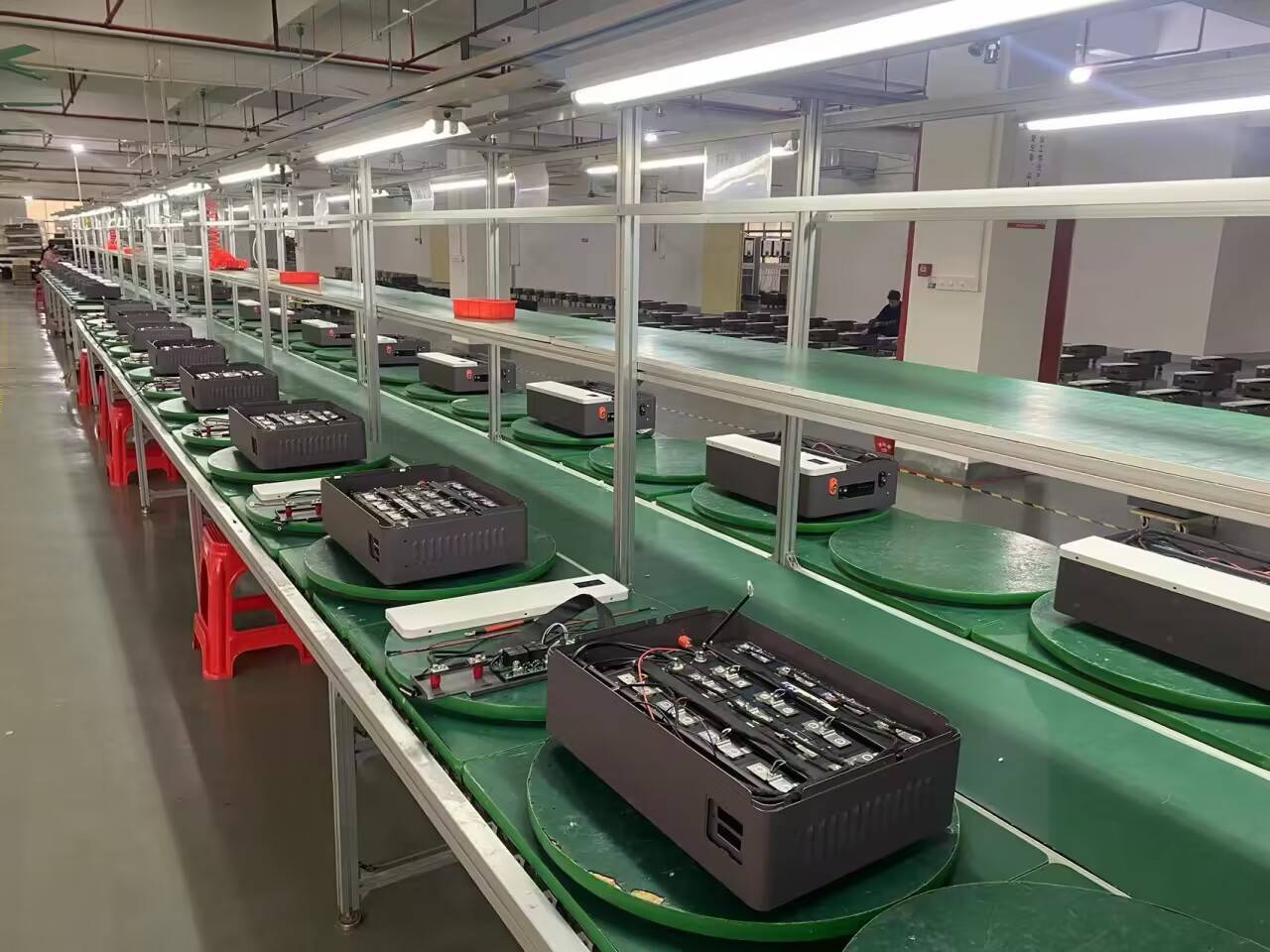
Founded in 2016, OptiLinker operates a specialized high-efficiency production facility covering approximately 320㎡. We focus on engineering high-speed optical transceivers, media interfaces, and passive copper cages. With over 12 years of industry experience and 8 years of export operations, we serve clients across North America, Europe, Southeast Asia, and the Middle East.
Our manufacturing facility includes a cleanroom assembly area, automated placement lines, and advanced testing stations. To ensure reliability, we run 100% incoming material inspections, Automated Optical Inspections (AOI), Bit Error Rate (BER) tests, eye diagram analysis, and environmental chamber cycling (-40°C to +85°C).
Backed by an active supply network of 850 partners, we source raw components reliably to maintain stable lead times, even during high market demand. Our engineering team provides flexible customization, including wavelength tuning, transmission distance adjustments, packaging form factors, firmware coding, and compatibility configuration. Last year, we launched 120 new products, highlighting our rapid adaptation to emerging technologies.
As digital networks scale, several key advancements will define the future of copper and optical connections:
1. Higher-Wattage Power over Ethernet (PoE++): Modern networks rely on PoE++ (IEEE 802.3bt Type 4) to deliver up to 90W–100W of power over copper lines to drive smart LED displays, PTZ cameras, and high-performance wireless access points. At these levels, contact resistance can cause heat buildup inside wall cavities. Future faceplate designs will focus on enhanced thermal dissipation and ceramic-insulated contact slots.
2. High-Density Modular Interfaces: With rising real estate costs in datacenters, engineers need more ports in less space. We are working on double-gang configurations that house up to six Cat6A ports, or combined copper-fiber interfaces in a single wall outlet.
3. Eco-Friendly Materials: To help clients meet ESG targets, we are transitioning to recycled plastics and bio-based polycarbonates that maintain flame-retardant properties while lowering carbon footprints.
Clear, direct technical answers regarding RJ45 faceplate engineering, global compliance, and hardware integration.
Angled faceplates exit at a 45-degree angle, allowing patch cables to drop vertically. This layout keeps cables within their safe bend radius, preventing signal loss (impedance spikes) and reducing mechanical wear inside shallow wall boxes.
We use premium flame-retardant polycarbonate (PC) that complies with UL94 V-0 standards. This material self-extinguishes within 10 seconds of fire exposure and does not release toxic halogen gases.
Yes. Our faceplates are built to standard Keystone dimensions, ensuring mechanical compatibility with industry-standard Cat6, Cat6A, and Cat8 modules, as well as fiber optic and AV keystones.
US faceplates are rectangular single-gang plates (114mm x 70mm). UK faceplates are square (86mm x 86mm). European designs typically use a 50mm x 50mm insert module surrounded by an outer styling frame, mounting inside round wall boxes.
We help clients build integrated copper-to-fiber systems. Copper cables terminated at the RJ45 faceplate route back to switches, which then connect to the core network via OptiLinker's optical transceivers (SFP+, SFP28, etc.).
Yes. Our high-grade copper contact components and flame-retardant housings are rated for IEEE 802.3bt Type 4 PoE (up to 90W-100W), safely managing the heat generated by full power delivery.
Our manufacturing processes and finished products comply with RoHS and REACH standards. Where required, products also carry UL listings and CE marks to simplify import procedures in North America and Europe.
The internal spring-loaded shutter blocks dust, grease, and moisture from accumulating on the gold-plated pins. This keeps contact resistance low and prevents airborne static electricity from reaching active network equipment.
We offer custom colors, printed logos, special port counts, and shielded backplates. We can also package modules and plates together for faster field installation.
Our QC team audits all incoming components from our suppliers. Combined with our 100% inspection processes, this partner network allows us to scale production while maintaining consistent quality.
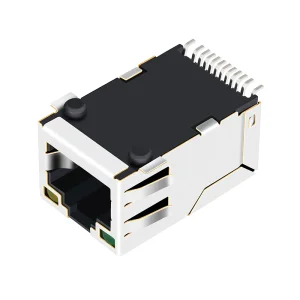
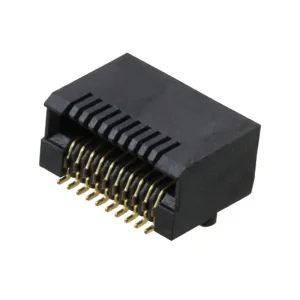
Browse our selection of optical modules, high-frequency cages, and modular copper jacks designed for core enterprise networks.