 OptiLinker
OptiLinker
OptiLinker
Highly engineered RJ11 and RJ45 interfaces designed to deliver reliable performance in telemetry systems, commercial routers, and local distribution hubs across India.
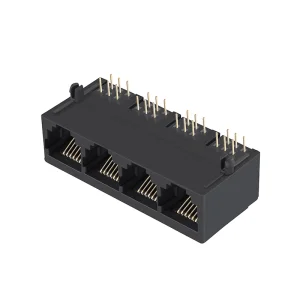
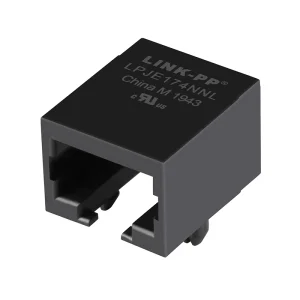
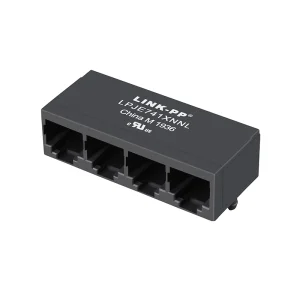
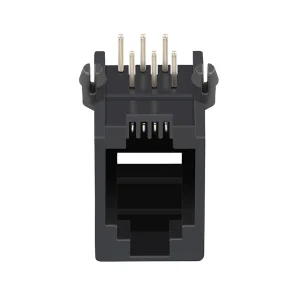
India is undergoing an unprecedented digital transformation. Driven by national initiatives like "Make in India", "Digital India", and the rapid deployment of smart grid infrastructures across major cities, the demand for highly reliable telecommunication connectors has reached new heights. In this dynamic context, the RJ11 connector remains a vital linchpin. Originally standardized for voice telephony, modern RJ11 and RJ12 interfaces are now extensively integrated into smart electrical meters (Advanced Metering Infrastructure - AMI), solar inverter data loggers, industrial PLCs, and optical network terminals (ONTs).
The unique environmental and mechanical conditions of the Indian market—characterized by wide temperature variations, high relative humidity, airborne dust, and fluctuating power qualities—impose strict quality thresholds. Sourcing managers and hardware design engineers in cities like Bengaluru, Pune, Hyderabad, and Delhi NCR require components that go beyond commercial standards. To prevent network downtime and high field maintenance costs, choosing a manufacturer with rigorous validation procedures and an established global supply chain is paramount.
"Indian telecom utilities and industrial OEMs are transitioning to smart, ruggedized infrastructure. Here, the reliability of physical interfaces determines the uptime of millions of endpoints. Selecting certified connectors with gold-plated contacts and thermal-resistant housings is no longer optional—it is a critical operational safeguard."
OptiLinker Optoelectronics Co., Ltd. is a professional optical transceiver and precision connector manufacturer under the brand OptiLinker (www.optilinkertrans.com). Founded in 2016, the company operates a state-of-the-art facility designed to cater to high-speed optical communications, telecom interfaces, and industrial ethernet solutions.
With 12 years of core industry experience and 8 years of successful export operations, OptiLinker acts as a critical partner for telecom operators, data centers, and system integrators. By managing a robust supply network of 850 partners and sustaining a quality assurance team of 35 dedicated QC professionals, OptiLinker delivers field-proven reliability directly to the Indian market and global regions including North America and Europe.
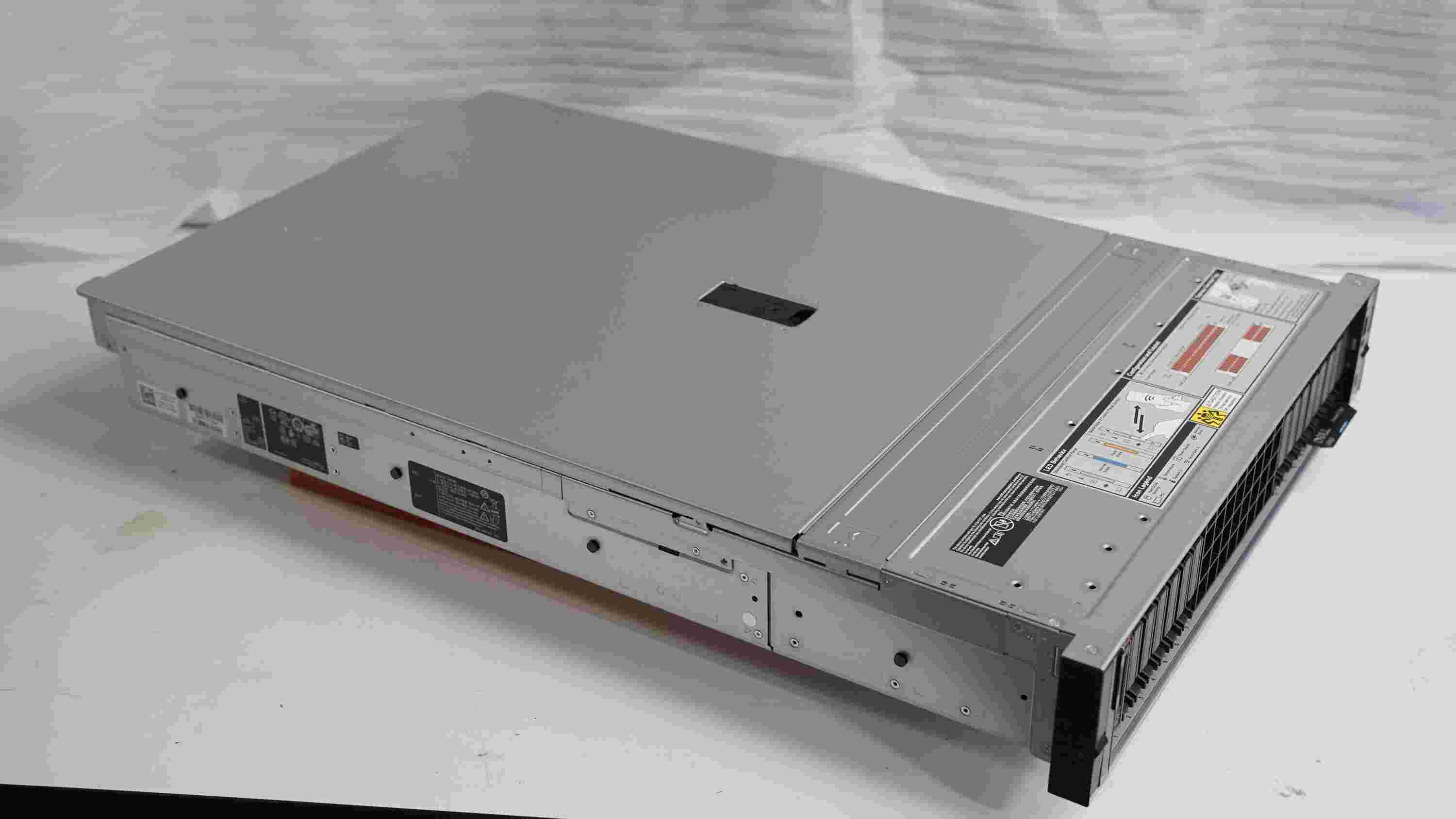

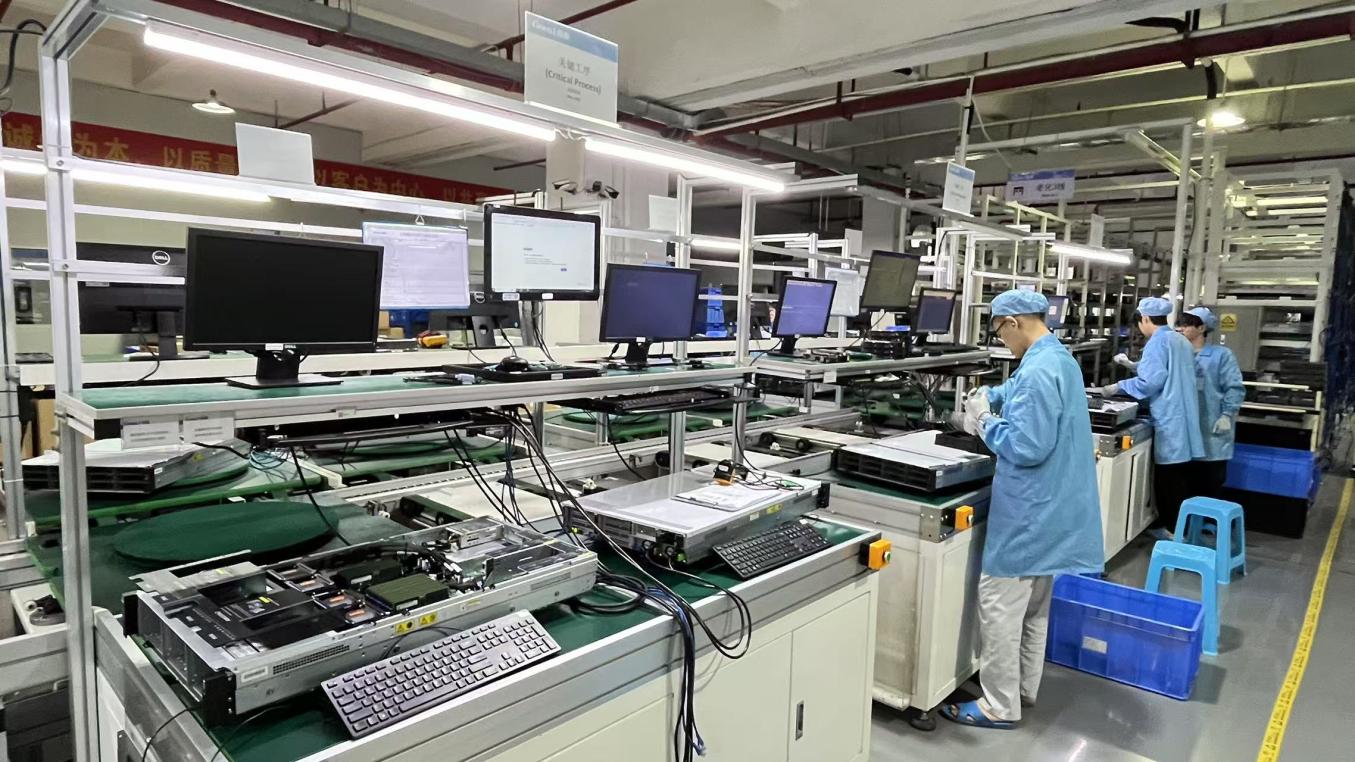
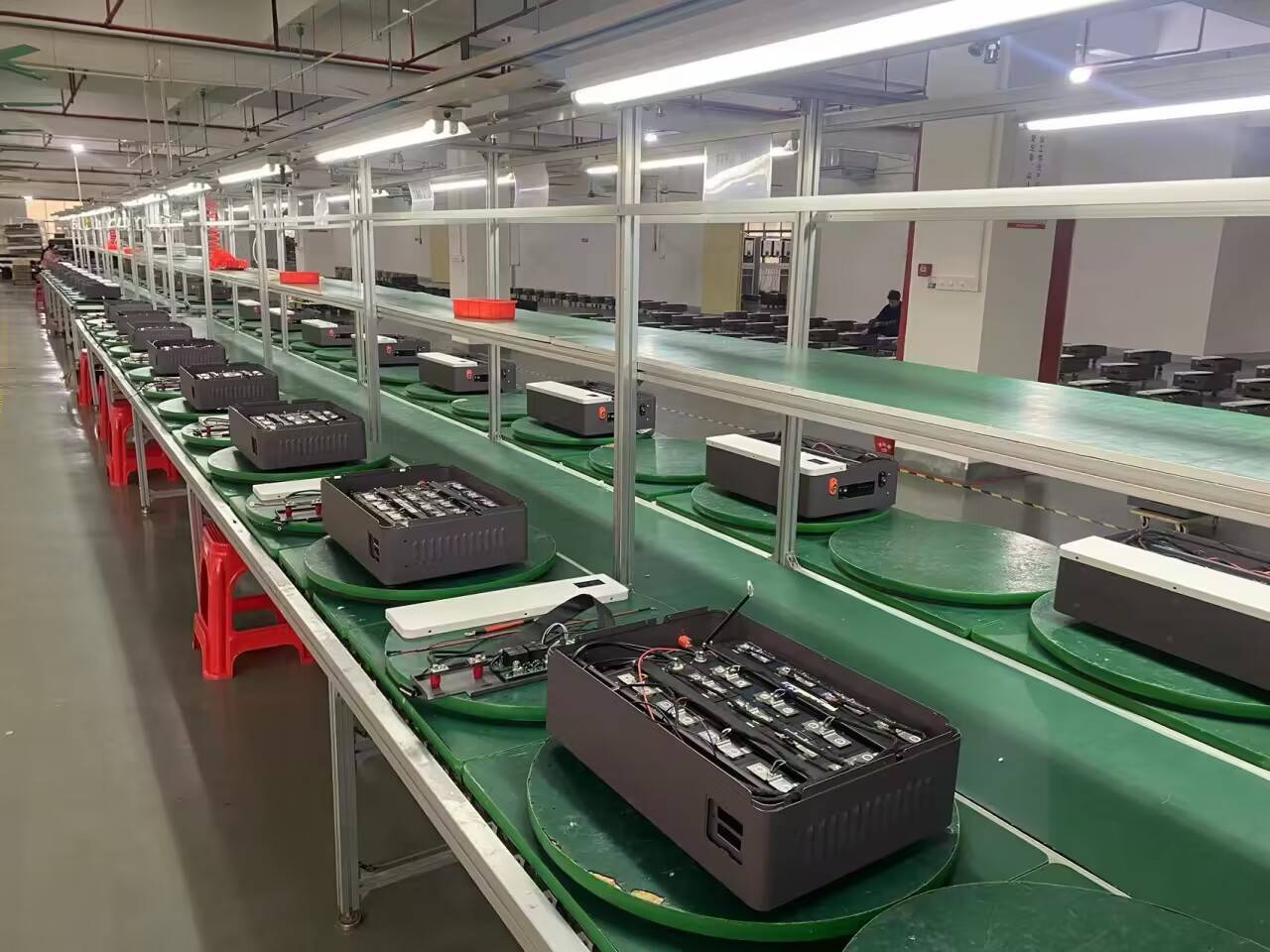
An RJ11 connector may seem basic, but its internal structural engineering defines network signal integrity. For industrial applications within India—especially smart power meters positioned in outdoor, non-climate-controlled cabinets—each component must resist degradation. OptiLinker utilizes high-density thermoplastic housings with excellent flammability ratings and high-grade phosphor bronze pins finished with multi-layer gold plating.
| Technical Parameters | Standard Requirement (Industrial) | OptiLinker Specification |
|---|---|---|
| Housing Material | UL94-V0 Polycarbonate or High-Temp Nylon | UL94-V0 Flame Retardant (RoHS compliant) |
| Pin Plating Contact area | 3u" to 30u" Gold over Nickel | 50u" Gold Plated Phosphor Bronze (Excellent oxidation resistance) |
| Mating Durability | Min 500 insertion cycles | Min 750 mating cycles (High durability latching) |
| Contact Resistance | < 30 mΩ | < 20 mΩ (Ensures low voltage drops in RS485 systems) |
| Operating Temperature | -20°C to +70°C | -40°C to +85°C (Suits rugged Indian dry/monsoon climates) |
| Dielectric Strength | 1000V AC 60Hz 1 min | 1000V AC RMS 60Hz 1 min (Surge isolation) |
The primary failure mode of modular jacks in coastal Indian cities (such as Chennai or Mumbai) is atmospheric corrosion. Salty, humid air causes copper oxidation on contact pins, resulting in data packets dropping. By specifying 50 micro-inches of gold plating, OptiLinker ensures that the physical interface remains immune to oxidation, maintaining low contact resistance across years of operation. Furthermore, the selection of mechanical tab configurations (Tab Up vs. Tab Down) allows electronics designers to optimize layout footprints without sacrificing mechanical clearance on the PCB.
To facilitate procurement decisions, we have outlined how OptiLinker's mechanical and optical interfaces solve high-level integration challenges in Indian infrastructure projects:
Indian state distribution utilities (DISCOMs) are rolling out millions of smart prepaid electricity meters. These meters use RJ11 and RJ12 interfaces to connect external communication modems (GPRS/LTE/NB-IoT) via RS485 protocol. OptiLinker's 1x4 and 1x1 multi-port modular jacks are designed to fit standard DIN-rail enclosures, offering high surge isolation to protect the meter's internal microcontrollers from power surges.
As fiber-to-the-home (FTTH) replaces legacy copper networks across India, the demand for Optical Network Terminals (ONT) with integrated VoIP capabilities has scaled up. OptiLinker provides vertical and side-entry RJ11 sockets that integrate onto ONT motherboards. This allows end-users to bridge traditional analogue landlines directly to high-speed optical transceivers, bridging copper and optical infrastructures seamlessly.
Alongside basic modular jacks, OptiLinker manufactures high-performance optical transceiver modules (like the Cisco-compatible 25G SFP28 and SFP+ series). For modern metropolitan offices and data center operators in Pune, Mumbai, and Bengaluru, we provide unified optical-copper solutions that support everything from baseband telephone signals to 25Gbps core networks.
OptiLinker's manufacturing systems operate under the strictest international benchmarks to satisfy demanding import regulations in India, Europe, and the Americas. The Bureau of Indian Standards (BIS) and the Telecommunication Engineering Centre (TEC) require rigorous electrical safety and material testing. By implementing 100% incoming inspection and automated AOI testing, OptiLinker eliminates physical housing defects prior to assembly.
During environmental verification phases, components undergo rapid thermal cycling, replicating ambient temperature swings from -40°C to +85°C. This ensures that the plastic housings do not warp and the contact pins retain tension over decades of use. Sourcing managers benefit from our complete regulatory compliance documentation, including RoHS and REACH declarations, which speeds up customs clearance at key Indian ports like Nhava Sheva (Mumbai), Chennai, and Tughlakabad (Delhi).
Below is our selected portfolio of products widely utilized in industrial electronics, network engineering, and data center deployment across India.
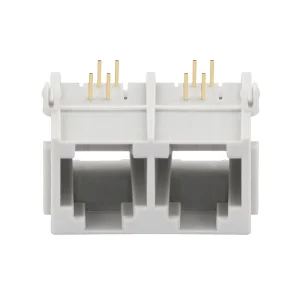
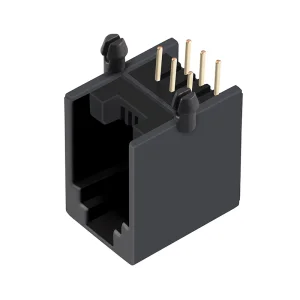
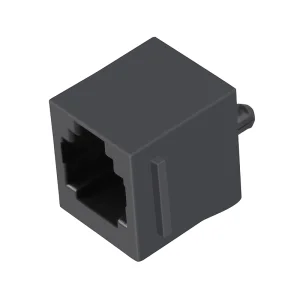
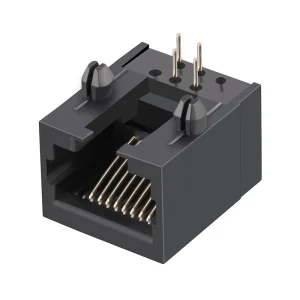
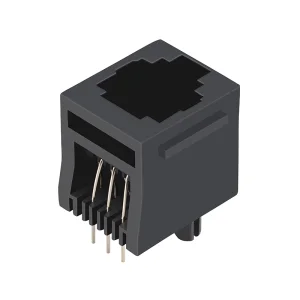
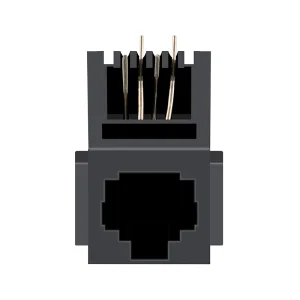
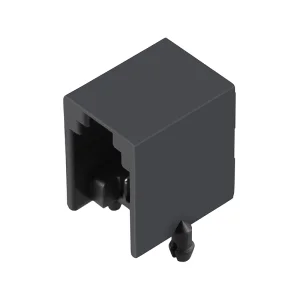
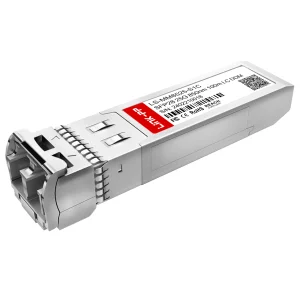
We also support the following hardware standards for global telecom grids and optical switching stations:
Find direct, expert answers to key operational, compliance, and design engineering questions relative to importing RJ11 connectors and optical transceivers into India.
RJ11 and RJ12 share the same physical shape (6-position plug/jack). The core difference lies in the wiring. An RJ11 connector typically uses 4 positions (6P4C configuration) to carry 2 phone lines, while an RJ12 utilizes all 6 positions (6P6C configuration) to handle up to 3 lines or additional communication wires (such as RS485 systems in smart meters). OptiLinker supplies both configurations with custom wire harnesses to meet your requirements.
Yes. As an export-oriented manufacturer serving the Indian market, OptiLinker provides products compiled under strict quality guidelines. We supply the test reports, RoHS certifications, and technical parameters needed for BIS registration and Telecommunication Engineering Centre (TEC) clearance in India.
For standard indoor office environments, 15u" to 30u" of gold plating is sufficient. However, for industrial telemetry, smart electric meters, and outdoor cabinets located in coastal zones like Mumbai or Chennai, we strongly advise 50u" gold-plated contacts. This thickness prevents micro-corrosion and oxidation over a 10-to-15-year lifecycle.
We work with established global logistics partners under FOB, CIF, or DDU terms. Our export logistics team provides all mandatory documentation—including the commercial invoice, packing list, certificate of origin, and custom tariff code (HS code 85369090)—to ensure rapid clearance at major ports like Nhava Sheva (JNPT) and Delhi Air Cargo.
Absolutely. OptiLinker has a specialized team of 60 optical engineers who program compatible EEPROM codes. We ensure plug-and-play compatibility with Tier-1 network equipment brands including Cisco, Juniper, Huawei, HP, and Nokia, widely utilized in Indian telecom circles.
For standard RJ11/RJ45 jacks, the typical MOQ is 1,000 pieces, while optical transceiver modules can be ordered in smaller quantities. Our typical production lead time is 7 to 15 working days, depending on the custom engineering requirements and inventory levels.