 OptiLinker
OptiLinker
OptiLinker
Optimized specifically for space-constrained rack systems and embedded single-board computers, our top-tier connectors deliver exceptional signal integrity and mechanical robustness. Explore the core product options selected for high-reliability applications in London's financial networks.
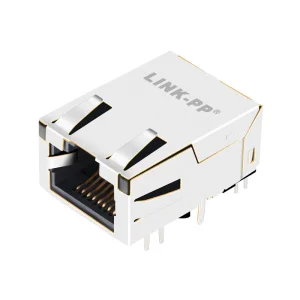
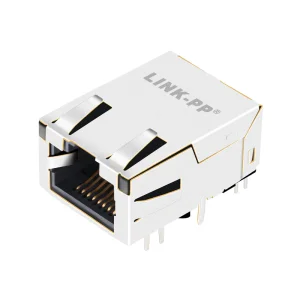
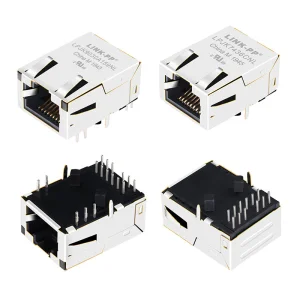
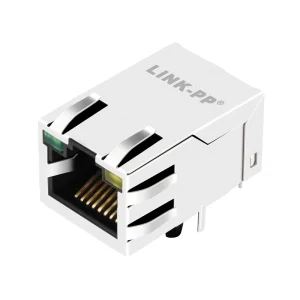
As a preeminent global financial hub and home to the world's most sophisticated algorithmic trading platforms, London represents a unique nexus for network hardware demand. The Greater London Area, encompassing massive data center corridors such as the Slough Trading Estate, Docklands (Telehouse North/East), and the City of London financial core, requires hardware that operates with zero-latency margin. In these environments, physical real estate within the rack is billed at extreme premiums.
Traditional RJ45 connectors present a height clearance of 13.5mm to 16.5mm, which severely restricts vertical PCB stacking density. By transition to low-profile designs (often maintaining a physical height below 11.5mm), network hardware design engineers can pack auxiliary circuits, higher-performance processors, and advanced cooling structures into standard 1U chassis or compact outdoor IoT boxes.
London's digital transformation also extends to smart buildings, Transport for London (TfL) rolling stock, and municipal edge nodes. These localized, harsh-environment applications demand high-frequency, shielded, and vibration-resistant components. The shift from basic Cat5e connectivity to multi-gigabit (2.5G, 5G, and 10G Base-T) over copper requires low-profile RJ45 jacks with integrated magnetic modules (Magjacks) that suppress electromagnetic interference (EMI) and common-mode noise in densely packed switch cabinets.
Across the global hardware landscape, the trend toward miniaturization shows no signs of slowing down. As artificial intelligence workloads necessitate high-density blade servers, standard network interfaces must adapt. The global low-profile RJ45 connector market is expanding at a CAGR of 6.2%, driven by the growth of compact network routers, telecom baseline controllers, and space-sensitive medical instrumentation.
Manufacturers worldwide face the challenge of preserving signal integrity while reducing structural height. At frequencies required for 10 Gigabit Ethernet (up to 500 MHz), physical proximity of contacts leads to increased crosstalk (NEXT/FEXT) and structural return losses. Resolving these challenges requires highly advanced internal layout designs, optimized lead frames, and robust shield designs featuring grounding tabs. High-performance models incorporate internal ferrite cores to process signal filtering directly within the connector, saving valuable PCB space that would otherwise be occupied by discrete magnetic components.
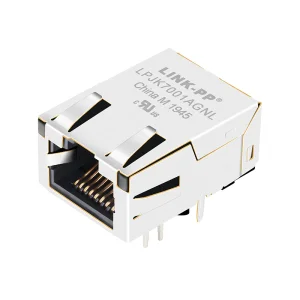
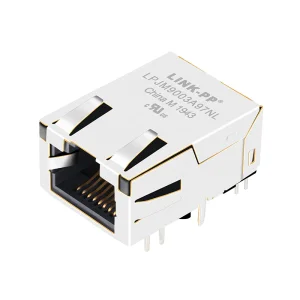
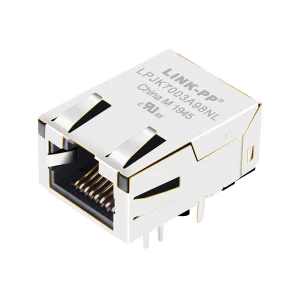
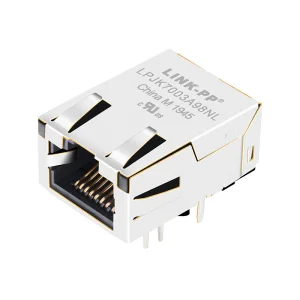
These selected low-profile models are engineered to operate across varied network speeds, utilizing integrated magnetic systems, optimized shielding, and LED layout flexibility to accommodate custom board design configurations.
Originally founded in 2016, OptiLinker Optoelectronics Co., Ltd. (OptiLinker) has established an international footprint as a premier developer of high-speed transmission and physical connectivity systems. With over 12 years of industry experience and 8 years of export operations, the brand represents reliability and forward-thinking technology.
OptiLinker's comprehensive product line spans optical transceivers and high-density copper interface units. The company's modern production facilities serve customers across North America, Europe, Southeast Asia, and the Middle East, reaching an annual export value of USD 12 million. Guided by strict quality management protocols, OptiLinker maintains stable partnerships with network infrastructure providers globally.
To maintain strict E-E-A-T credentials, OptiLinker has built an internal team of 35 dedicated quality control professionals. Our facilities perform 100% incoming materials inspection, automated optical inspection (AOI), and precise high-frequency performance checks. Hardware verification encompasses Bit Error Rate (BER) assessments, eye diagram analyses, and environmental testing (high-to-low thermal cycles from -40°C to +85°C) to ensure robust operations under varying ambient conditions.
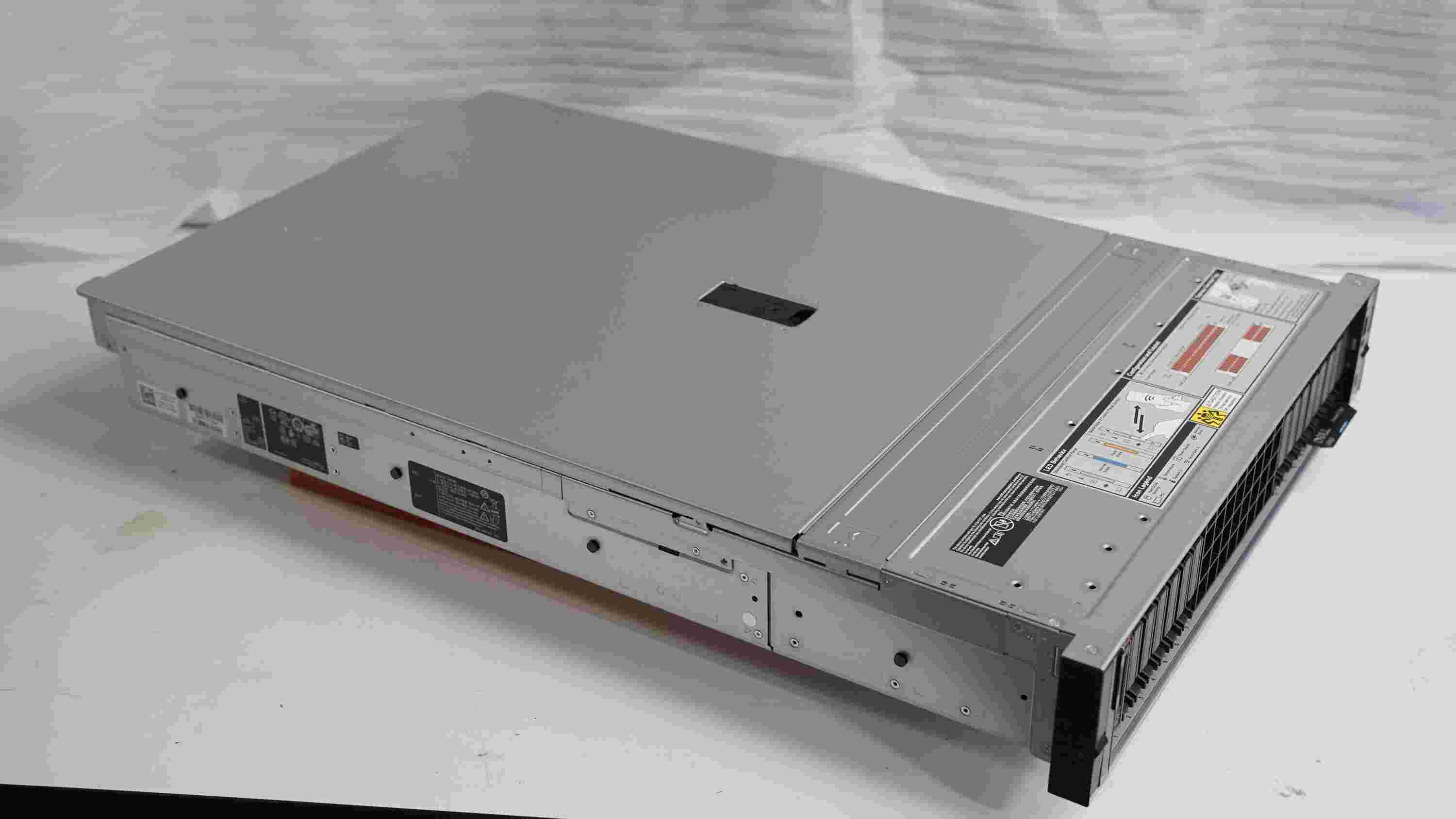
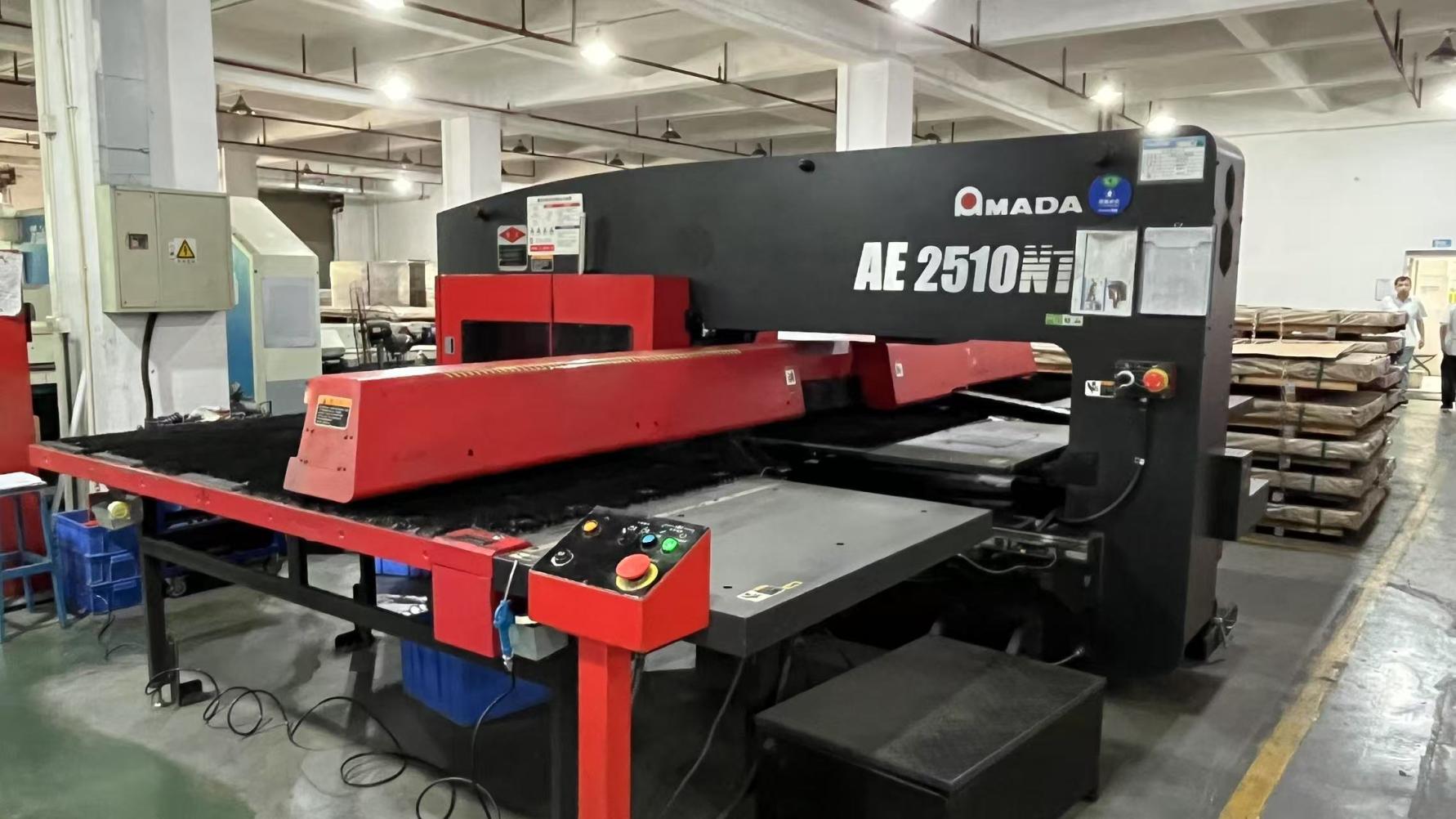
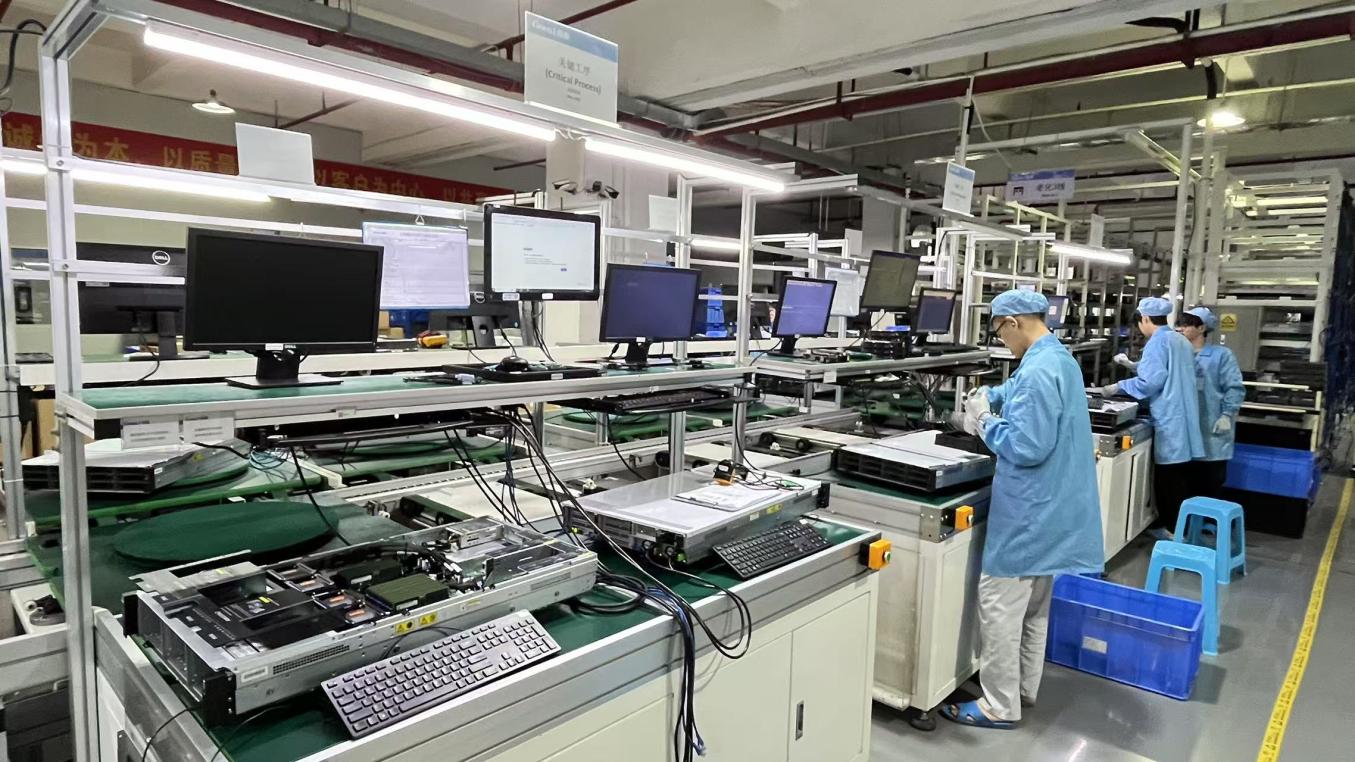
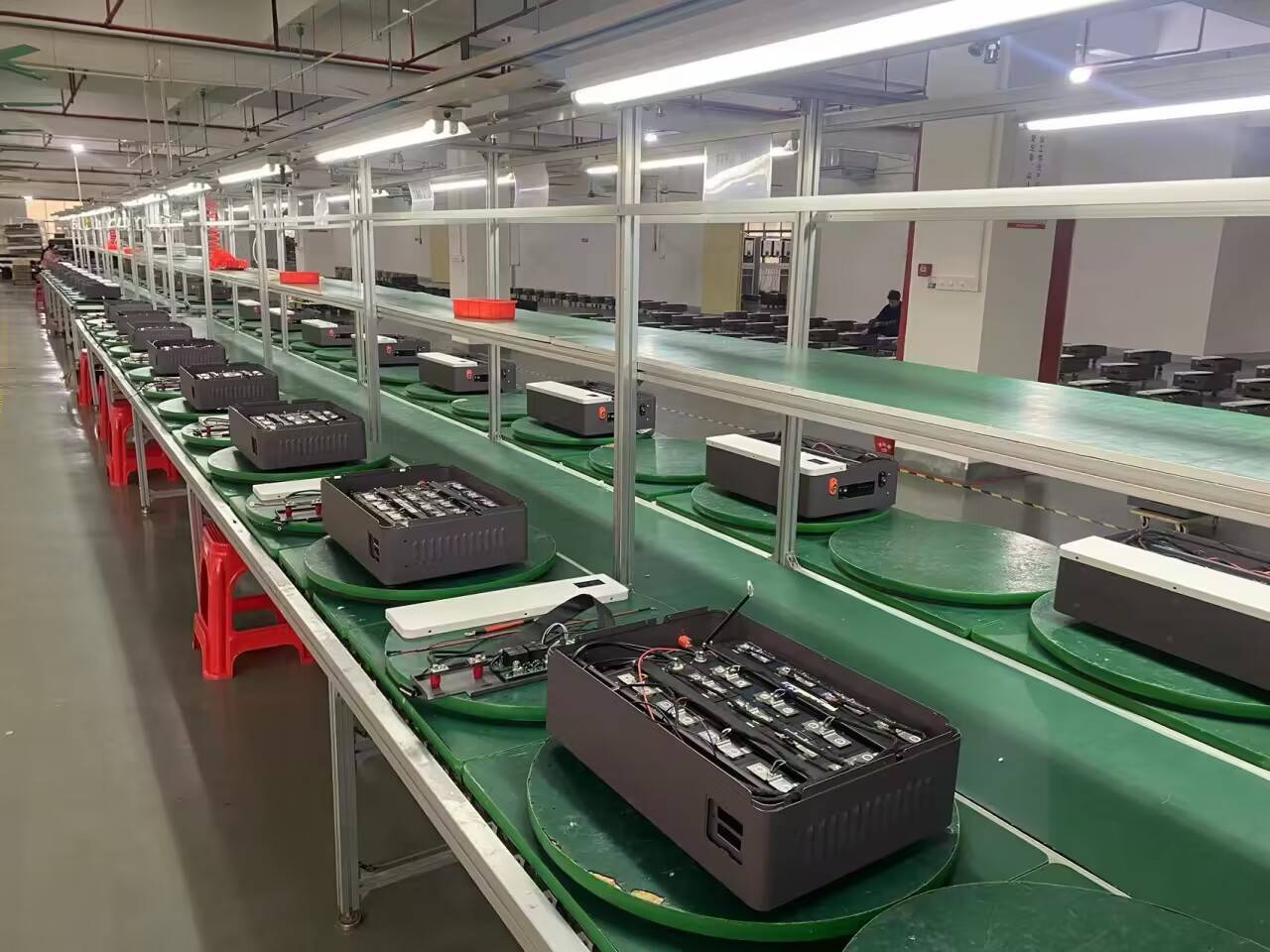
For network equipment designers based in London, selecting a component supplier involves finding an optimal balance between technical precision, volume scalability, and cost efficiency. Operating from the world's most mature electronics manufacturing ecosystem, Chinese factories offer distinct operational advantages:
Chinese manufacturing clusters locate copper refiners, plastic injection molders, sheet metal stampers, and packaging providers within close geographic proximity. This concentration shortens product design iterations and stabilizes supply security.
By employing high-speed progressive dies and multi-cavity automated injection processes, Chinese facilities deliver high dimensional repeatability. This structural consistency ensures coplanarity measurements are held within narrow tolerances.
Equipped with a large pool of design engineers, suppliers like OptiLinker can rapidly adapt mechanical housings, adjust LED positions, customize pin configurations, and modify transformer turn ratios to match specific board specifications.
To assist engineering teams in making informed decisions, the table below highlights the physical, electrical, and mechanical differences between standard interfaces and optimized low-profile components:
| Parameters | Standard RJ45 Module | Low-Profile RJ45 Jack | Impact on System Architecture |
|---|---|---|---|
| Physical Height (above PCB) | 13.5 mm - 16.5 mm | 8.5 mm - 11.5 mm | Allows 1U chassis vertical space optimization and compact multi-board stacking. |
| Insertion Angle | Straight (90°) or Right Angle (180°) | Right Angle (Inverted / Tab-up or Tab-down) | Reduces cable stress and facilitates parallel routing along the PCB. |
| Integrated Magnetics (ICM) | Optional (often separate discrete filters) | Highly Integrated (Built-in ferrite cores) | Provides EMI shielding and filters noise within the jack footprint, saving board area. |
| Mounting Profile Options | Through-Hole (THT) mainly | THT, SMT, and Mid-Plane Sunk Mount | Provides flexible integration methods for automated SMT production lines. |
| Data Transmission Limits | Cat5e/Cat6 (up to 1 Gbps) | Cat6a (Multi-Gigabit, up to 10 Gbps) | Supports high-throughput applications in high-frequency trading (HFT) and cloud computing. |
Understanding localized requirements is key to choosing the correct connector type. Below are the primary application scenarios in London where low-profile configurations are widely used:
The high-density interconnect market is evolving quickly, driven by several technological advancements:
The products listed below represent our complete standard offering for low-profile RJ45 jacks. Built to meet international standards and tested for high electrical endurance, these designs feature high-performance shielding and integrated magnetics to handle demanding transmission protocols.
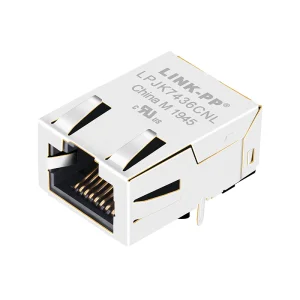
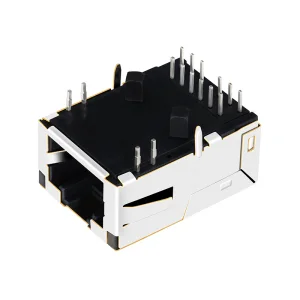
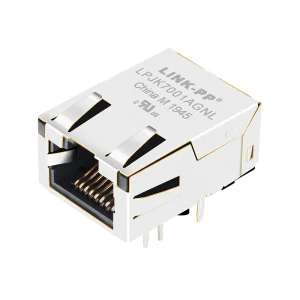
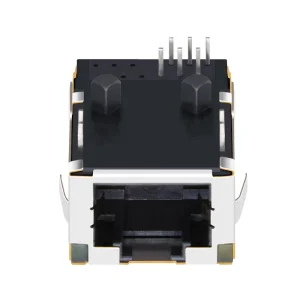
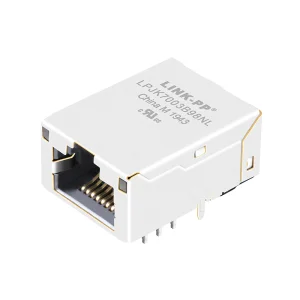
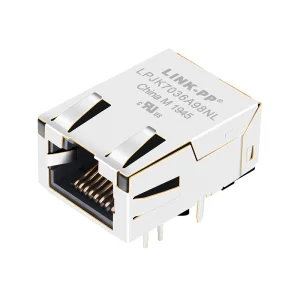
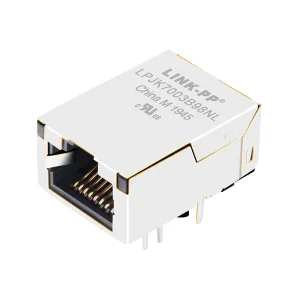
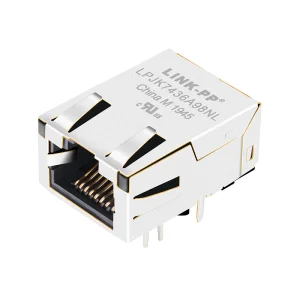
To assist layout engineers and sourcing professionals in selecting appropriate components, we address standard technical and logistical inquiries below: