OptiLinker OptiLinker

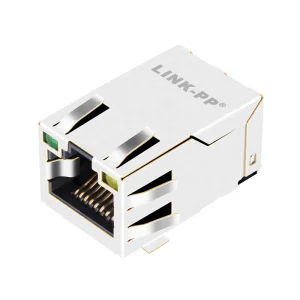
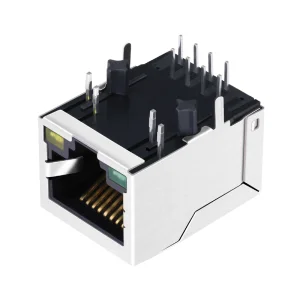
Top Trusted Shielded RJ45 Connector Manufacturer & Factory

Elevating Signal Integrity, Power Efficiency, & Electromagnetic Resilience for Next-Gen Network Infrastructures

The Engineering Architecture of Shielded RJ45 Interconnects

An Industry Whitepaper on Signal Integrity, Electromagnetic Mitigation, and Mechanical Reliability in Modern Telecommunications.

In the rapidly advancing landscape of high-frequency data transmission, the integrity of physical connection interfaces dictates the performance threshold of global enterprise networks. As data centers migrate from 10GBASE-T to higher transmission standards and industrial zones integrate heavy automation, the challenges of Electromagnetic Interference (EMI), Radio Frequency Interference (RFI), and alien crosstalk (ANEXT) have multiplied exponentially. Choosing a professional, specialized shielded RJ45 connector manufacturer is no longer just a purchasing decision—it is a critical choice of strategic hardware infrastructure.
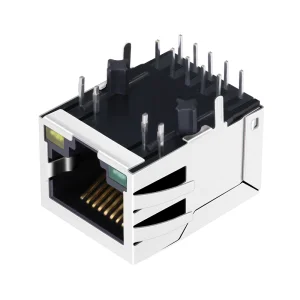
OptiLinker Optoelectronics Co., Ltd. (OptiLinker) operates at the vanguard of high-speed interconnect technology. By offering superior signal mitigation features, we ensure that copper ethernet interfaces operate at peak performance even under high-noise, harsh industrial conditions. True engineering-grade shielding requires precision construction: utilizing high-conductivity tin-plated brass or copper alloy shells, 360-degree ground-bonding paths, and gold-plated contact fingers (up to 50 micro-inches) to minimize contact resistance and ensure thousands of mating cycles without signal degradation.

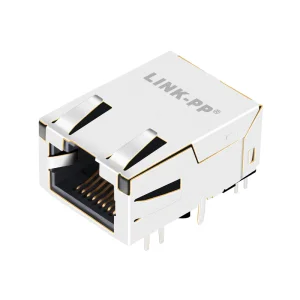
Full Faraday Shielding

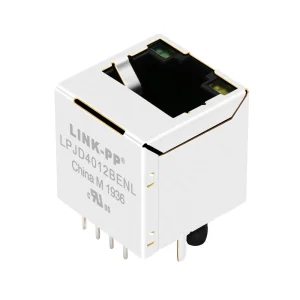
Complete metal casing isolates transmission lines from internal and external crosstalk, supporting clean signal lines in high EMI density zones.

Integrated Magnetics

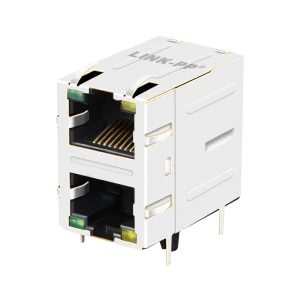
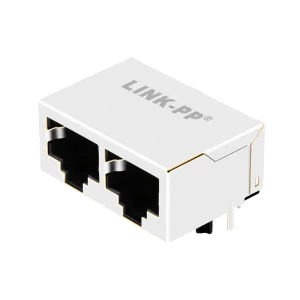
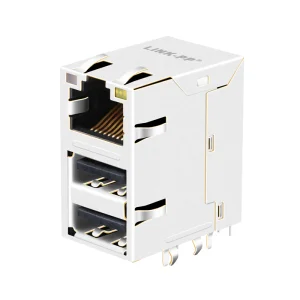
Magnetic isolation components built directly into the connector (Magjack) filter common-mode noise and protect delicate PHY silicon from ESD surges.

Precision Gold Plating

Industry-leading 50u" gold plating thickness prevents oxidation, ensures stable low-resistance physical contacts, and resists harsh industrial fumes.

Corporate Profile: OptiLinker Optoelectronics

Bridging global communication infrastructures with premium-grade optical modules and robust shielded interconnect components.

Established in 2016, OptiLinker Optoelectronics Co., Ltd. (operating under the global brand OptiLinker) is a leading optical transceiver manufacturer and connection solutions provider. We specialize in producing high-speed optical communication modules and high-reliability ethernet components for global enterprise data centers, carrier telecoms, and advanced industrial automation plants.
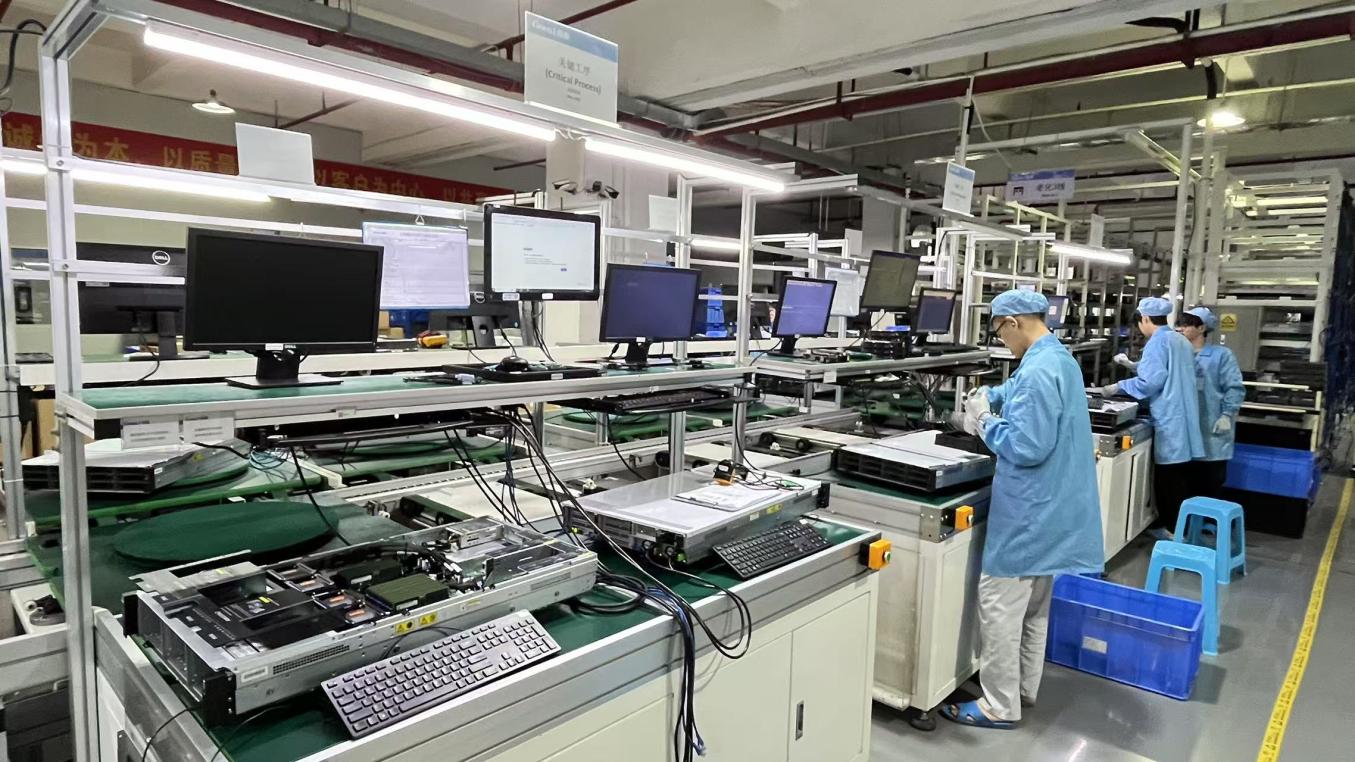
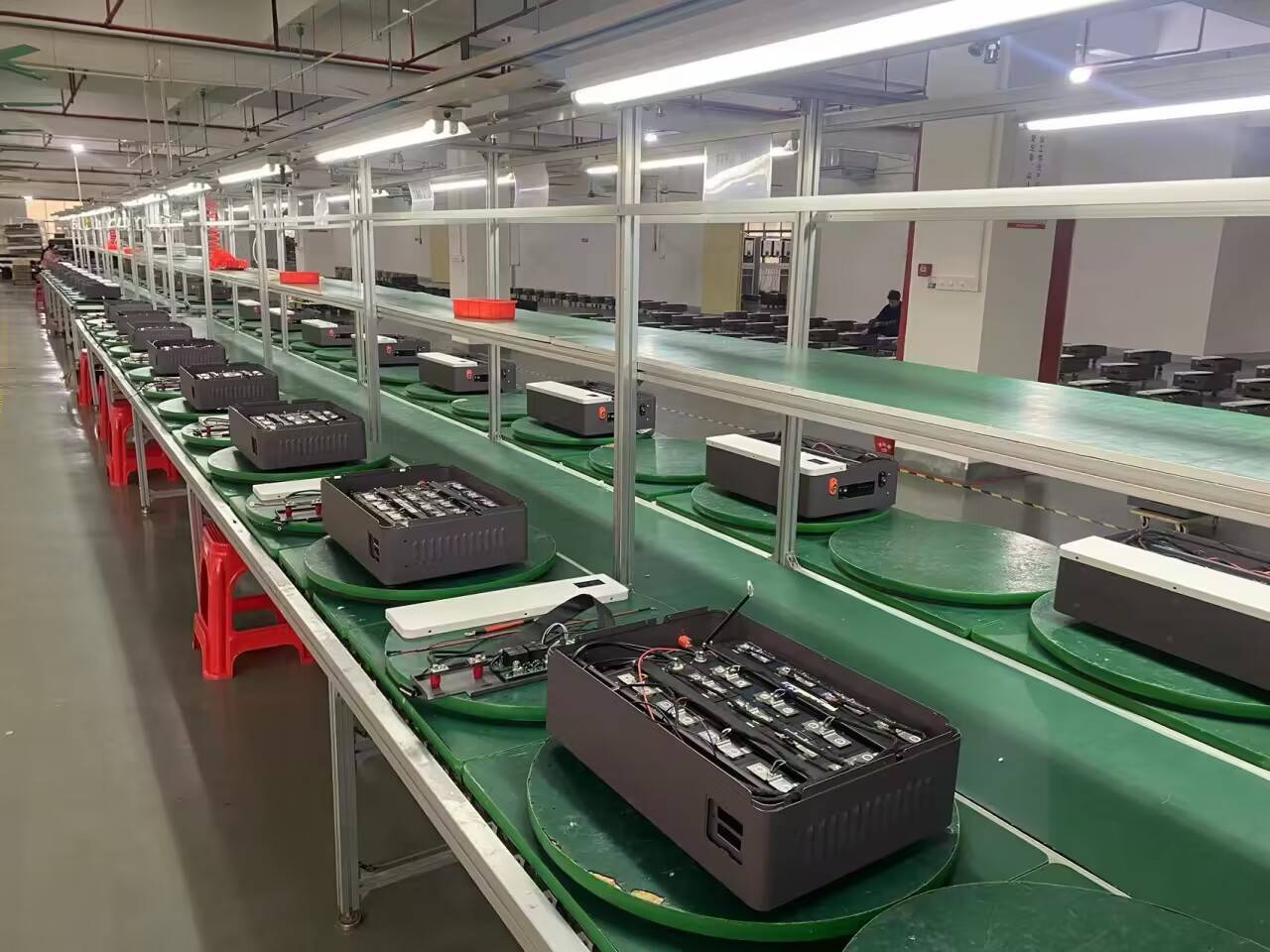
Our modern engineering base spans a specialized building area of approximately 320㎡, optimized for precise optoelectronics manufacturing, rapid prototyping, and high-frequency parameter validation. With over 12 years of industry engineering experience and 8 years of dedicated export experience, OptiLinker has grown into a trusted B2B partner for system integrators and network equipment manufacturers worldwide. In the past fiscal year, we achieved an annual export revenue of approximately USD 12 million, successfully delivering high-speed components to North America, Europe, Southeast Asia, and the Middle East.
12+ Yrs Industry Experience
USD 12M Annual Export Revenue
60+ Optical & Signal Engineers
35+ Pros QC Verification Staff
Our core capability relies on deep vertical integration, combining high-speed optical design with robust electrical connector design. Leveraging our relationships with approximately 850 global supply chain partners, we guarantee sourcing stability, material quality, and rapid response to complex customer customization requirements.

Technical Roadmap: Shielding & Interconnect Evolution

Tracing the architecture of copper-based physical layers, from basic noise prevention to 10GBASE-T, PoE++, and Cat8 standards.

As data throughput accelerates, RJ45 ports must adapt to prevent high-frequency noise from deteriorating data packets. A standard unshielded twisted pair (UTP) is susceptible to environmental electrical noise. The introduction of Shielded RJ45 Connectors (STP) provides a continuous conductive shield surrounding the internal pair structures, terminating securely at both ends of the cable run to create an unbroken path to system ground.
Feature Parameter Standard Unshielded (UTP) RJ45 Shielded (STP) RJ45 (Internal Ground) Shielded Magjack (Integrated Magnetics)
EMI Attenuation 0 dB (None) 20 dB to 40 dB protection > 50 dB protection (Filtered)
Crosstalk Mitigation Basic pair twisting dependence High physical metal isolation barrier Complete physical & inductive isolation
PoE Compatibility Up to PoE+ (Heating concerns) Excellent thermal dissipation (PoE++) Maximum 100W PoE++ support (Optimized)
Application Focus Office networks, low-noise areas Data centers, high-speed telecom Industrial automation, Medical devices
The Future of PoE++ & Power Management: Modern IP security cameras, Wi-Fi 6E/7 access points, and remote edge computing nodes require up to 90W-100W of electrical power delivered simultaneously over the four data pairs (under IEEE 802.3bt). This high current density creates thermal accumulation within the internal wire structures. OptiLinker’s shielded RJ45 lines use optimized copper alloy leads that increase thermal dissipation capacity, reducing local temperature spikes by up to 15°C under maximum PoE load.
Roadmap toward Cat8 and Beyond: To meet the demands of future 25G and 40G Ethernet over copper, the physical connectors must maintain strict signal-to-noise ratios at frequencies up to 2000 MHz. Our engineering team is currently prototyping sub-millimeter shield gates and advanced die-cast housings that minimize structural return loss, ensuring full compliance with Category 8 channel requirements.

Localized Industrial & Commercial Application Scenarios

Real-world scenarios showing how shielded RJ45 components secure signal integrity across diverse operating environments.

Industrial Automation & EtherCAT

On modern smart manufacturing floors, high-power robotic welders, variable frequency drives (VFDs), and heavy-duty conveyor systems produce massive amounts of electromagnetic noise. Utilizing standard unshielded cables leads to lost packets, latency issues, and critical system faults. Our shielded pass-through connectors protect these networks, enabling uninterrupted millisecond-level synchronization for EtherCAT and PROFINET communication loops.

Medical Diagnostic Equipment

Magnetic Resonance Imaging (MRI) rooms, X-Ray scanners, and computer tomography (CT) facilities must comply with strict low-noise limits to prevent image distortion. Any high-frequency signal leaks from data networks can compromise sensitive medical imaging data. OptiLinker’s custom shielded modular jacks block radiation leakage, keeping diagnostic equipment operating smoothly and ensuring patient data remains secure.

High-Speed Transportation Networks

Railway, light rail, and aerospace systems face intense vibration and varying temperatures. Ground connections must remain stable. Our vertical-entry shielded connectors feature robust solder-tail structures and mechanical retention clips. These elements prevent micro-breaks in connectivity caused by vibration, keeping onboard data displays and train management networks running safely.

China Factory Supply Chain Resilience & Efficiency

Strategic geographic location, advanced industrial clusters, and optimized logistics networks ensure stable supply and fast delivery.

A primary advantage for global purchasers sourcing from OptiLinker’s production facilities in China is our high supply chain integration. The electronics manufacturing ecosystem in China offers unparalleled speed and scale: from immediate raw material availability (such as high-grade phosphorus bronze, specialized engineering plastics, and precision nickel/gold plating compounds) to advanced automated testing equipment manufacturers located within a short drive.
This high concentration of local resources allows OptiLinker to shorten its prototyping cycles significantly. While overseas suppliers may take weeks to design, verify, and manufacture custom shielded RJ45 prototypes or custom wavelength transceiver modules, OptiLinker’s team of 60 optical and mechanical engineers can deliver working samples to validation labs in as little as 7 to 10 days.
Furthermore, our partnerships with over 850 component suppliers protect our production scheduling against unpredictable material shortages. In the event of high global demand, our supply chain ensures we can scale production quickly. We maintain steady component costs and reliable shipping timelines, allowing us to deliver orders to North America, Europe, and Asia on schedule.

Global Quality Standards & Regulatory Compliance

Exceeding standard quality baselines to ensure reliable deployment across international borders.

Reliability is the foundation of network infrastructure. High-frequency networks require connectors that meet strict performance guidelines and comply with international environmental and electrical safety standards. OptiLinker adheres to a comprehensive quality framework:

100% Quality Auditing

Every batch undergoes Automated Optical Inspection (AOI), insertion/extraction testing, and optical performance testing to ensure zero defect rates before export.

Environmental Certification

Fully compliant with RoHS (Restriction of Hazardous Substances) and REACH directives. Our products contain no hazardous materials, simplifying global customs clearance.

High-Durability Design

Designed and tested to withstand more than 750 mechanical mating cycles. Gold-plated contacts protect against atmospheric oxidation, ensuring long-term signal clarity.

Our dedicated quality team of 35 QC specialists monitors every stage of production—from incoming raw material checks to final high-voltage insulation tests, eye diagram analysis, and thermal cycling chambers. This ensures that every product, whether it is an optical transceiver or a shielded RJ45 connector, meets the exact performance specifications of our international partners.

Deep Technical Q&A: Understanding Shielded RJ45 Technology

Expert answers to common engineering, integration, and performance questions regarding shielded network interconnects.

What are the primary differences between shielded (STP) and unshielded (UTP) RJ45 connectors?

The main difference lies in how they handle electromagnetic interference. Shielded RJ45 connectors feature a conductive metal housing (often tin-plated brass) that wraps around the plastic connector core. This housing blocks incoming electromagnetic waves (EMI/RFI) and helps prevent signal crosstalk between adjacent network cables. Unshielded (UTP) connectors rely solely on the twisted wire pairs to reject noise, which is often insufficient in high-frequency applications, industrial settings, or environments with high cable density.

How does an integrated magnetic RJ45 connector (Magjack) improve network performance?

Integrated magnetic connectors (commonly called Magjacks) combine the physical RJ45 connector with critical filtering components, such as isolation transformers, common-mode chokes, and capacitors. This configuration saves valuable space on the printed circuit board (PCB) and places the filtering elements as close to the physical port as possible. This design isolates the network's PHY chip from voltage surges, suppresses common-mode noise, and improves overall signal integrity across the data link.

Why is the plating thickness of gold contacts critical for industrial RJ45 connectors?

Copper and copper alloys are prone to oxidation and tarnishing when exposed to ambient air and industrial moisture. A gold layer prevents oxidation, ensuring low contact resistance over the connector's operational life. While standard consumer-grade connectors use thin gold flash plating, industrial connectors require up to 50 micro-inches of gold. This thicker plating withstands repeated insertions, resists corrosion in harsh environments, and maintains a stable electrical connection.

Can shielded RJ45 connectors be used on unshielded (UTP) cabling runs?

Yes, shielded RJ45 connectors can physically terminate unshielded (UTP) cables. However, the system will not provide shielding benefits unless there is a continuous ground path. To achieve effective EMI shielding, you must use a shielded cable (STP) and connect it to a grounded shielded jack on a grounded patch panel or device chassis. Without a continuous connection to system ground, the shield can act as an antenna and potentially increase noise.