OptiLinker
OptiLinker
OptiLinker
Explore our industrial-grade optical and Ethernet physical layer interfaces designed for low attenuation and high performance.
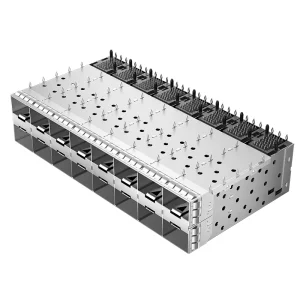
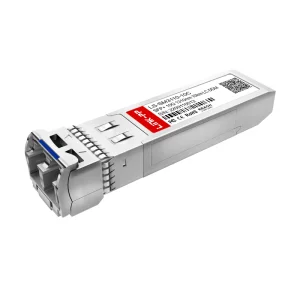
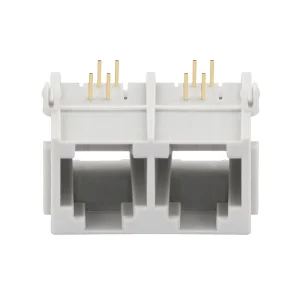
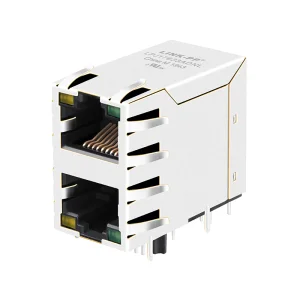
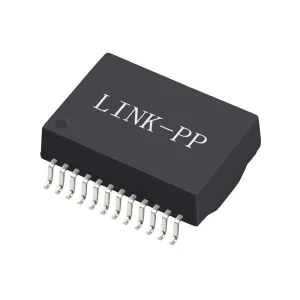
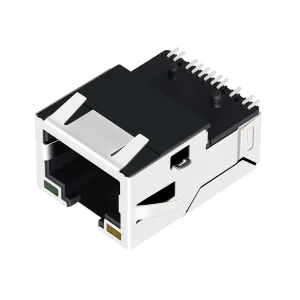
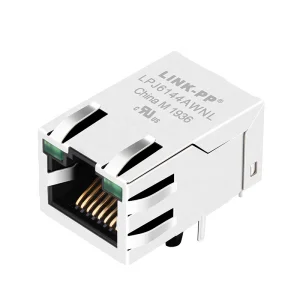
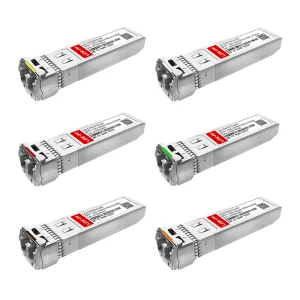
The global connectivity landscape is undergoing an unprecedented architectural transformation. At the physical layer of this global nervous system lies the Ethernet modular interface, predominantly represented by the standardized RJ45 modular connector. Long recognized as the baseline standard for local area network (LAN) connections, the RJ45 interface has evolved far beyond its humble desktop-connectivity origins. Today, it serves as a critical component in enterprise data centers, automated manufacturing plants, localized industrial internet of things (IIoT) setups, and medical imaging facilities.
As massive data processing arrays demand reduced latency and increased signal density, the global market for RJ45 modular connectors, integrated connector modules (ICMs), and hybrid transceiver modules is expanding rapidly. The push for higher data-rate standards—transitioning from legacy 10/100 Base-T networks to multi-gigabit speeds (2.5G, 5G, and 10G Base-T)—has forced connector manufacturers to redesign internal architectures. Shielding mechanism optimization, contact geometry improvement, and the reduction of electromagnetic interference (EMI) are now vital engineering objectives. As a top China modular connector supplier, we have addressed these market forces with highly integrated, cost-optimized solutions designed to bridge traditional copper networks with advanced high-speed optical infrastructures.
"The convergence of multi-gigabit copper networks and next-generation optical structures is the primary driver of modern physical layer engineering. Suppliers must deliver components that can withstand high electrical loads while maintaining flawless signal integrity."
Modern Ethernet physical layers are defined by three major technological trends:
A premier optical transceiver manufacturer and connection solution provider for global telecommunications.
Founded in 2016, OptiLinker operates a specialized, high-efficiency production facility with a total building area of approximately 320㎡. We manage an ecosystem of 850 supply chain partners, enabling stable supply and rapid production turnaround.
OptiLinker implements a 100% incoming material inspection protocol, automated optical inspection (AOI), and comprehensive optical performance testing. Validation routines include Bit Error Rate (BER) testing, eye diagram analysis, and environmental chamber cycling.
With 60 optical engineers, we specialize in high-speed optical layout, signal integrity optimization, and multi-protocol compatibility. In the last year alone, we introduced approximately 120 new products to meet fast-evolving market standards.
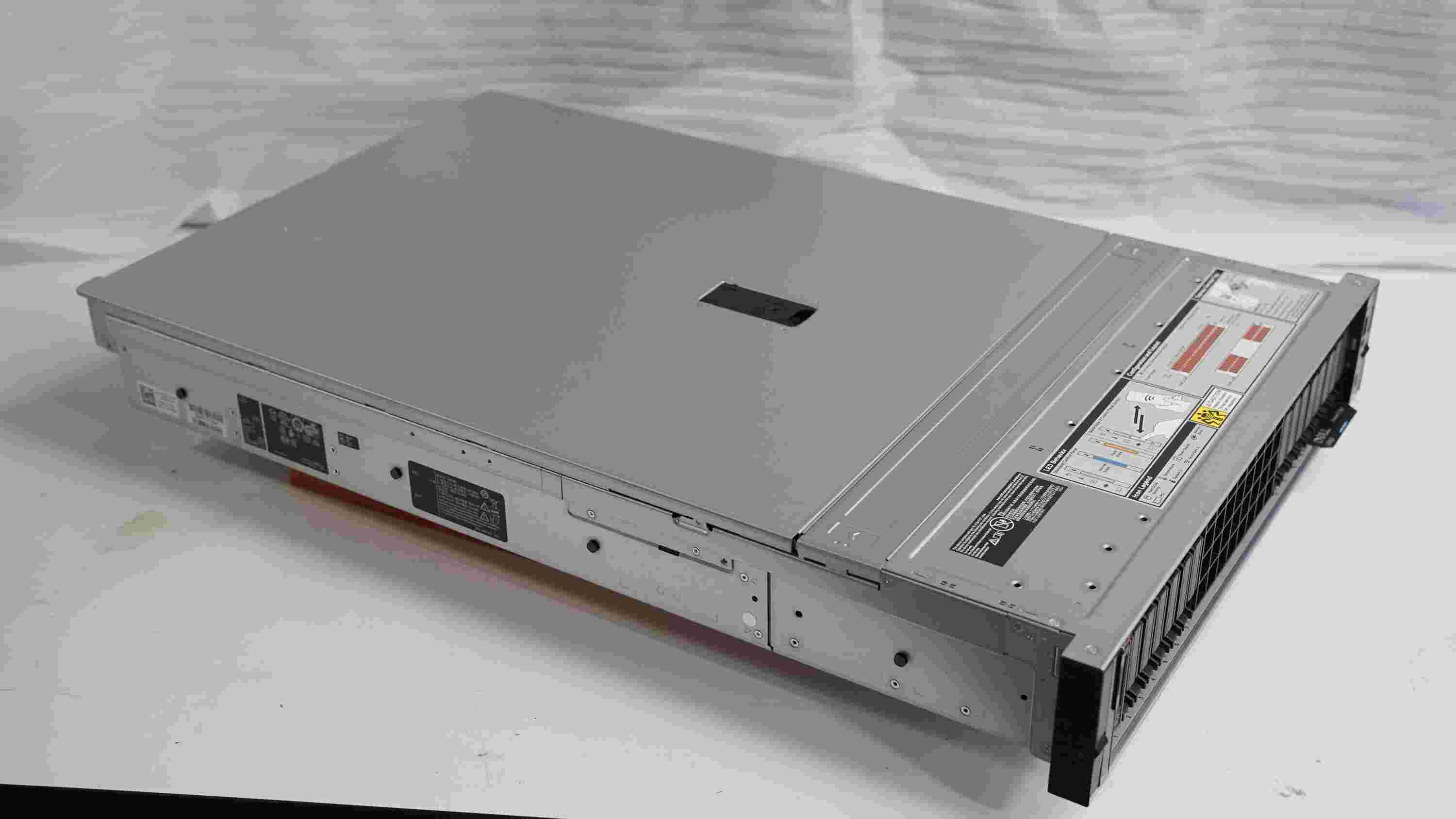
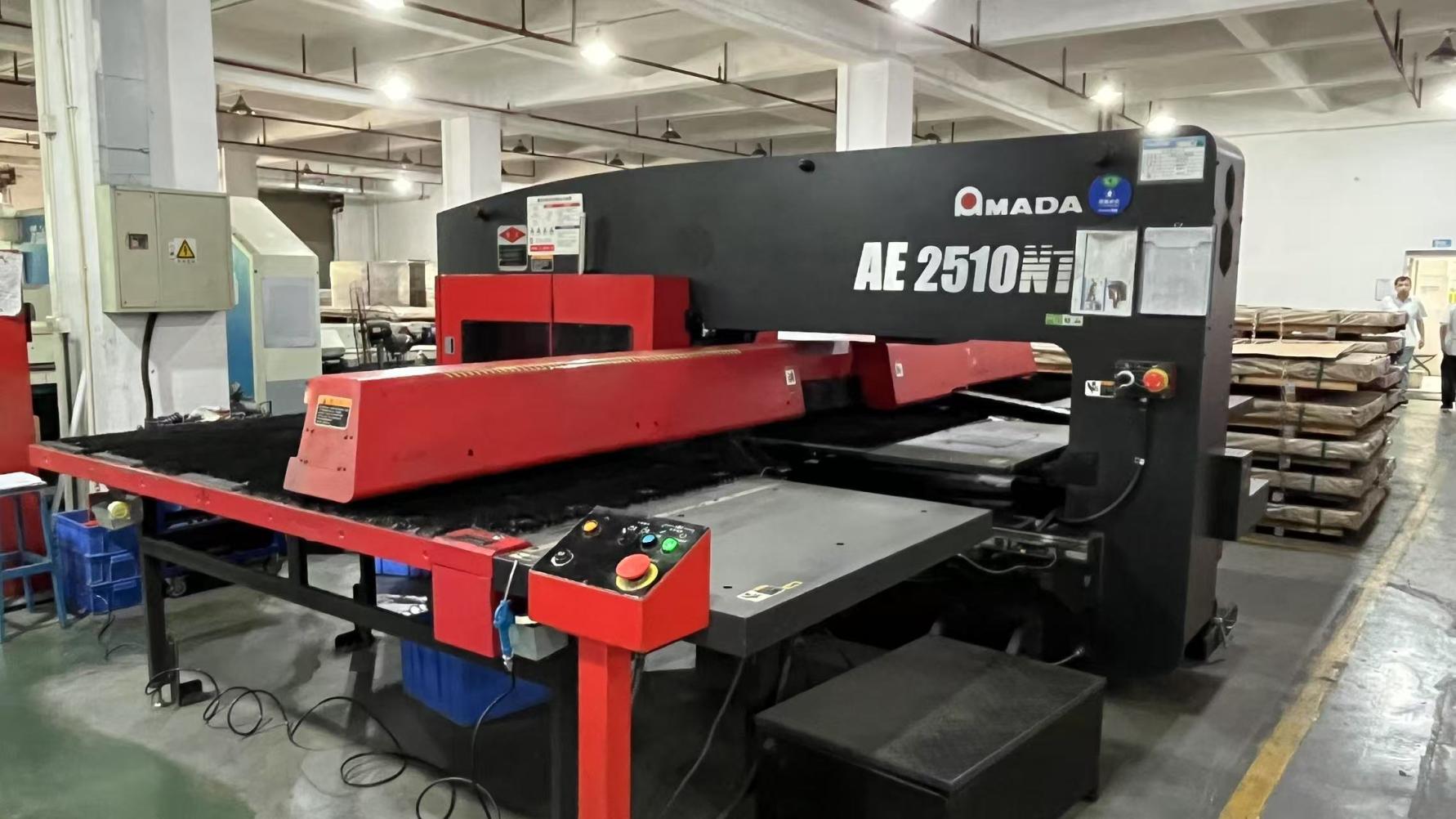
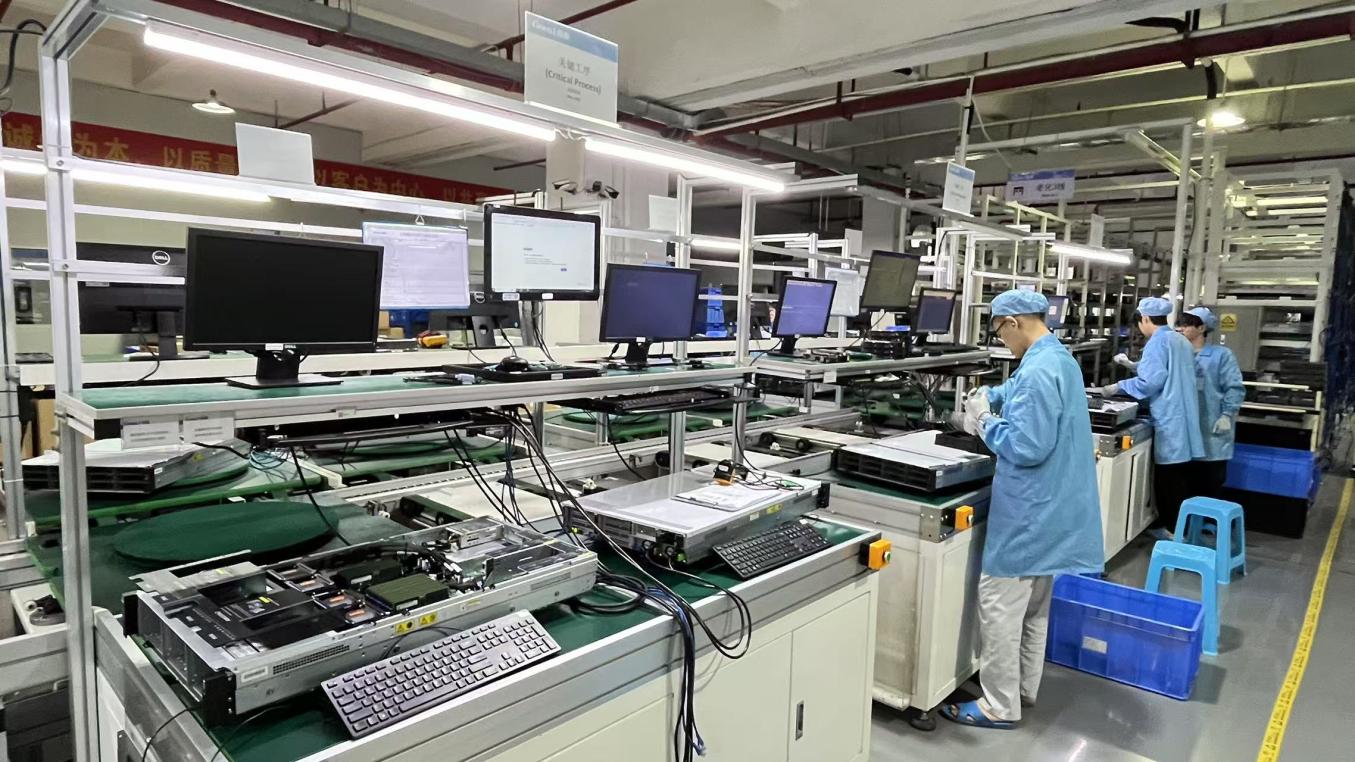
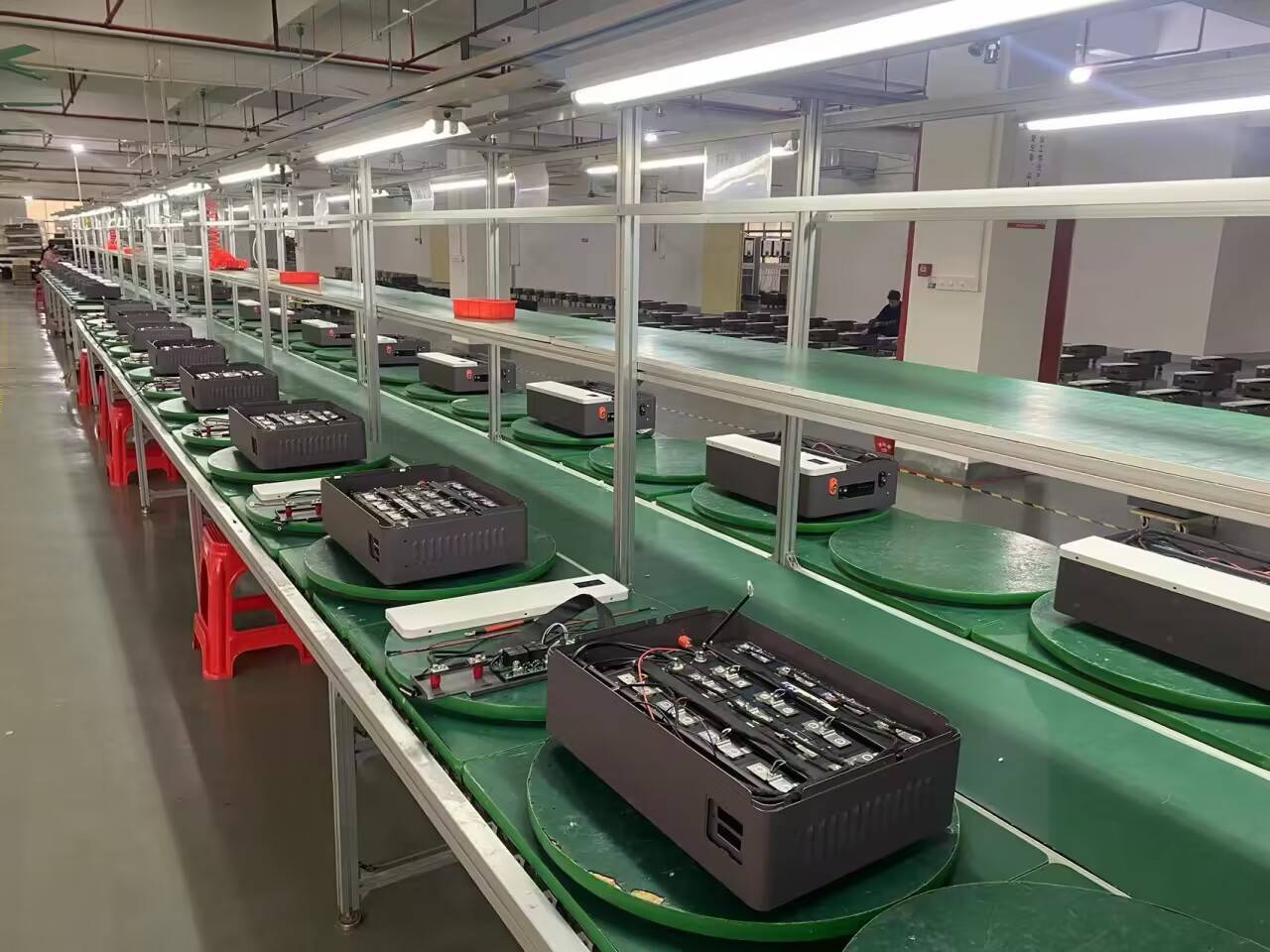
As telecommunication infrastructures move toward higher-speed backplanes, the technical roadmap for modular connectors is diverging into two pathways: ultra-fast optical transceiver integration and advanced, shielded copper connection systems.
The copper segment relies on improving signal-to-noise ratios. Crosstalk—specifically Near-End Crosstalk (NEXT) and Far-End Crosstalk (FEXT)—increases dramatically at higher frequencies. Design tools must utilize finite element analysis (FEA) to model internal electromagnetic fields, optimizing the layout of internal contact pins to cancel out parasitic capacitive and inductive coupling. Furthermore, physical shielding must incorporate multi-point grounding tabs to redirect EMI safely to the system chassis.
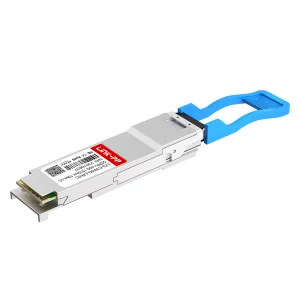
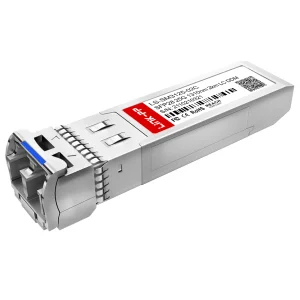
Simultaneously, the optical transceiver sector is experiencing a migration from 10G/25G architectures to 100G, 400G, and eventually 800G form factors. To support these transitions, connectors must achieve tighter integration. OptiLinker is at the forefront of this trend. We offer customized packaging options, custom wavelength configurations, and device compatibility programming to ensure our optical transceivers function seamlessly within legacy switch architectures (such as Cisco, TE, and Ubiquiti).
Rather than positioning copper and optical technologies as competitors, modern network architects implement them as complementary parts of a unified infrastructure:
Suppliers must offer capabilities in both domains to ensure seamless operation at the physical layer, avoiding bottlenecks where copper meets optical backplanes.
Technical guidance and design consideration answers from the OptiLinker engineering department.
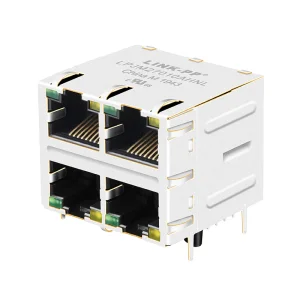
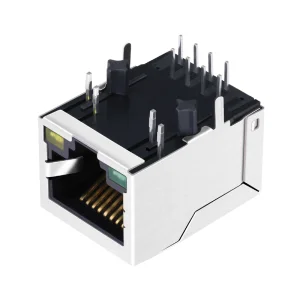
Integrated Connector Modules (ICMs) place the filtering coils, autotransformers, and common-mode chokes inside the shielded RJ45 metal cage. This shortens the signal paths between the contacts and the magnetics, reducing parasitic capacitance and susceptibility to board-level EMI. Additionally, it frees up valuable board space near the PHY chip, simplifies routing, and improves production yield by reducing components on the motherboard.
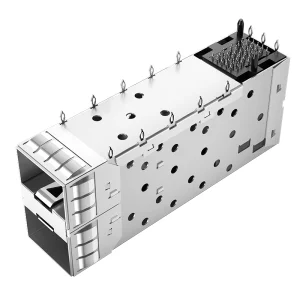
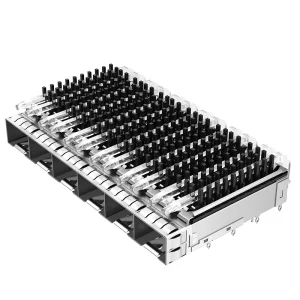
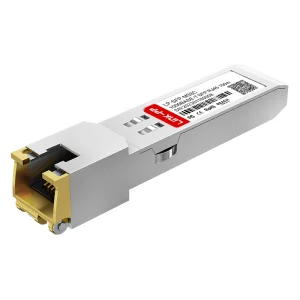
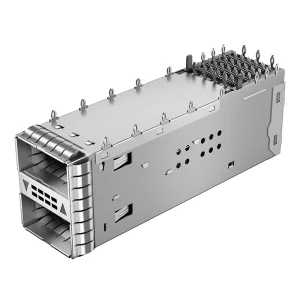
SFP+ cages require robust contact configurations and solid press-fit ground connections to prevent EMI leakage at 10 Gbps and higher speeds. When using copper RJ45 transceivers (like the UF-RJ45-1G) inside these cages, power dissipation is a major consideration. Copper modules draw more current than optical transceivers, meaning cages must be designed with integrated heatsinks or lightpipes to manage heat dissipation effectively.
Our optical transceivers undergo a rigorous firmware programming process to match the EEPROM memory maps expected by major vendors like Cisco, Ubiquiti, and TE Connectivity. In our R&D facility, we maintain compatibility test beds with host devices from these brands. This ensures that every module reports correct digital diagnostics monitoring (DDM/DOM) telemetry and link negotiation values without throwing unsupported device errors.
Our 35-member QC team runs a series of advanced tests, including Automated Optical Inspection (AOI) to find solder flaws, Bit Error Rate (BER) testing to measure data integrity, eye diagram analysis to assess waveform jitter, and high/low temperature chambers to verify performance from -40°C to +85°C. These steps ensure our products meet or exceed the performance profiles needed for critical enterprise operations.
Enhance your backend capabilities with our rugged, high-density cages, fiber modules, and shielded multi-port RJ45 configurations.