OptiLinker OptiLinker

Global Engineering Excellence & Supply Chain Security

Top China RJ45 Ethernet Socket Manufacturers & Supplier

1. Global Commercial & Industrial Landscape of RJ45 Interconnect Systems

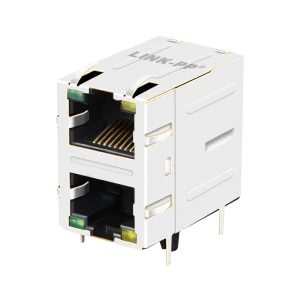
In the era of hyper-scale cloud computing, artificial intelligence pipelines, and high-performance edge storage, the physical layer infrastructure represents the single most critical dependency for structural uptime. The ubiquitous RJ45 Ethernet socket, operating in tandem with high-density SFP/SFP+ cages and copper transceiver structures, forms the bedrock of modern localized copper and optical-to-copper hybrid networks.

Historically utilized for basic Local Area Networks (LANs), the engineering requirements for RJ45 connectors have undergone paradigm shifts. Today's commercial deployment sectors demand components that support data throughput standards scaling from 10/100 Base-T legacy architectures up to Multi-Gigabit Ethernet (2.5G/5G and 10G Base-T). Furthermore, the convergence of data transmission and electric power delivery through Power over Ethernet (PoE, PoE+, and PoE++) technology has elevated the performance benchmarks of standard RJ45 magnetic sockets to levels previously required only in complex industrial power systems.

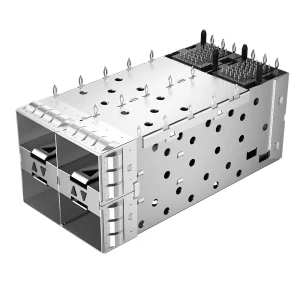
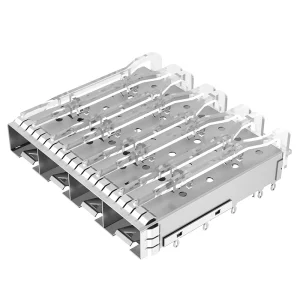
From a global procurement perspective, China is the absolute epicenter of high-precision connector assembly, tooling engineering, and optoelectronic module manufacturing. The integration of local material supply chains, specialized tooling centers, and standardized test systems allows top Chinese manufacturers to offer custom interconnect products that meet or exceed Western telecommunication standards. When sourcing connectors such as TE-compatible SFP+ press-fit cages, multi-port Magjacks, or SFP copper transceivers, global network operators target suppliers who leverage rigorous signal integrity simulation (such as HFSS modeling) to deliver maximum transmission stability.
2. Technical Roadmap: From Discrete Magnetic RJ45 to Shielded Electro-Optical Cages

To implement an optimized network architecture that minimizes attenuation, system engineers must understand the specific electrical and structural pathways of modular connector design. The technical roadmap of RJ45 connectors revolves around three main engineering criteria:

Electromagnetic Interference (EMI) Mitigation

High-density environments are subject to severe electromagnetic fields. Premium manufacturers utilize 360-degree brass or nickel-silver shielding shells with spring-grounding tabs to discharge stray currents directly to the chassis ground, preserving signal integrity across high-frequency bands.

Integrated Magnetics (Magjack Technology)

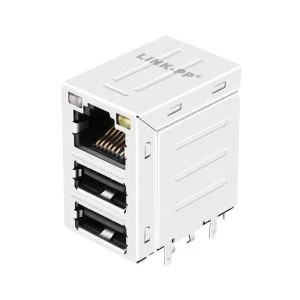
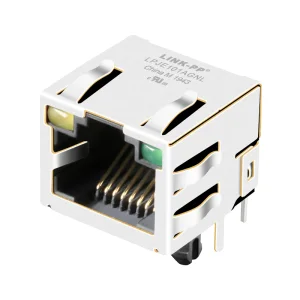
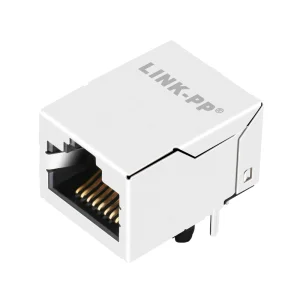
By embedding isolation transformers, common-mode chokes, and LED indicators directly inside the plastic housing, integrated RJ45 Magjacks filter out noise, provide electrical isolation up to 1500V AC, and significantly reduce PCB real estate footprint.

Through-Hole Press-Fit Compliant Pin Design

Unlike hand-soldered connectors that suffer from thermal stress and flux contamination, press-fit (solderless) connections use mechanical interference fits to establish gas-tight electrical pathways. This optimizes transmission uniformity and mechanical reliability.

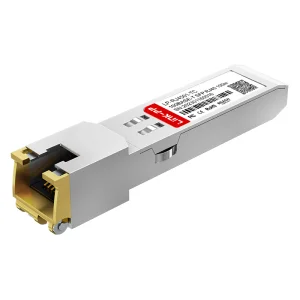
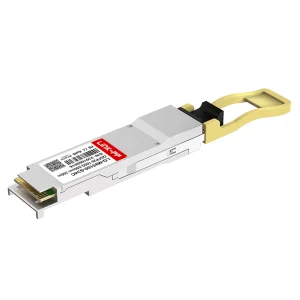
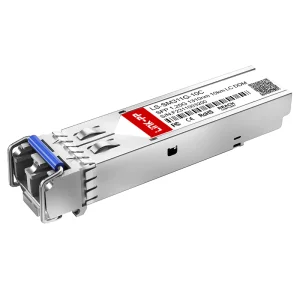
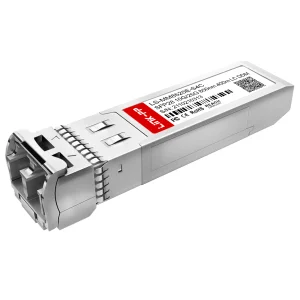
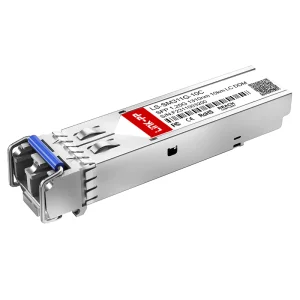
For data rates exceeding 10Gbps, the physical limits of copper twisted-pair cabling necessitate a transition to optical transceivers (such as SFP28, QSFP28, or QSFP-DD form factors). However, the interface between the optical distribution frame and the end-user server terminal often remains copper-based, resulting in a persistent demand for high-performance SFP-to-RJ45 transceivers. These hot-pluggable media converters must run complex PHY chips (Physical Layer Transceivers) inside the compact SFP metal shell, requiring exceptional thermal dissipation designs to prevent packet loss under continuous load.

Expertise, Engineering, Authority & Reliability (E-E-A-T)

Deep profile and quality management matrices of OptiLinker Optoelectronics Co., Ltd. — Your trusted global B2B interconnect partner.

Under the authoritative brand OptiLinker, OptiLinker Optoelectronics Co., Ltd. serves as a premier developer, manufacturer, and solution provider of high-speed optical modules and copper connection accessories for telecommunication systems and commercial cloud deployments. Established in 2016, the enterprise has spent over a decade perfecting signal transmission technologies, establishing a formidable international trade presence.

12+
Years of R&D Experience
$12M
Annual Export Revenue
60+
Senior Optical Engineers
850+
Supply Chain Partners

Operating a modernized precision production facility with a building area of approximately 320㎡, OptiLinker specializes in engineering high-density optical-copper assemblies that operate flawlessly under harsh environmental conditions. The team supports deep OEM/ODM partnerships, offering customized adjustments for: wavelength tuning, transmission distances, structural form factors, custom device compatibility programming, and firmware encoding.

OptiLinker enforces a rigorous Zero-Defect Quality Control system consisting of a dedicated team of 35 QC professionals. Every module undergoes 100% incoming material inspection, Automated Optical Inspection (AOI), and multi-stage performance validation. Physical verification metrics include Bit Error Rate (BER) testing, eye diagram analysis to verify wave shapes, and high-low temperature chamber cycling tests to simulate real-world telecom server racks.

3. Macro-Scale Network Infrastructure & System Solutions

Enterprise and industrial connectivity cannot rely on standalone hardware components. Systems engineers need comprehensive, validated interworking structures that integrate sockets, transceivers, and cages. Below are three key system deployment profiles utilized globally:

Data Center High-Density Top-of-Rack (ToR) Cabling

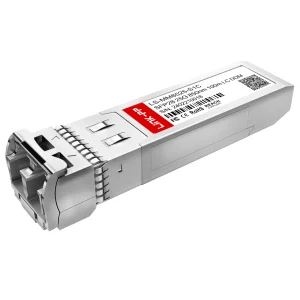
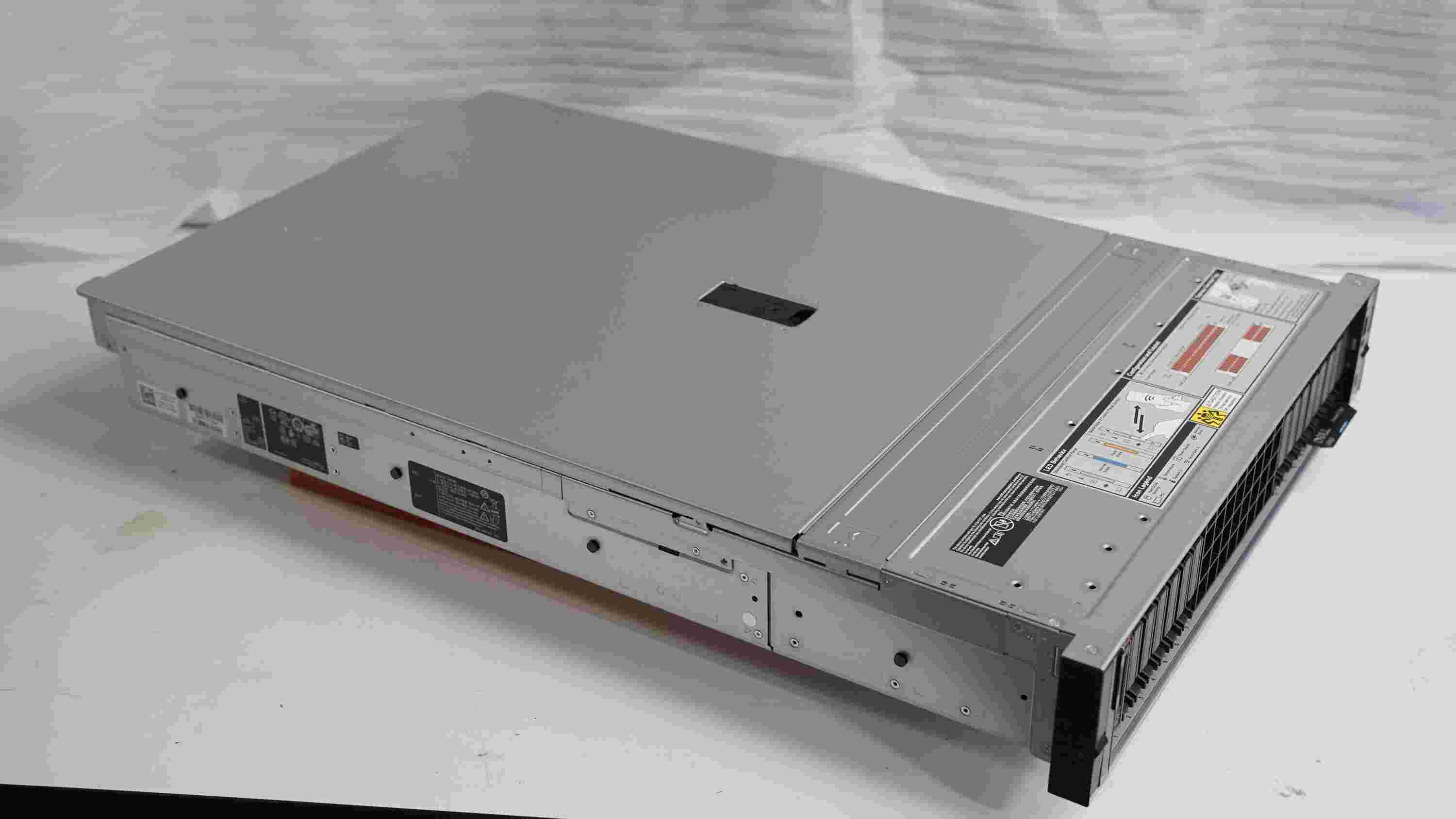
In cloud service centers, server blades are interconnected using high-performance SFP28/QSFP28 cages. OptiLinker’s TE-compatible cages and 10G/25G copper SFP transceivers form a high-speed, direct-attach network link that provides low-latency interconnects between physical servers and physical switches.

Industrial IoT & Automation Control Systems

Industrial environments expose networking hardware to mechanical vibrations and chemical contaminants. Utilizing shielded 1-port RJ45 connectors and USB-RJ45 combo sockets ensures physical connection retention and stops industrial EMI from corrupting factory control buses.

Next-Gen Telecommunications & FTTx Networks

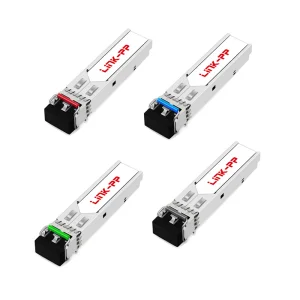
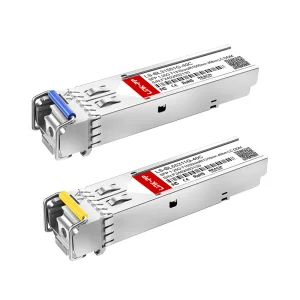
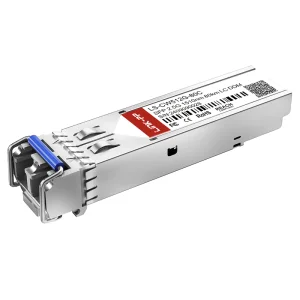
For fiber-to-the-cabinet (FTTC) and long-distance backhauls, 1G/2.5G/25G single-mode CWDM optical transceivers are combined with RJ45 management interfaces. This enables network engineers to remotely tune, monitor, and reset optical connections through standard copper consoles.

4. Localization & Regional Environmental Adaptability

OptiLinker’s solutions are engineered to meet the unique structural requirements, certifications, and atmospheric conditions of regional global markets:

  • North America: Hyperscale cloud deployments here require compliance with strict UL/FCC electromagnetic radiation regulations. OptiLinker’s TE-compatible cages feature custom EMI gaskets and advanced spring configurations to satisfy these specifications.
  • Europe: European telecommunication systems emphasize CE conformity, RoHS hazardous substance limitations, and high energy efficiency. Every piece of equipment shipped to European partners features fully lead-free soldering and low-power PHY chipsets.
  • Southeast Asia & the Middle East: High operating temperatures and humidity levels can quickly degrade standard connectors. OptiLinker uses 50-micro-inch gold-plated contact pins and industrial-grade high-temperature liquid crystal polymer (LCP) plastics to prevent thermal warping and oxidation.

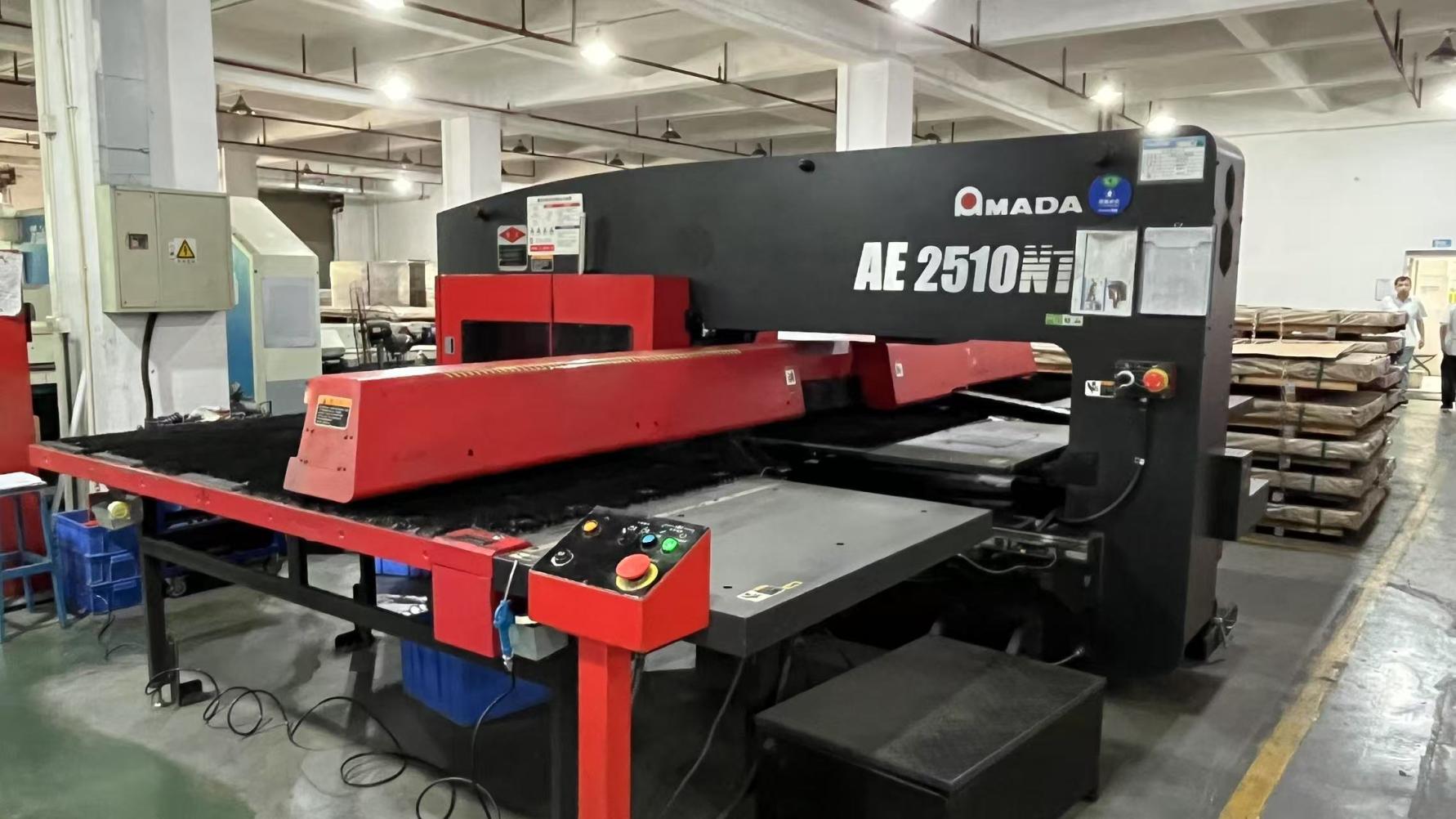
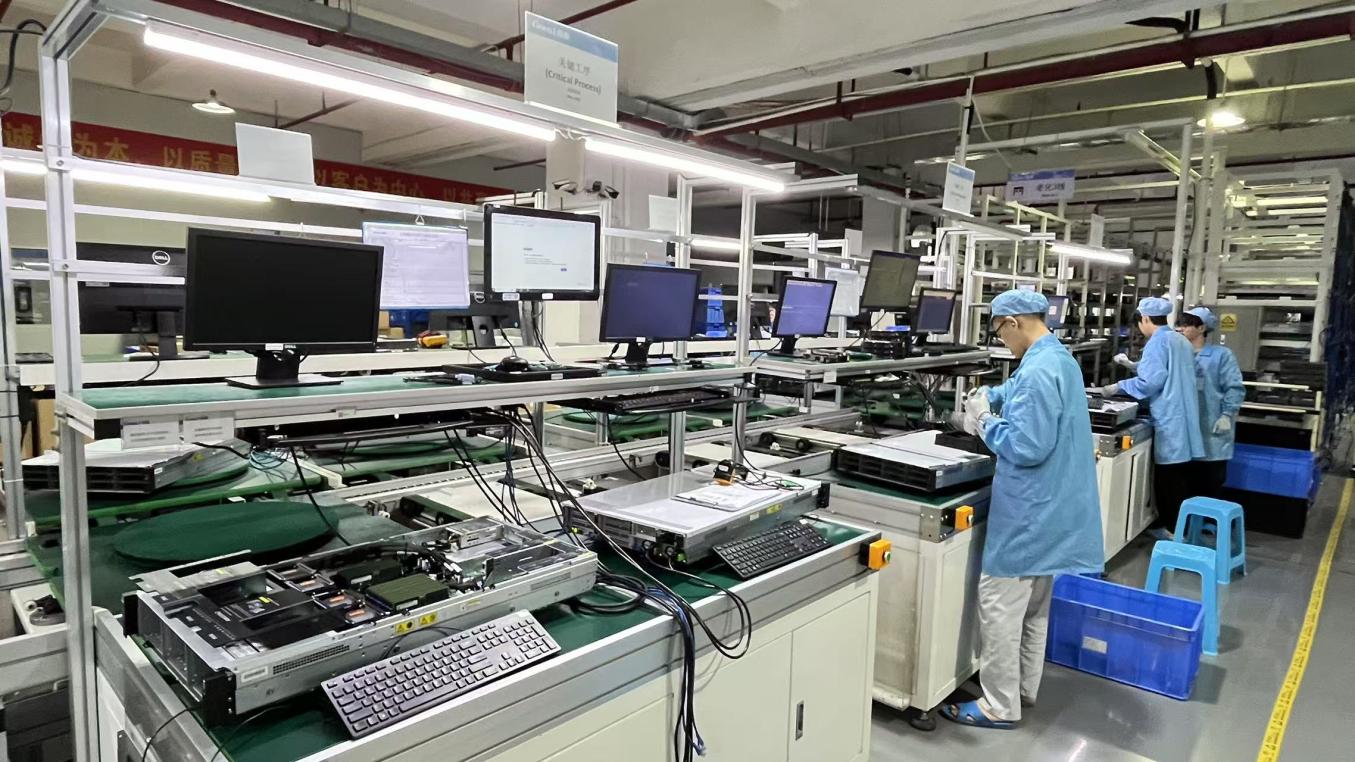
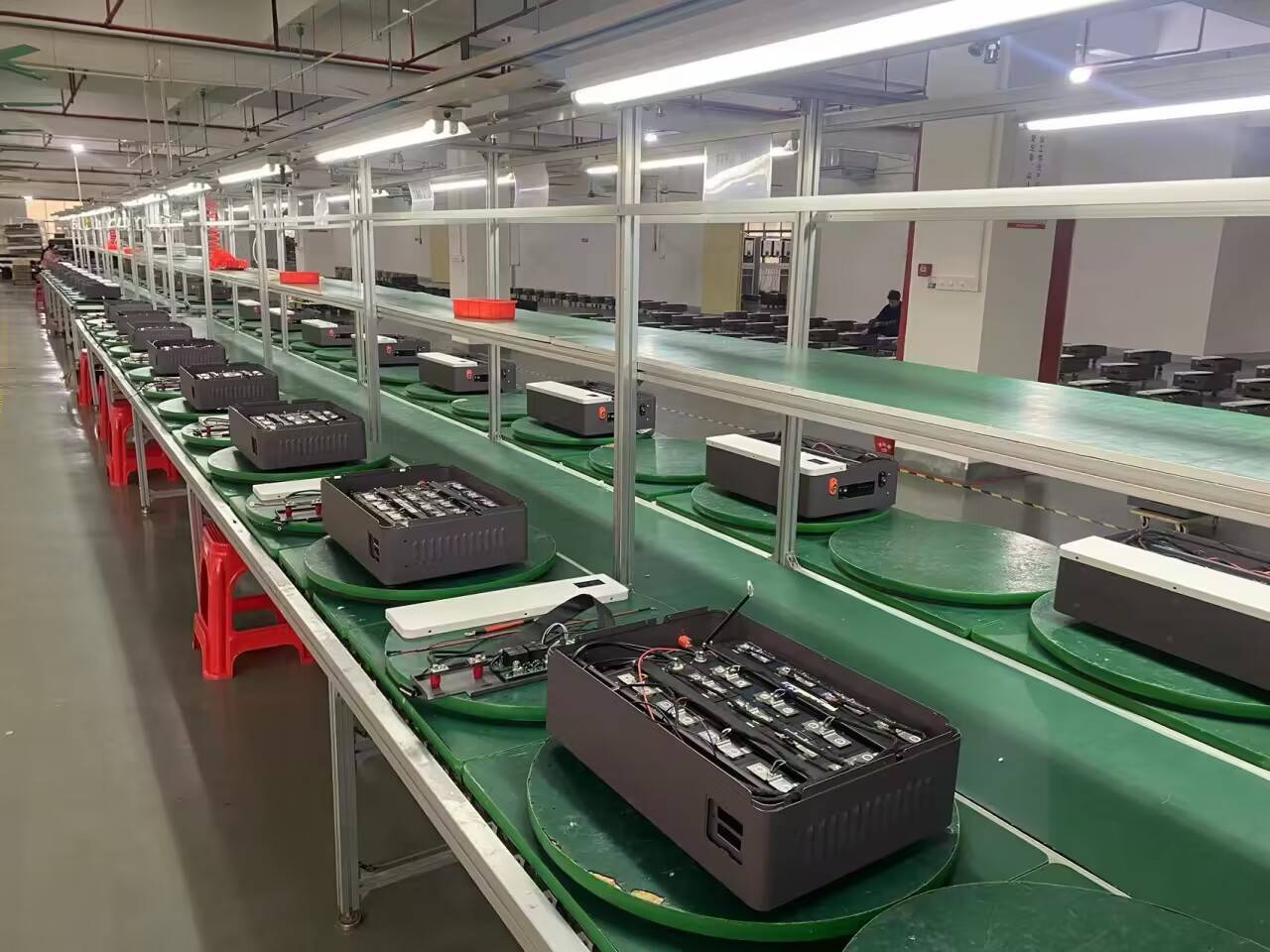
Global Production & Validation Facilities

Take a look inside OptiLinker’s ISO-certified assembly cleanrooms, automated optical testing labs, and high-frequency wave verification centers.

5. Technology Roadmap: Future Interconnect Trends (2026 and Beyond)

The networking industry is moving toward higher density and thermal efficiency. OptiLinker is tracking three core trends to shape the future of high-speed interconnect solutions:

  1. Co-Packaged Optics (CPO) Integration: As data rates surpass 800G and 1.6T, standard SFP and QSFP packaging styles run up against physical limits. CPO architectures place the optical engine directly on the same substrate as the main ASIC switch chip, reducing transmission losses and latency. OptiLinker is currently researching substrate coupling techniques to support this evolution.
  2. High-Power PoE Evolution (PoE++ / Type 4): Modern enterprise Wi-Fi 7 access points, HD pan-tilt-zoom security systems, and LED lighting grids call for up to 90W–100W of power delivered directly over Ethernet lines. Meeting this demand requires RJ45 magnetic sockets to use specialized magnetic core wind patterns and high-temperature materials that prevent electrical arcing and core saturation.
  3. Sustainable, Environmentally Conscious Materials: With global supply chains prioritizing carbon reduction, OptiLinker is incorporating bio-based plastics and recycled metals into our socket housing lines, helping our partners achieve their corporate ESG targets.

Deep Technical FAQ: Resolving Sourcing & Engineering Questions

Direct technical insights to guide your selection of RJ45 sockets, magnetic jacks, and transceiver modules.

What is the difference between an integrated RJ45 socket (Magjack) and a discrete magnetic design?
An integrated RJ45 socket (Magjack) houses the isolation transformer, common-mode choke, and resistors inside the plastic port body. This design helps prevent electromagnetic interference (EMI), saves board space, and improves signal integrity. A discrete design places these magnetic components separately on the main PCB board. Discrete components are easier to source at low cost but increase the board layout footprint and are more vulnerable to external electrical noise.
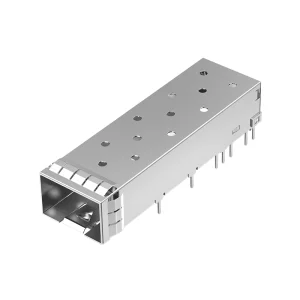
Why should I choose press-fit (solderless) cages like the TE-compatible SFP+ press-fit cage?
Press-fit compliant pin technology allows you to install cages on the PCB using mechanical pressure instead of high-temperature soldering. This protects components from thermal shock, avoids flux contamination, and creates a highly stable, gas-tight mechanical connection. This design simplifies installation and makes it easier to replace components on the line.
How does OptiLinker ensure compatibility with brands like Cisco and HPE Aruba?
OptiLinker uses a dedicated testing process to ensure full software compatibility. Our engineers program transceiver EEPROMs with custom coding and configurations matching the host system's identification parameters. Every module is verified on actual target switch hardware to ensure it initializes, is recognized correctly by the network software, and reports real-time DOM telemetry data without errors.
What testing processes are performed on OptiLinker transceivers before they are shipped?
Our quality control teams perform a complete suite of performance tests on every unit. This includes Automated Optical Inspection (AOI) for mechanical assembly, eye diagram analysis to check signal wave shapes, Bit Error Rate (BER) tests, optical power monitoring, and high/low temperature testing to ensure stability in hot server racks.
What is the benefit of using SFP Copper Transceivers (100BASE-T/1000BASE-T) rather than direct fiber links?
Copper transceivers allow network operators to use existing Cat5e or Cat6 copper cabling for short runs (up to 100m) without needing to install optical fiber lines. This makes it simple to integrate legacy copper-based equipment into high-density optical switches, protecting your current hardware investments.
How do light pipes improve server maintenance in high-density data centers?
Light pipes act as physical light guides, routing light from LEDs mounted on the PCB to the front face of the connector housing. This allows technicians to easily check port status, connection speeds, and port activity directly on the front panel, simplifying troubleshooting in dark server racks.