OptiLinker OptiLinker

Top 10 Single Mode SFP Module Manufacturers & Factory

A Comprehensive Guide to Global Optical Infrastructure, Industry Benchmarks, and High-Speed Transceiver Sourcing

Featured Interconnect & Transceiver Solutions

High-performance network modules and structural connectors engineering seamless optical architectures.
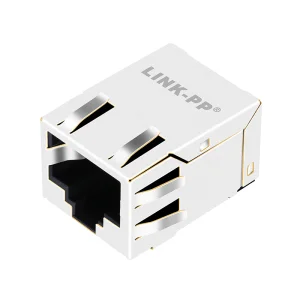
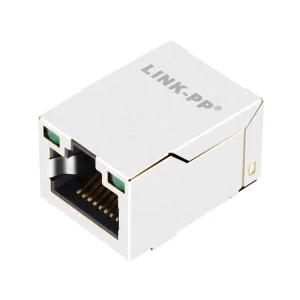
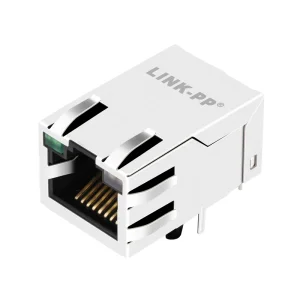
xmh-trjk2064aonl Single Port SMT RJ45 Modular Jack Connector
View Details
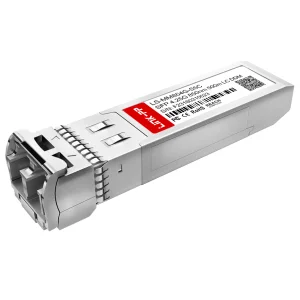
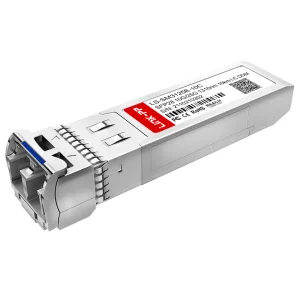
Cisco SFP-10/25G-LR-S Compatible Single Mode Dual rate 10G/25G SFP28 Optical Transceiver Module
Cisco SFP-10/25G-LR-S Compatible Single Mode Dual rate 10G/25G 1310nm SFP28 Optical Transceiver Module 10km
View Details
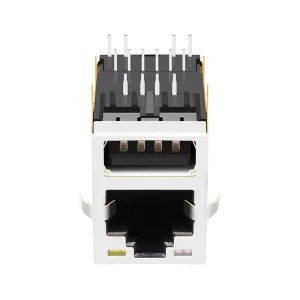
7497011611A 10/100 Base-t Tab up Magnetic USB RJ45 Ethernet Connector
7497011611A 10/100 Base-t Tab up Magnetic USB RJ45 Ethernet Female RJ45 Connector With Led
View Details
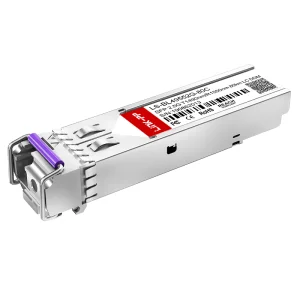
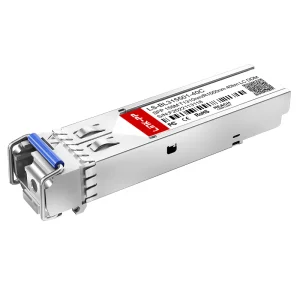
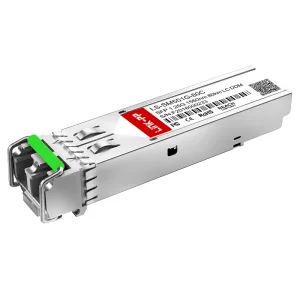
Single Mode 2.5G SFP Bidi Transceiver 80km Simplex LC Optical Module
1490nm-TX/1550nm-RX Single Mode 2.5G SFP Bidi Transceiver 80km Simplex LC Optical Module
View Details
J4858D HPE Aruba Compatible 1000BASE SX SFP Module
J4858D HPE Aruba Compatible 1000BASE SX Duplex LC Optical Transceiver Multimode 850nm 1.25G SFP Module 550m
View Details
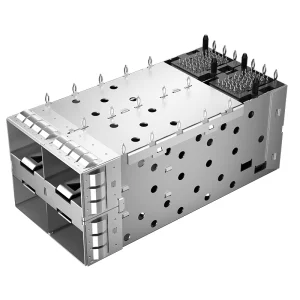
2007637-4 TE Compatible Through Hole SFP Cage
2007637-4 TE Compatible Through Hole 80P 2x2 Ports Press-Fit EMI Shielded SFP+ Cage With Connector
View Details
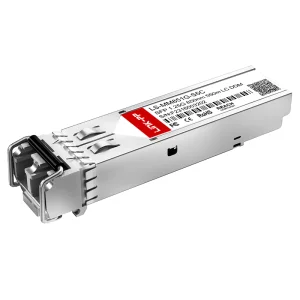
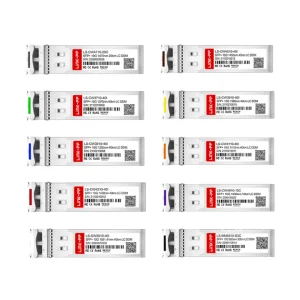
Multi-mode 850nm SFP 4G Optical Transceiver Module
Multi-mode 850nm SFP 4G 500m DDM MMF Duplex LC Optical Transceiver Module
View Details
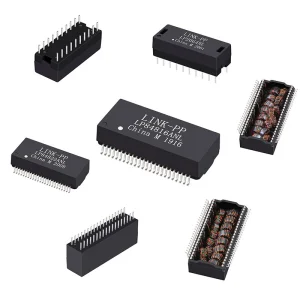
1000BASE-tx Discrete Magnetic Transformer
1000BASE-tx Discrete Magnetic Transformer HST-24001SCR / HST-24001SXCR
View Details

1. The Global Commercial & Industrial Paradigm of Single Mode SFP Modules

In the era of hyper-scale cloud data centers, 5G cellular communication networks, and global fiber-to-the-home (FTTH) architectures, the **Single Mode SFP (Small Form-factor Pluggable) module** has transitioned from a specialized long-haul networking tool to the foundational bedrock of global telecommunication pipelines. Unlike multi-mode fibers (MMF) that operate on wider core diameters and are restricted to short distances due to modal dispersion, single-mode fiber (SMF) setups use a narrow core of 8 to 10 micrometers. This physical attribute allows a single light ray to propagate along a single path, virtually eliminating modal dispersion and permitting transmission distances that scale from 10 kilometers up to 120 kilometers and beyond without signal degeneration.

Currently, the global optical transceiver market is undergoing a structural transformation. Industrial applications in remote utility sensing, offshore wind farms, smart transportation, and financial trading desks demand low-latency, high-throughput transceivers. Sourcing teams and system engineers are faced with the critical challenge of evaluating high-performance components that adhere to strict Multi-Source Agreements (MSA). SFP modules are required to operate reliably under extreme temperature profiles (ranging from -40°C to 85°C for industrial grade) and maintain highly calibrated Digital Diagnostics Monitoring (DDM/DOM) reporting. Consequently, understanding the global manufacturing landscape is paramount to ensuring network stability and minimizing operational expenditures.

Hyperscale Scaling

Migration from 10G/25G to 100G/400G and future 800G form factors within dense, spine-and-leaf network architectures.

Industrial Resilience

Hardened transceiver options deployed in smart grids, rail networks, and outdoor telecom cabinets with extreme thermal variations.

Wavelength Efficiency

Broad utilization of CWDM, DWDM, and BiDi technologies to maximize bandwidth over single-strand or dual-strand physical fiber.

2. Selection Matrix: Sourcing Criteria for the Top 10 Single Mode SFP Module Manufacturers

When procuring single-mode optical transceivers at scale, focusing solely on the per-unit cost can lead to catastrophic network down-time, protocol mismatches, and premature hardware failure. Technical procurement teams utilize a multi-layered verification framework to filter top-tier factories. A reliable manufacturer must display competence in:

  • EEPROM Firmware Coding & Multi-Vendor Compatibility: The transceiver must host correctly programmed EEPROM metadata matching the host switch's required signature (e.g., Cisco, HPE, Juniper, Arista). A manufacturer's ability to custom-code firmware prevents the host operating system from rejecting third-party modules.
  • Strict MSA Compliance: Adhering to standards such as SFF-8472 (Digital Diagnostic Monitoring Interface) and SFF-8431 (SFP+ electrical specifications) ensures electrical, mechanical, and thermal compatibility with any standard network switch port.
  • Automated Optoelectronic Packaging & Yield Control: The best factories utilize high-precision automated sub-assembly processes (such as TO-can optical sub-assemblies (OSA) alignment) to guarantee uniform optical power budgets, low insertion losses, and high extinction ratios.
  • Comprehensive Quality Control Loops: Verification must include automated optical inspection (AOI), Bit Error Rate (BER) validation, thermal chambers simulating cycle limits, and eye diagram testing to verify signal integrity.

12+ Yrs

Optical Manufacturing Expertise

60+

Dedicated R&D Engineers

35+

Quality Assurance Experts

120+

New Products Launched Annually

3. Spotlight: OptiLinker Optoelectronics Co., Ltd. (OptiLinker)

An Industry-Leading Manufacturer of High-Speed Optical Modules & Integrated Transceiver Platforms

OptiLinker Optoelectronics Co., Ltd. is a premier, specialized optical transceiver manufacturer and comprehensive solution provider operating under the globally recognized brand OptiLinker (www.optilinkertrans.com). The company specializes in the design, engineering, and high-volume fabrication of high-speed optical communication modules engineered for modern data centers, telecom infrastructures, and industrial Ethernet deployments.

Established in 2016, OptiLinker manages a highly optimized, state-of-the-art production cleanroom and R&D center with a total building footprint of approximately 320m². Backed by a deep legacy of innovation in active optical cables and transceiver alignments, the core technical team brings over 12 years of industry experience, backed by 8 years of international export operations.

OptiLinker's commercial success is reflected in its robust global footprint, achieving an **annual export revenue of USD 12 million** in the past fiscal year. The organization operates as a trusted partner for telecom operators, system integrators, and networking OEMs across **North America, Europe, Southeast Asia, and the Middle East**.

Quality is a non-negotiable benchmark at OptiLinker. The facility executes a **100% incoming material inspection**, automated optical inspections (AOI), and full-scale optoelectronic performance testing. The verification regime includes rigorous Bit Error Rate (BER) analysis, eye diagram profiling to ensure jitter compliance, and thermal cycling tests to ensure uninterrupted operations. This entire operation is monitored by a team of 35 dedicated QC professionals.

Leveraging an extensive supply chain ecosystem comprising over 850 strategic partners, OptiLinker maintains stable material sourcing, preventing component bottlenecks. Supported by a robust engineering core of 60 optical R&D engineers, OptiLinker excels in customizable parameters, including wavelength tuning, transmission distances, diverse packaging options, and firmware compatibility programming.
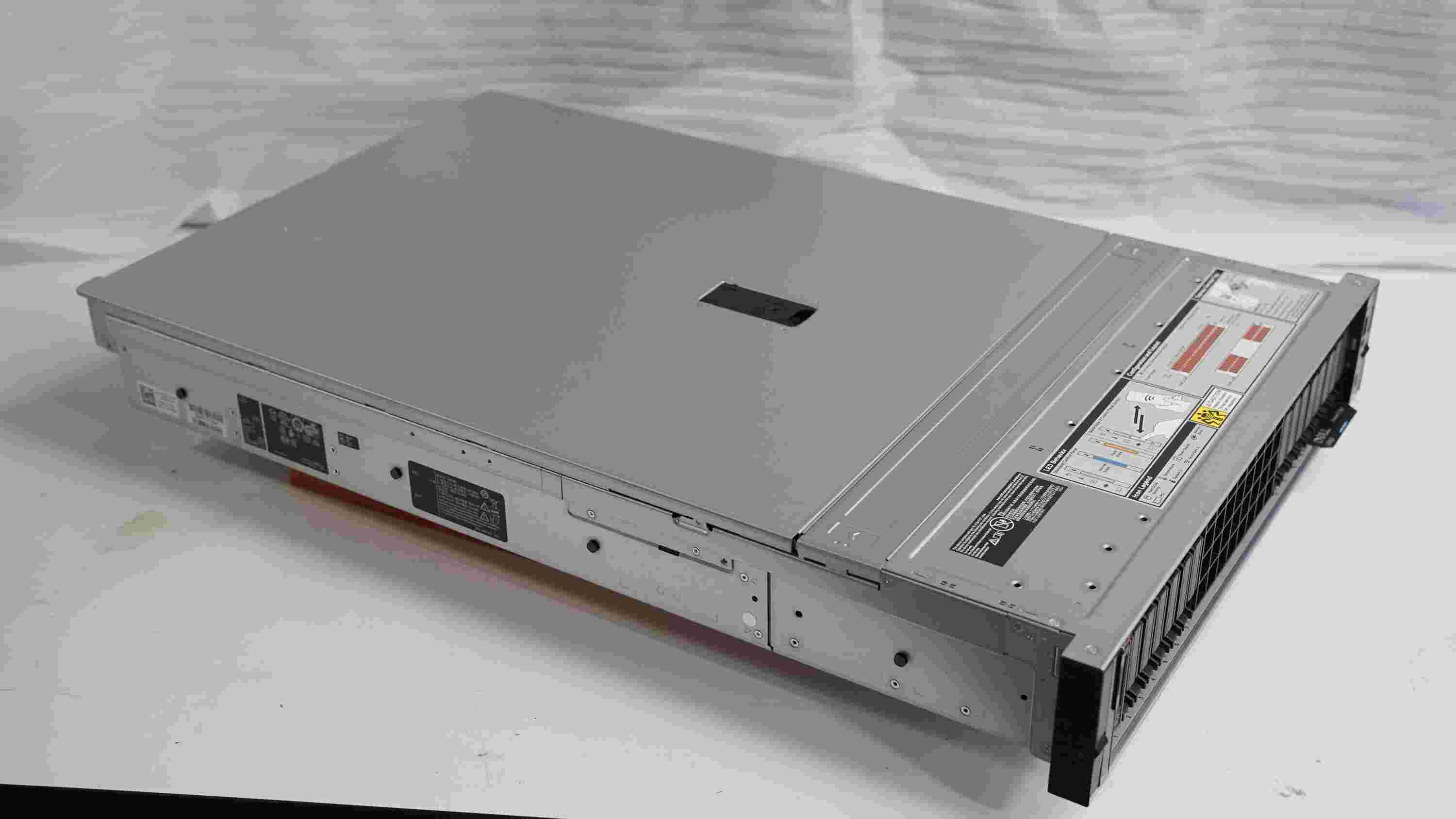

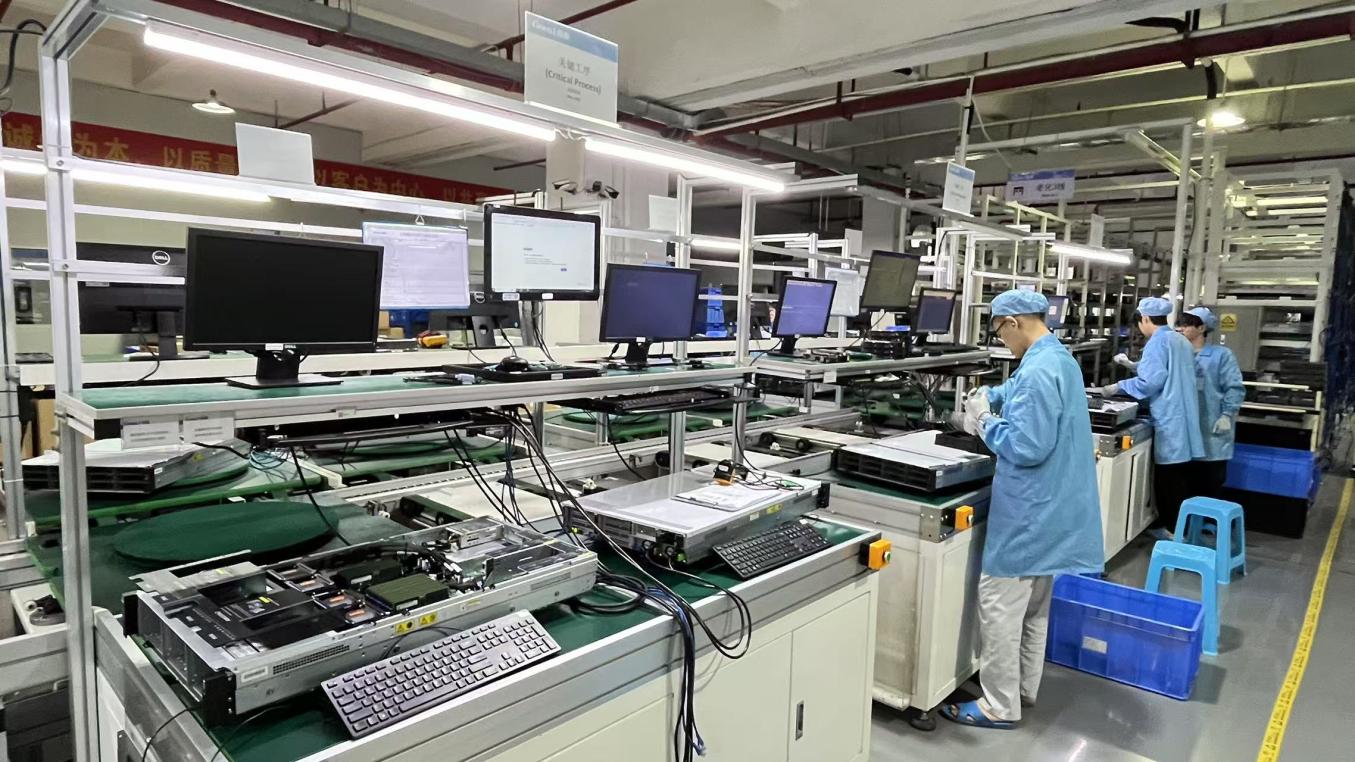
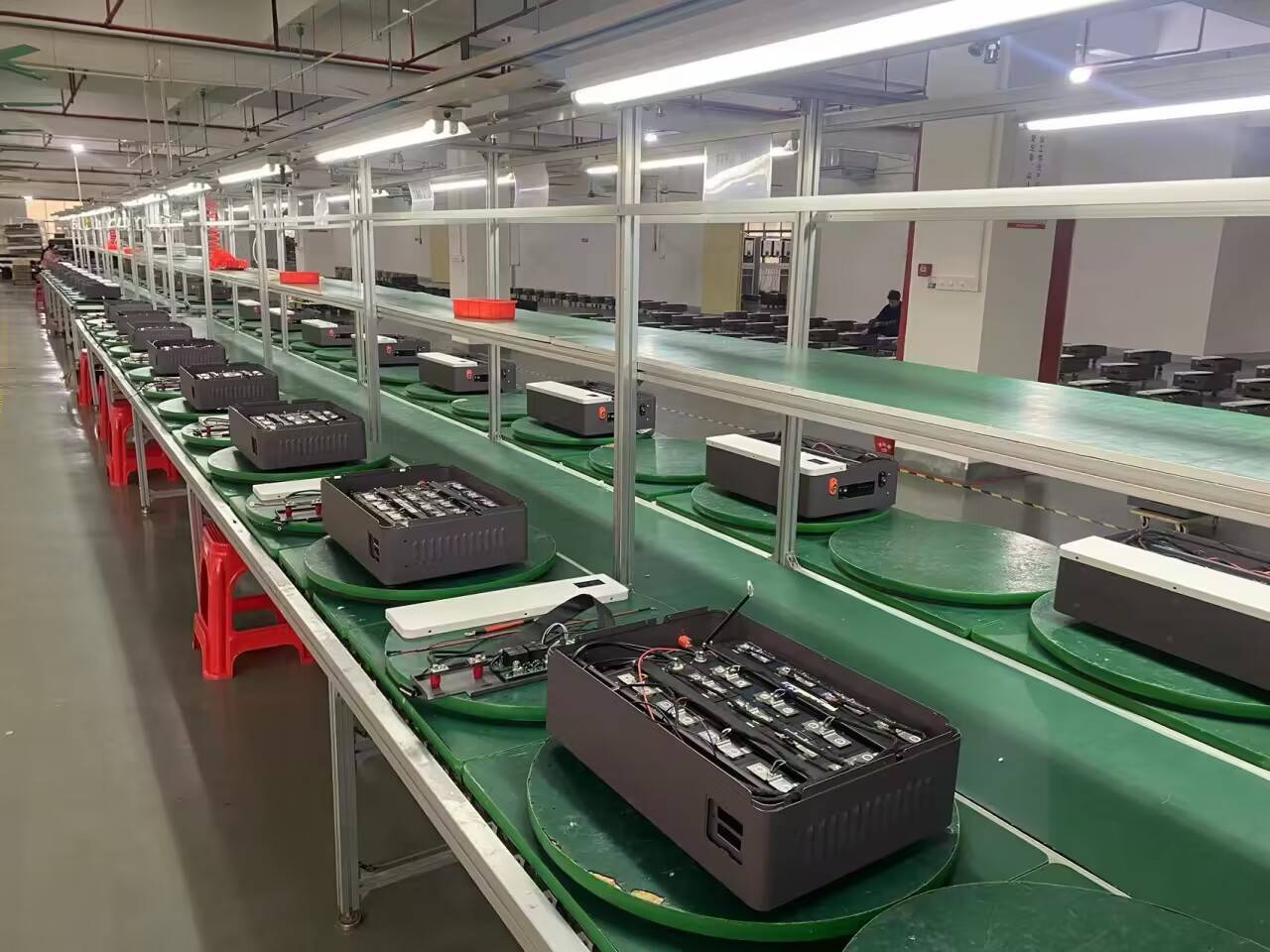
OptiLinker Automated Optical Testing Cleanroom Facility SFP Transceiver Module Production Line High-Speed Digital Communication Testing Instrumentation OptiLinker Quality Control and Packaging Area

4. Technical Roadmap & Future Outlook of Single Mode Optical Modules

The roadmap of single-mode optical interfaces is governed by the insatiable demand for bandwidth density and electrical efficiency. As network architectures transition from classic NRZ (Non-Return-to-Zero) modulation to PAM4 (Pulse Amplitude Modulation 4-Level) and coherent detection, manufacturers are pushing the envelope of physical layer optics.

25G SFP28
Enhanced Line Rate Capacity: Leveraging 25G channels allows direct migration from standard 10G SFP+ form factors without altering rack dimensions. Single-mode SFP28 LR transceivers reach up to 10km over standard G.652 single-mode fiber, integrating digital diagnostics for real-time monitoring.
50G SFP56
PAM4 Transition: Using advanced DSP architectures, SFP56 modules double the spectral efficiency of standard NRZ lines, packing 50G speeds into the same mechanical envelope. Ideal for high-density 5G midhaul connectivity and modern enterprise routing nodes.
100G SFP-DD
Dual-Density Form Factors: Utilizing an additional row of electrical contacts, SFP-DD (Small Form-Factor Pluggable Double Density) interfaces allow high-density multi-lane configurations. This enables 100G capacities directly at the edge, maximizing bandwidth density while maintaining backward compatibility with legacy SFP form factors.
CPO & Silicon
Co-Packaged Optics & Silicon Photonics: Integrating laser arrays and modulator electronics directly onto the silicon die. This design minimizes insertion loss, eliminates RF interface impedances, and optimizes thermal performance, paving the way for sustainable 1.6T and 3.2T switching engines.

5. Macro Industry Solutions & Application Scenarios

Single Mode SFP Modules are deployed across diverse and demanding vertical industries. Because single-mode lasers (typically 1310nm, 1550nm, or CWDM/DWDM grids) can maintain phase alignment and signal strength over long runs, they serve as the backbone for critical applications:

5G Fronthaul & Backhaul

Connecting Remote Radio Heads (RRH) to Baseband Units (BBU) via high-speed, low-latency BiDi (Bidirectional) SFP modules. These modules utilize wavelength division multiplexing (e.g., 1270nm TX / 1330nm RX) to send and receive signals over a single strand of fiber, optimizing fiber lease costs for mobile operators.

Hyperscale Cloud Data Centers

Linking core switch clusters to edge routers. While multi-mode fiber is common within individual server racks, single-mode transceivers (like CWDM4 and LR4) are required to bridge larger spans within mega data center campuses, where cabling runs routinely exceed 500 meters.

Smart Grid Utility Monitoring

Electrical substations demand electromagnetic interference (EMI) immune communications. Single-mode SFP modules enable industrial Ethernet switches to communicate across high-voltage yards, transmitting telemetry and protection data over tens of kilometers without risk of ground loop interference.

6. Technical FAQ: Expert Insights on Single Mode SFPs

Addressing standard architectural and deployment queries raised by network engineers and procurement teams.

Q1: What is the primary operational difference between Single Mode SFP and Multi-Mode SFP?
Single Mode SFPs (SMF) feature a narrow core (typically 9/125µm) designed for long-distance transmissions, operating at wavelengths of 1310nm or 1550nm. They utilize laser sources that allow light to propagate in a single mode, preventing dispersion. Multi-Mode SFPs (MMF) have a larger core (50/125µm or 62.5/125µm) and operate at 850nm with LED or VCSEL sources, limiting their reach to short distances (typically under 550m) due to modal dispersion.
Q2: Can I plug a Single Mode SFP module into a Multi-Mode fiber patch cable?
Generally, no. Doing so introduces severe coupling losses. The narrow light beam from a single-mode SFP transmitter will disperse unevenly inside a wider multi-mode core, causing high insertion loss, severe modal noise, and signal attenuation that typically prevents link establishment or results in high Bit Error Rates (BER).
Q3: How does Digital Diagnostics Monitoring (DDM/DOM) protect network infrastructure?
DDM (complying with SFF-8472) enables the network administrator to monitor real-time operating parameters of the module. This includes TX optical output power, RX optical input power, internal operating temperature, laser bias current, and transceiver supply voltage. Alarms can be set to alert operators before a laser fails completely, preventing unscheduled downtime.
Q4: What is the difference between SFP, SFP+, SFP28, and QSFP form factors?
These acronyms define the mechanical and electrical dimensions (form factors) and maximum data rates: SFP supports up to 1.25 Gbps; SFP+ supports 10 Gbps; SFP28 supports 25 Gbps; and QSFP (Quad SFP) utilizes four parallel channels to achieve speeds of 40 Gbps or 100 Gbps (QSFP28). They are designed for different bandwidth thresholds within network nodes.
Q5: Why is host device compatibility verification critical during the procurement phase?
Many enterprise switch vendors write proprietary software blocks into their operating systems to reject non-certified transceivers. If the transceiver's internal EEPROM does not contain the correct cryptographic signatures or vendor ID codes, the switch will disable the port. Elite manufacturers like OptiLinker write custom firmware codes to ensure the transceiver is recognized as compatible by host switches from manufacturers like Cisco, Juniper, and HPE.
Q6: What are the key environmental benefits of deploying Bidirectional (BiDi) Single Mode SFPs?
BiDi modules allow optical signals to be transmitted and received simultaneously on a single strand of fiber by utilizing different wavelengths (e.g., 1310nm TX and 1550nm RX). This doubles the capacity of existing fiber infrastructure without requiring new cable installations, significantly reducing physical footprint, deployment complexity, and fiber leasing costs.
Q7: Why are BER (Bit Error Rate) and eye diagram testing crucial for single mode modules?
An eye diagram reveals noise, jitter, and signal distortion in high-speed optical outputs. A clean "open eye" indicates that the signal can be accurately sampled at the receiver. Combined with BER testing, which measures the percentage of corrupted bits, these tests guarantee that the transceiver will perform reliably across its entire rated distance and operating temperature range.
Q8: How does temperature affect laser performance in SFP modules?
High operating temperatures degrade a laser's efficiency and shift its emission wavelength, which can lead to link loss. Industrial-grade SFPs (-40°C to 85°C) use thermoelectric coolers or specialized semiconductor designs to stabilize output power and maintain wavelength accuracy, whereas commercial-grade SFPs (0°C to 70°C) are restricted to controlled environments like indoor server rooms.

Additional High-Reliability Optical & Interface Products

Industrial-grade components supporting high-performance enterprise and carrier-class deployments.
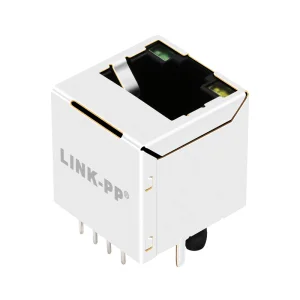
V891-1XX1-R1 RJ45 Connector MagJack 10/100 Base-T PoE Vertical
V891-1XX1-R1 RJ45 Connector MagJack 10/100 Base-T PoE 1X1 Vertical RJ45 Connectors
View Details
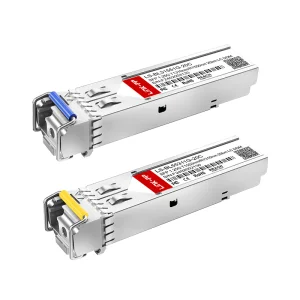
Single Mode Bidirectional Simplex LC 1G BiDi SFP Transceiver
Single Mode Bidirectional Simplex LC 1G BiDi SFP 1310nm/1550nm 20km SMF Optical Transceiver Module
View Details
SMF Duplex LC Optical Transceiver Module Single Mode 10G CWDM SFP+ Module 80km
View Details
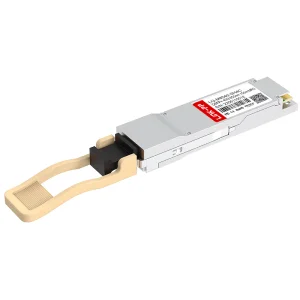
40GBASE-SR4 MPO-12 Multimode Optical Transceiver QSFP+ Module
40GBASE-SR4 MPO-12 Multimode Optical Transceiver MMF 850nm 40G QSFP+ Module 150m
View Details
1310nm-TX/1550nm-RX Single Mode SFP 155M Bidi DDM LC Optical Transceiver Module
1310nm-TX/1550nm-RX Single Mode SFP 155M Bidi 40km DDM LC Optical Transceiver Module
View Details
ARSM11-3652I JXD6-0002NL 49F-1201YGD2NL with Leds SMT RJ45 Jack
ARSM11-3652I JXD6-0002NL 49F-1201YGD2NL with Leds 100 Base-T Shielded SMT RJ45 8P8C Jack
View Details
1000BASE-ZX Mini Gbic Fiber Optical Transceiver Single Mode SFP Module
1000BASE-ZX Mini Gbic Fiber Optical Transceiver Single Mode 1550nm 1G SFP Module 80km
View Details
Single Port Ethernet Female Jack RJ45 Connector 7499161005A
View Details