OptiLinker
OptiLinker
OptiLinker
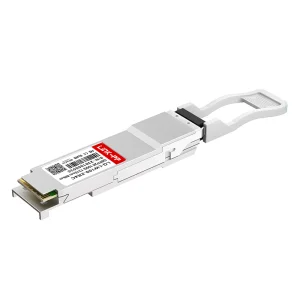
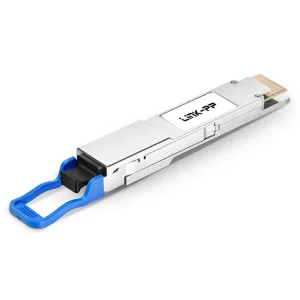
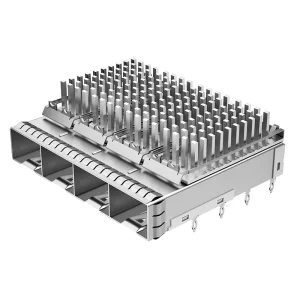
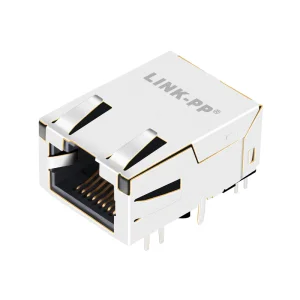
In an era driven by hyperscale virtualization, 5G densification, and the rapid deployment of artificial intelligence at the edge, traditional hardware interface configurations are facing structural design bottlenecks. Among these, the physical limitation of cabling space remains a critical hurdle for network hardware engineers. This is where Flex RJ45 Connectors (Flexible Printed Circuit / FFC integrated RJ45 modular structures) have emerged as the standard of choice for dynamic, space-constrained computing nodes.
"By transitioning from rigid PCB boundaries to dynamic, high-flexibility planar connectivity, custom OEM Flex RJ45 connectors enable high-integrity data paths in profiles that were previously unreachable by standard RJ45 designs."
For system integrators, telecommunication infrastructure architects, and original equipment manufacturers (OEMs), finding a reliable manufacturing partner who can deliver tailor-made mechanical profiles, optimized electromagnetic interference (EMI) suppression, and certified electrical tolerances is paramount to maintaining structural signal integrity under extreme operational stress.
The global market for advanced ethernet connection assemblies has shifted from standardized off-the-shelf components to application-specific, highly integrated sub-systems. According to recent industrial connectivity market reports, the demand for flexible RJ45 connector assemblies has grown at a CAGR of 8.4% over the last five years, driven heavily by space-saving design requirements in localized network infrastructure. Modern rack servers, multi-tenant units (MTUs), high-end medical imaging equipment, and robotics control cabinets can no longer accommodate the bend radiuses required by rigid Cat6/Cat6a patch leads directly terminating onto conventional vertical motherboard RJ45 jacks.
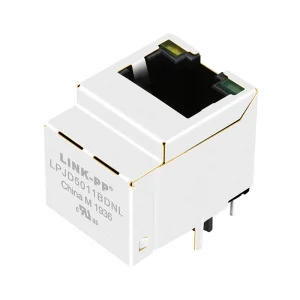
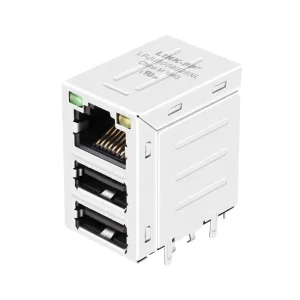
As a result, engineers utilize "flex" configurations—combining flat flexible cables (FFC) or flexible printed circuits (FPC) with right-angle, low-profile, or specialized shielded RJ45 modules. This allows high-speed ethernet pathways to snake through complex mechanical enclosures, reduce overall drag inside pivoting arms, and improve thermal management by eliminating bulky wiring harnesses that impede airflow.
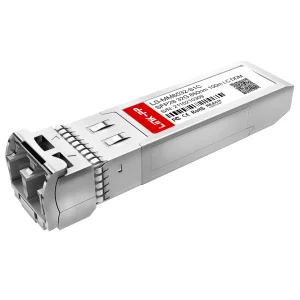
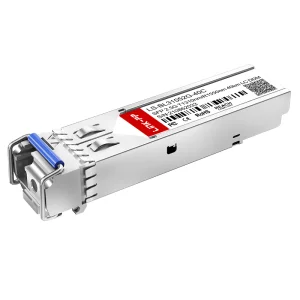
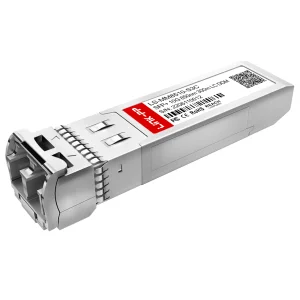
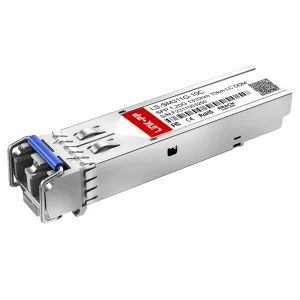
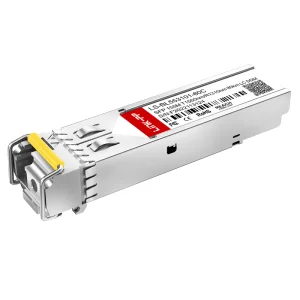
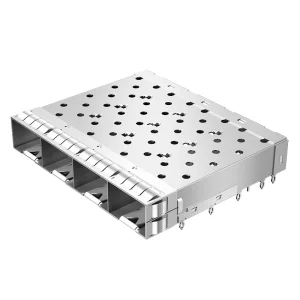
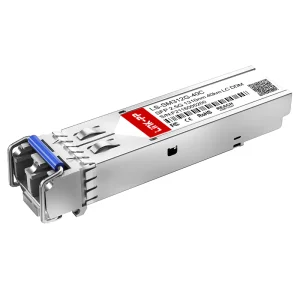
Standardized packaging formats like SFP+, SFP28, and QSFP-DD require micro-positioning. Flex RJ45 designs permit modular routing behind optical transceiver cages, maximizing internal panel real estate.
By routing signals through multi-layered flexible substrates with dedicated ground planes, designers can manage near-end crosstalk (NEXT) and maintain solid return loss (RL) curves.
Polyimide-based flex circuits withstand tens of thousands of dynamic bending cycles, making them highly suited for active machinery and slide-out telecom shelves.
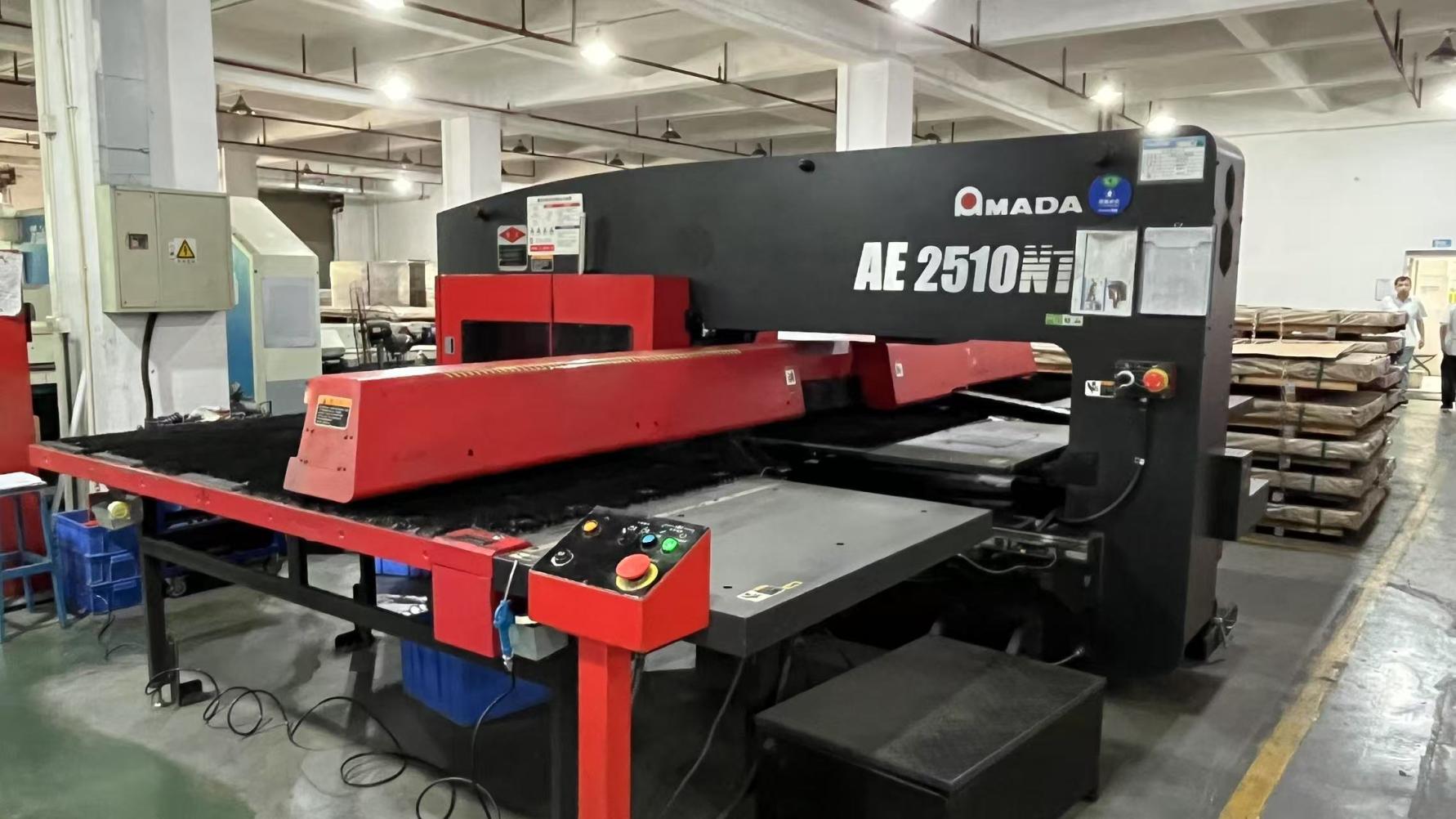
For international buyers and procurement departments, sourcing from specialized Chinese clusters represents a distinct advantage in terms of production elasticity and cost control. As a premier electronics manufacturing hub, the Yangtze River Delta and Pearl River Delta areas support a fully integrated raw material supply chain. This physical proximity to high-grade polyimide suppliers, high-precision metal stamping tooling shops, gold-plating facilities, and advanced automated assembly machinery ensures that customized components can transition from engineering design to volume production within extremely compressed timelines.
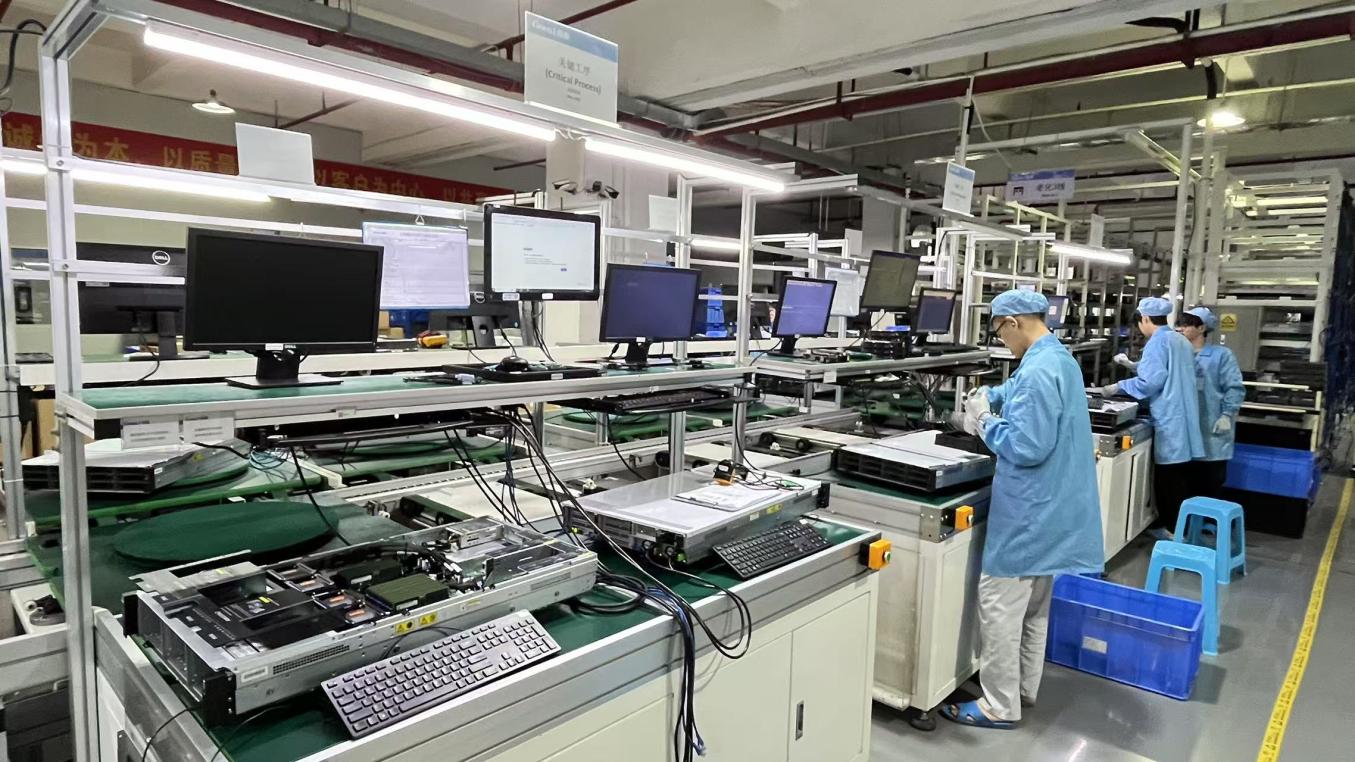
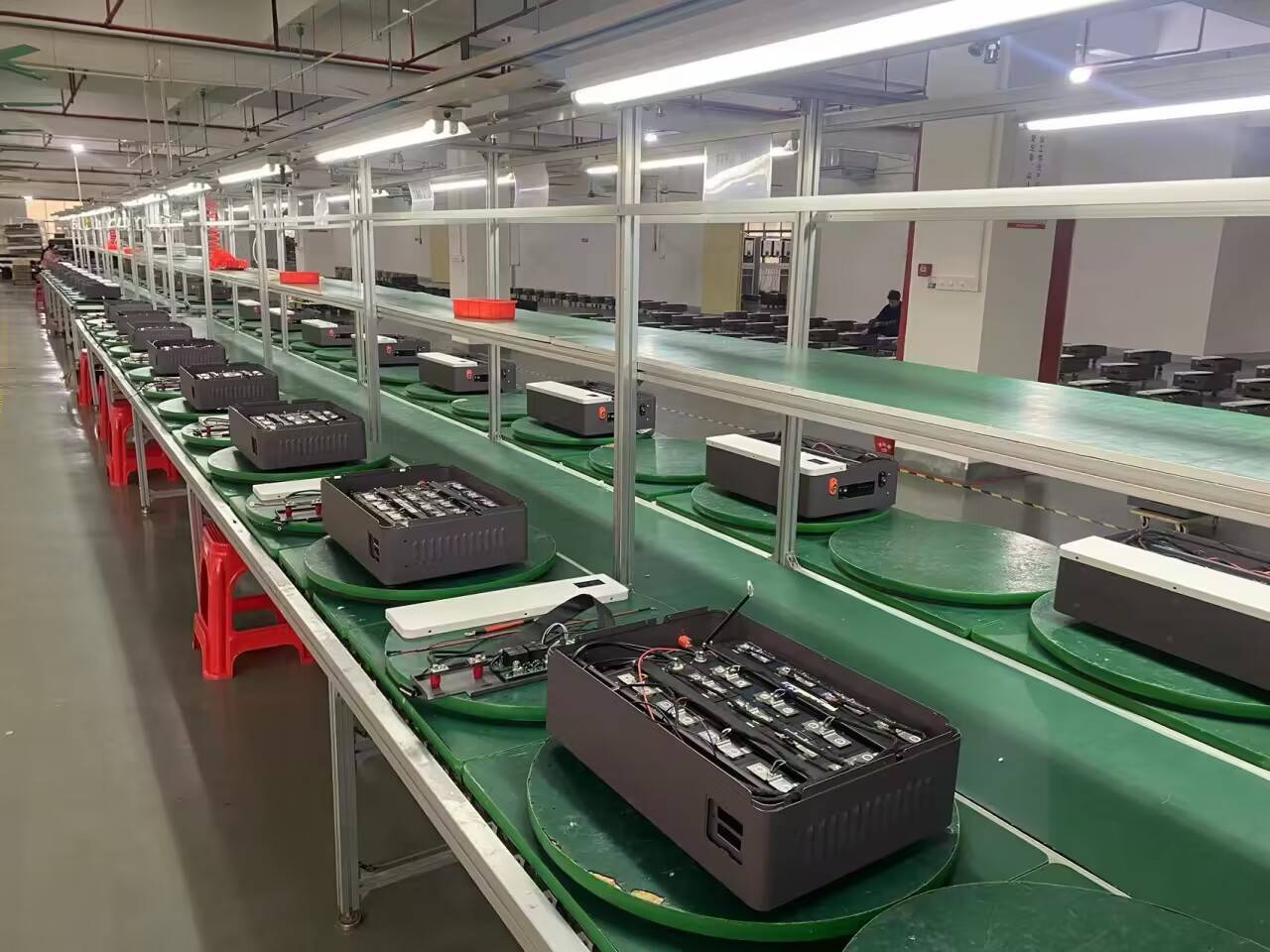
Furthermore, Chinese custom OEM flex RJ45 connector factories have heavily invested in smart manufacturing systems. Instead of relying on manual termination, modern lines feature high-speed automated optical inspection (AOI), robotic pin insertion, and real-time network analyzer testing loops. This ensures that every batch meets the strict return loss, crosstalk, and impedance requirements of Cat6a, Cat7, or even Cat8 data rates.
| Performance Metric | Standard RJ45 Patch Assembly | Optimized Flex RJ45 Connector Sub-System | OEM Customization Benefit |
|---|---|---|---|
| Minimum Bend Radius | Typically 4x outer diameter (approx. 25-30mm) | Less than 1.5mm (planar flexible fold) | Ultra-tight space utilization and routing freedom |
| Crosstalk Control | Variable based on manual twist termination | Consistent micro-stripline geometric layouts | High yield rates during high-frequency sweep tests |
| System Weight | Heavy copper wire core and thick PVC jackets | Thin polyimide substrate, reduction in dead-weight | Crucial for aerospace, UAVs, and mobile equipment |
| Thermal Footprint | Blocks airflow in dense chassis designs | Flat layout maximizes cross-sectional air currents | Improves thermal margins for high-wattage hardware |
The selection of a custom Flex RJ45 design is intimately tied to its target environment. To bridge the gap between engineering theory and field performance, let us examine the core application verticals that rely heavily on customized flexible networking connectors:
Inside modern multi-tenant server chassis, standard space constraints are extreme. By utilizing flexible RJ45 configurations, engineers can run ethernet-based console ports or management lanes directly around high-speed transceiver cages (such as SFP+, SFP28, or QSFP-DD) without creating physical interference or blocking hot-aisle cooling channels.
Multi-axis robotic arms operating on EtherCAT or Profinet communication protocols undergo millions of torsional movements daily. Standard copper cables break down rapidly under dynamic fatigue. Custom flex RJ45 leads, employing high-ductility rolled-annealed (RA) copper foils, ensure consistent signal routing even through constant rotation.
MRI, CT, and X-ray gantries require immense electromagnetic shielding protection. A standard RJ45 connector is susceptible to stray radiation, which compromises image output. OEM suppliers design custom flex connectors with wrap-around copper foil shielding and grounded drain wires to block internal and external EMI.
Automotive Ethernet (100Base-T1/1000Base-T1) is becoming standard in Autonomous Driving systems (ADAS). Sourcing custom flex RJ45 connectors with integrated latching locks and vibration resistance ensures high-speed diagnostic communication remains intact over bumpy test courses.
To stay ahead of the digital curve, procurement teams and designers must monitor key technical trends that are transforming the flexible connector manufacturing space:
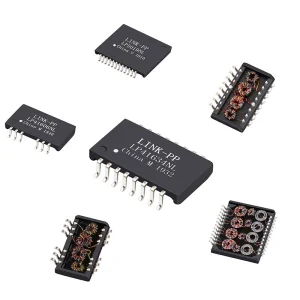
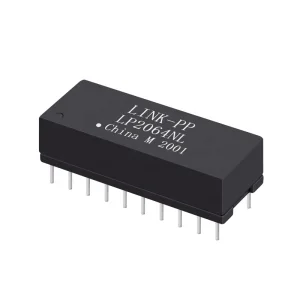
Flexible circuits are no longer passive conduits. High-density designs now incorporate surface-mount components directly onto the flex tail. Integrating resistors, capacitors, and matching magnetic transformers (as seen in our LAN transformer product lines) onto the flex substrate allows space-saving footprints while supporting Power over Ethernet standards up to 90W (PoE++).
While standard RJ45 systems historically catered to 1Gbps connectivity, modern flex implementations are optimized for 2.5Gbps, 5Gbps, and even 10Gbps transmission speeds. This requires rigorous impedance control (typically targeted at 100 Ohms differential) and low-loss dielectric layers, such as liquid crystal polymer (LCP) instead of standard polyimide.
Global regulatory bodies like RoHS and REACH demand strict limitation of hazardous substances. Leading Chinese manufacturers are driving the shift toward low-smoke, zero-halogen (LSZH) jack coverings and Lead-Free (Pb-free) soldering compatibility to satisfy global OEM corporate social responsibility requirements.
OptiLinker Optoelectronics Co., Ltd. (OptiLinker) is a professional optical transceiver manufacturer and solution provider under the brand OptiLinker (www.optilinkertrans.com), specializing in high-speed optical communication modules and copper interconnect systems for global data center and telecom applications.
Founded in 2016, OptiLinker operates a modern production facility with a total building area of approximately 320㎡. With continuous development in optical communication technology, the company has accumulated over 12 years of industry experience and approximately 8 years of export experience. In the past year, OptiLinker achieved an annual export revenue of around USD 12 million, serving customers across North America, Europe, Southeast Asia, and the Middle East.
Quality assurance is a core focus at OptiLinker. The company implements 100% incoming material inspection, AOI automated optical inspection, and full optical/electrical performance testing. Product verification includes BER testing, eye diagram analysis, and high/low temperature cycling tests, ensuring stable performance under demanding network environments. The quality control team consists of 35 dedicated QC professionals.
OptiLinker collaborates with a global supply chain network of approximately 850 partners, enabling efficient sourcing and stable production capacity. Its main customer base includes telecom operators, data centers, system integrators, and networking equipment manufacturers. The company has strong R&D capabilities, supported by a team of 60 experienced optical and structural engineers. Its engineering team specializes in high-speed design, signal integrity optimization, and protocol compatibility development. OptiLinker offers flexible customization options including wavelength tuning, transmission distance, packaging form factors, firmware coding, and device compatibility programming. In the last year alone, OptiLinker launched approximately 120 new products, reflecting its continuous innovation and rapid response to market demand.
When engineering departments specify custom connectors, procurement teams must look past basic unit costs to ensure high operational yields. We recommend incorporating the following criteria into your Request for Proposal (RFP):
To assist procurement managers and systems engineers in resolving integration challenges, our technical department has answered the most common industry inquiries: