OptiLinker
OptiLinker
OptiLinker
Engineered for High-Performance Networking Environments and Uncompromised Signal Integrity
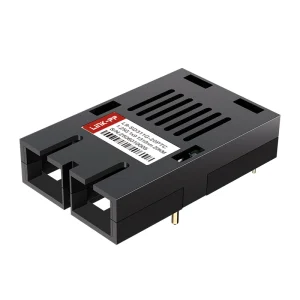
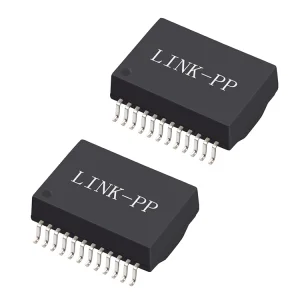
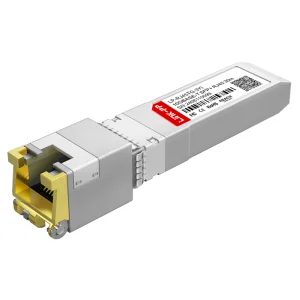
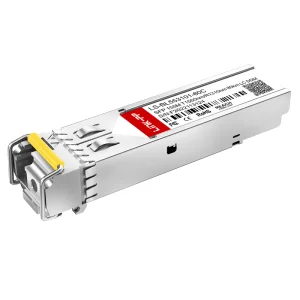
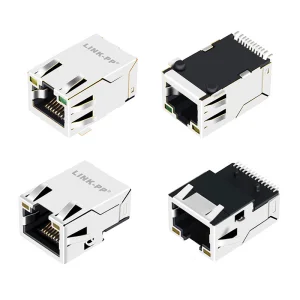
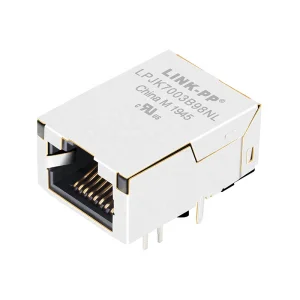
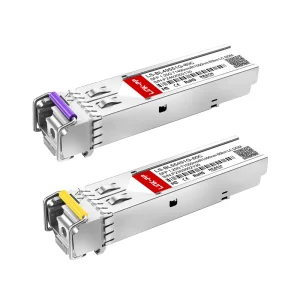
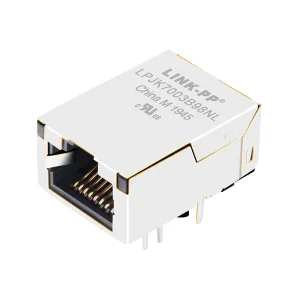
The global demand for high-capacity, low-latency data transmission has driven rapid advancements in Small Form-factor Pluggable (SFP) transceivers. Historically operating at 1.25 Gbps, modern fiber optic transceivers are progressing through 10G, 25G, 100G, and now 400G/800G form factors. This growth is driven by the rise of hyper-scale data centers, artificial intelligence architectures, high-performance computing (HPC), and 5G telecommunication infrastructures.
Modern telecommunication structures require high compatibility, physical stability, and energy efficiency. The industry transition toward silicon photonics, coherent transceivers, and Co-Packaged Optics (CPO) highlights a paradigm shift: optical modules are no longer mere peripheral connectors, but are now core components of the systemic link budget and signal integrity framework.
Global procurement specialists face the challenge of modernizing infrastructure while keeping costs manageable. Key concerns include multi-vendor hardware compatibility (e.g., ensuring modules interoperate seamlessly with Cisco, Juniper, MikroTik, and Arista switches) and maintaining reliable quality under varying temperatures. Commercial grade modules (0°C to 70°C) must maintain high transmission reliability, while industrial grade counterparts (-40°C to 85°C) are engineered for outdoor telecommunications and harsh factory environments.
Additionally, supply chains require quick customization options. Procurement managers look for suppliers capable of modifying EEPROM code, customizing wave-lengths (DWDM, CWDM, BiDi), and adjusting transmission distances (ranging from 10km, 20km, 80km to 120km over Single Mode Fiber) to match specific network topologies.
Combining Automated Assembly lines and Strategic Component Integration for Global Stability
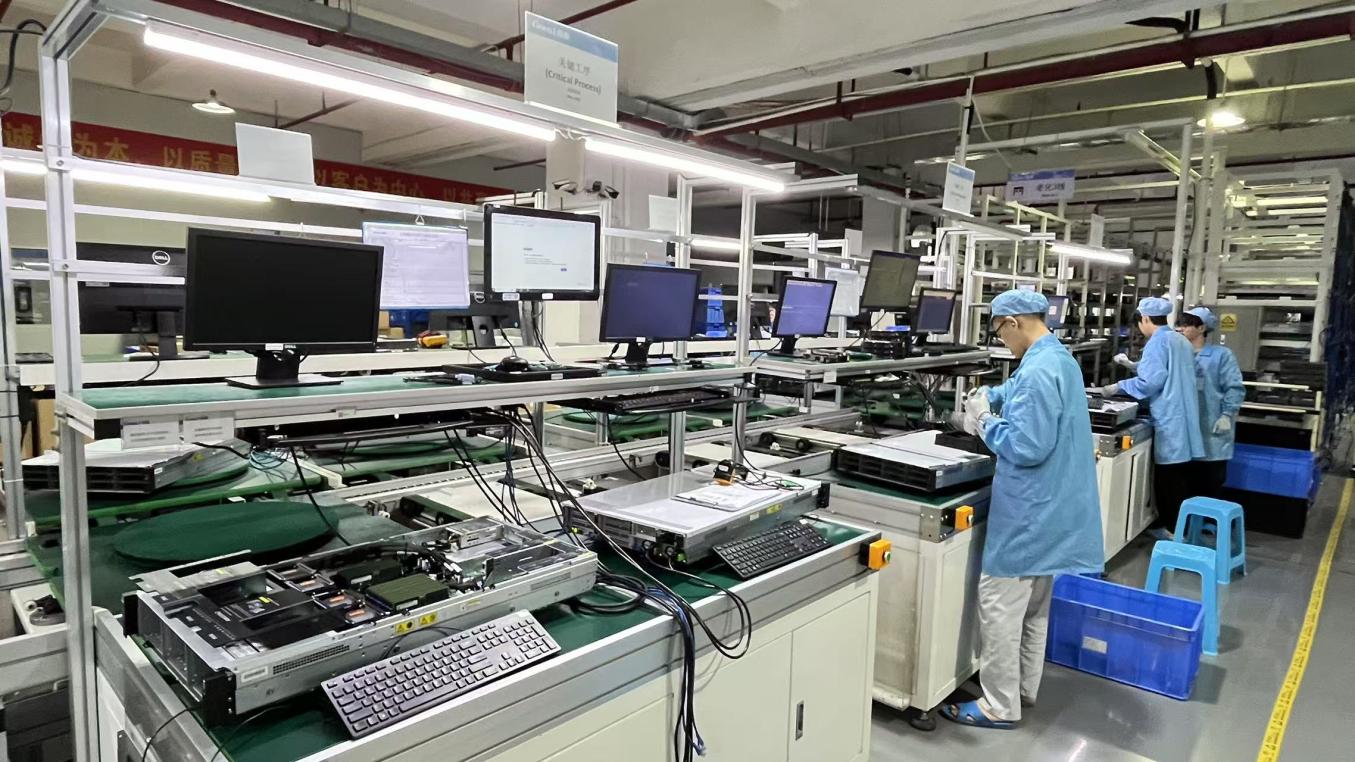
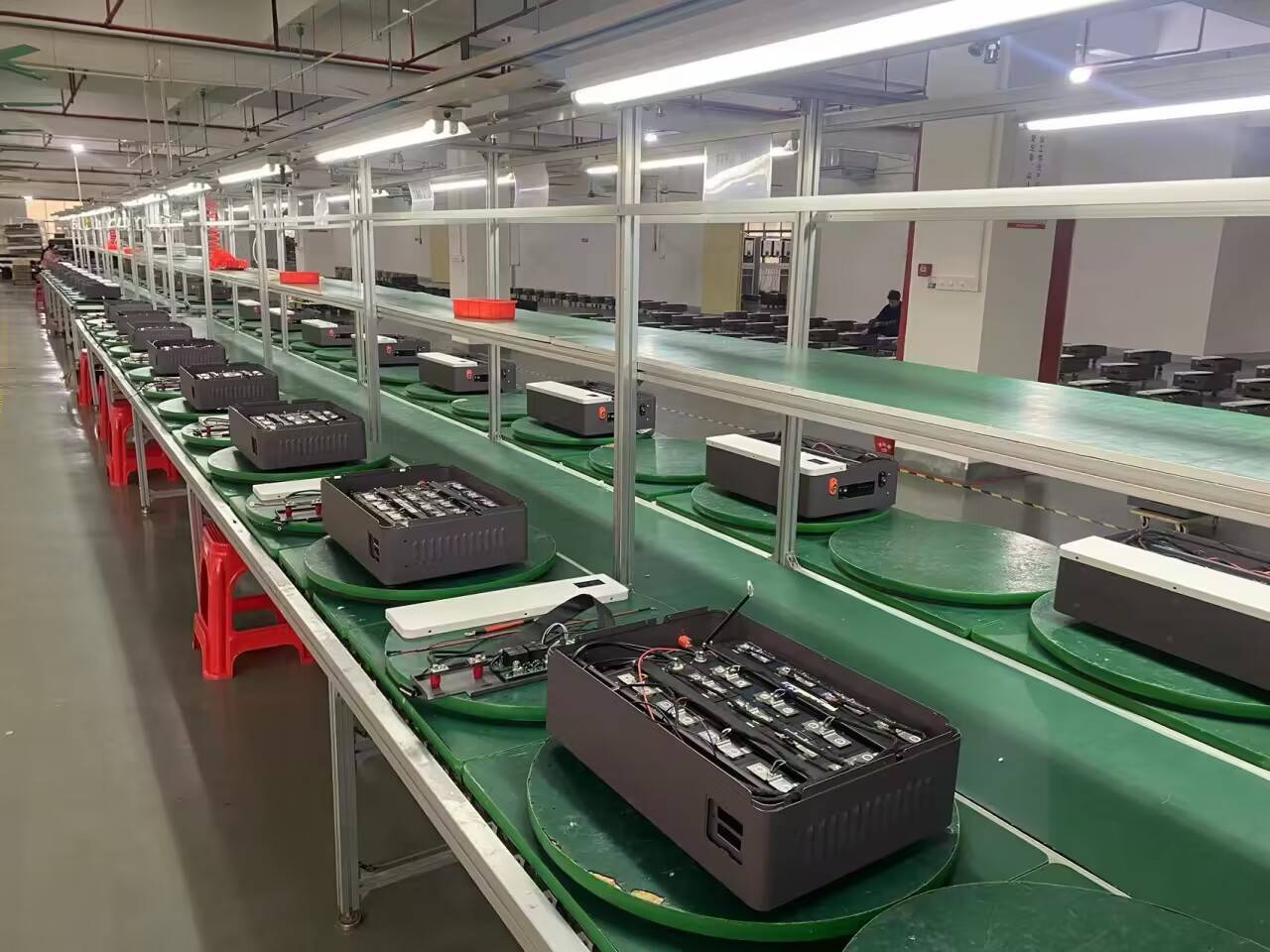
Through automated optical alignment systems and high-throughput PCB pick-and-place technology, modern Chinese facilities minimize manufacturing tolerances, resulting in lower failure rates and stable production runs.
Proximity to key component suppliers—including laser diode makers, semiconductor foundries, and raw PCB manufacturers—enables rapid sourcing and short turnaround times for customized designs.
Comprehensive testing protocols conform to ISO 9001 and ISO 14001, utilizing automated optical inspection (AOI) to check internal micro-solder connections before physical testing.
A Trusted Partner in Optical Communication Module Infrastructure and Technical Excellence
Founded in 2016, OptiLinker Optoelectronics Co., Ltd. (OptiLinker) operates under the core brand OptiLinker (www.optilinkertrans.com). Specializing in high-speed optical communication modules for global data centers and telecom networks, we draw on over 12 years of industry experience and 8 years of export operations.
OptiLinker coordinates with a global network of approximately 850 partners. This strong logistics and supply-chain structure supports an annual export revenue of USD 12 million, serving client networks across North America, Europe, Southeast Asia, and the Middle East. With a dedicated 320㎡ modern production facility and 60 experienced optical engineers, we deliver reliable, high-performance OEM/ODM solutions tailored to modern networking requirements.
100% In-House Physical, Optical, and Thermal Stress Testing Protocols
OptiLinker maintains strict control over signal performance. Each module undergoes 100% incoming material inspection, AOI automated optical inspection, and full optical performance testing. Evaluation is performed using high-speed sampling oscilloscopes, bit error rate testers (BERT), and digital optical attenuators to verify:
Our engineering team designs custom solutions to meet distinct network requirements. During the last year alone, OptiLinker introduced 120 new products, highlighting our focus on product development. Custom options include:
Providing Stable Connectivity Across Diverse Network Environments
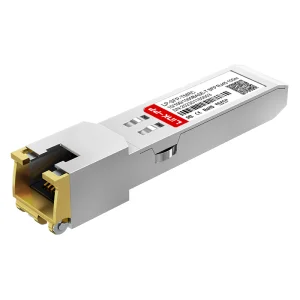
High-density architecture requires low-latency fiber links. Our SFP+ and SFP28 transceivers are optimized for top-of-rack (ToR) switch links, supporting consistent throughput and efficient power consumption profiles.
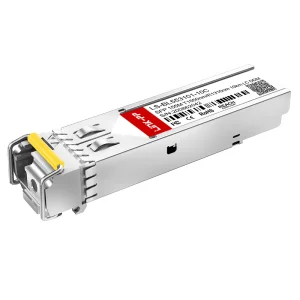
Our Bidirectional (BiDi) transceivers enable dual-channel communication over a single fiber core. This helps network operators optimize existing fiber infrastructure and cut deployment costs for fiber-to-the-home (FTTH) networks.
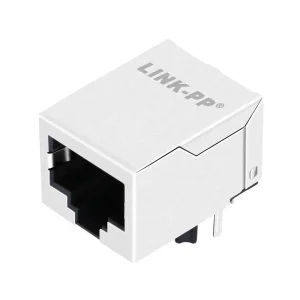
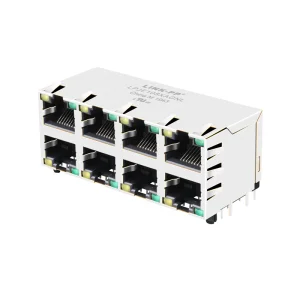
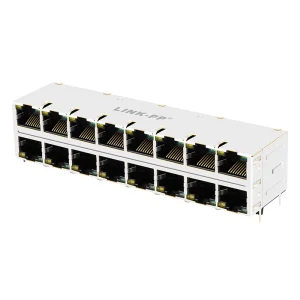
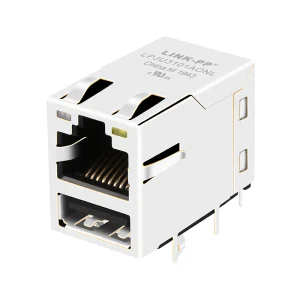
Designed for industrial automation, our transceiver modules and Ethernet RJ45 connectors feature robust shielding to operate reliably near high-voltage machinery and within extended temperature ranges.
Expert Insights to Guide SFP Transceiver Specification and Procurement Decisions
MSA stands for Multi-Source Agreement, an industry standard that specifies the physical dimensions, electrical interfaces, and signaling protocols of optical transceivers. By adhering to MSA standards, OptiLinker ensures its products are compatible across switch and router systems from different manufacturers.
Single Mode Fiber (SMF) features a small core (typically 9µm) that supports a single light path, making it ideal for long-distance applications (up to 80km or more) using wavelengths of 1310nm and 1550nm. Multimode Fiber (MMF) has a larger core (typically 50µm or 62.5µm) that allows multiple paths of light, optimized for shorter distances (up to 550m) at 850nm wavelengths.
BiDi transceivers use wavelength division multiplexing (WDM) to transmit and receive signals over a single strand of fiber (using separate wavelengths like 1310nm/1550nm). This doubles transmission capacity over existing fiber cabling, reducing the cost of running new fiber lines.
DDM provides real-time access to key transceiver operating parameters, such as optical output power, receiver input power, temperature, laser bias current, and module supply voltage. This allows network administrators to monitor link health, predict component wear, and isolate physical network faults.
Yes, industrial-grade modules (-40°C to 85°C) can be deployed in standard commercial switches (0°C to 70°C). They provide the same electrical and optical compatibility, along with added resistance to thermal shifts and extreme environments.
High-Density Hardware Solutions for Solid Systemic Interconnect Implementations
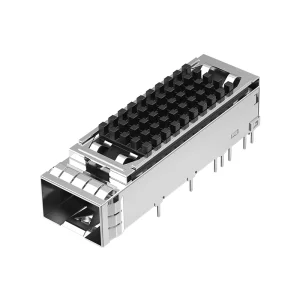
Operational Capabilities, Engineering Testing Labs, and Production Lines