OptiLinker
OptiLinker
OptiLinker
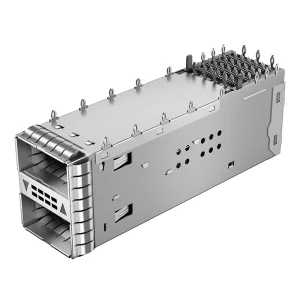
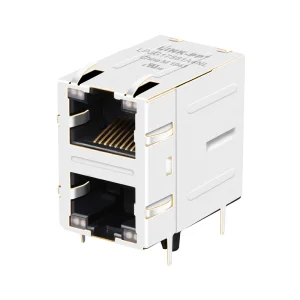
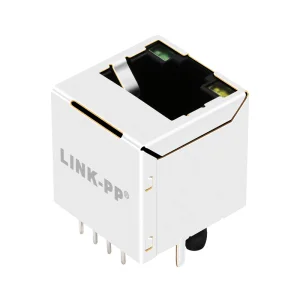
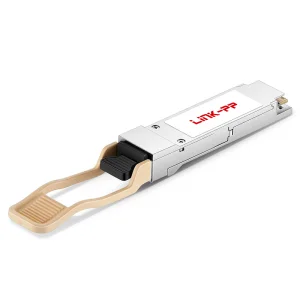
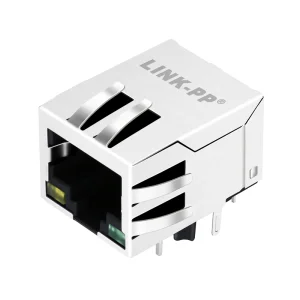
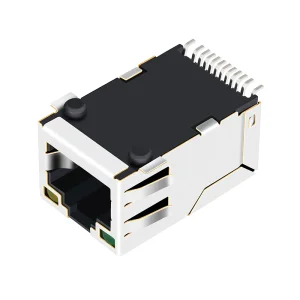
In the rapidly changing world of modern telecommunications, merging legacy analog systems with high-speed digital networks is a major challenge for network administrators and enterprise architects. The RJ45 to RJ11 adapter serves as a key bridge in this environment. It connects 8-position, 8-contact (8P8C) Ethernet physical interfaces with legacy 6-position, 4-contact (6P4C) or 6-position, 2-contact (6P2C) RJ11 telephone lines. As global companies upgrade to fiber optics and VoIP infrastructures, using cost-effective physical-layer adapters prevents expensive cable replacements, protects legacy investments, and maintains communication continuity.
This industrial whitepaper examines the global production, technical standards, and applications of RJ45 to RJ11 adapters. It focuses on the manufacturing capabilities of specialized Chinese suppliers, like OptiLinker Optoelectronics Co., Ltd., who deliver compliant, reliable products to network markets worldwide.
Modern enterprise telecommunication is rarely homogeneous. While greenfield projects deploy pure fiber or high-category copper networks, brownfield locations depend on a mix of technologies. Legacy PBX systems, traditional analog telephone lines, DSL configurations, and modern IP-PBX systems coexist. This creates a strong global market demand for RJ45 to RJ11 conversion systems. Industrial facilities, shipping hubs, and remote substations require ruggedized converters to ensure signal continuity without rebuilds.
For global system integrators, rewiring a commercial office tower from RJ11 to Cat6 Ethernet can cost tens of thousands of dollars in labor and materials. In contrast, using high-quality RJ45 to RJ11 adapters allows technicians to run telephone networks over structured Cat5e, Cat6, or Cat7 cabling. This preserves current infrastructures and streamlines transition phases when transitioning to full IP configurations.
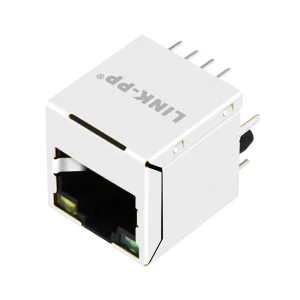
Understanding the core pin configuration and electrical differences between RJ45 (Registered Jack 45) and RJ11 (Registered Jack 11) is essential for avoiding system damage. RJ45 uses an 8P8C configuration, carrying four balanced twisted pairs of copper wires typically terminated to T568A or T568B standards. RJ11 is a 6P4C or 6P2C setup, carrying either one or two voice-grade lines (Tip and Ring circuits).
Common configurations map the center two pins of the RJ11 plug (Pins 3 and 4) directly to the center blue pair of the RJ45 jack (Pins 4 and 5). This configuration supports standard single-line analog phones working over structured Ethernet cabling.
For two-line telephony, RJ11 Pins 2 and 5 map to RJ45 Pins 3 and 6 (the orange pair in T568B). This layout allows one Cat6 cable to support two voice channels without signal interference.
Standard Ethernet cable has an impedance of 100 ohms, while traditional analog voice lines have an impedance closer to 600 ohms. High-quality adapters are built to minimize return loss and handle these differences.
Cross-talk Prevention: Poorly made adapters can lead to inductive coupling between pairs. OptiLinker utilizes automated optical inspection (AOI) and comprehensive electrical testing to ensure internal conductors are properly routed, maintaining signal integrity even near power lines.
The practical deployment of RJ45 to RJ11 adapters differs significantly across local geographic markets and industries:
Corporate office renovations often route legacy analog fax lines or emergency phones through modern RJ45 patch panels down to VoIP gateways in the IT rack.
In European markets using FTTC (Fiber to the Cabinet), the final drop-off often relies on copper lines. Here, adapters connect DSL modems to structured wall plates.
Homeowners use structured RJ45 patch networks for legacy PSTN landlines or old intercom setups, maintaining a clean aesthetic.
Manufacturing plants connect legacy RS-232/RS-485 serial communication over RJ11 lines to modern RJ45-equipped industrial Ethernet gateways.
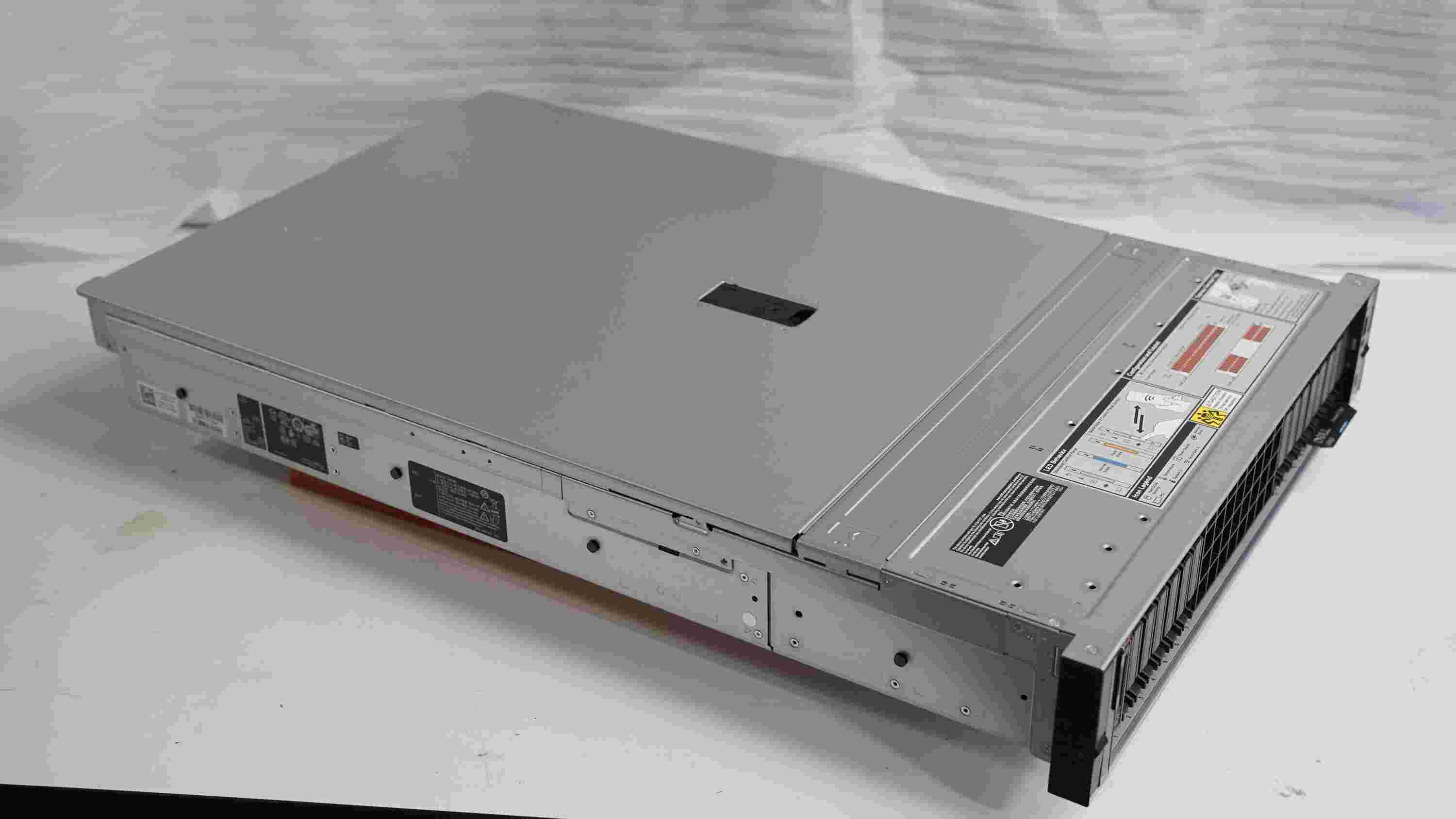
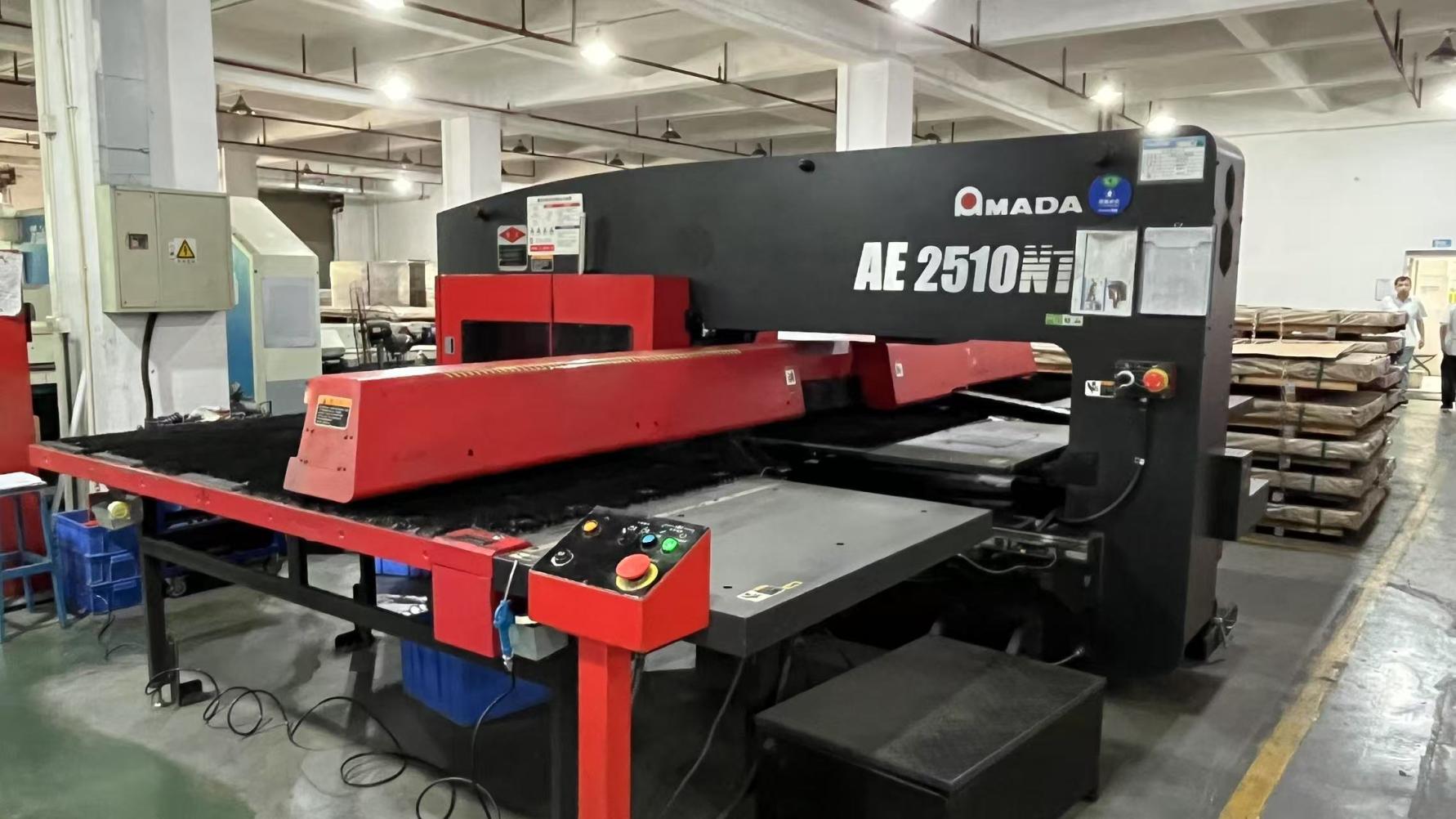
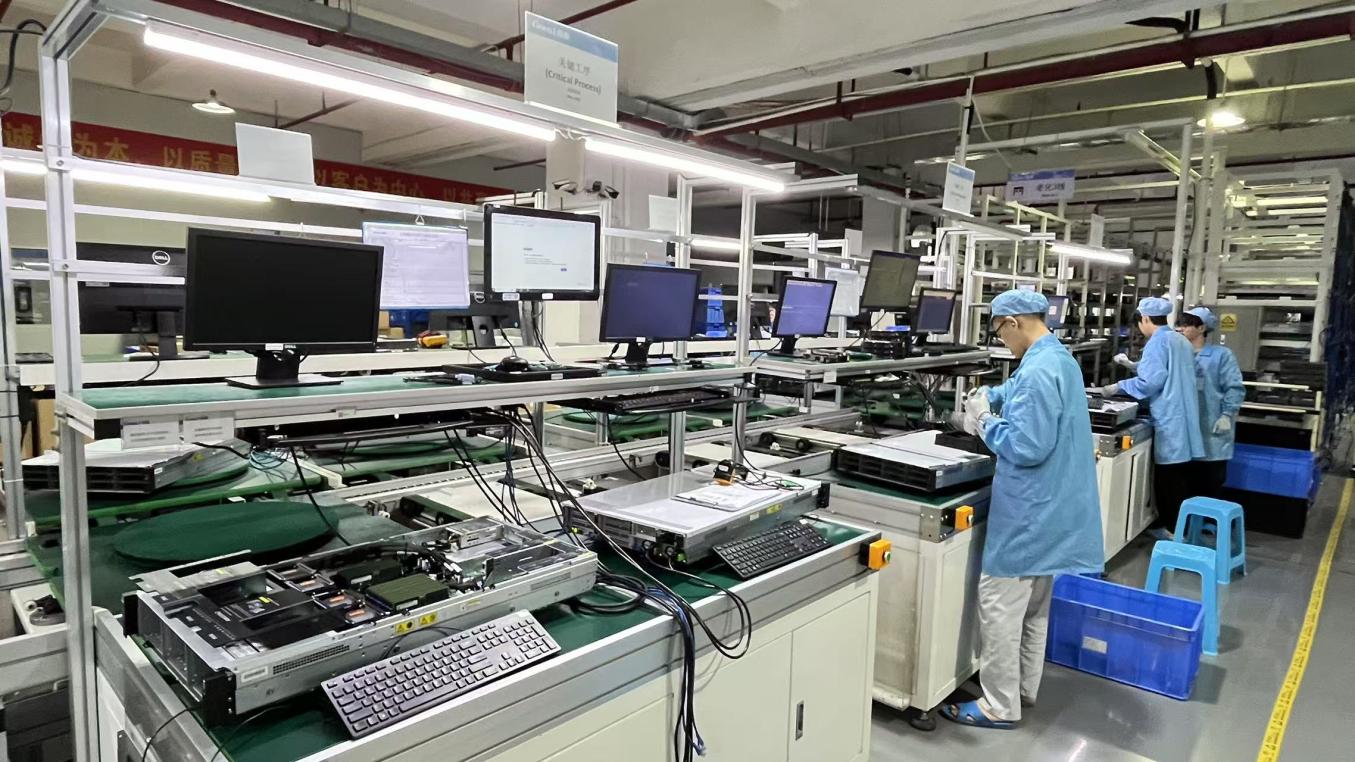
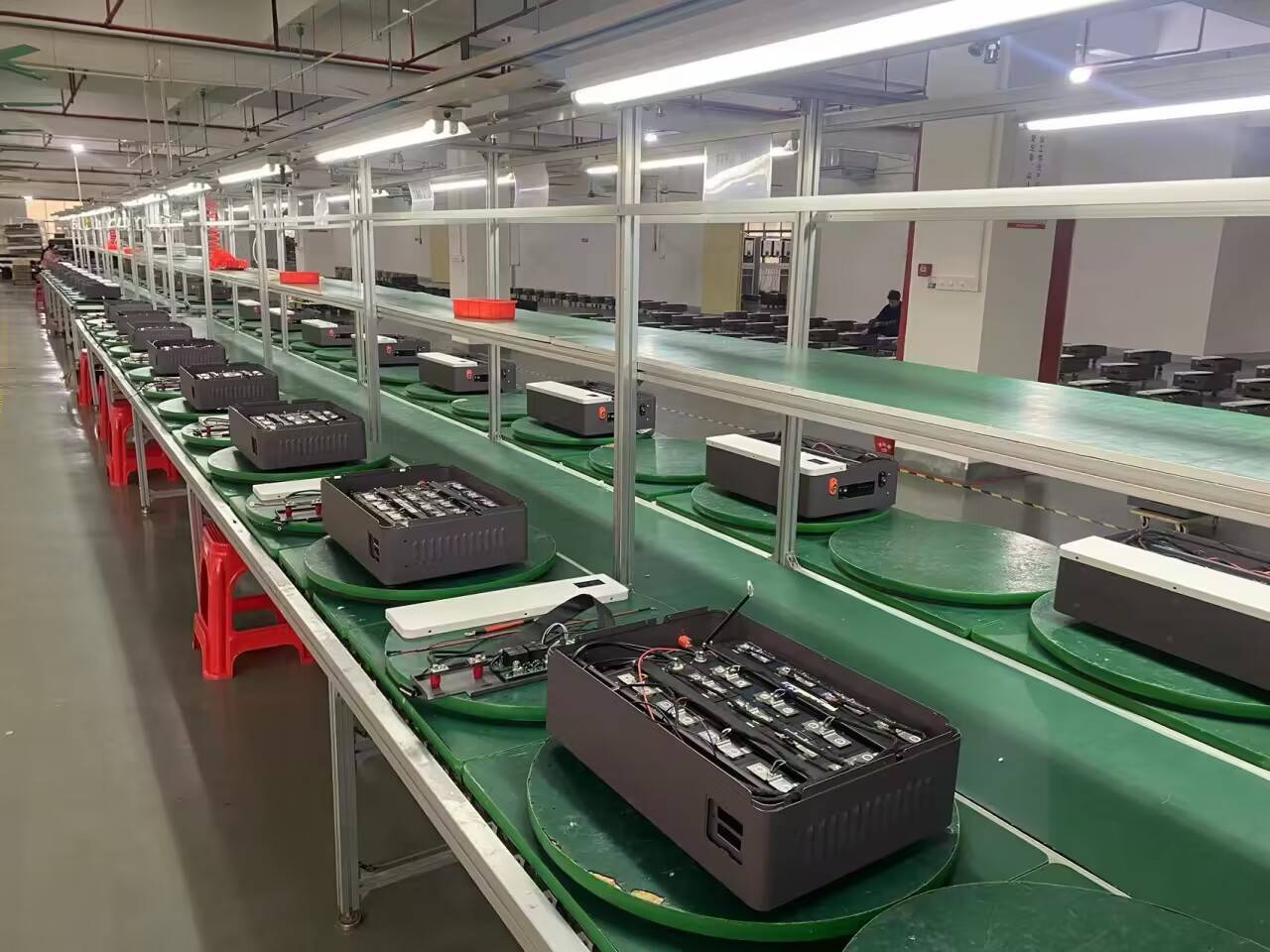
Purchasing telecom components internationally requires evaluating manufacturing capacity, quality control reliability, and supply chain strength. The Chinese telecom manufacturing ecosystem offers advantages in material sourcing, component design, and assembly speed. OptiLinker leverages this ecosystem to deliver reliable connectivity products globally.
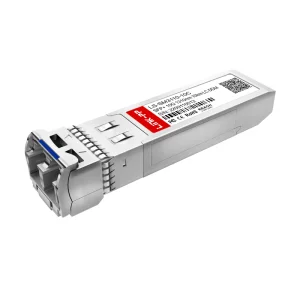
OptiLinker ensures performance by integrating rigorous testing steps throughout production. Our 35 dedicated QC professionals oversee a process that includes 100% incoming material inspection, AOI automated optical inspection, and full optical performance testing. Products undergo comprehensive verification processes such as BER (Bit Error Rate) testing, eye diagram analysis, and high/low temperature cycling tests. This guarantees stability for high-speed transceivers and telecom adapters alike under challenging operational conditions.
Our engineering team specializes in high-speed optical design, signal integrity optimization, and protocol compatibility development. Supported by approximately 850 supply chain partners, we source raw materials reliably to prevent project delays. In the last year, OptiLinker introduced approximately 120 new products, demonstrating our agility and commitment to meeting the needs of global networks. We provide customizable design variations, including wavelength tuning, transmission distance, packaging form factors, and device compatibility programming.
The transition from legacy copper infrastructure to fiber-to-the-home (FTTH) and fiber-to-the-desktop (FTTD) architectures is accelerating. Telecom adapters must adapt to these shifting physical requirements.
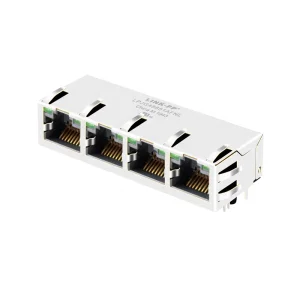
Miniaturized telecom networks require multi-port adapter interfaces that consolidate up to four RJ11 outputs into a single RJ45 port, optimizing space in enterprise patch panels.
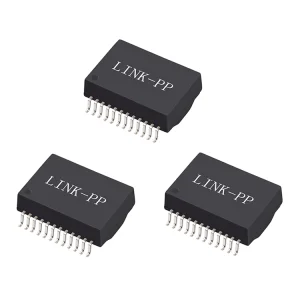
Next-generation adapters are engineered with advanced isolation transformers to prevent damage from Power over Ethernet (PoE/PoE+/PoE++) currents while transmitting data.
Manufacturers use thicker, gold-plated contacts (up to 50 micro-inches) and halogen-free, flame-retardant plastics to meet modern environmental safety regulations.
To serve global markets including North America, Europe, Southeast Asia, and the Middle East, OptiLinker designs telecom components to comply with international regulatory and quality benchmarks:
Generally, no. Ethernet (10/100/1000Base-T) requires at least two or four twisted pairs of twisted cabling (Cat5e or higher) with controlled impedance. Traditional analog telephone cables lack the twist ratios and shielding required to support high-frequency Ethernet signals. These adapters are intended to carry voice signals over structured Ethernet cabling, not the other way around.
USOC (Universal Service Ordering Code) is the standard mapping used for analog voice lines. It groups pairs outward from the center pins (Pins 3 and 4 for Line 1, Pins 2 and 5 for Line 2). Ethernet standards (T568A and T568B) split pairs differently (for example, splitting Pins 3 and 6). OptiLinker customizes pinouts during manufacturing to ensure compatibility with your legacy systems.
PoE switches are designed to perform a discovery handshake before supplying power. An analog phone connected via an RJ45 to RJ11 adapter will not respond to this handshake, so the switch will not send power. However, using high-quality adapters with internal electrical isolation provides extra protection for legacy equipment.
We provide full OEM/ODM options, including custom color-coded shells, custom cable lengths, custom pin configurations, and company branding. Backed by our network of 850 partners, we can manage high-volume orders efficiently.