OptiLinker
OptiLinker
OptiLinker
Explore our top-tier network interfaces, multi-gigabit copper RJ45 modular jacks, and high-frequency optical transceivers.
As the backbone of global digital transformation, modern networking systems demand flawless physical layer (PHY) components. OptiLinker Optoelectronics Co., Ltd. (OptiLinker) has emerged as a premier architect of high-speed optical transceivers and robust physical interface connectors. We supply the hardware that keeps multi-gigabit systems operating under tight parameters, meeting requirements for high-density datacenters and remote telecommunications stations.
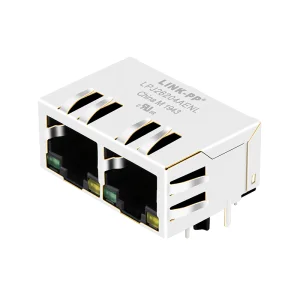
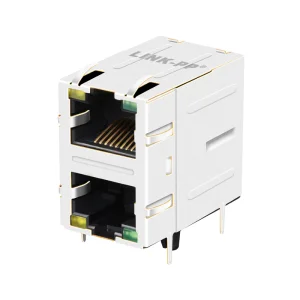
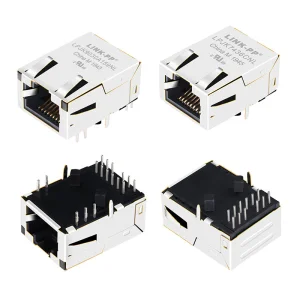
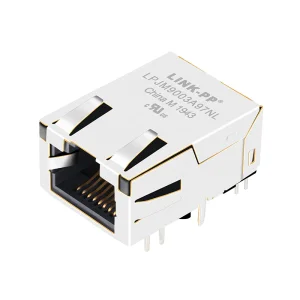
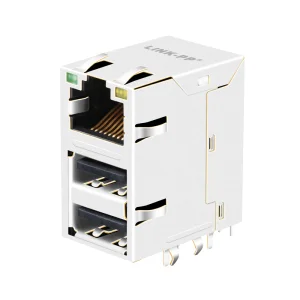
The convergence of modern Ethernet Integrated Connector Modules (ICMs) and advanced optical transceivers represents a fundamental shift in layout architecture. In high-speed signal pathways, managing electromagnetic interference (EMI), insertion loss, and return loss is crucial. For this reason, system architects specify magnetic-integrated connectors (such as the LPJ26204AENL 100 Base-T or the multi-gigabit 10G Base-T shielded RJ45) to isolate voltage spikes and suppress common-mode noise directly at the interface port.
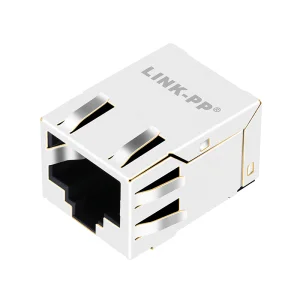
Unlike standard passive RJ45 modular jacks, an Integrated Connector Module (ICM) houses magnetics—including isolation transformers and common-mode chokes—within a shielded metal cage. This integration serves three main purposes:
| Interface Type | Common Form Factor | Maximum Data Rate | Ideal Application Scenario |
|---|---|---|---|
| Copper Integrated RJ45 | Tab Up/Down Low Profile | 10 Gbps (10GBASE-T) | Enterprise LAN, Industrial IoT, Base Stations |
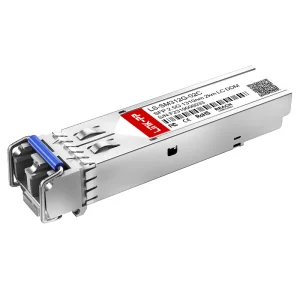
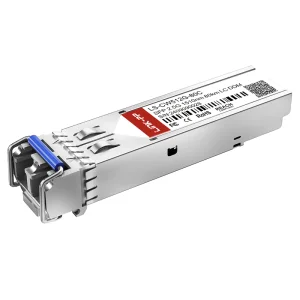
| Optical SFP Module | Dual/Simplex LC, SFP+ | 10 Gbps - 25 Gbps | Metropolitan Networks, Fiber-to-the-Home (FTTH) |
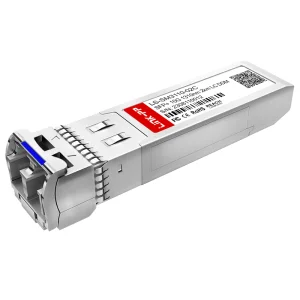
| Next-Gen Optical SFP28 | Duplex LC, CWDM SFP28 | 25 Gbps | 5G Front-haul Networks, Spine-Leaf Data Centers |
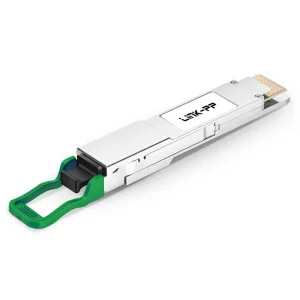
| QSFP-DD High-Speed | QSFP-DD (PAM4) | 400 Gbps | Hyperscale Cloud Data Centers, AI Computing Clusters |
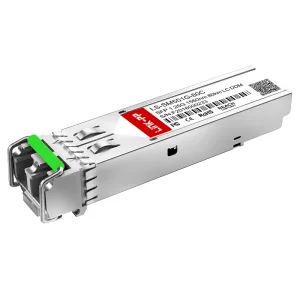
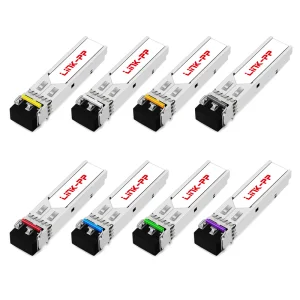
As transmission distances exceed the 100-meter limit of Category 6A copper cables, optical modules become essential. The transition from 1.25G and 2.5G SFP transceivers to high-bandwidth 25G SFP28 and 400G QSFP-DD modules requires precision optics. OptiLinker utilizes advanced optical packaging technologies, implementing wavelength tuning across the 1270nm to 1610nm CWDM spectrum to expand network capacity without the need to install additional fiber infrastructure.
China's manufacturing sector has evolved from high-volume assembly to advanced, precision-engineered automation. The supply chain ecosystem in China offers unique advantages for global network hardware sourcing:
Raw Material Sourcing & Integration: Access to high-grade phosphor bronze, high-temperature SMT LCP plastics, and optical laser diodes (DFB and EMl lasers) enables rapid prototyping and production scaling. OptiLinker maintains active relationships with over 850 supply chain partners, ensuring a steady flow of materials even during peak global demand cycles.
Highly Focused R&D Ecosystem: At OptiLinker, we leverage a team of over 60 optical engineers who focus on design, thermal analysis, and high-speed signal simulation. This local engineering capability allows us to launch over 120 new products annually, adapting to changes in MSA standards and custom requirements.
Precision Verification and Quality Control: Modern network modules must operate reliably over long lifespans. OptiLinker implements a rigorous quality control program led by 35 dedicated QC professionals. Every module undergoes a sequence of automated tests, including:
Our technical standards match strict global requirements, ensuring stability and performance in diverse networking configurations.
Every component, from standard low-profile SMT jacks to 400G modules, is engineered to limit crosstalk and insertion loss, providing stable throughput.
We support specific hardware requirements with customized wavelength tuning, transmission ranges, packaging forms, and EEPROM compatibility coding.
Our products comply with IEEE 802.3 Ethernet standards, RoHS environment regulations, and SFF Multi-Source Agreements (MSA).
The networking industry is adapting to handle growing data flows driven by AI, cloud computing, and IoT. Three main trends shape current component design:
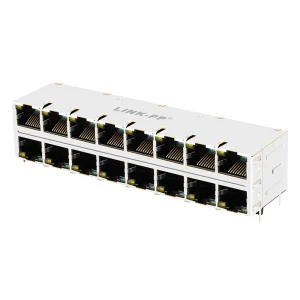
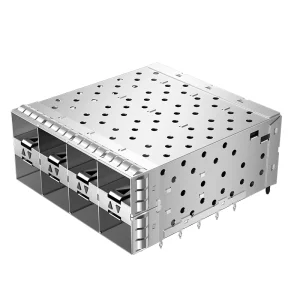
Whether in server racks or telecom base stations, physical space remains limited. Manufacturers must design components that offer more connections per square centimeter of PCB area. This has led to the adoption of:
Deploying remote security cameras, wireless access points, and IoT sensors requires delivering power and data through a single Ethernet connection. Modern telecom transformers must support IEEE 802.3at and 802.3bt standards. OptiLinker’s transformers handle these higher current levels without saturating the magnetic cores, maintaining clean data paths even under load.
High-speed optical components generate heat during operation. OptiLinker’s SFP and QSFP-DD modules are built with thermal dissipation paths and low-power consumption electronics to keep operations stable and prevent thermal throttling under continuous load.
Our networking interfaces and optical components are designed to meet the performance and reliability requirements of several key applications:
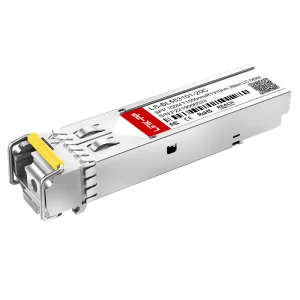
Telecommunications operators need reliable links for local loops and backhaul networks. OptiLinker’s SFP and SFP+ modules, including CWDM and Bidirectional (BiDi) variants like the *1550nm-TX/1310nm-RX Simplex LC 155M SFP*, help operators maximize fiber utilization across distances up to 80 kilometers.
Modern data centers run on high-speed, low-latency connections. The transition from 10G to 25G, 100G, and 400G architectures requires reliable physical layer interfaces. OptiLinker supplies SFP28 and QSFP-DD modules that integrate with top-of-rack switches and storage arrays, supporting high-density deployments.
Industrial environments present challenges like electrical noise, physical vibrations, and temperature changes. OptiLinker’s shielded RJ45 jacks with integrated magnetics are designed to protect connections in factory settings, helping to prevent packet loss in automation systems.
Find answers to technical and integration questions about our Ethernet connectors and optical transceivers.
Browse our advanced fiber optic transceivers, CWDM units, high-speed SFP cages, and stacked hybrid connectors.
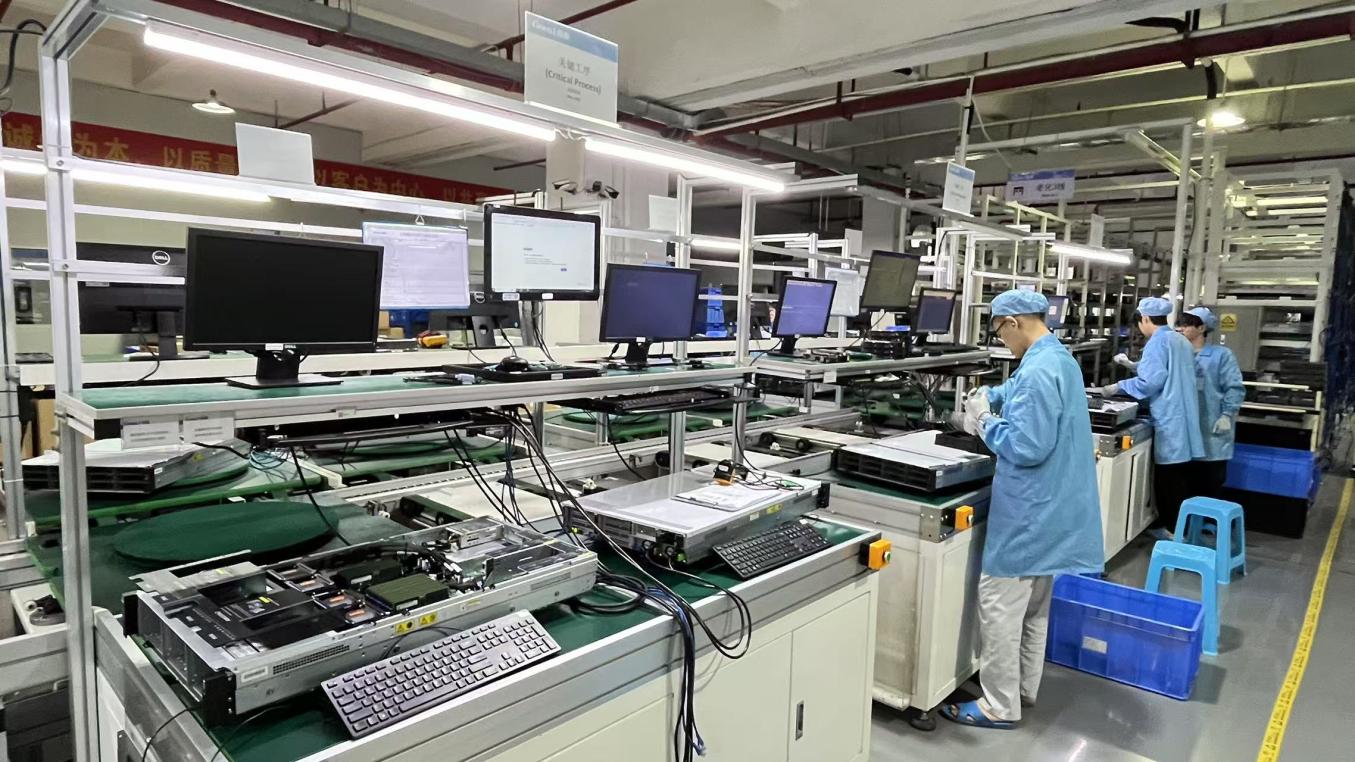
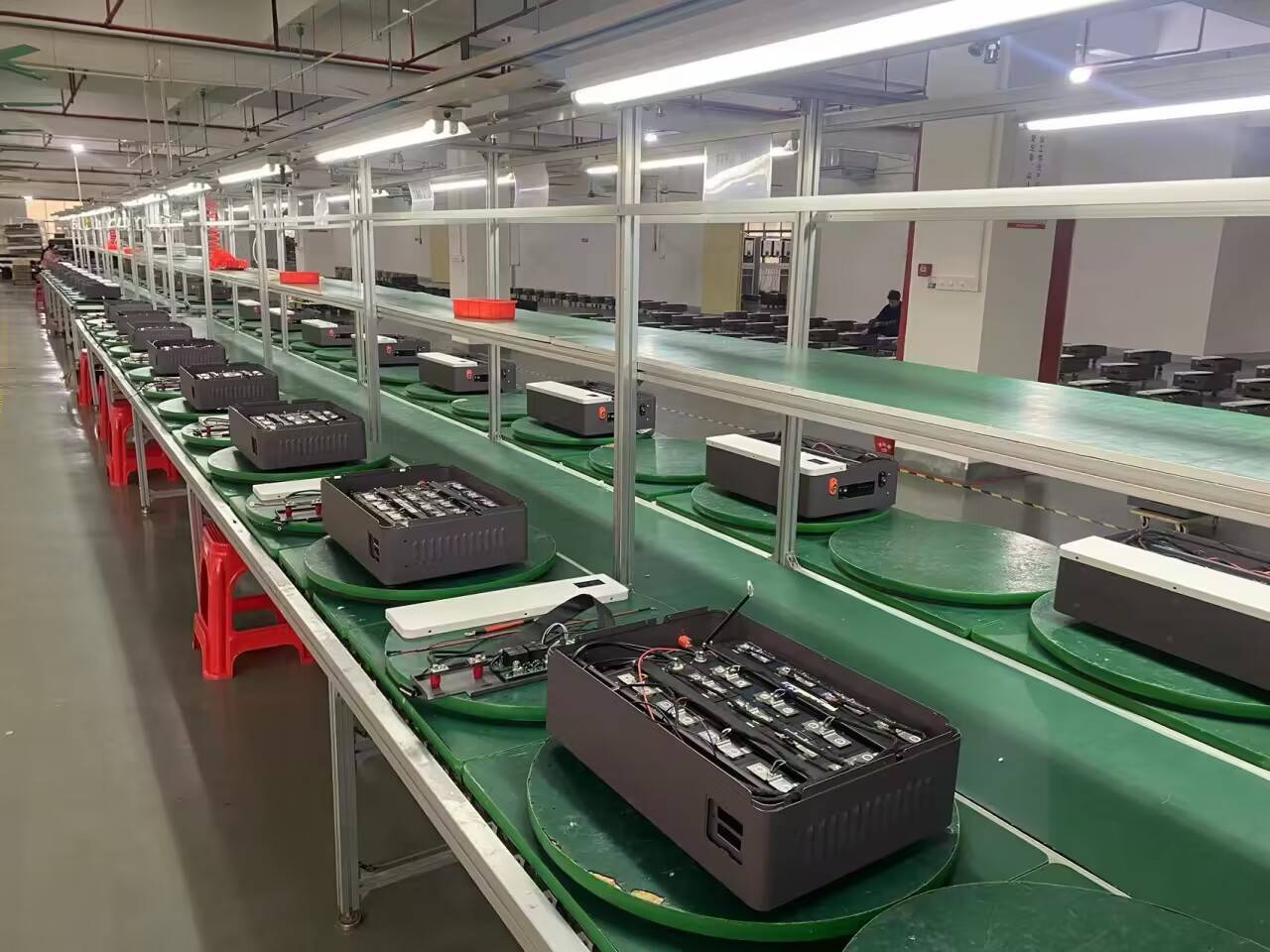
Our specialized validation and assembly facility is equipped for high-precision optical alignment and strict quality testing.