OptiLinker
OptiLinker
OptiLinker
Advanced high-speed optical transceivers and EMI-shielded RJ45 connectors engineered for immediate deployment in Danish telecommunication networks.
An in-depth analysis of high-reliability physical layers in Nordic green infrastructure, marine installations, and automated production sectors.
Denmark has established itself as a frontrunner in digital conversion and environmental sustainability. From the wind turbine grids off the coast of Esbjerg to the hyperscale green data centers situated in Fredericia and Odense, the demand for highly reliable structural cabling is unprecedented. Hardware deployed here must withstand unique challenges, including high marine salinity, fluctuating humidity levels, and tight mechanical parameters inside compact energy-management devices.
Danish network architects mandate products featuring superior corrosion resistance and electromagnetic compatibility (EMC). High-performance RJ45 female connectors and SFP cages serving the Danish market must adhere strictly to international standards (e.g., IEC 60603-7, IEEE 802.3) while meeting strict local parameters for energy efficiency and long operational lifetimes. This demands advanced engineering layouts, including integrated magnetic modules (MagJacks) that stabilize signals in high-EMI environments.
On a global scale, the industrial interconnect market is shifting toward higher frequencies and denser packaging configurations. The standard RJ45 interface has evolved from traditional Cat5e systems to robust Cat6a, Cat7, and Cat8 shielding platforms capable of managing bandwidths up to 2000 MHz. Concurrently, the rise of the Industrial Internet of Things (IIoT) requires the consolidation of network interfaces, leading to hybrid jacks that integrate USB, RJ45, and fiber backplanes on single PCBs.
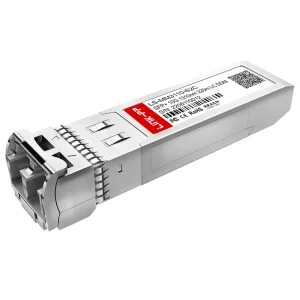
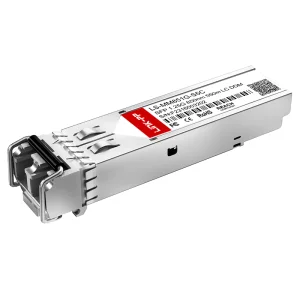
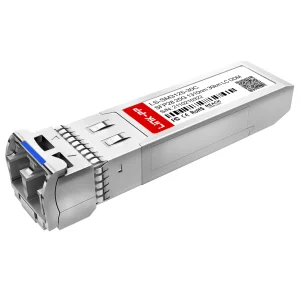
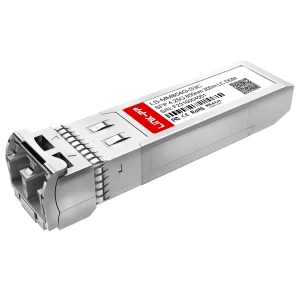
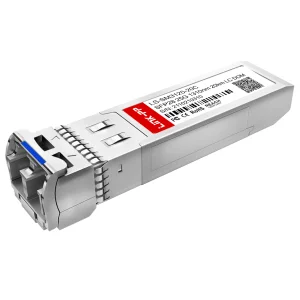
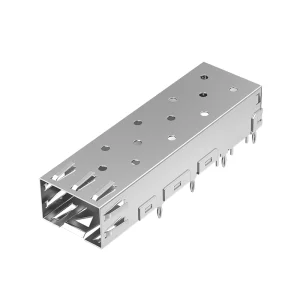
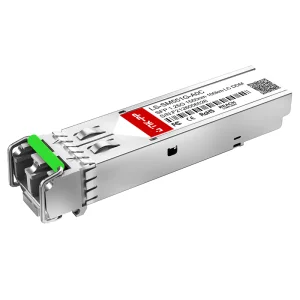
Moreover, the integration of optical and copper ecosystems is accelerating. Data centers rely on SFP28 transceivers for 25GbE connectivity, where reliable press-fit SFP+ cages and thermal heat sinks play critical roles in heat dissipation. Standard copper lines coexist with Single Mode Fiber (SMF) links, demanding specialized suppliers who understand both high-frequency copper engineering (such as SMT RJ45 jacks) and high-speed optoelectronics.
Robust vertical waterproof jacks, magnetic modules, and high-speed SFP28 transceivers designed to withstand Denmark's extreme environmental and industrial conditions.
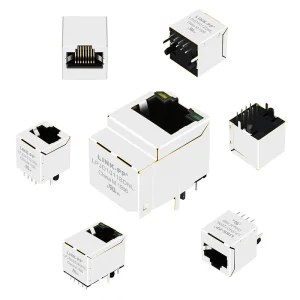
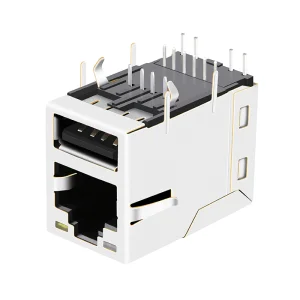
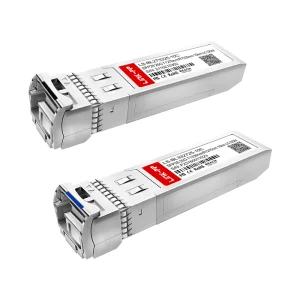
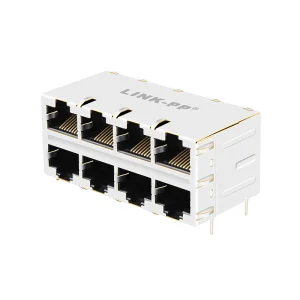
Discover how our RJ45 female connectors and optical network interfaces power complex engineering systems in major Danish industries.
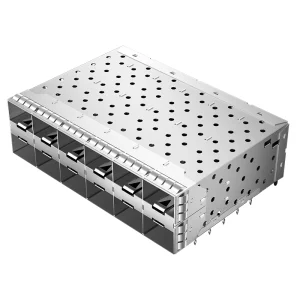
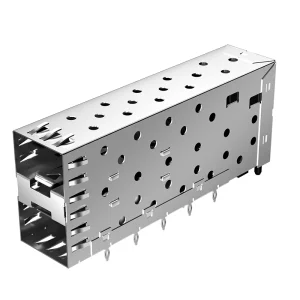
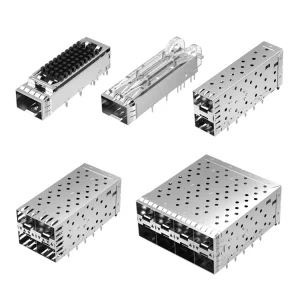
Denmark's cool climate and green power grids make it a prime location for hyperscale data centers operated by global technology giants. However, these facilities require efficient, high-density physical layers. Our press-fit SFP cages and compatible stacked port assemblies provide optimized EMI shielding and structural reliability, allowing multi-gigabit connections to function with minimum transmission errors. High-density server environments benefit from our SFP28 and SFP+ modules that balance heat generation and optical output, contributing directly to lower Power Usage Effectiveness (PUE) scores.
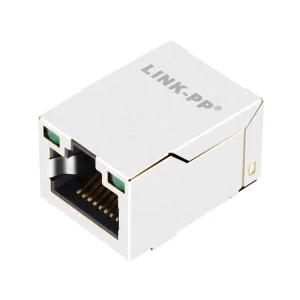
The North Sea hosts some of the world's largest wind farms. Control units inside wind turbine nacelles require robust diagnostic networks to monitor wind speed, blade pitch, and generator temperature. Salt mist, high vibration, and temperature extremes can quickly corrode unprotected RJ45 pins. OptiLinker's waterproof RJ45 modular jacks offer IP67/IP68 ingress protection with ruggedized locking collars, preventing oxidation and salt-spray damage to the internal phosphor bronze contacts. By implementing these sealed jacks, operators avoid downtime caused by telemetry link losses.
In Denmark's advanced manufacturing facilities, industrial robots demand real-time feedback loops. This requires high-frequency Ethernet networks. Our SMT RJ45 female jacks are designed for automatic pick-and-place assembly, featuring integrated LED options that give maintenance teams instant status diagnostics on the factory floor. They feature heavy copper shielding and grounding tabs to divert high-frequency industrial noise away from sensitive data lines, maintaining link stability despite proximity to high-voltage motors.
A demonstration of our technical excellence, supply chain strength, and commitment to the international optical communication standards.
OptiLinker Optoelectronics Co., Ltd. is a specialized manufacturer and global solutions provider. Under our registered brand, we focus on the research, development, and supply of high-speed optical modules, ruggedized RJ45 connectors, and high-frequency shielding cages for telecom networks and modern data centers worldwide.
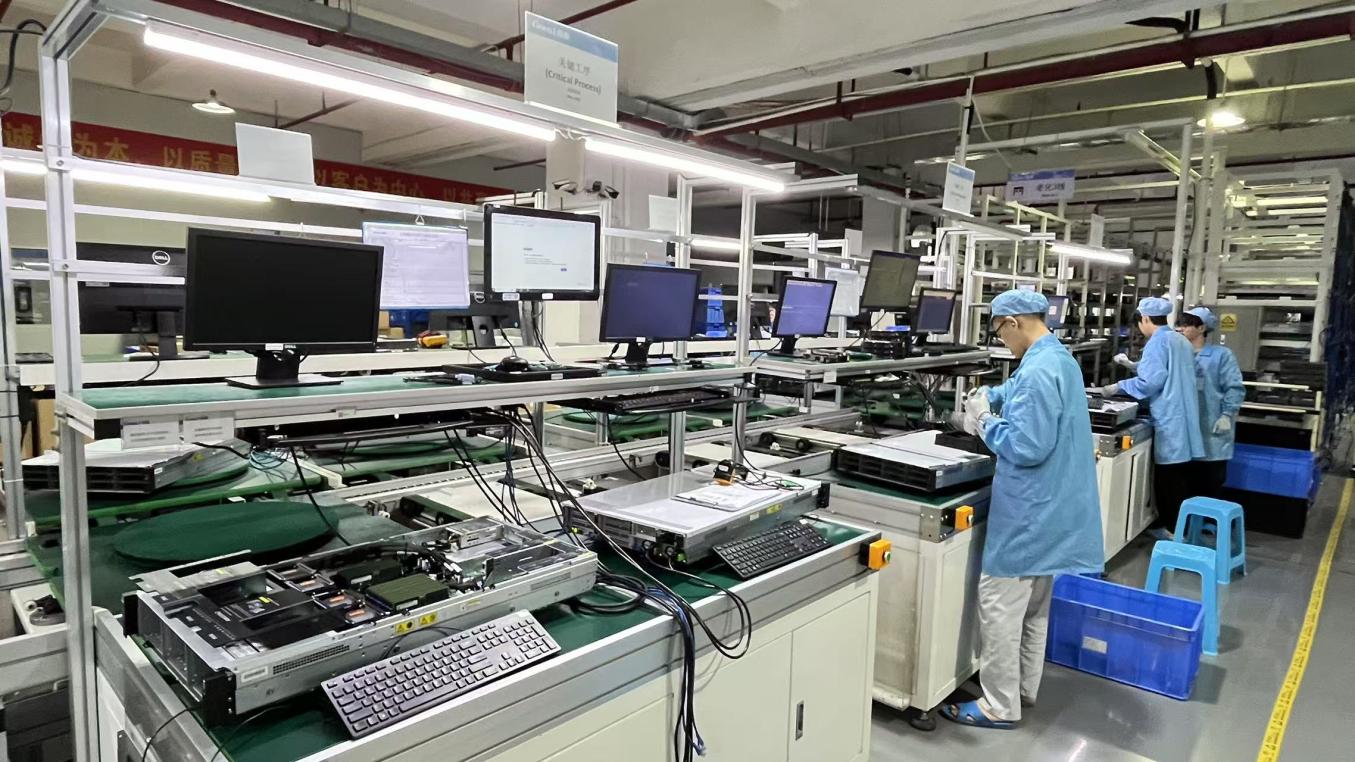
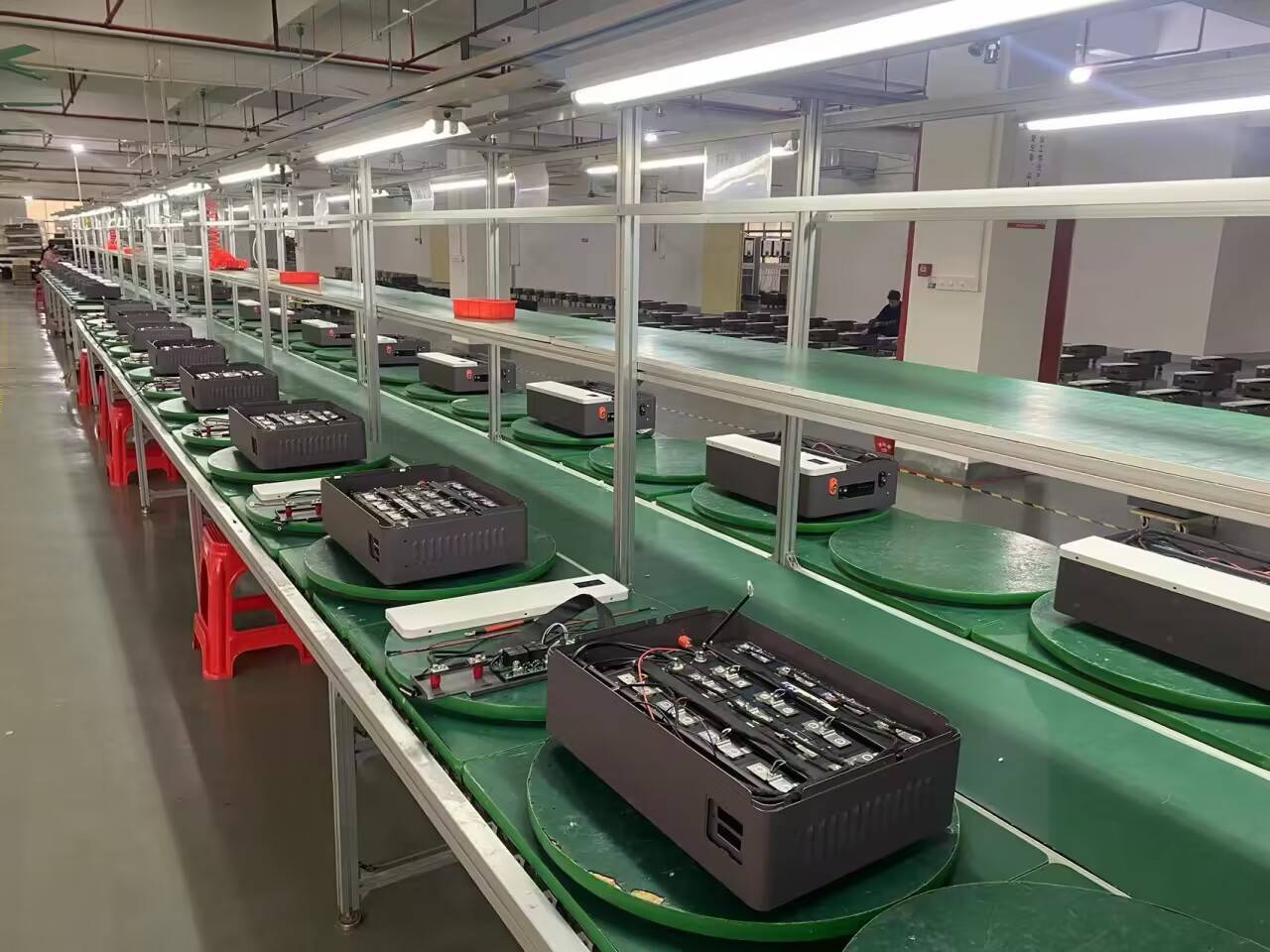
Operating a modern production facility with an efficient building layout of 320m², OptiLinker prioritizes quality control. We implement a rigorous testing regimen: 100% incoming raw material checks, Automated Optical Inspection (AOI) on all PCB runs, Bit Error Rate (BER) testing, eye diagram analysis, and environmental chamber testing from extreme cold to high temperatures. Supported by 35 quality control experts and 850 supply chain partners, we ensure our connectors and transceivers maintain long-term stability under stressful operating environments.

How the physical network layer is evolving to support high-speed data transmission and sustainable power distribution.
Traditional RJ45 architectures require 4 pairs (8 wires) of copper conductors. The future of industrial IoT relies on Single Pair Ethernet (SPE). Using only one pair of copper wires, SPE enables data transfer speeds of up to 1 Gbps alongside Power over Data Line (PoDL) over distances of up to 1000 meters. This dramatically reduces cabling weight, cost, and layout complexity in wind turbines and marine vessels.
Modern remote cameras, smart sensors, and outdoor wireless access points depend on high-wattage power delivery. Traditional RJ45 connectors face thermal challenges under continuous 90W loads, leading to contact degradation. The next generation of RJ45 magnetic jacks utilizes thicker gold-plating layers and advanced contact designs to mitigate heat buildup, preventing failures from high-temperature electrical currents.
As server interfaces transition from 100G to 400G and 800G, the distance copper traces can carry high-frequency signals on the PCB is shrinking. Co-Packaged Optics (CPO) brings the optical transceiver engine directly onto the CPU/ASIC package. This reduces signal loss and power consumption, positioning SFP and QSFP configurations to serve as the critical external interface link for hybrid networks.
Professional answers to common engineering questions concerning RJ45 female connectors, SFP cages, and compliance standards for the Danish market.
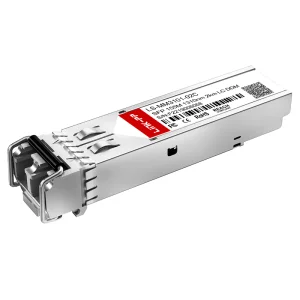
Premium multi-mode SFP transceivers, compatibility-coded cages, and stacked press-fit network modules for high-capacity enterprise networks.