OptiLinker
OptiLinker
OptiLinker
Explore our primary high-speed optical transceivers engineered for immediate implementation across modern San José telecom centers and Alajuela Free Trade Zone enterprises.
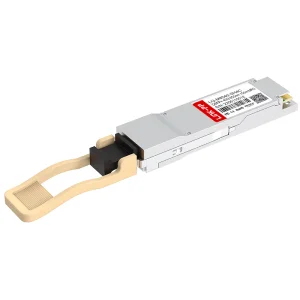
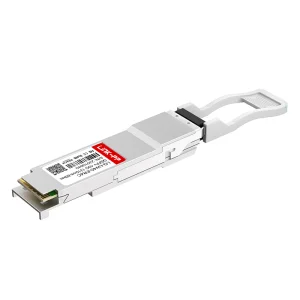
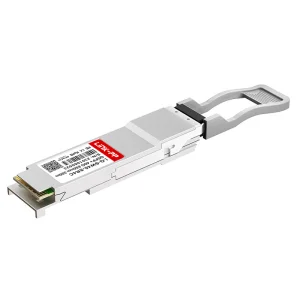
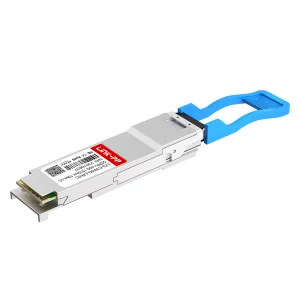
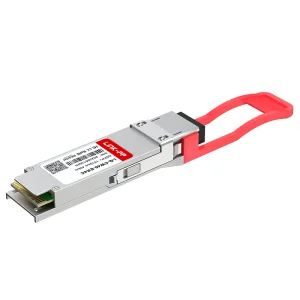
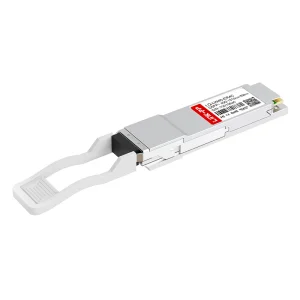
While hyperscalers target ultra-high speeds, regional ISPs, national educational networks, and corporate enterprise networks find 40G to be a highly stable, energy-efficient solution. The QSFP+ architecture delivers four independent transmit and receive channels, supporting 10 Gbps per channel for a total aggregate bandwidth of 40 Gbps. This flexibility allows for easy migration and breakout configurations (4x10G), which are heavily utilized in telecom operations across Costa Rica.
In Costa Rica, specific geographic and environmental criteria shape optical transceiver requirements. The high-humidity tropical climate demands optoelectronics featuring superior thermal dissipation, moisture-resistant packaging, and rigorous testing profiles. Key applications include:
OptiLinker Optoelectronics Co., Ltd. (OptiLinker) is a professional optical transceiver manufacturer and solution provider operating globally under the brand OptiLinker (www.optilinkertrans.com). We specialize in high-speed optical communication modules engineered for data center, telecom, and enterprise networking applications worldwide.
OptiLinker operates a modern production facility spanning a building area of approximately 320㎡. We have built robust partnerships with over 850 global supply chain partners, enabling secure component sourcing and stable, scale-flexible production. Our annual export revenue has reached approximately USD 12 million, proving our commercial reliability across North America, Europe, Southeast Asia, and the Middle East.
Quality assurance is central to the OptiLinker manufacturing philosophy. Our dedicated QC division conducts a comprehensive multi-phase testing regimen to guarantee that every module operates reliably under demanding environments:
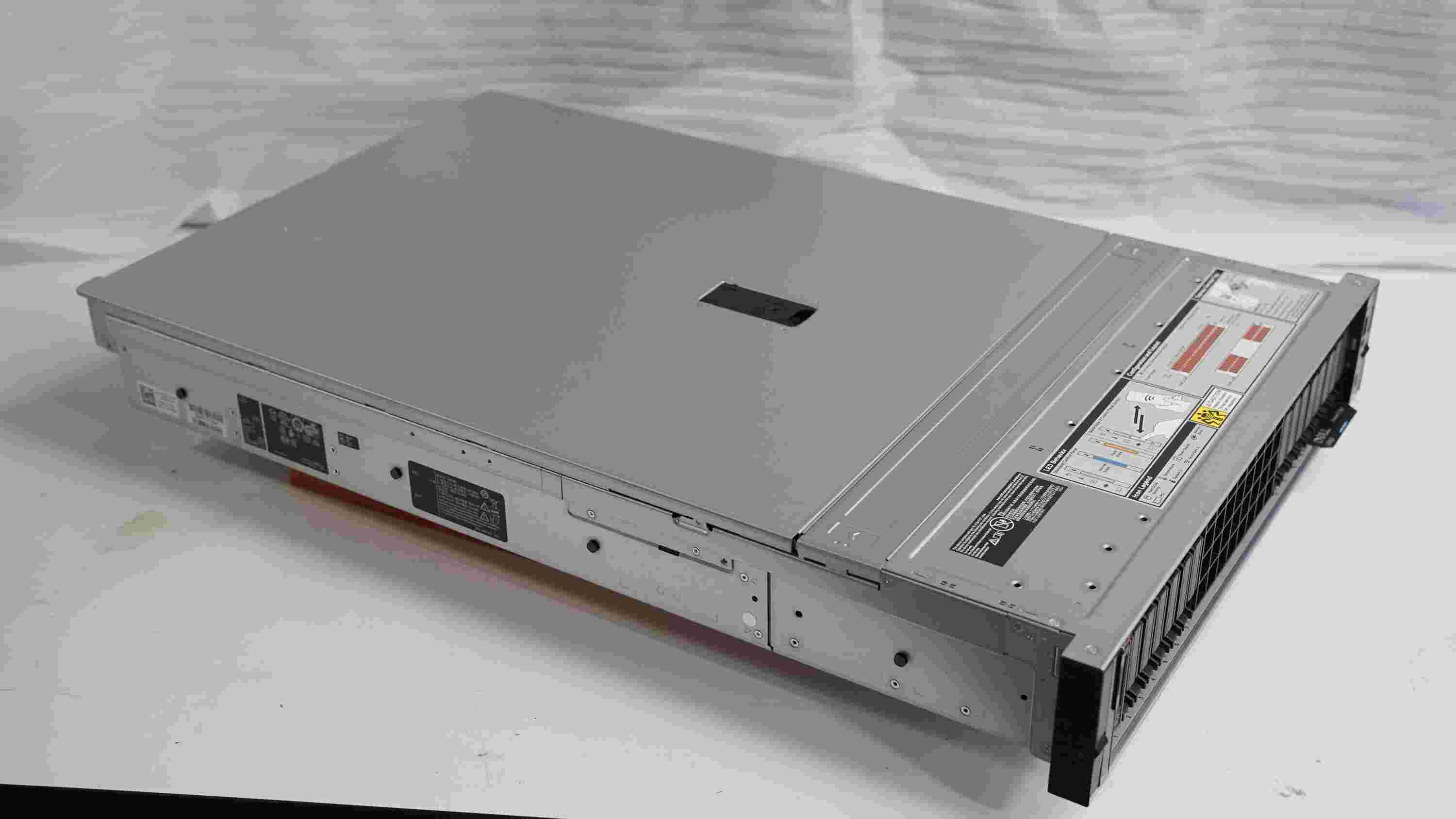



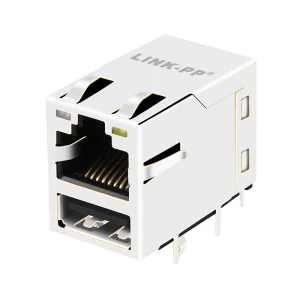
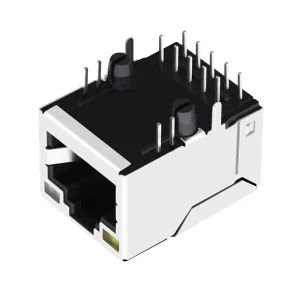
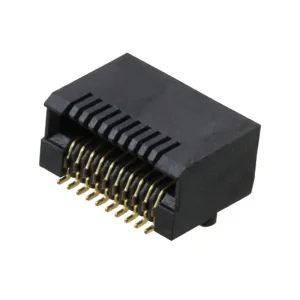
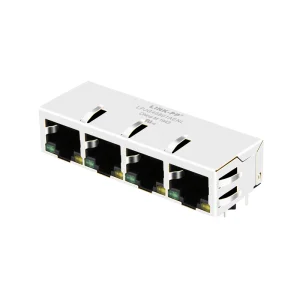
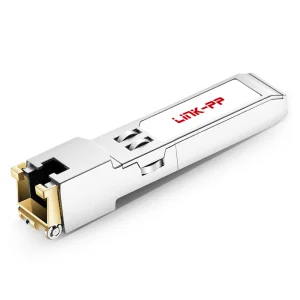
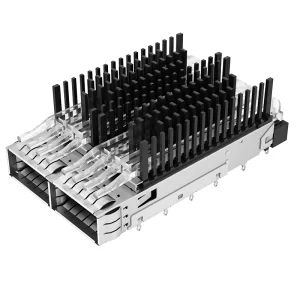
Beyond our premium 40G transceivers, OptiLinker supplies high-performance SFP ports, magnetic RJ45 connectors, and intermediate fiber links critical for high-speed switch integration.
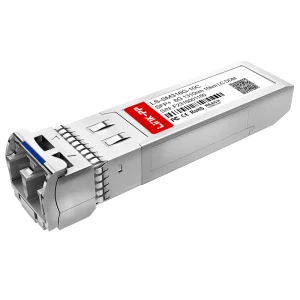
Understanding the evolution of optical interfaces is essential for network design engineers and procurement directors. While 40G QSFP+ represents a highly reliable, mature standard, the path to future scalability must be planned during deployment.
Our R&D engineering division works at the forefront of the upcoming global optical transitions. Here is how our technical roadmap supports Costa Rican and international enterprises during this technological transition:
A common challenge for optical hardware in Central America is the ambient environment. In areas without high-quality HVAC systems, tropical humidity and temperature swings can lead to wavelength drift in DFB lasers. This drift increases optical insertion losses and bit error rates.
OptiLinker transceivers resolve this issue by incorporating high-performance, hermetically sealed optical sub-assemblies (OSAs) alongside integrated thermoelectric coolers (TEC) in long-distance modules. This keeps internal operating temperatures within design parameters, providing reliable packet transmission whether operating in a climatized facility in San José or an edge enclosure in the damp conditions of Limón.
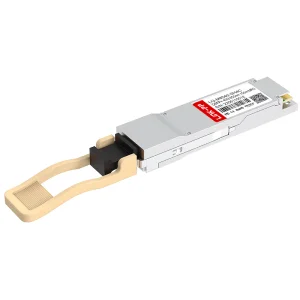
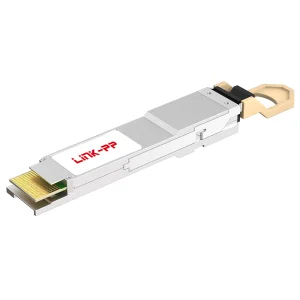
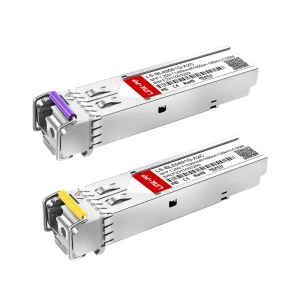
Our comprehensive selection of optical modules, physical ports, and next-generation connectivity modules built for reliability and high-speed operation.
Addressing the primary technical, logistics, and compatibility questions raised by IT operations and procurement professionals in Latin America.
OptiLinker maintains an extensive in-house database of EEPROM firmware codes covering major global brands (including Cisco, Juniper, Arista, HPE, Dell, and Huawei). Our R&D engineering team programs the EEPROM of each 40G QSFP+ module with vendor-specific configuration codes, matching checksums, and proper serial numbers. This ensures that when the transceiver is installed, the host system reads it as a native, fully certified module, preventing port blocking or non-recognition errors.
For standard 40G QSFP+ modules, our factory dispatch cycle is 3 to 5 business days, with custom firmware programming completed during our staging phase. We ship via premium express air carriers (DHL, FedEx, UPS) directly to Juan Santamaría International Airport (SJO). Typical transit time to San José and surrounding Free Zones is 4 to 7 days. OptiLinker provides detailed export documentation, HS Tariff Codes (85177090 or equivalent), and commercial invoices to ensure smooth customs clearance through local customs brokers.
The primary differences lie in fiber media, transmission distance, and laser wavelengths. 40GBASE-SR4 (Short Reach) runs over multimode fiber (OM3 or OM4) using 850nm VCSEL lasers, transmitting data up to 150 meters over MPO-12 ribbon cables. It is the most cost-effective solution for intra-rack and row-to-row connections within data centers. Conversely, 40GBASE-LR4 (Long Reach) runs over single-mode fiber (SMF) using four distinct Wavelength Division Multiplexed (WDM) channels around 1310nm, sending data up to 10 kilometers over standard duplex LC patches. It is designed for campus and metropolitan rings.
DDM (Digital Diagnostic Monitoring) is an integrated firmware system that provides real-time access to key transceiver operating parameters. This includes laser bias current, optical output power (transmit power), received optical power (receive sensitivity), internal module temperature, and supply voltage. Through DDM, network administrators can proactively monitor fiber degradation, identify bad optical splices, and diagnose transceivers before link failure occurs. This capability is highly valuable for remote edge nodes where hands-on maintenance is difficult.
Contact our specialist engineering team today for technical data sheets, customized compatibility programming, or volume pricing on our range of optical transceivers.
Send Inquiry Now