OptiLinker
OptiLinker
OptiLinker
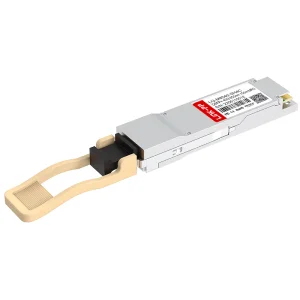
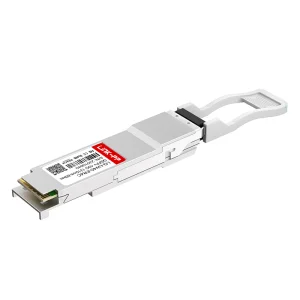
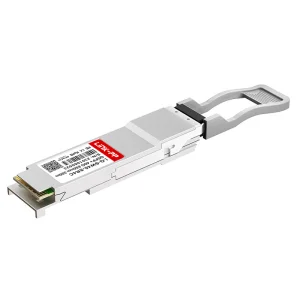
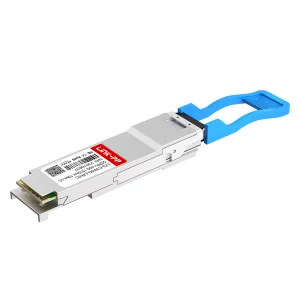
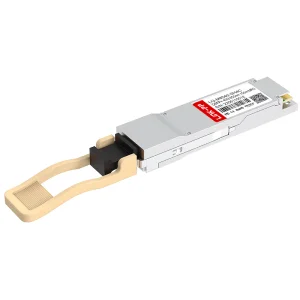
Discover our primary selection of enterprise-grade 40G QSFP+ optical transceiver modules optimized for low-latency routing, switching, and core distribution across Mexico City’s digital corridors.
The global telecommunication landscape is undergoing a tectonic shift, and Mexico City (CDMX) has emerged as the premier strategic bridge between North American internet exchanges and the rapidly expanding digital economies of Central and South America. As multinational enterprises embrace the nearshoring paradigm, relocations of manufacturing, assembly, and tech support units to Mexico have skyrocketed. This industrial migration demands robust, ultra-reliable network backbones capable of processing massive data throughput without bottlenecking.
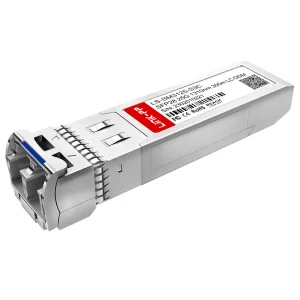
At the center of this network expansion is the demand for 40G QSFP+ (Quad Small Form-factor Pluggable Plus) optical transceiver modules. These modules serve as the workhorses of high-density ethernet deployments, linking aggregation switches to core routers. Because of their hot-pluggable nature and versatility (supporting both single-mode and multi-mode fiber configurations), they allow local ISPs, hyperscale datacenters in the Querétaro-Mexico City corridor, and manufacturing facilities in the Vallejo industrial zone to seamlessly upgrade bandwidth capacities from legacy 10G infrastructures to cost-effective 40G/100G architectures.
OptiLinker Optoelectronics provides the Mexican market with factory-direct access to optical modules tested to the most demanding standards. By localizing our strategic focus on CDMX, we ensure that operators, systems integrators, and network distributors bypass prolonged customs delays and inconsistent import pathways, securing the continuous physical layer components required to fuel Mexico's digital transformation.
OptiLinker Optoelectronics Co., Ltd. (OptiLinker) is a professional optical transceiver manufacturer and solution provider under the brand OptiLinker (www.optilinkertrans.com), specializing in high-speed optical communication modules for global data center and telecom applications.
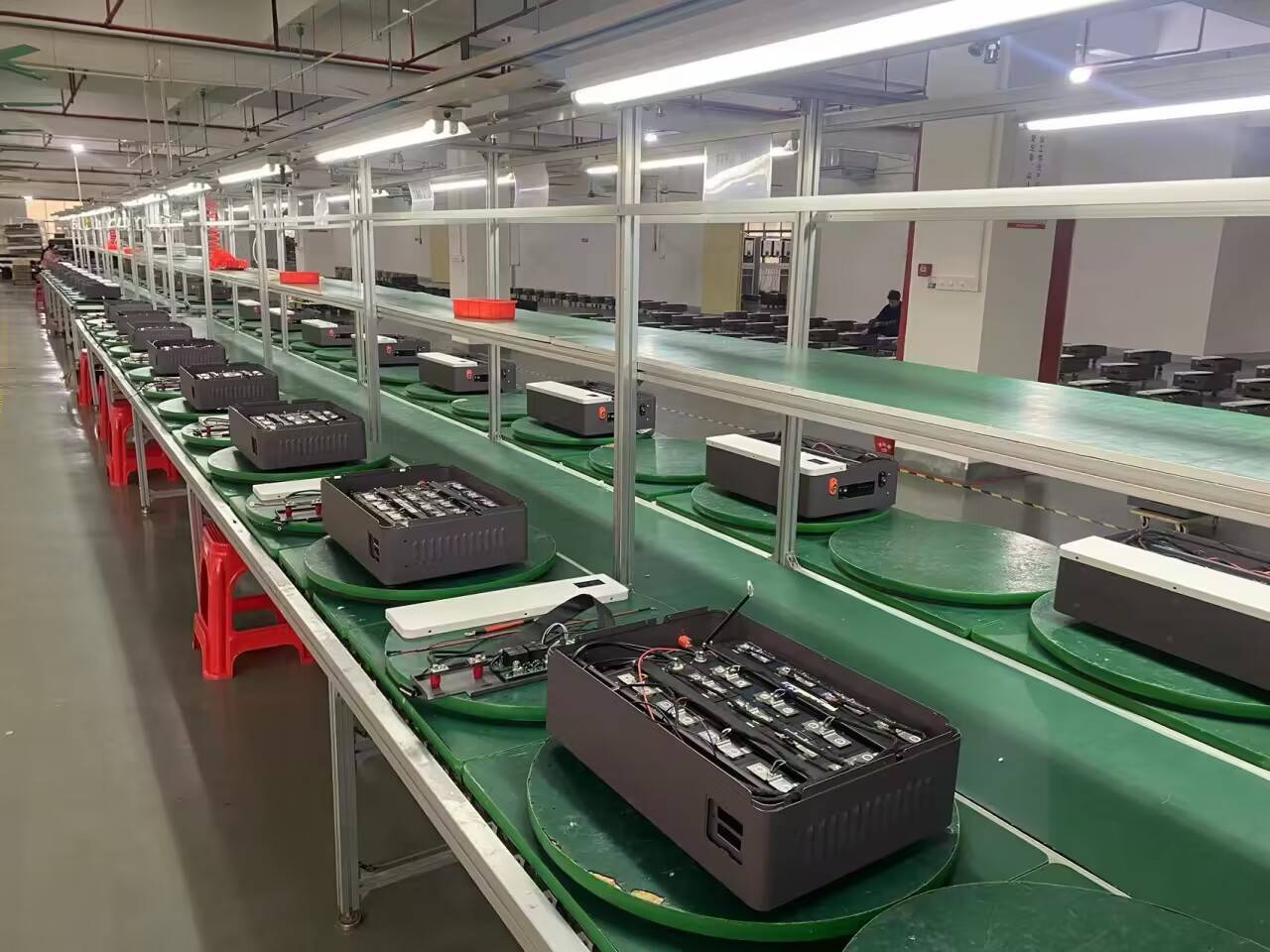
Founded in 2016, OptiLinker operates a modern production facility with a total building area of approximately 320㎡. With continuous development in optical communication technology, the company has accumulated over 12 years of industry experience and approximately 8 years of export experience.
In the past year, OptiLinker achieved an annual export revenue of around USD 12 million, serving customers across North America, Europe, Southeast Asia, and the Middle East. The company maintains a strong global B2B trade background, focusing on OEM/ODM partnerships with network infrastructure providers.
Driven by innovation and reliability, OptiLinker is committed to delivering high-performance optical connectivity solutions for the global digital infrastructure market.

Deploying fiber optic systems in Mexico City and surrounding states poses distinct environmental and infrastructural challenges. Enterprise network architects frequently encounter three primary bottlenecks when implementing high-speed optical transceivers:
Many telecom shelters in central Mexico run warm due to altitude, localized heat-islands, and varying HVAC efficiencies. OptiLinker mitigates this by offering extended temperature range modules (industrial: -40°C to 85°C, and commercial: 0°C to 70°C). Our advanced thermal dissipation design reduces module power consumption, minimizing overall rack heat generation.
Latin American networks are rarely built on a single hardware vendor. Operators frequently combine legacy systems with modern hardware. OptiLinker utilizes advanced firmware programming in our CDMX-bound modules to guarantee seamless EEPROM compatibility with over 50 major networking platforms including Cisco, Arista, Juniper, Huawei, and HP.
Mexico City sits at over 2,240 meters above sea level. While altitude doesn't directly alter light speed in fiber, the physical stress on equipment and cables in high-altitude terrain requires transceivers with exceptional transceiver signal-to-noise ratios (SNR). OptiLinker's modules feature built-in Clock and Data Recovery (CDR) circuits to stabilize signals and prevent jitter.
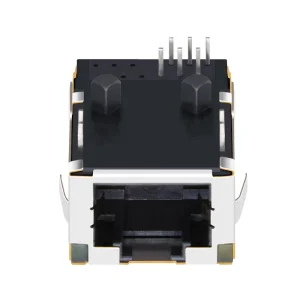
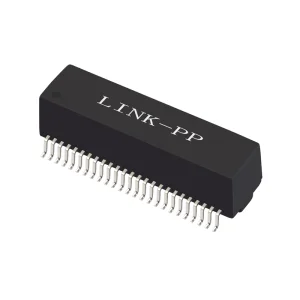
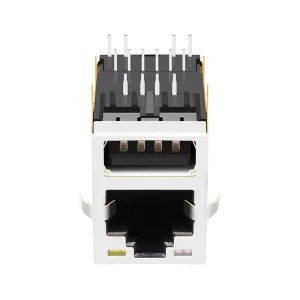
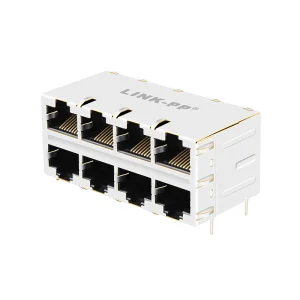
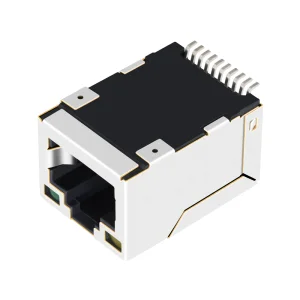
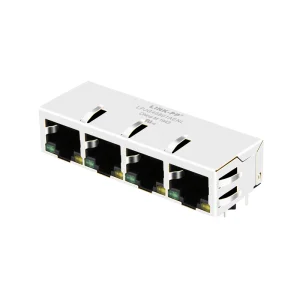
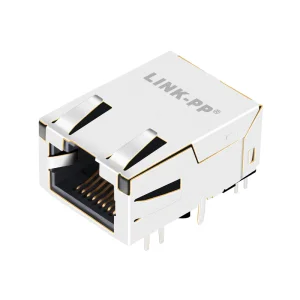
Beyond high-performance fiber optic modules, OptiLinker manufactures enterprise telecom transformers and rugged RJ45 connectors essential for the assembly lines of electronics OEMs and EMS providers operating throughout the Mexican territory.
Deploying optical network infrastructure in Mexico requires a deep understanding of local industrial zones and administrative centers. Key regional deployment scenarios include:
| Application Area | Recommended Optical Module / Component | Key Parameter | Primary Benefit |
|---|---|---|---|
| Intra-rack Switch Interconnects | 40GBASE-SR4 (MMF) | 850nm / 150m reach | Low power consumption & ultra-low latency |
| Metro Backbone Inter-Facility links | 40GBASE-LR4 (SMF) | 1310nm / 10km reach | High-performance single-mode dual LC connection |
| CDMX-to-Querétaro Trunk Links | 40GBASE-ZR4 (SMF) | 1310nm / 80km reach | Eliminates intermediate amplification requirements |
| Industrial Automation Assemblies | L829-1X1T-91 Magnetic RJ45 | 10/100 Base-t with LEDs | Ruggedized electromagnetic noise isolation |
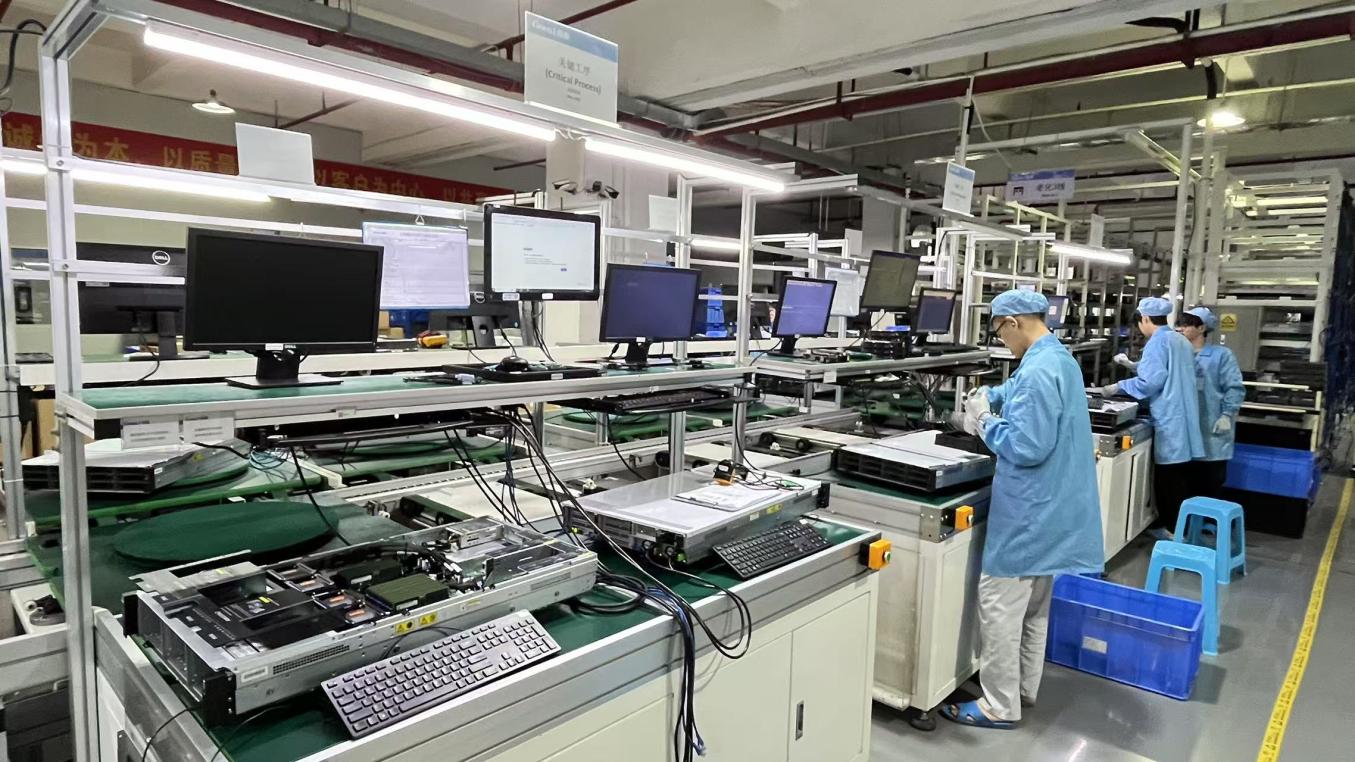
In high-speed data transmission, the difference between a high-grade components supplier and a substandard manufacturer comes down to testing consistency. A single failing optic can disrupt services for thousands of corporate users. OptiLinker implements a rigorous quality control framework overseen by a team of 35 dedicated QC professionals.
Every raw optoelectronic component, laser diode (TOSA), photodetector (ROSA), and PCB motherboard undergoes testing upon receipt to ensure baseline performance before assembly.
Automated cameras scan component alignments, solder quality, and micro-circuit paths to remove manual errors and ensure structural integrity.
We run eye-diagram analysis, Bit Error Rate (BER) validation, optical output power calibration, and high/low temperature cycling tests to verify performance under heavy loads.
Importing telecom components into Mexico requires navigating specific regulatory pathways. Enterprise projects can stall due to custom clearance issues. At OptiLinker, we streamline this process through established international logistics procedures:
Our telecom transceivers and active connectors comply with the technical frameworks established by the Instituto Federal de Telecomunicaciones (IFT) and conform to the Normas Oficiales Mexicanas (NOM-019-SCFI) safety guidelines. This facilitates smooth entry through ports in Veracruz, Manzanillo, and CDMX Airport.
We supply complete documentation, including certified HS Codes (such as 8517.62 for optical telecommunication modules) and certificates of origin, preventing customs delays and ensuring direct delivery to your warehouse or site.
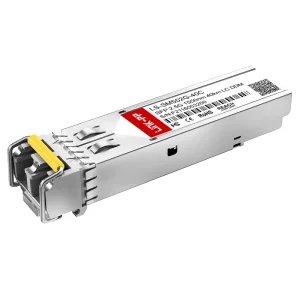
Explore our extended inventory of transceivers, network interface jacks, and magnetic connectors designed for reliable physical layer connectivity.
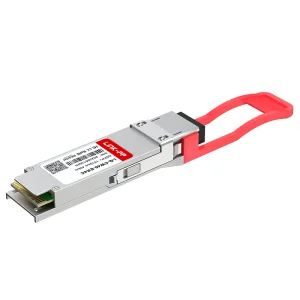
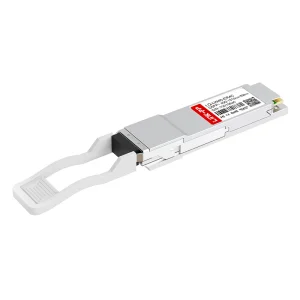
OptiLinker maintains an extensive library of hardware-specific firmware profiles in our production facility. During order processing, our engineers write device-specific EEPROM data for each transceiver to match the system configuration of your routers or switches (such as Cisco Nexus, Arista, Juniper, or Huawei). This ensures the module will not trigger "unsupported transceiver" warnings and supports full DOM (Digital Optical Monitoring) functionality.
For standard configurations, production and quality testing take 3 to 7 working days. Shipments via express logistics providers (like DHL, FedEx, or UPS) typically arrive at Mexico City International Airport (AICM) or Querétaro (QRO) within 4 to 6 business days. Total lead time from ordering to site receipt is generally 10 to 14 calendar days, excluding local customs clearance processing.
Yes. Our transceivers comply with NOM-019-SCFI safety frameworks for electronic devices and bear standard international marks including CE, FCC, and RoHS. OptiLinker supplies structured commercial invoices, packing lists with accurate HS codes, and certificates of conformity to prevent delays at customs.
Yes. Our engineering team can adjust optical power budgets and laser parameters to align with specific link loss requirements. Whether you require customized wavelengths, custom optical transmission reach (e.g., 2km over single-mode fiber), or specialized firmware coding for industrial deployments, our R&D department will build and test the custom firmware before shipment.
The main differences are transmission medium and distance. 40GBASE-SR4 operates over multimode fiber (OM3/OM4) with an MPO-12 connector, typically reaching up to 150m. It is ideal for short connections within the same data center room. 40GBASE-LR4 operates over duplex single-mode fiber with an LC connector, reaching up to 10km. This makes it suitable for connections between data centers or across large campuses.
Partner with a reliable manufacturer of optical transceivers and interface electronics. OptiLinker delivers high-quality network components directly to your projects in Mexico City, Querétaro, and beyond.
Send Inquiry Now