 OptiLinker
OptiLinker
OptiLinker
Engineered for high-density telecommunication frameworks and extreme operational environments in Chile.
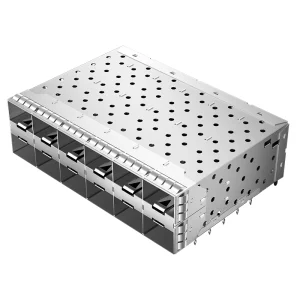
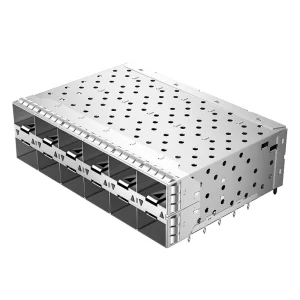
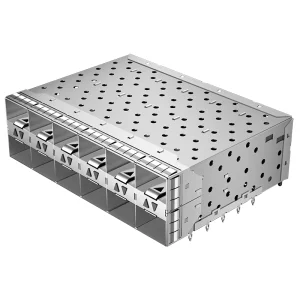
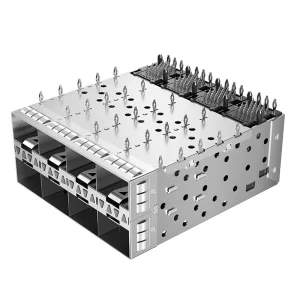
An in-depth whitepaper on the engineering adaptation, electrical requirements, and supply-chain logistics of high-density SFP/SFP+ interconnect systems in the Southern Cone.
Chile has rapidly established itself as the digital epicenter of the Southern Cone, acting as a crucial gateway for trans-Pacific communications and a primary hub for hyperscale datacenters. With major investments in Quilicura, Lampa, and the wider Santiago Metropolitan Area by global tech enterprises, the demand for physical-layer network density has surged. Simultaneously, the deployment of 5G cellular infrastructure by carriers like Entel, WOM, and Movistar requires robust, high-performance base station interfaces capable of handling massive bandwidth while maintaining a minimal spatial footprint.
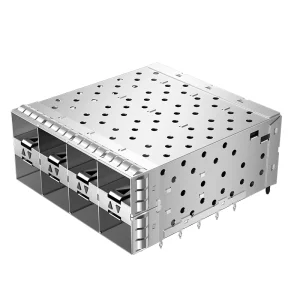
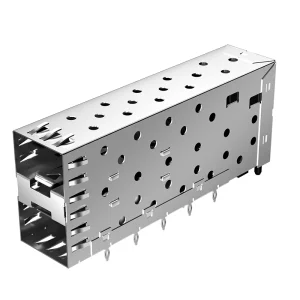
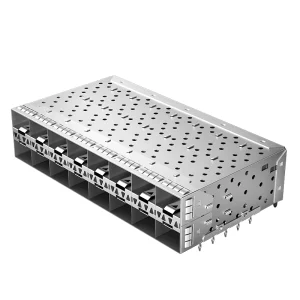
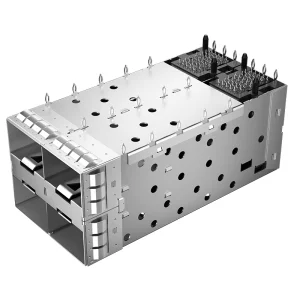
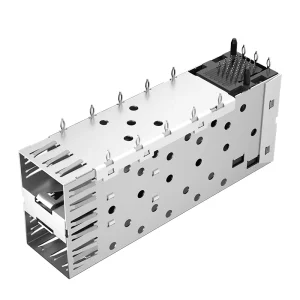
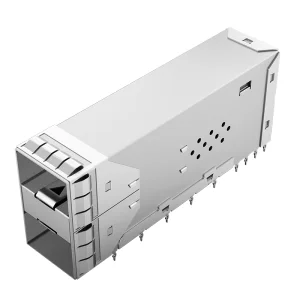
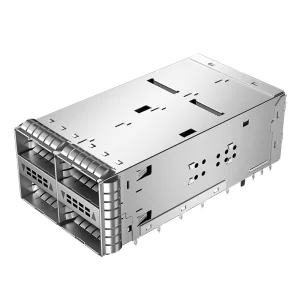
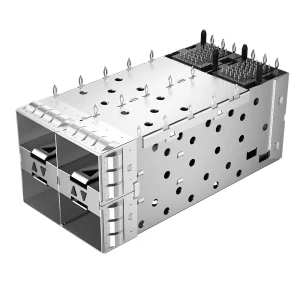
Beyond telecommunications, Chile's unique industrial sectors—ranging from massive copper mining operations in the high-altitude Atacama Desert (e.g., Minera Escondida) to astronomical observatories (e.g., ALMA, ESO) in the north—rely on advanced optical networks. These networks require localized hardware solutions that can withstand severe environments, thermal fluctuations, and mechanical vibration. 2xN (Stacked Ports) cages, particularly configurations like 2x1, 2x4, 2x6, and 2x8, play an indispensable role in these setups by maximizing edge-port density on network switch PCBs, optimizing airflow, and securing superior electromagnetic interference (EMI) containment.
Santiago's growing multi-tenant datacenters use SFP28/zSFP+ 2x6 and 2x8 configurations to scale fiber channel routing without expanding rack footprint.
Rugged press-fit 2x2 and 2x4 cages provide robust electrical connections under extreme temperatures and mechanical vibration in heavy mining machinery control units.
Backhauling the Humboldt Submarine Cable (connecting Valparaíso to Sydney) demands low-latency, EMI-shielded stacked interfaces to handle massive optical trans-oceanic traffic.
Implementing 2xN stacked port configurations introduces two major engineering challenges: thermal dissipation and high-frequency signal integrity (SI). When SFP+ modules are stacked vertically (e.g., in a 2x6 configuration), the upper module restricts the airflow of the lower module, creating heat pockets. At high operating temperatures, this can degrade the laser performance of optical transceivers and reduce their lifespan.
To mitigate these effects, OptiLinker's 2xN cages incorporate integrated light pipes, elastomeric EMI gaskets, and optimized venting structures. Our cages are constructed using high-conductivity copper alloys (such as C7025) which facilitate efficient thermal transfer away from the transceiver modules towards the system's chassis. The inclusion of multi-stage press-fit pins (compliance eye-of-the-needle design) ensures gas-tight connections with minimal insertion forces, preventing trace damage on expensive multi-layer PCBs used in high-speed switches.
| Port Configuration | Common Part Equivalents | Data Rate Support | EMI Shielding Type | Key Application in Chile |
|---|---|---|---|---|
| 2x1 Stacked (40P) | Pulse SFP013-L, TE 2198318-1 | Up to 16 Gbps / 28 Gbps (zSFP+) | Metal Spring Fingers / Elastomeric Gasket | Remote Base Stations & IoT Edge Gateways |
| 2x2 Stacked (80P / 152P) | TE 2007417-8, TE 2308171-1 | Up to 28 Gbps (SFP28) / 56 Gbps (QSFP+) | Integrated Outer EMI Shielding | Mining Automation Control Cabinets |
| 2x4 Stacked (160P) | TE 2007394-6, Pulse SFPP-3120-L | 10 Gbps (SFP+) to 25 Gbps (SFP28) | 360-Degree EMI Gasket | Metropolitan Aggregation Switches |
| 2x6 Stacked (240P) | TE 1-2007562-8, TE 2347721-8 | Up to 28 Gbps per channel | Advanced Matrix EMI Finger Design | Hyperscale Datacenter Core Routers |
| 2x8 Stacked (320P) | TE 2169788-1, TE 2274867-6 | 10 Gbps to 25 Gbps per channel | Outer Shield + Light Pipe Assemblies | High-throughput cloud storage clusters |
As transmission frequencies increase to support SFP28 (25/28 Gbps) and zSFP+ architectures, electromagnetic interference (EMI) becomes a primary failure mode during system compliance testing. The vertical stacking of ports acts as a potential slot radiator if the cage-to-chassis grounding is not continuous. OptiLinker resolves this by utilizing strategic multi-point contact grounding tabs and elastomeric conductive gaskets. These components provide a low-impedance path to the chassis ground, suppressing radiative emissions up to 40 GHz. This level of suppression is critical for Chilean defense, aerospace, and high-precision scientific infrastructure (such as astronomical array backplanes in northern Chile) where radio silence and signal cleanliness are legally mandated.
Founded in 2016, OptiLinker is a professional manufacturer and solution provider under the brand OptiLinker, specializing in high-speed optical communications and interconnect components.
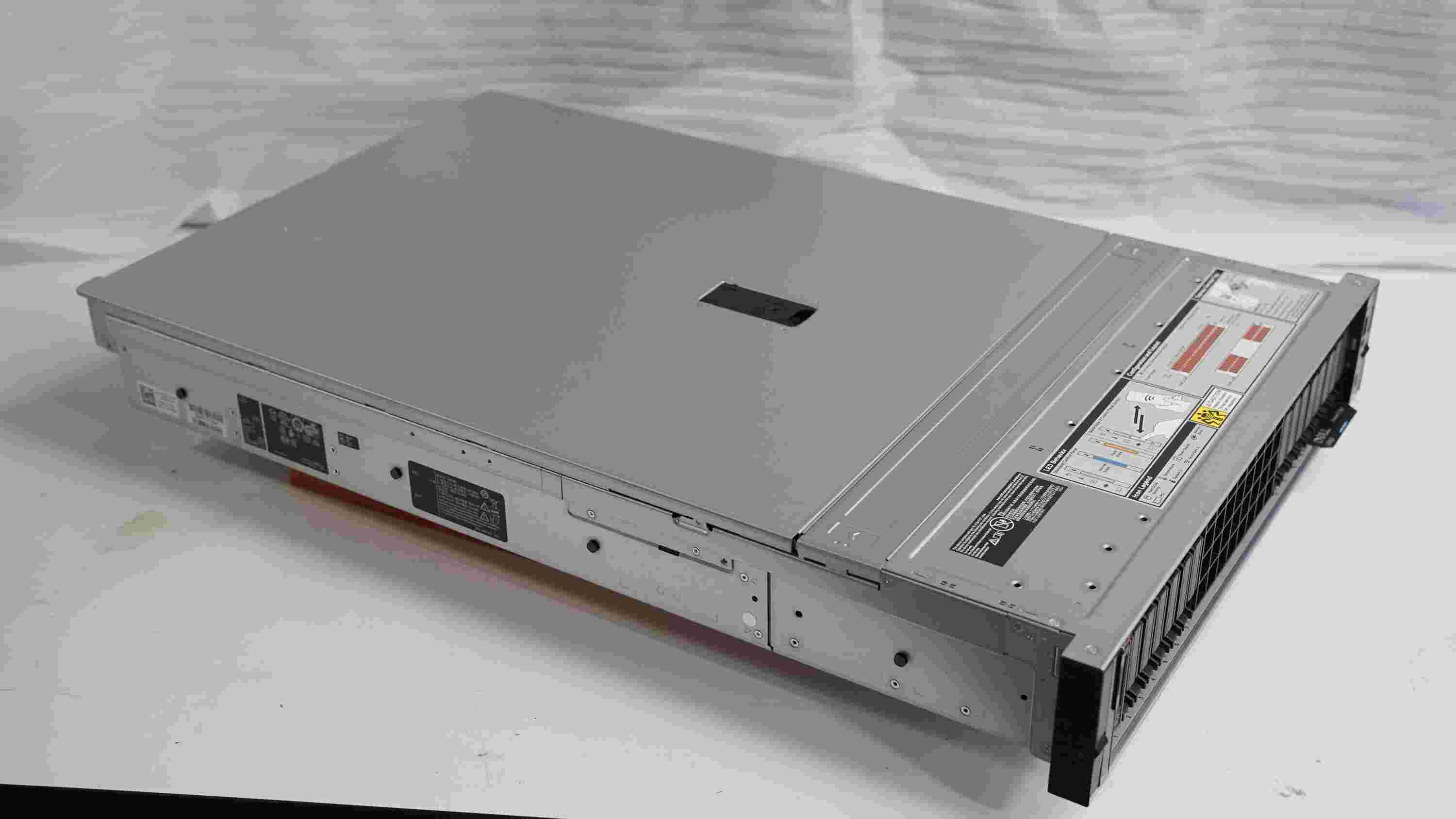
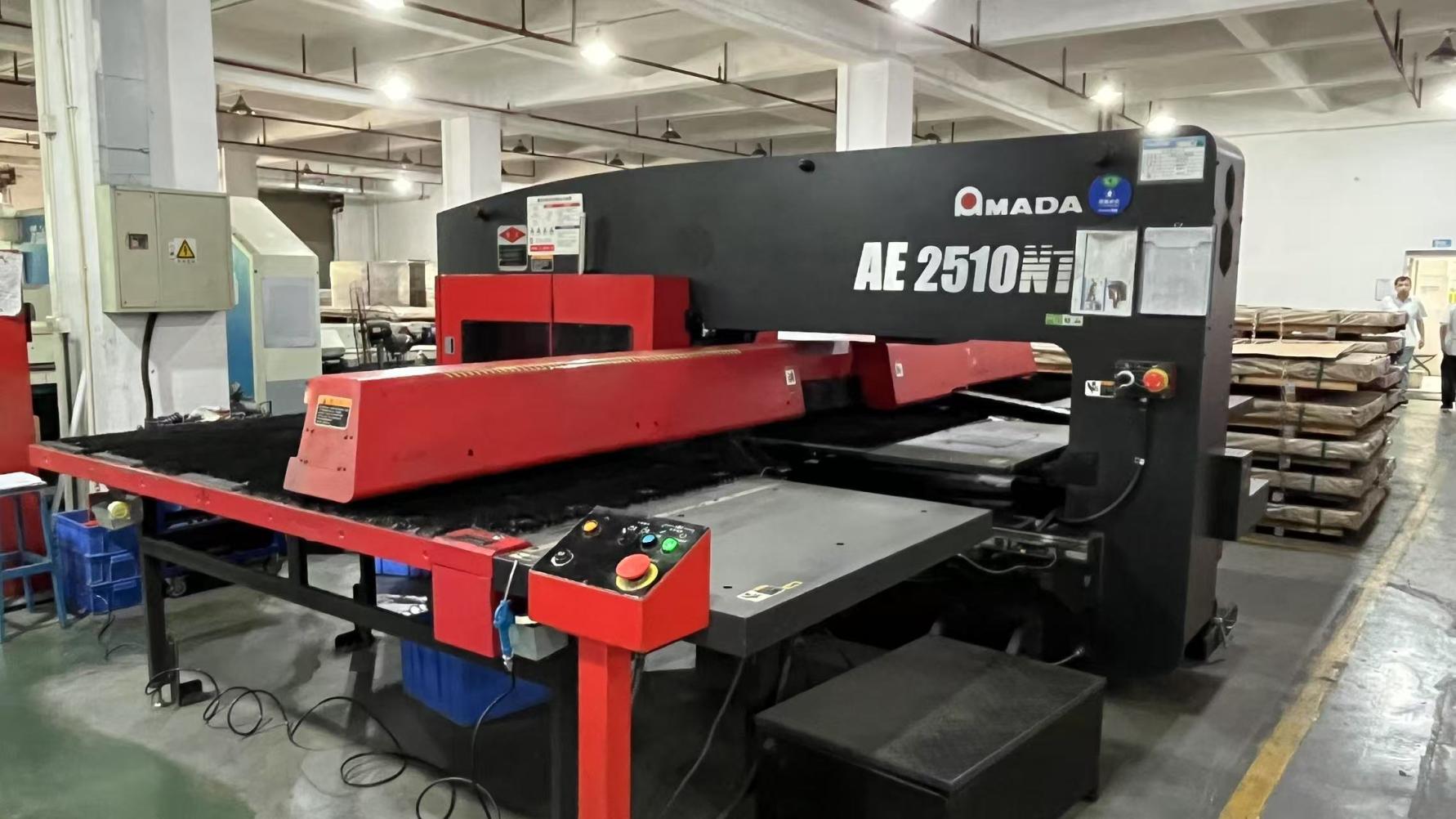
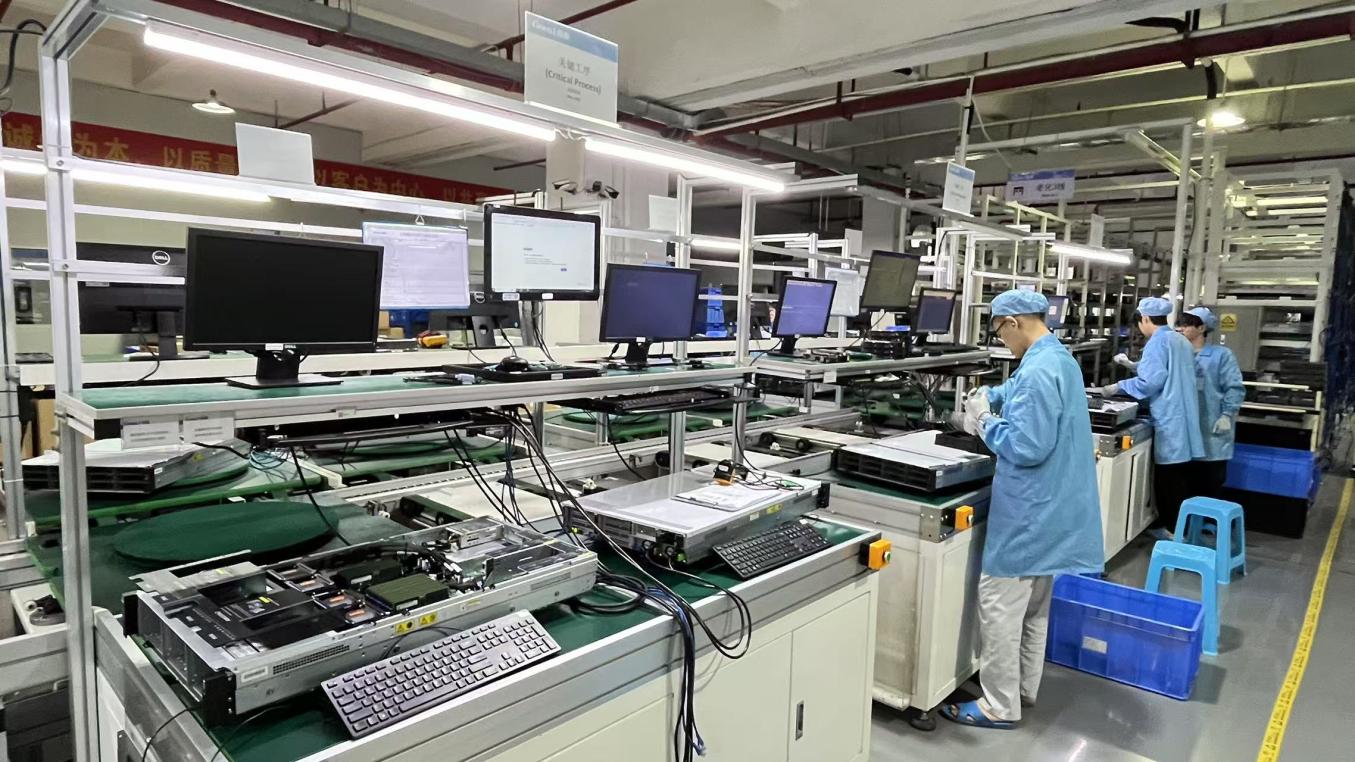
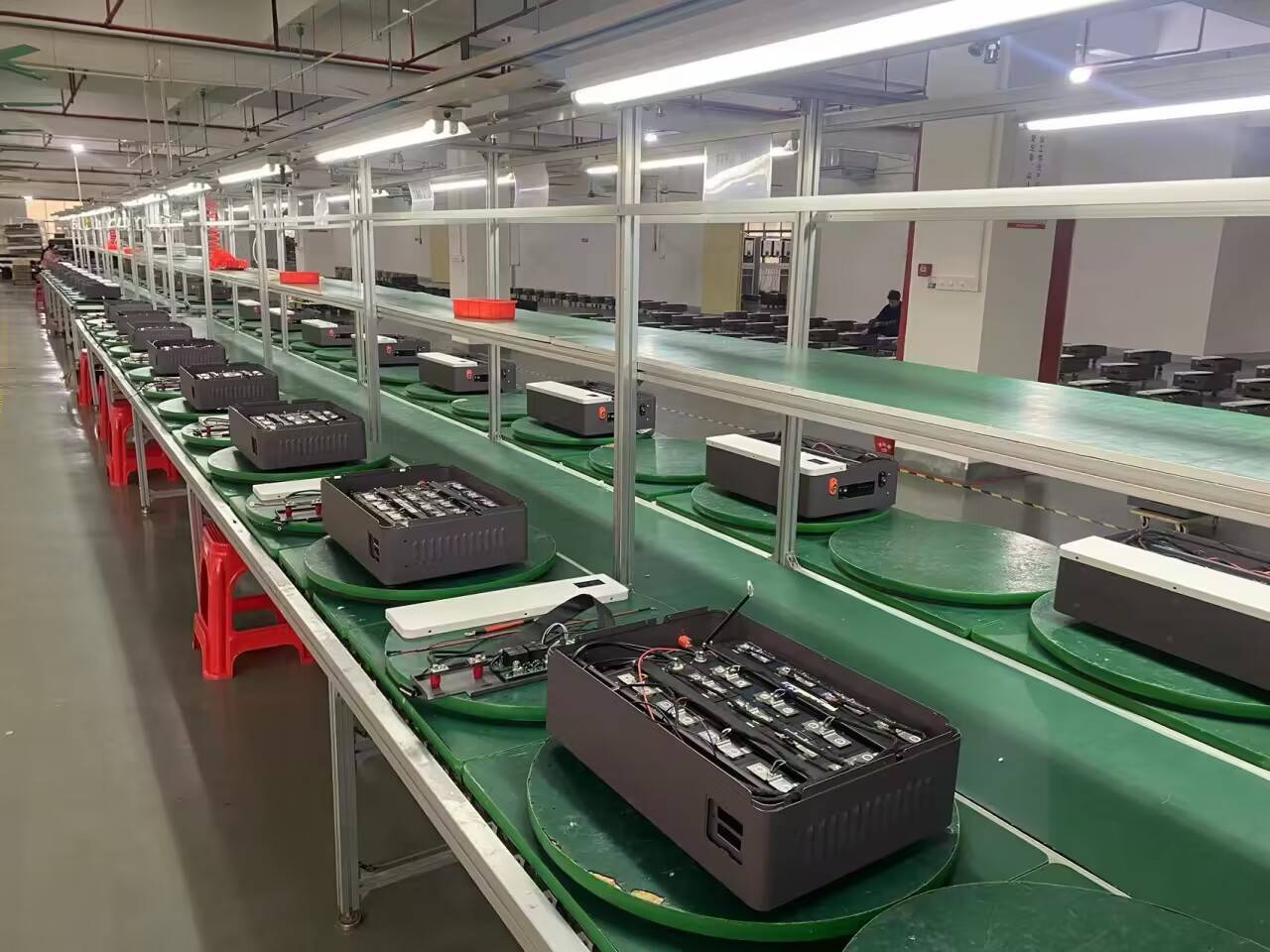
OptiLinker operates a modern production facility designed to meet stringent international quality metrics. We implement a strict quality control system, including 100% incoming material inspection, Automated Optical Inspection (AOI), and comprehensive optical-to-electrical signal performance validation. Our signal testing routines feature Bit Error Rate (BER) analysis, eye diagram profiling, and high/low temperature environmental chamber testing, simulating the intense thermal spans of the Chilean Andes and northern deserts.
With a dedicated team of 60 optical and mechanical engineers, OptiLinker maintains the agility to provide custom adjustments. Whether it is adjusting wavelength configurations, tailoring transmission distances, or adapting mechanical cages to fit non-standard chassis profiles, our engineering team ensures seamless integration with equipment from brands like Cisco, Juniper, Huawei, and HP, which are widely deployed in the South American telecommunication sectors.
Purchasing directly from OptiLinker (China factory) offers a competitive advantage for Chilean network integrators. Under the China-Chile Free Trade Agreement (FTA), imported communication infrastructure components under specific HS codes (such as 8517.70.90) qualify for preferential zero-tariff or reduced-tariff rates. This simplifies the import process and lowers total cost of ownership. We coordinate with major air cargo lines arriving at Santiago Arturo Merino Benítez International Airport (SCL) and ocean carriers docking at the ports of Valparaíso and San Antonio, providing reliable shipping and customs compliance documentation.
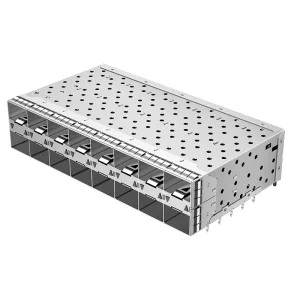
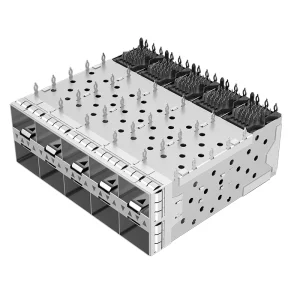
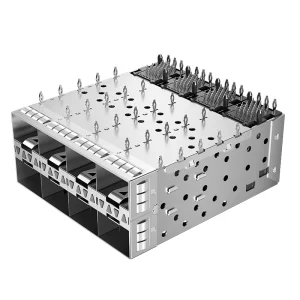
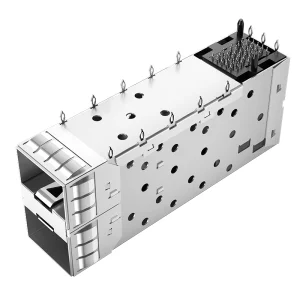
Explore our complete range of TE, Pulse, and Molex compatible SFP, SFP+, SFP28, and zSFP+ stacked cages.
Addressing key technical, compliance, and purchasing questions for Chilean network engineers and procurement managers.
Under the China-Chile Free Trade Agreement (FTA), optical transceiver modules and physical interconnect cages (under HS code category 8517.70) are eligible for duty-free or significantly reduced tariff rates upon presentation of a valid Certificate of Origin (Form F). OptiLinker provides all necessary documentation to ensure smooth customs clearance through Chilean customs offices in Valparaíso, San Antonio, or Santiago Airport.
At altitudes exceeding 3,000 meters (e.g., in the Atacama region), the reduced air density lowers convective cooling efficiency by roughly 20%. To compensate, OptiLinker uses high-conductivity copper alloys and optimized mechanical venting. Our press-fit pins are engineered to maintain gas-tight contact despite thermal cycles and altitude-induced pressure changes, preventing contact oxidation.
Yes, our cages are designed to match the industry-standard footprint, pin configuration, and mechanical dimensions of TE Connectivity, Pulse, and Molex parts. They are drop-in replacements that fit onto existing PCB layouts without requiring design modifications.
OptiLinker offers firmware coding options to ensure compatibility with hardware from vendors like Cisco, Juniper, Arista, and HP. We can also customize wavelength profiles, transmission distances (up to 80km+), and operating temperature ranges to suit specific project requirements.
We use high-frequency vector network analyzers (VNAs) to evaluate parameters like insertion loss, return loss, and near-end crosstalk (NEXT) up to 28 Gbps per channel. This verification process ensures compliance with IEEE 802.3by (25GBASE-R) standards for reliable data transmission.
All our components, including cages and connectors, comply with RoHS, REACH, and CE regulations. These certifications verify that our products meet the environmental safety standards required for import and deployment in industrial and commercial networks in Chile.
Contact our engineering support team for detailed drawings, compatibility matrices, and bulk pricing options tailored for the Chilean market.
Send Inquiry Now