OptiLinker
OptiLinker
OptiLinker
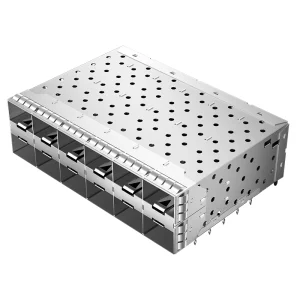
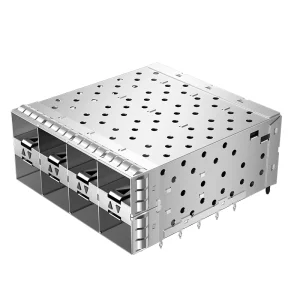
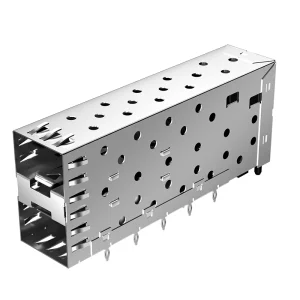
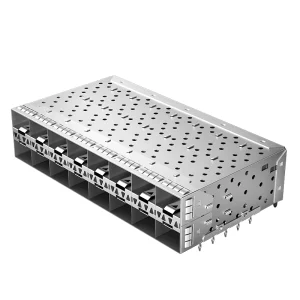
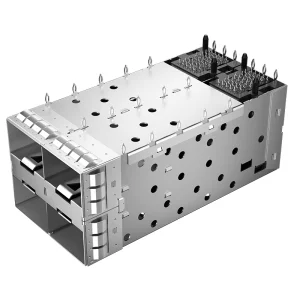
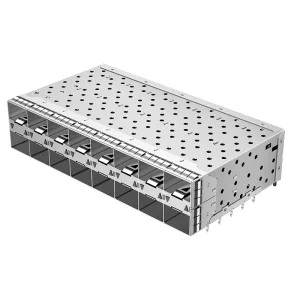
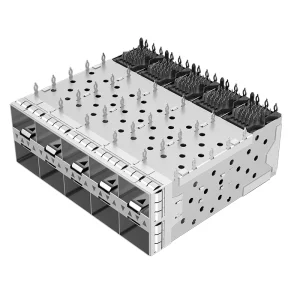
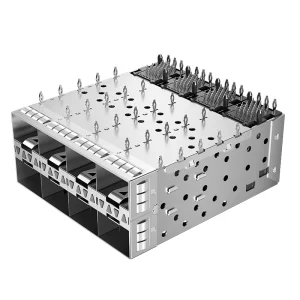
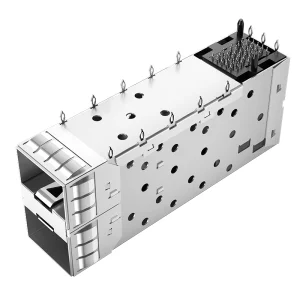
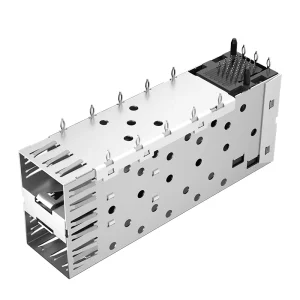
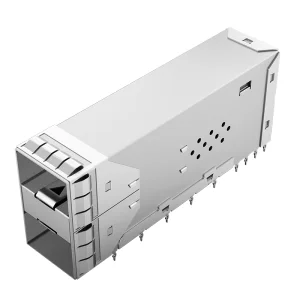
As Nigeria cements its position as Africa's largest economy and a burgeoning technology powerhouse, the demand for robust telecommunications infrastructure has reached an all-time high. The Federal Government's National Broadband Plan (2020-2025) aims for 90% population coverage, driving a massive migration to 4G and 5G technologies. Central to this transformation is the physical layer of the network—specifically, high-density 2xN (Stacked Ports) SFP and QSFP cages.
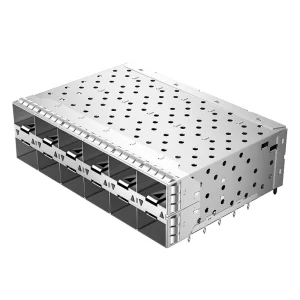
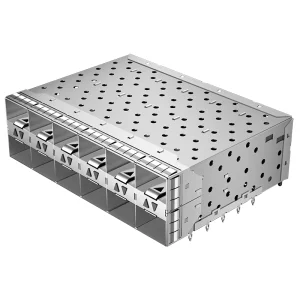
In the dense urban centers of Lagos (Lekki, Ikeja) and Abuja, data center operators like MainOne, Rack Centre, and Medallion are scaling up their port densities. 2xN stacked configurations allow for a 100% increase in port count within the same 1U or 2U rack space compared to single-row cages. This vertical integration is critical for maximizing "Real Estate ROI" in expensive Lagos Tier III and IV facilities.
Unlike standard deployments in temperate zones, Nigeria's industrial environment presents unique challenges: high ambient temperatures and humidity. OptiLinker’s 2xN Stacked Cages are engineered with integrated light pipes and optimized airflow venting to prevent thermal throttling in high-performance switches used by Nigerian ISPs and Fintech firms.
Nigeria is currently witnessing a surge in subsea cable landings, including Google's Equiano and Meta's 2Africa cables. This influx of bandwidth requires massive upgrades to edge computing nodes across the country. 2xN Stacked SFP+ and ZSFP+ ports are the preferred choice for these upgrades because they offer the signal integrity required for 10G, 25G, and 100G transmission while maintaining a compact footprint.
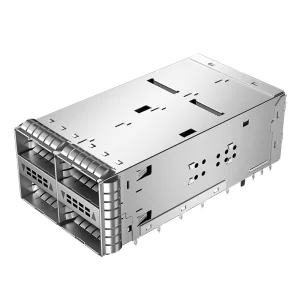
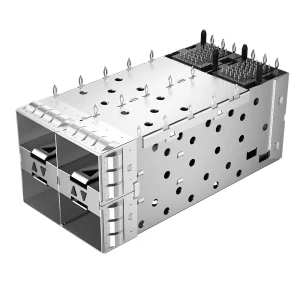
OptiLinker Optoelectronics Co., Ltd. specializes in TE-compatible and Molex-equivalent solutions that meet the rigorous standards of global network equipment manufacturers (NEMs). Our 2xN product line includes:
Navigating the Nigerian market requires more than just high-quality hardware. It requires an understanding of SONCAP (Standards Organisation of Nigeria Conformity Assessment Program). OptiLinker ensures that all exports to West Africa comply with international RoHS, CE, and FCC standards, simplifying the importation process for our Nigerian partners. We provide full documentation to ensure smooth clearing at Apapa or Tin Can Island ports.
As 5G SA (Standalone) networks begin to roll out in Nigerian cities, the transition from SFP+ (10G) to SFP28 (25G) and QSFP-DD (400G) is inevitable. OptiLinker’s technical roadmap includes the development of thermal-enhanced 2xN cages that can dissipate up to 5W per port, facilitating the use of ZR/ZR+ coherent optics for long-haul connectivity across the Nigerian heartland.
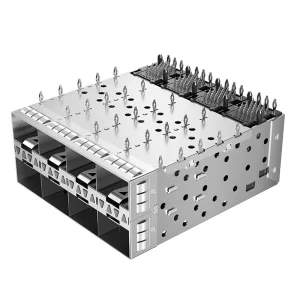
Edge Computing: With the rise of Jumia, Konga, and local streaming services, content delivery networks (CDNs) are moving closer to the user in cities like Ibadan and Port Harcourt. Our 2x2 and 2x4 stacked ports are the backbone of these micro-data centers.
Power Efficiency: Given the energy challenges in the region, our connectors are designed for minimal resistance, contributing to the overall PUE (Power Usage Effectiveness) goals of modern African green data centers.
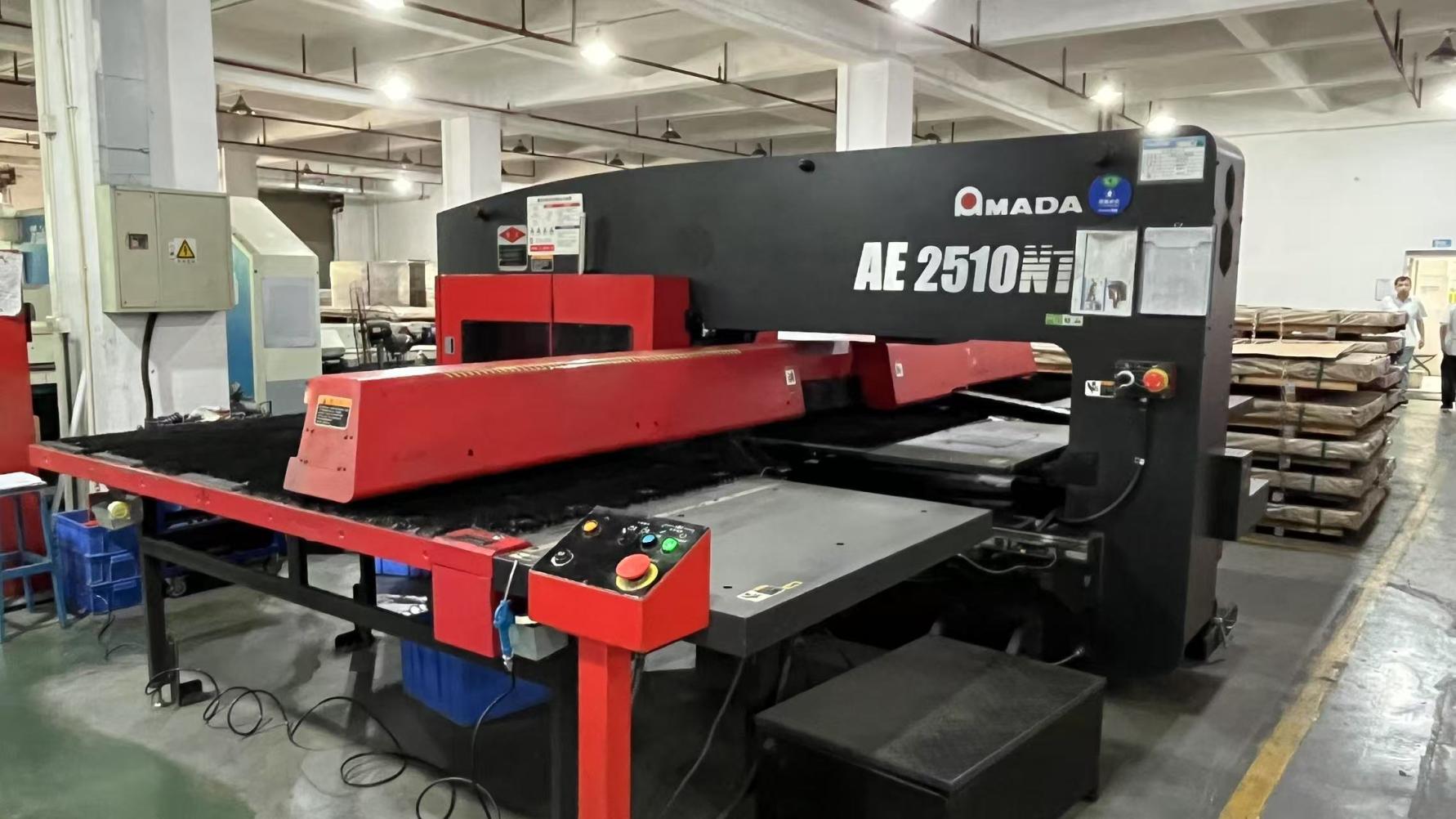
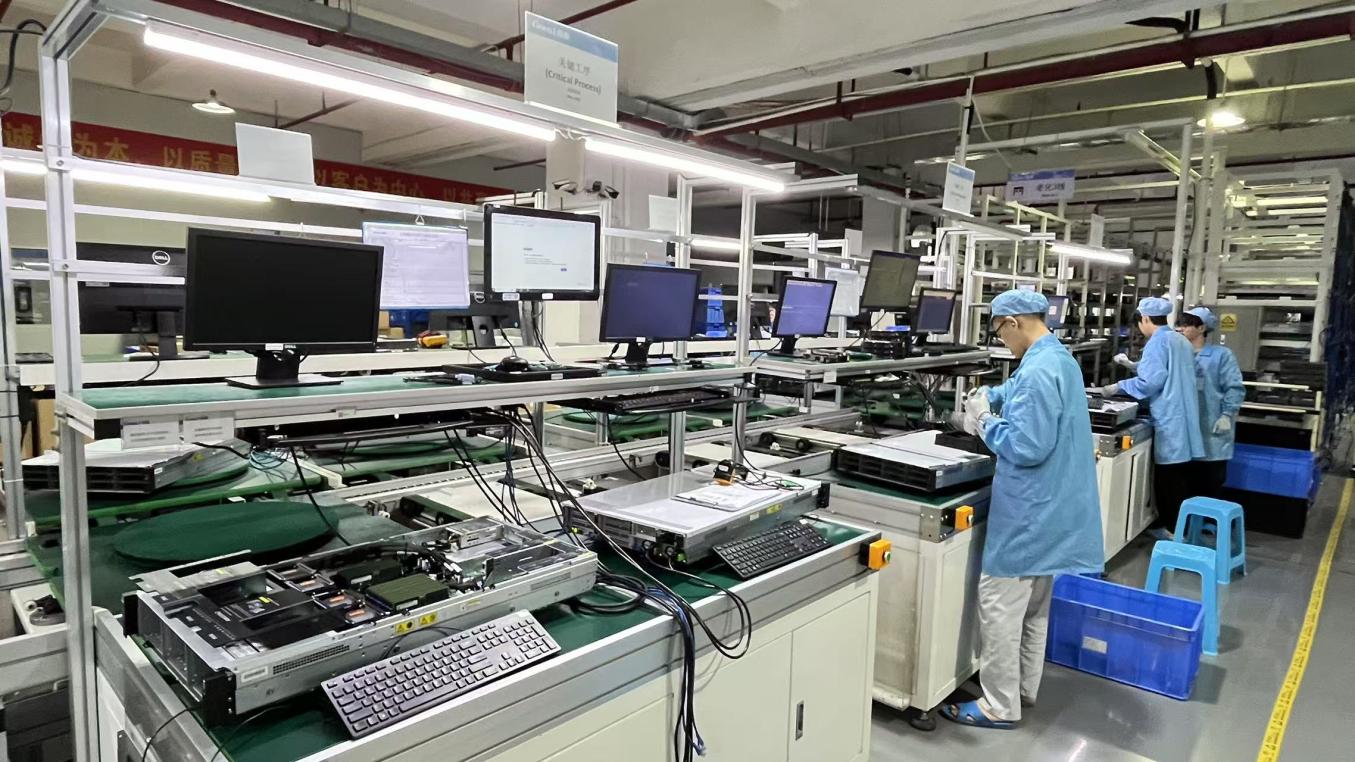
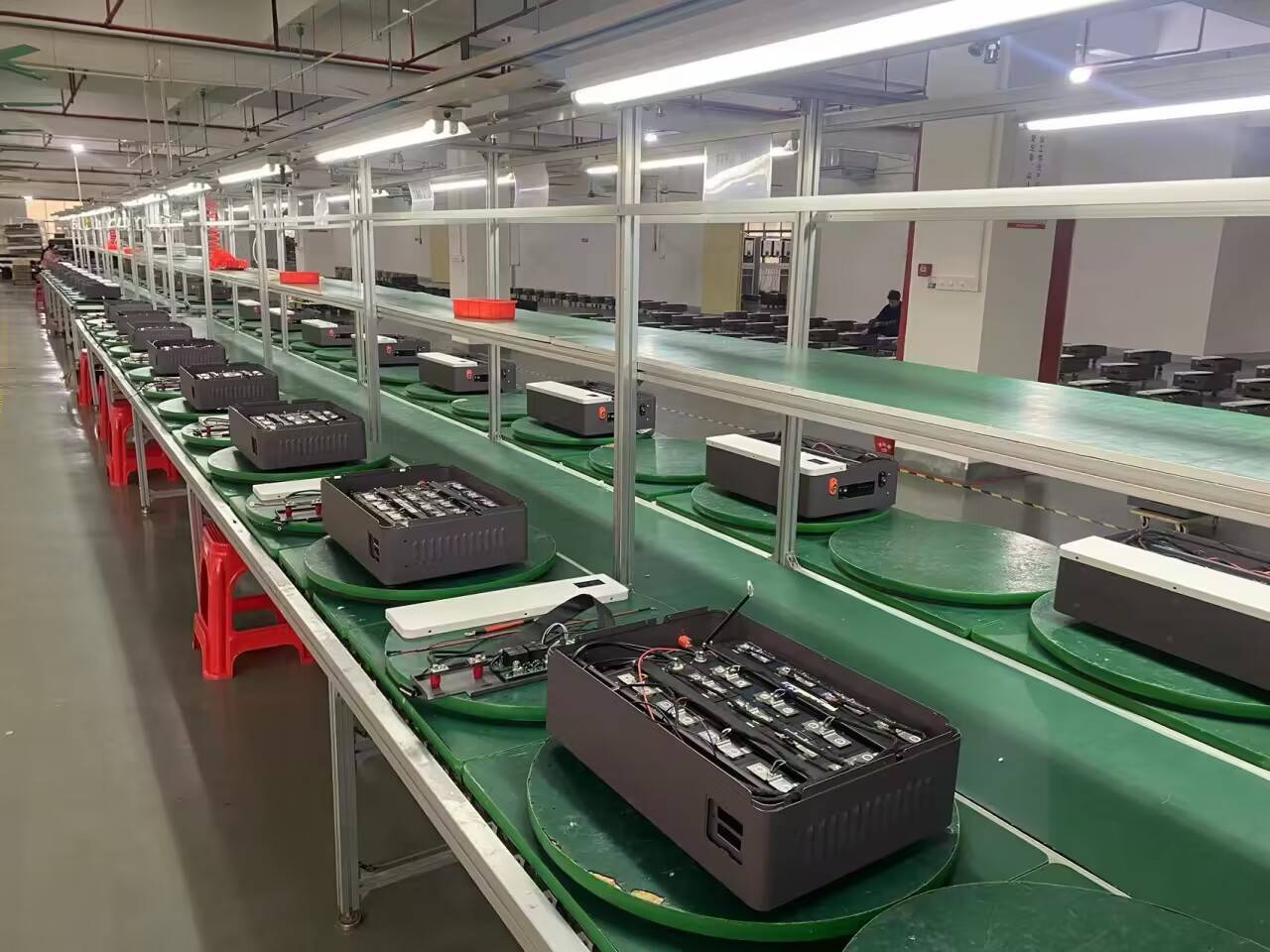
Founded in 2016, OptiLinker has grown into a leader with an annual export revenue of USD 12 million. Our factory implements 100% incoming material inspection and AOI automated optical inspection. We don't just sell components; we provide the engineering expertise needed to optimize signal integrity on your PCB.
Get a competitive quote from OptiLinker's expert engineering team today.
Send Inquiry Now