OptiLinker
OptiLinker
OptiLinker
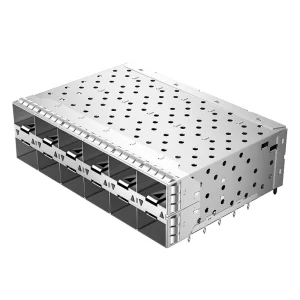
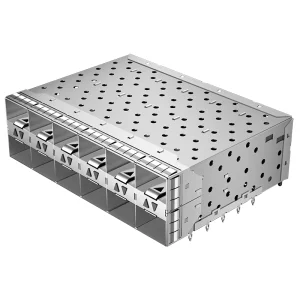
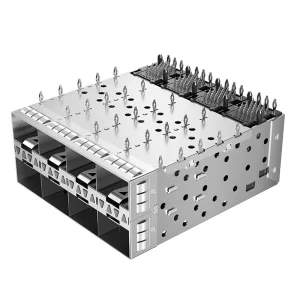
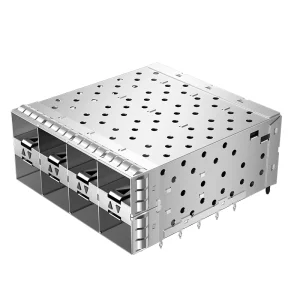
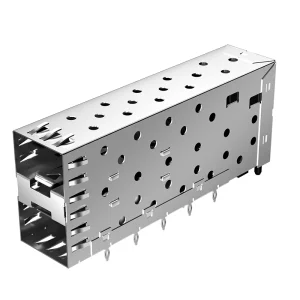
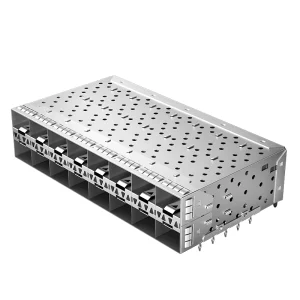
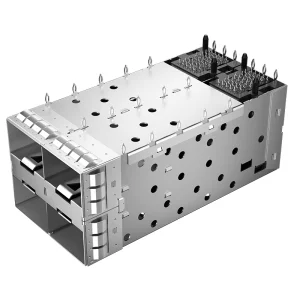
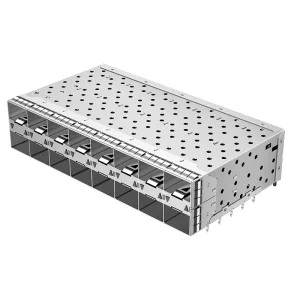
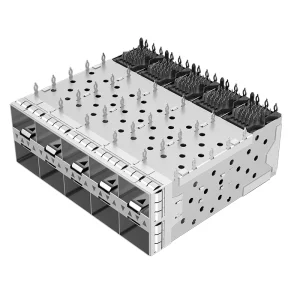
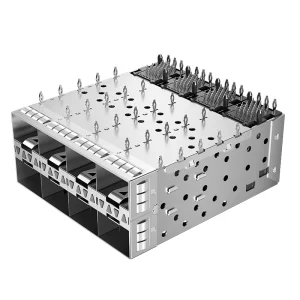
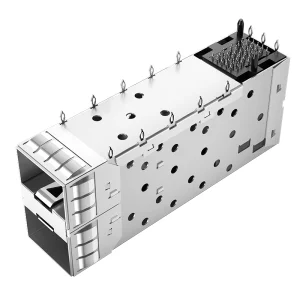
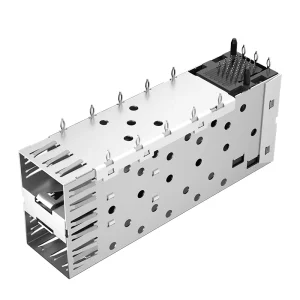
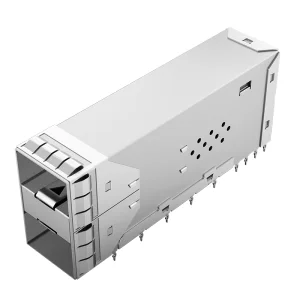
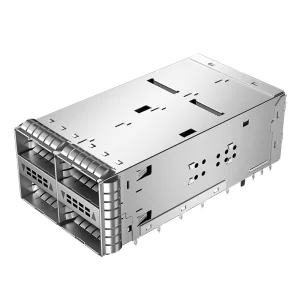
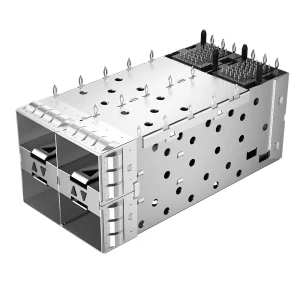
Top-tier 2xN SFP+ and ZSFP+ cages designed for high-performance German industrial standards.
Why High-Density Connectivity is the Backbone of Berlin’s Industry 4.0
Berlin is no longer just the political capital of Germany; it has emerged as one of Europe’s most critical "Digital Mainports." With the expansion of the Berlin-Brandenburg data center region, the demand for high-density networking hardware has surged. 2xN (Stacked) ports—including 2x1, 2x4, 2x6, and 2x8 configurations—are essential for local telecommunications providers and cloud service startups located in Adlershof and Silicon Allee.
As Berlin transitions into a Smart City, the integration of 5G micro-cells and edge computing nodes requires hardware that can handle maximum throughput in minimal spatial footprints. Stacked SFP+ and ZSFP+ cages provide the necessary vertical density to maximize rack space, which remains a premium commodity in metropolitan data centers.
New Products Annually
Annual Export (USD)
QC Specialists
Global Partners
Globally, the optical communication market is witnessing a paradigm shift. While SFP+ (10G) remains a workhorse for many enterprise networks, the transition to ZSFP+ (28G) and ZQSFP+ (56G/112G) is accelerating. 2xN stacked architectures allow for superior thermal management and EMI shielding compared to older side-by-side configurations.
In the Berlin market, we see a specific trend toward EMI Shielded cages with integrated light pipes. This allows network administrators to monitor port status in real-time within high-density environments without compromising signal integrity. Our TE-compatible and Molex-replacement solutions are engineered to meet these rigorous global standards while remaining cost-effective for localized European deployment.
Modern 2xN Stacked Port design isn't just about "stacking" connectors. It involves complex Signal Integrity (SI) optimization. As frequencies increase, crosstalk between the upper and lower ports becomes a significant challenge. Our engineering team utilizes advanced Eye Diagram analysis and Bit Error Rate (BER) testing to ensure that our 2xN cages maintain "Zero-Packet-Loss" performance.
OptiLinker is a professional optical transceiver manufacturer and solution provider specializing in high-speed optical communication modules for global data center and telecom applications.
Founded in 2016, we operate a modern production facility and have accumulated over 12 years of industry experience. Our commitment to excellence is reflected in our 100% incoming material inspection and automated optical inspection (AOI) protocols.
Our R&D team of 60 experienced optical engineers specializes in high-speed design, ensuring our products are compatible with major brands like TE, Molex, and Pulse, specifically catering to the demanding Berlin industrial sector.
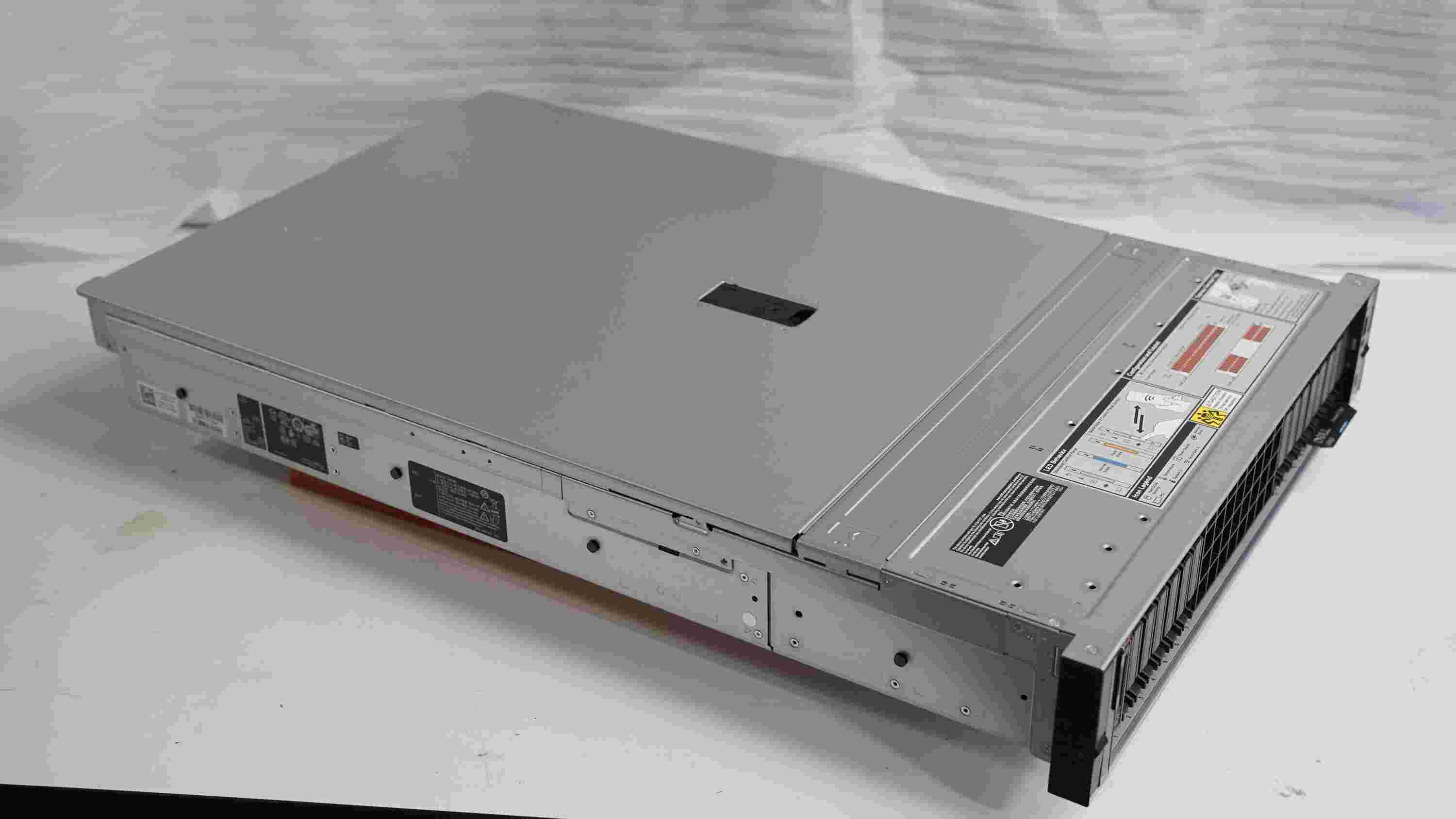
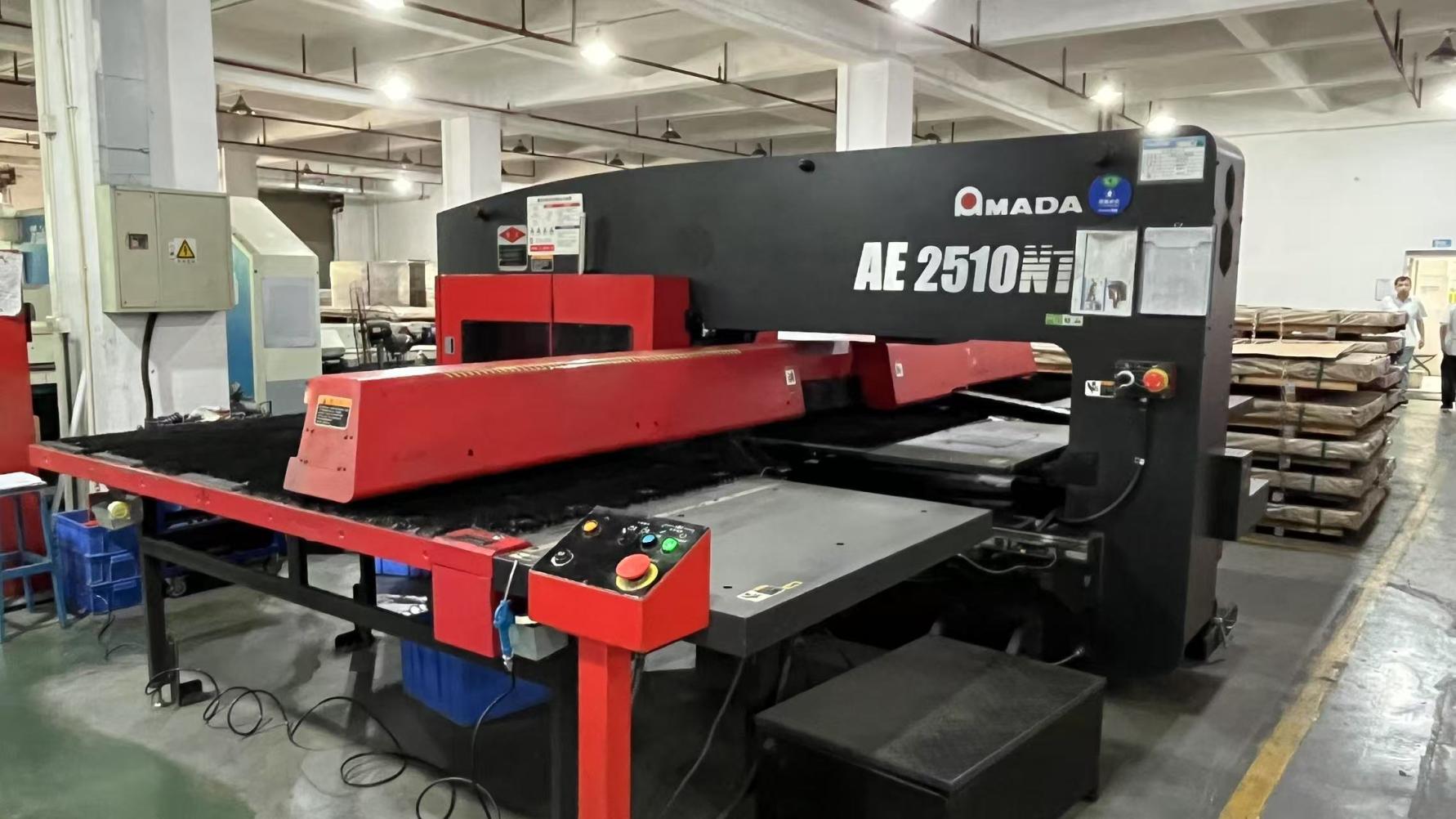
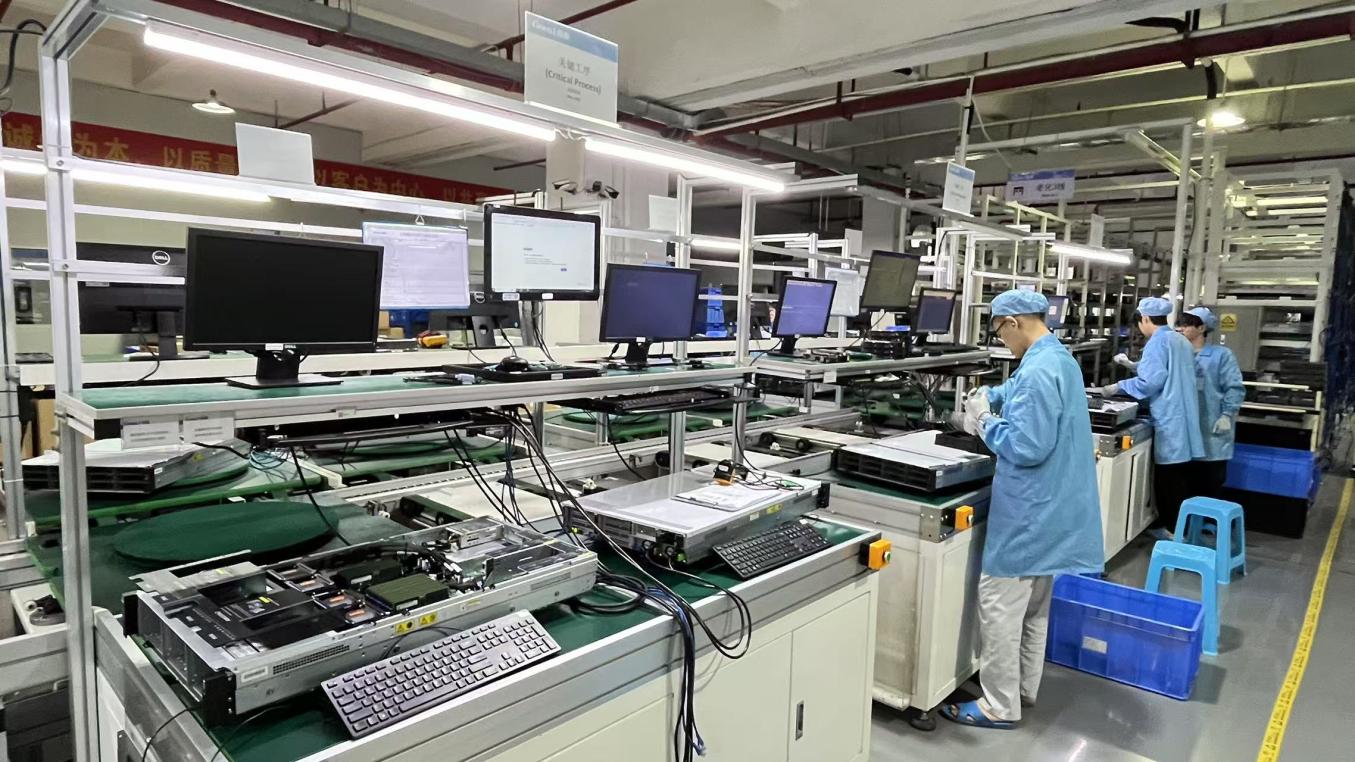
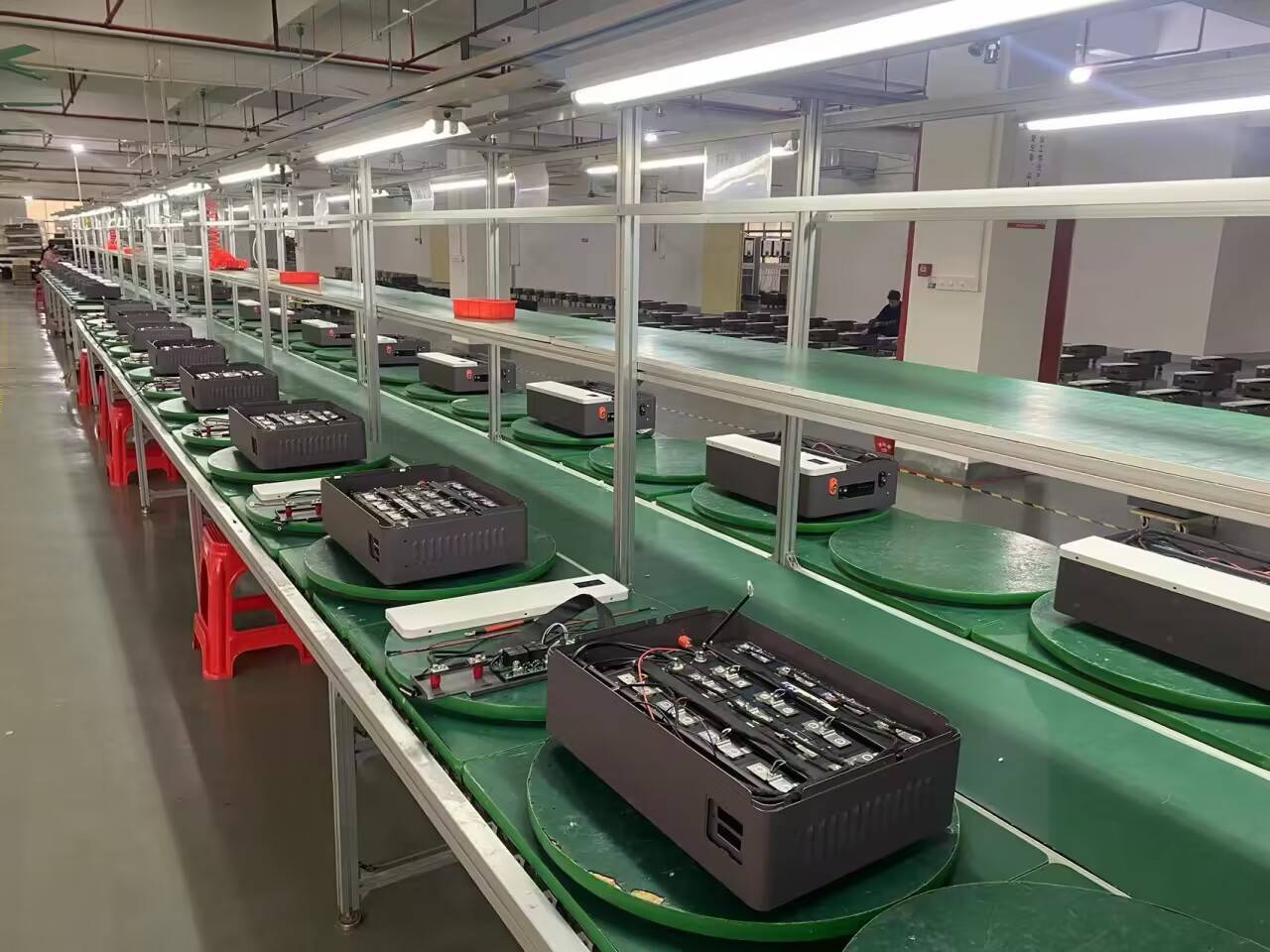
OEM/ODM Solutions for Specialized Telecommunications & Data Storage
Addressing the complex needs of modern network topology.
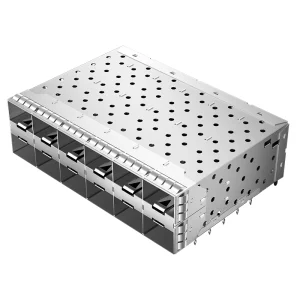
For large-scale data centers in Berlin and beyond, our 2x6 and 2x8 stacked cages allow for 48 or 96 ports in a single 1U switch panel. This increases port density by 100% compared to non-stacked solutions, significantly lowering the Total Cost of Ownership (TCO).
With speeds reaching 28Gbps per channel (ZSFP+), the mechanical design of the cage is critical. Our products feature multi-point grounding and enhanced EMI springs to maintain a clean eye diagram and minimize jitter in high-frequency applications.
A: Press-fit technology provides a more reliable mechanical connection and simplifies the assembly process by eliminating thermal stress on the PCB. It is the preferred choice for high-layer count boards used in Berlin's telecom infrastructure.
A: Yes, our products are engineered to be 100% footprint-compatible and performance-equivalent to industry-standard parts from TE, Molex, and Pulse, offering a high-performance alternative for the European market.
A: In a 2xN configuration, the LED signals from the PCB need to be brought to the front panel. Integrated light pipes ensure that each port's activity is clearly visible to technicians, crucial for maintaining uptime in dense rack environments.
A: Absolutely. Our SFP+, ZSFP+, and ZQSFP+ cages are designed to accommodate both Active Optical Cables (AOC) and Direct Attach Copper (DAC) cables, as well as standard optical transceivers.
Contact our senior engineering team for a customized 2xN interconnect solution tailored to your specific application.
Send Inquiry Now