OptiLinker
OptiLinker
OptiLinker
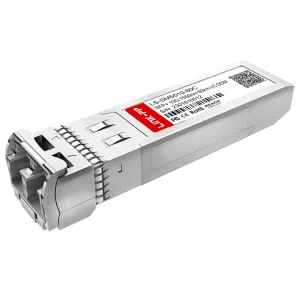
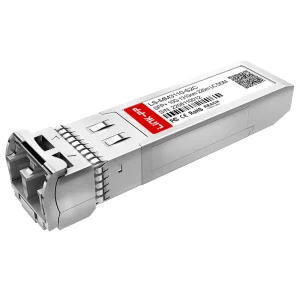
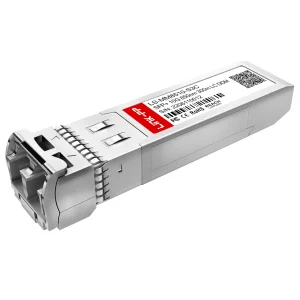
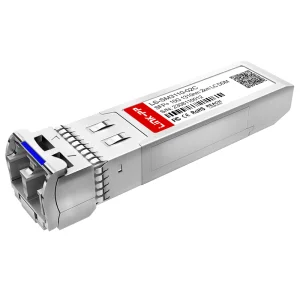
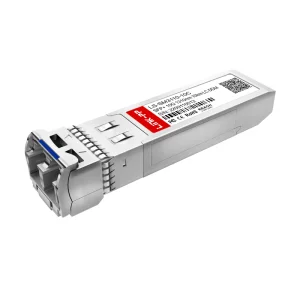
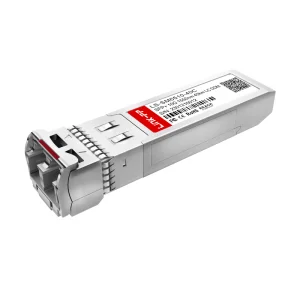
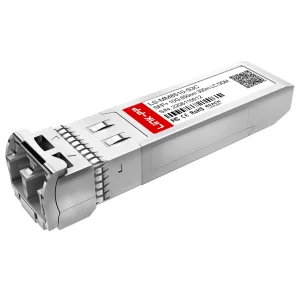
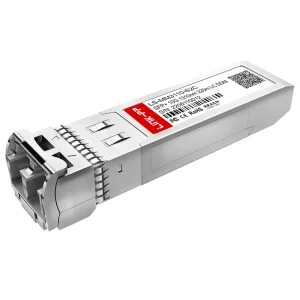
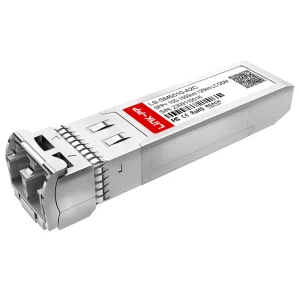
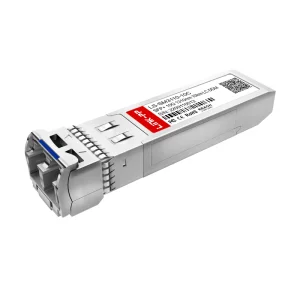
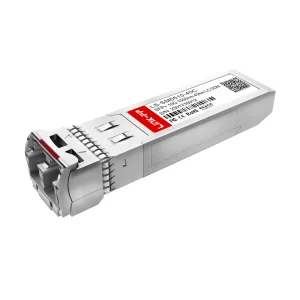
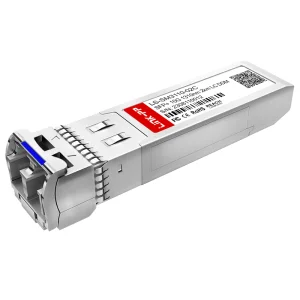
Explore our primary selection of enterprise-grade 10G SFP+ modules configured for United Kingdom telecom networks and industrial data infrastructure. Designed for high compatibility, low-latency, and exceptional thermal durability.
The digital infrastructure of the United Kingdom is currently experiencing a historic transformation. Driven by the UK Government's ambitious
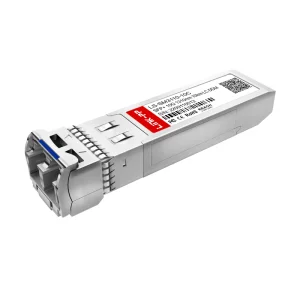
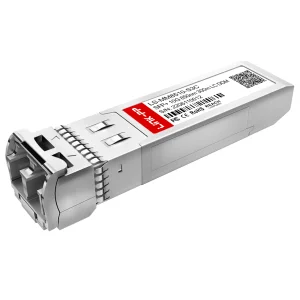
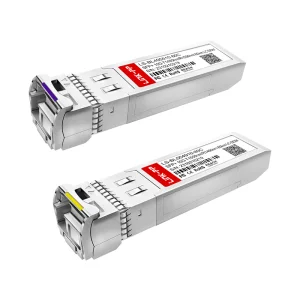
10G and 16G SFP+ modules form the bedrock of this infrastructure. Serving as critical physical interfaces, they bridge the gap between high-capacity optical fiber loops and core switching hardware. The United Kingdom's strict regulatory compliance requirements, Brexit-induced changes to import standards (transitioning from CE to UKCA), and the imperative for green energy conservation have shaped a highly sophisticated procurement environment where only products meeting strict engineering benchmarks can survive.
As local UK network setups shift from traditional gigabit lines to multi-gigabit backbones, the 10G SFP+ form factor remains one of the most reliable and cost-effective fiber optic options. However, as Storage Area Networks (SAN) continue to expand in industrial environments, the adoption of 16G SFP+ modules has become essential. Working primarily within the Fibre Channel (16GFC) standard, 16G modules offer the bandwidth needed to prevent data bottlenecks in critical storage servers.
| Specification Parameter | 10G SFP+ Optical Modules | 16G SFP+ Fibre Channel Modules |
|---|---|---|
| Standard Bit Rate | 10.3125 Gbps (Ethernet) | 14.025 Gbps (Fibre Channel) |
| Primary Wavelengths | 850nm, 1310nm, 1550nm, CWDM/DWDM | 850nm (Short Wavelength), 1310nm (Long Wavelength) |
| Common Media Standards | 10GBASE-SR, LRM, LR, ER, ZR | 16GFC SW, 16GFC LW |
| Maximum Transmission Distances | From 220m (MMF) up to 120km (SMF Duplex/Bidi) | Up to 100m (OM3 MMF), 10km (OS2 SMF) |
| Power Consumption | Typically < 1.0W to 1.5W (depending on reach) | Typically < 1.2W |
| Connector Type | Duplex LC / Simplex LC (Bidi) | Duplex LC |
Modern networks require hardware that complies strictly with Multi-Source Agreements (MSA) like SFF-8431. This ensures that third-party transceivers integrate seamlessly with host switches from major brands like Cisco, Juniper, Arista, and HPE without encountering software lockouts. Our modules are flashed with custom EEPROM compatibility codes to prevent compatibility issues, providing cost-effective alternatives to expensive first-party hardware.
OptiLinker Optoelectronics Co., Ltd. is a professional optical transceiver manufacturer and solution provider under the brand OptiLinker (www.optilinkertrans.com), specializing in high-speed optical communication modules for global data center and telecom applications. Founded in 2016, we have established ourselves as an industry leader, maintaining high engineering standards and robust supply chain security.
Our modern production facility features a dedicated manufacturing workspace. Backed by 12 years of industry experience and 8 years of export history, we serve telecom operators, system integrators, and network suppliers across North America, Europe, Southeast Asia, and the Middle East.
Quality assurance remains our top priority. We enforce 100% incoming material inspection, automated optical inspection (AOI), and comprehensive optical performance testing. Product validation includes bit error rate (BER) testing, eye diagram analysis, and high/low temperature cycling tests. This ensures our transceivers deliver stable performance even under demanding operational conditions.
OptiLinker maintains active collaborations with an extensive network of approximately 850 supply chain partners, ensuring stable pricing and short lead times. Our internal R&D team supports complex customization options, including custom wavelength configuration, transmission distances, firmware coding, and device compatibility programming. Last year alone, we launched 120 new transceivers, helping us respond quickly to the demands of the digital infrastructure market.
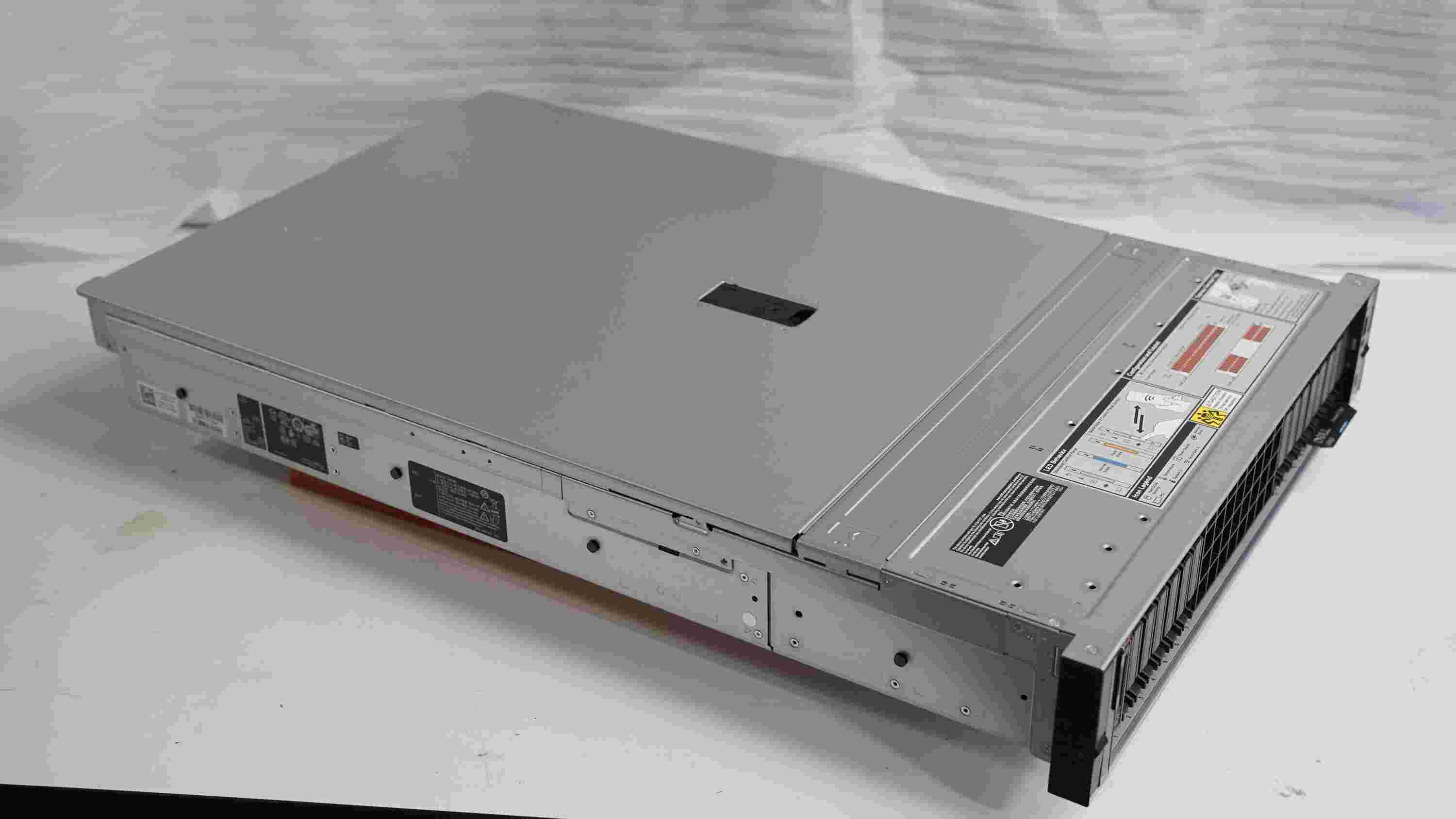

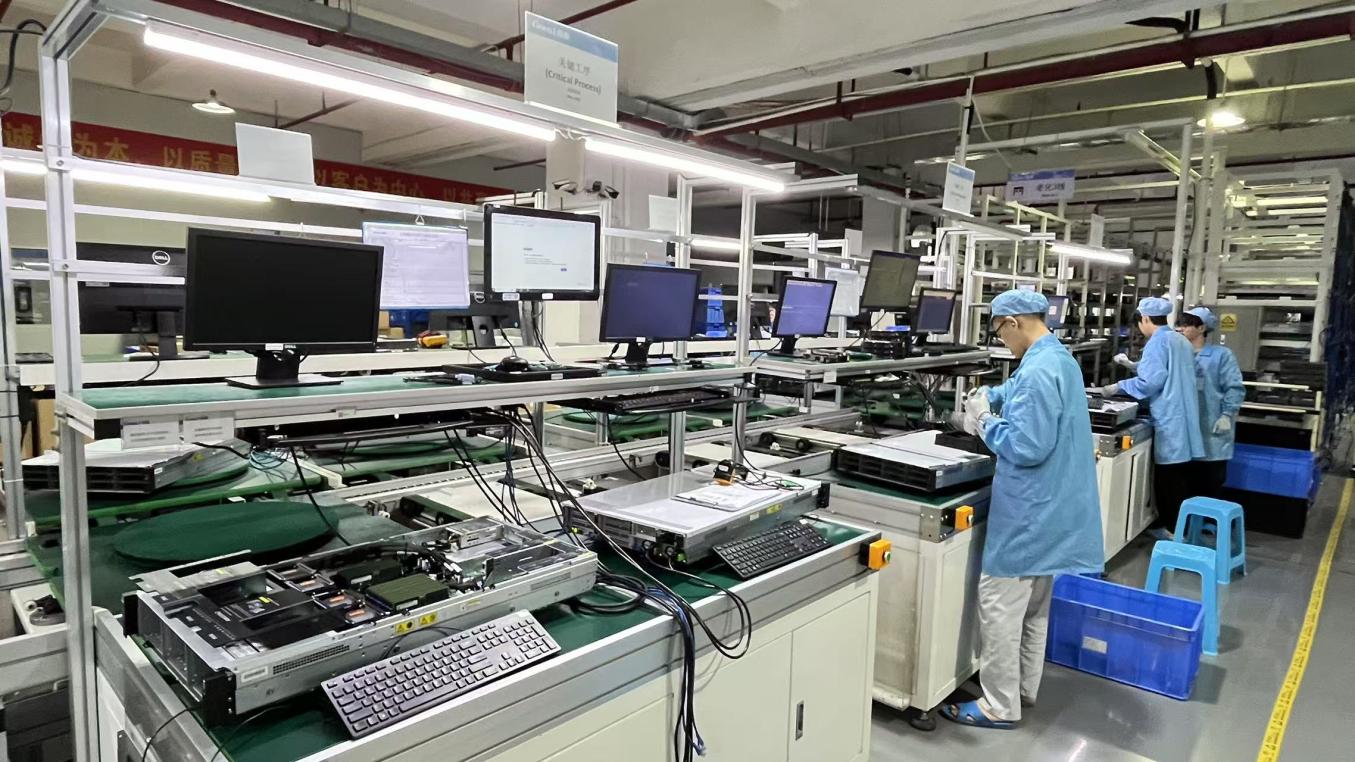
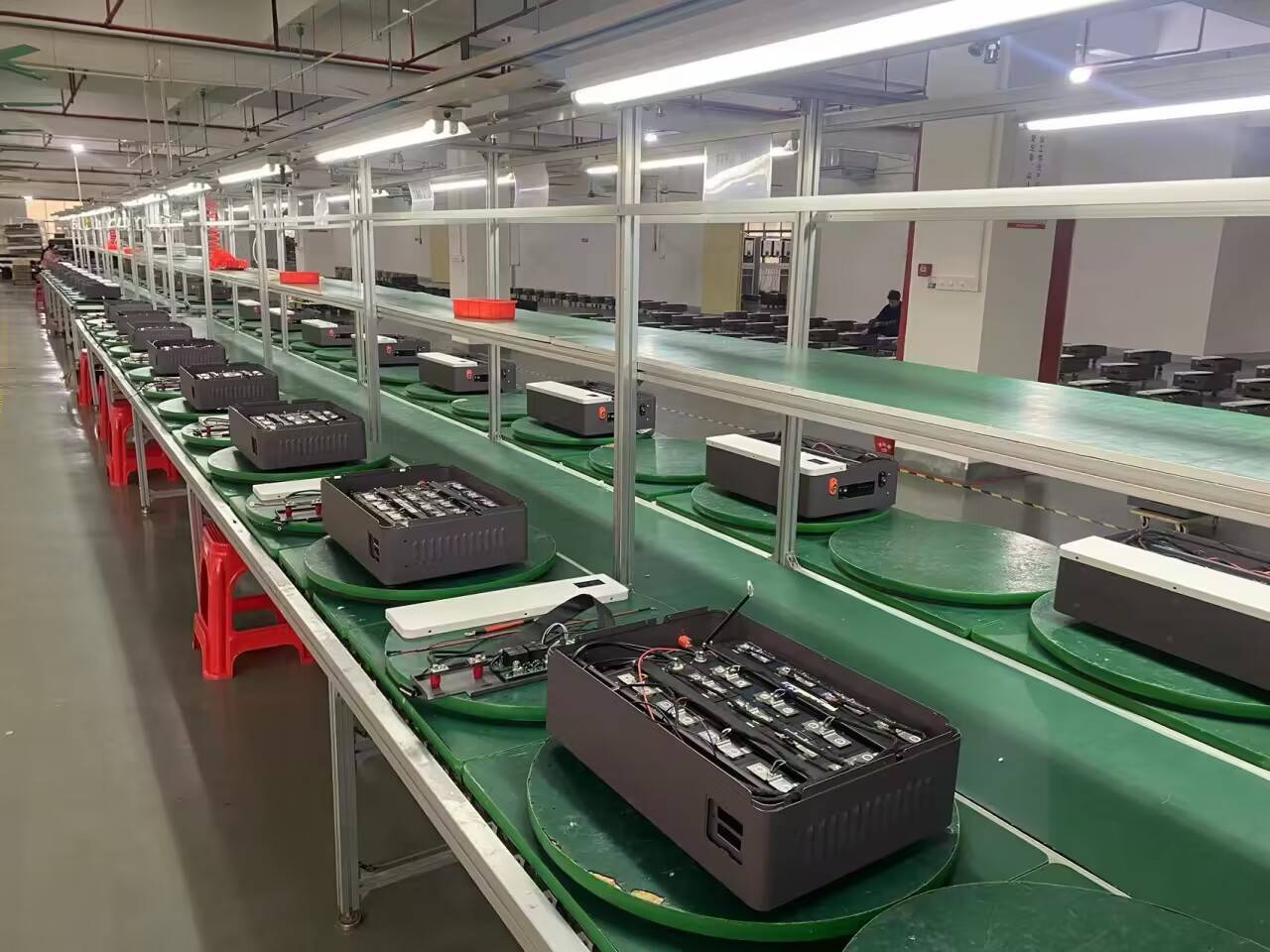
Our manufacturing facility employs Factory 4.0 paradigms to provide our UK and global partners with high reliability and cost-efficiency. By automating key stages of optical assembly, sub-assembly, and final testing, we minimize human error and ensure consistency across large production runs.
Our quality control protocols are designed to ensure reliability:
With approximately 850 supply chain partners, we secure bulk raw materials (including laser diodes, photodetectors, and optical sub-assemblies) ahead of peak demand. This helps protect our UK buyers from market shortages and price spikes. Our logistics network is optimized for fast dispatch to major UK airports and ports, ensuring quick delivery times even during global supply chain bottlenecks.
OptiLinker’s optical modules are used across a wide range of industries in the United Kingdom. Below are real-world application scenarios demonstrating how our transceivers support high-speed networks.
In the City of London, high-frequency trading firms require minimal latency. By deploying OptiLinker 10GBASE-SR SFP+ modules with 850nm lasers over OM4 multi-mode fiber, network engineers achieve stable, low-latency inter-switch connectivity, helping secure a competitive edge in fast-moving markets.
Manufacturing plants in Birmingham use industrial-grade optical transceivers for their plant-floor Ethernet systems. The Industrial 10GBASE-SR SFP+ Ethernet Module offers robust protection against electromagnetic interference and high operating temperatures, ensuring stable data transmission on the factory floor.
UK regional telecom operators use our 10GBASE-ER and ZR SFP+ modules to connect municipal offices over distances of up to 40km and 80km. Using 1550nm single-mode fibers, they expand network reach without requiring expensive optical amplifiers along the path.
We answer some of the most common technical questions from network operators and procurement teams in the UK regarding SFP+ optical transceivers.
A: Each transceiver is programmed at the firmware level using custom EEPROM profiles tailored to the target switch platform. We run compatibility testing in our verification lab using the same network operating systems (such as Cisco IOS and Juniper Junos) used by our customers.
A: Standard 10GBASE-SR transceivers operate at 850nm and are designed for newer OM3/OM4 multi-mode fibers. 10GBASE-LRM (Long Reach Multimode) modules operate at 1310nm and are optimized for legacy FDDI-grade and OM1/OM2 multi-mode fibers, using Electronic Dispersion Compensation (EDC) to maintain stable signals over older cable runs.
A: Yes. All optical modules shipped to the United Kingdom and Europe comply with CE, UKCA, RoHS, and REACH directives. We maintain full traceability of materials to ensure compliance with hazardous substance regulations.
A: DOM (also known as DDM) allows network administrators to monitor real-time parameters of the SFP+ module, such as optical output power, optical input power, temperature, laser bias current, and transceiver supply voltage. This helps identify potential fiber degradation before it causes link failures.
A: Generally, no. 16G SFP+ Fibre Channel transceivers are configured for storage protocol rates (14.025 Gbps) and SAN framing, whereas 10G SFP+ modules are designed for Ethernet (10.3125 Gbps). Always verify that the switch port and transceiver module support matching protocols and speeds.
Below is our comprehensive portfolio of single-mode, multi-mode, and brand-compatible optical transceivers. Click on any product link to view detailed technical specifications and compatibility options.