OptiLinker
OptiLinker
OptiLinker
High-speed optical transceivers, integrated RJ45 connectors, and Ethernet magnetics optimized for low latency and zero packet loss.
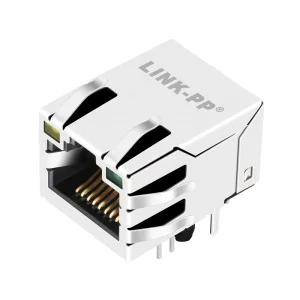
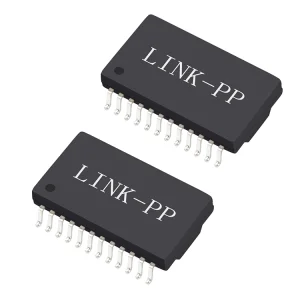
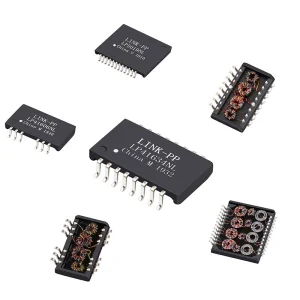
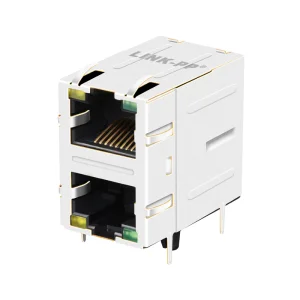
In modern networking hardware and high-speed communications architecture, the Integrated Connector Module (ICM), commonly known as the RJ45 connector with LED, serves as a vital physical interface. Far more than a simple mechanical socket, this system integrates high-performance signal conditioning magnetics (to manage EMI and common-mode noise) with diagnostic light-emitting diodes (LEDs) directly inside the connector housing.
By embedding LEDs directly into the metal shielding cage of the RJ45 jack, PCB design engineers can eliminate external status LEDs. This minimizes overall footprint requirements and reduces layout complexity, resulting in a cleaner and more reliable path for high-frequency differential signals.
Information Gain Insight: Standard discrete designs require running traces for signal lines and separate lines for LEDs across the board. An integrated LED RJ45 connector simplifies multi-layer PCB design by keeping high-speed differential signal pairs isolated from LED power loops, mitigating crosstalk and enhancing EMI compliance.
LEDs integrated into the RJ45 jack provide critical real-time hardware status indicators: Link, Activity, and Speed. This layout supports local network maintenance and rapid troubleshooting in complex server environments, industrial control panels, and automation networks.
Designing, optimizing, and scaling high-quality networking interfaces requires strong engineering and a dependable supply chain. The combination of precision hardware design and localized component sourcing enables Chinese manufacturers to provide high reliability, flexibility, and value. For international procurement managers, sourcing OEM/ODM RJ45 connectors with LED from China provides clear technical and commercial advantages:
As a leading supplier in the high-speed optical and copper networking interface sector, OptiLinker Optoelectronics Co., Ltd. (OptiLinker) (www.optilinkertrans.com) specialized in delivering high-speed optical communication modules and components. Founded in 2016, the company operates a specialized facility designed for high-precision validation, optical alignment, and testing.
With 12 years of industry experience and 8 years of export operations, OptiLinker manages a broad network of approximately 850 partners. This established supply chain ensures consistent material sourcing and reliable production volumes, even during tight market conditions.
Modern networks require physical components that can adapt to different workloads and environments. From the server room to the factory floor, RJ45 connectors with integrated LEDs are critical for maintaining system uptime. The chart below outlines where these components fit best, alongside OptiLinker's optical module capabilities:
| Application Scenario | Interface Requirement | Preferred RJ45/SFP Spec | Critical Features Required |
|---|---|---|---|
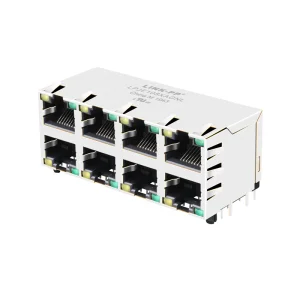
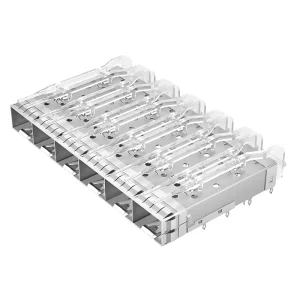
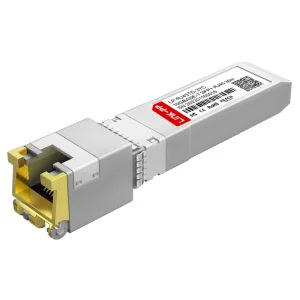
| Hyperscale Data Centers | 10G/25G/40G Uplinks & Copper Ports | RJ45 SFP+ / Multi-port stacked ganged cages | Low Latency, EMI Shielding, High Port Density |
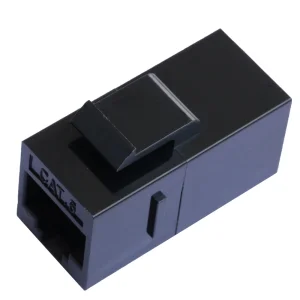
| Industrial Automation (IIoT) | Severe vibration, high temp variation | Cat5e/Cat6 Industrial RJ45 with LED | Gold-plated contacts, wide temp range, rugged shell |
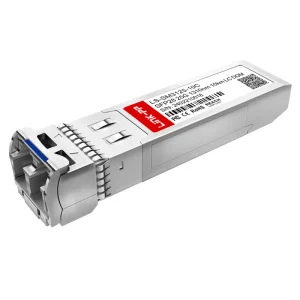
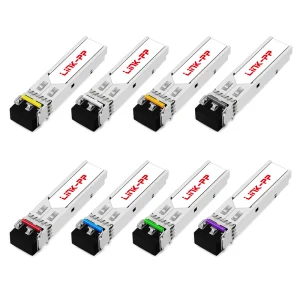
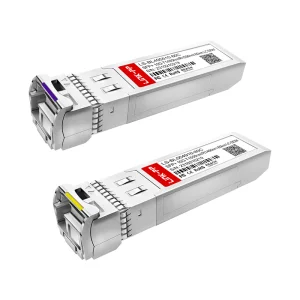
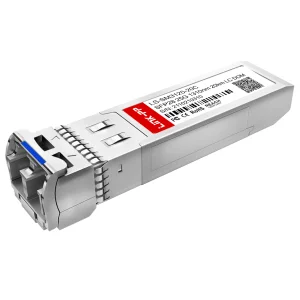
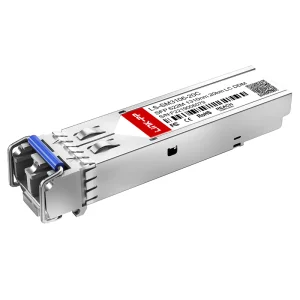
| Telecom Central Offices | Carrier-grade stability & long-reach fibers | Duplex LC Optical SFP28/SFP+ (20km-80km) | DDM diagnosis, low-power dissipation, wavelength tuning |
| Enterprise Power-over-Ethernet | IoT devices, VoIP phones, AP units | PoE/PoE+ RJ45 with Integrated Magnetics | IEEE 802.3at/af, high-current pins, heat dissipation |
For engineering teams designing system architectures, deciding between an integrated magnetic connector (ICM) and a discrete solution affects board layout, assembly time, and signal reliability. Below is a comparison to guide your design choices:
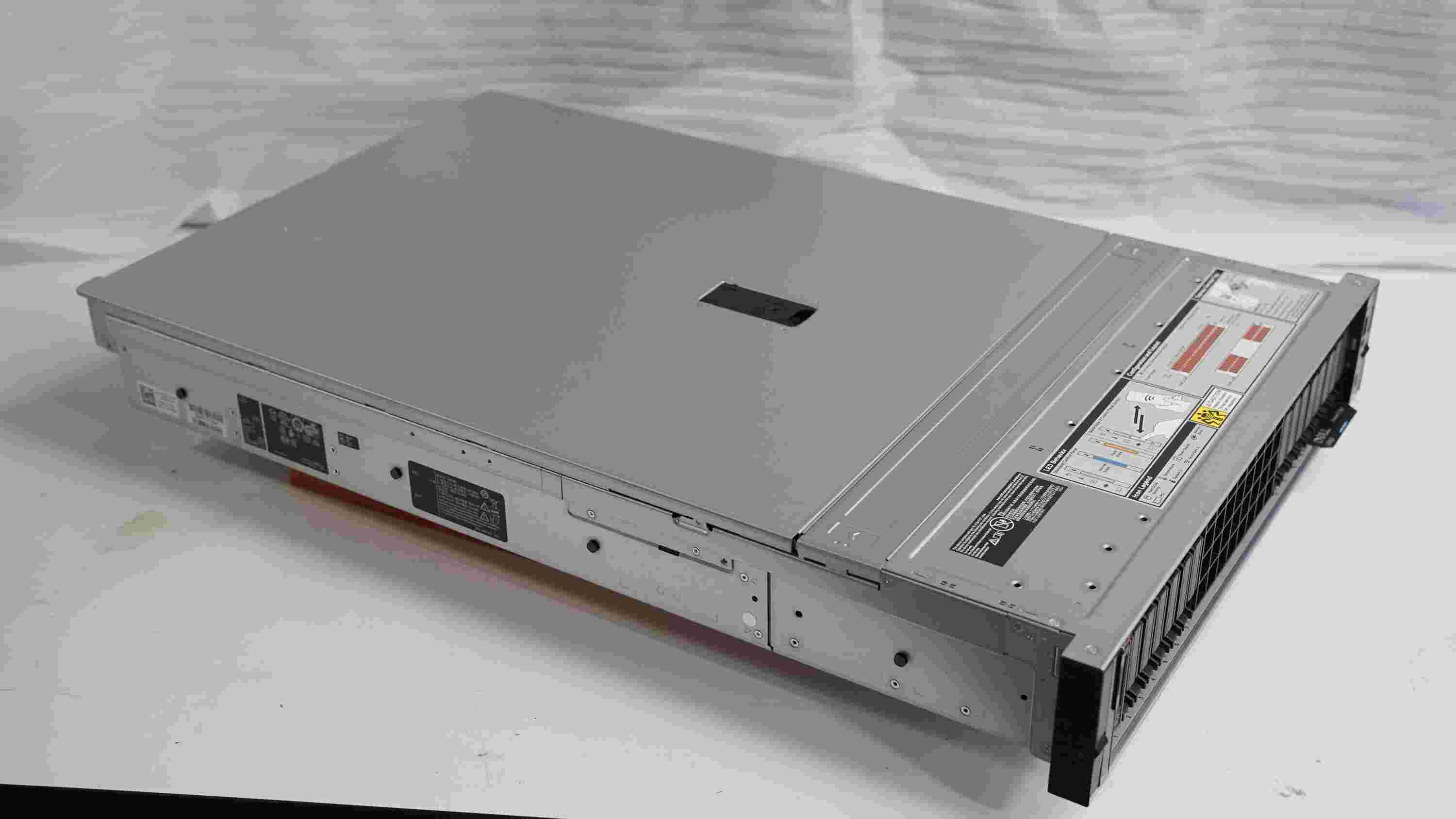
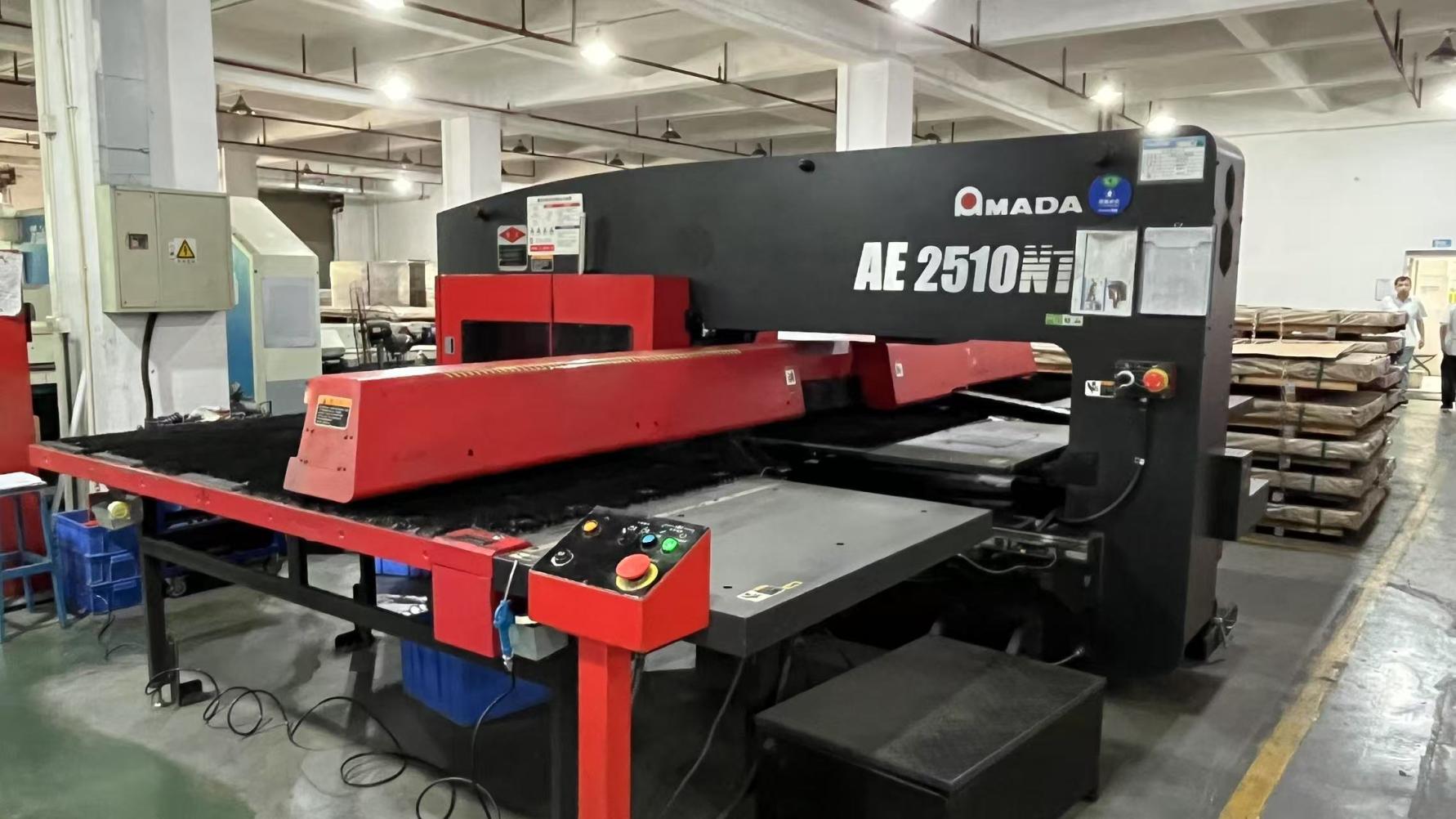
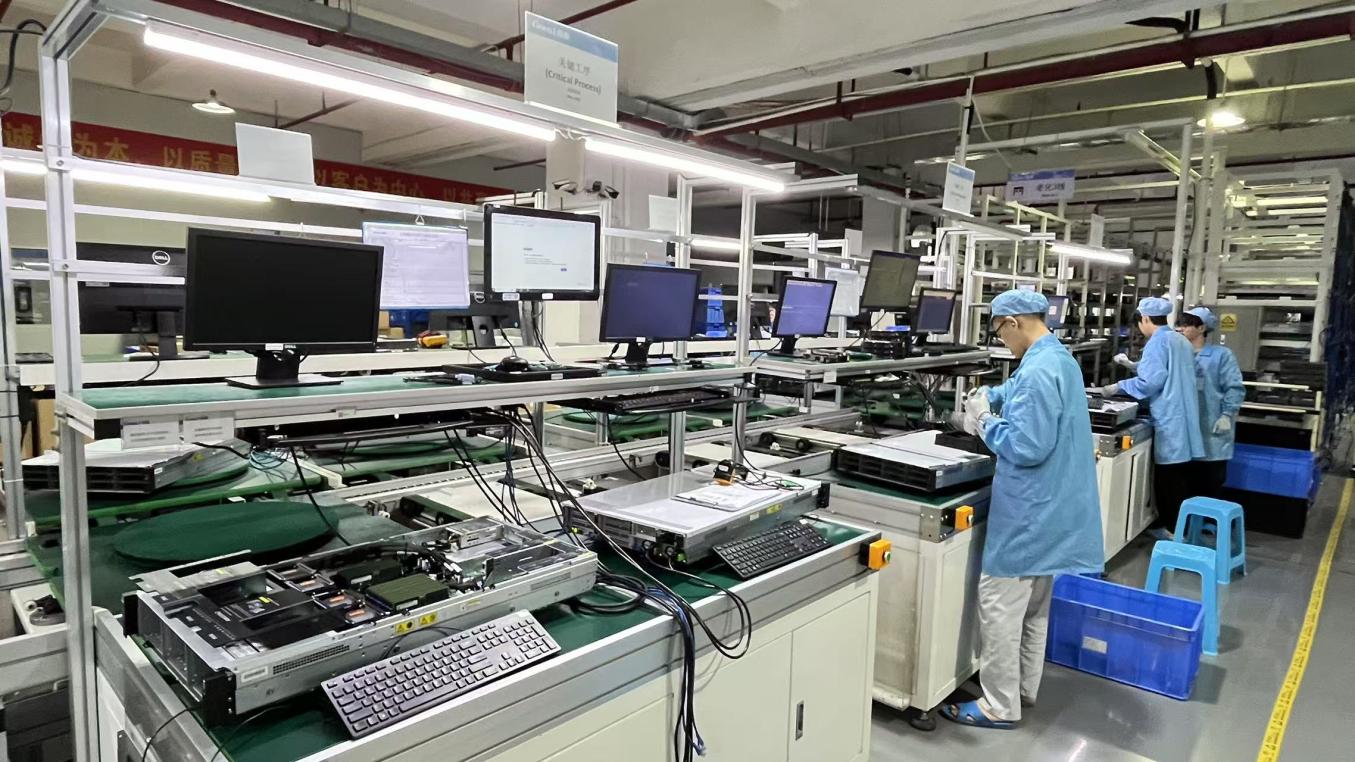
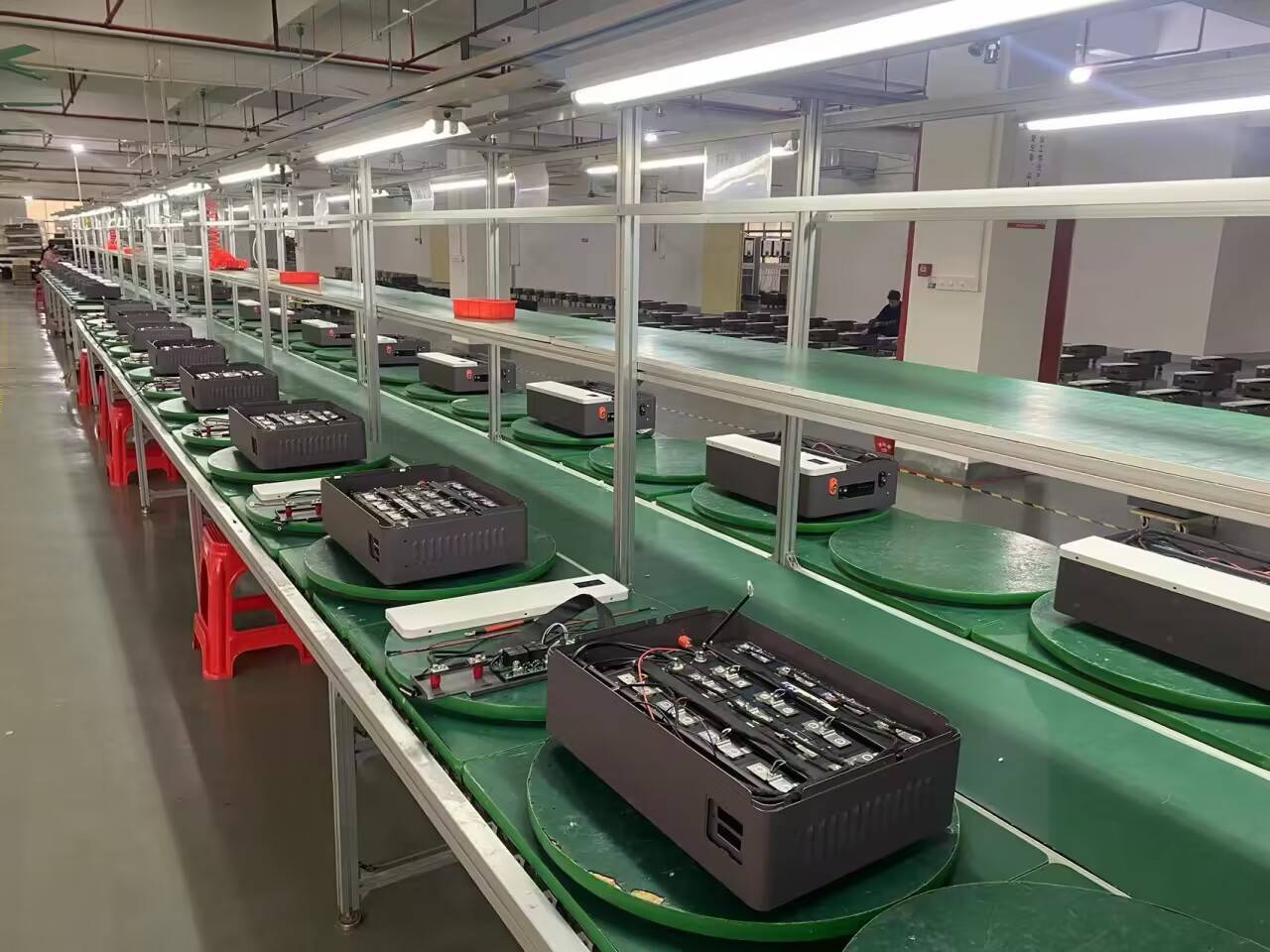
To operate reliably in high-demand networking environments, every connector and module must perform consistently. OptiLinker ensures performance through a multi-step quality control process managed by 35 dedicated QC professionals. The production flow includes:
From modular RJ45 connectors to high-speed fiber transceivers, discover our full catalog of networking products.