OptiLinker
OptiLinker
OptiLinker
Explore our top-tier catalog of standard and highly customized RJ45 connectors, optical transceivers, and magnetic module systems engineered to meet telecom-grade specifications.
Understanding high-density deployment paradigms, impedance-matching tolerances, and environmental shielding requirements for standard and customized modular interfaces.
Cat5e components require strict cancellation of Near-End Crosstalk (NEXT) and Far-End Crosstalk (FEXT). Premium components maintain insertion loss values below 0.1 dB at 100 MHz reference frequencies.
With the rise of Power-over-Ethernet (PoE/PoE+/PoE++), RJ45 pins experience thermal stress. Contact resistance must remain under 20 mΩ to prevent localized heat buildup at high amperages.
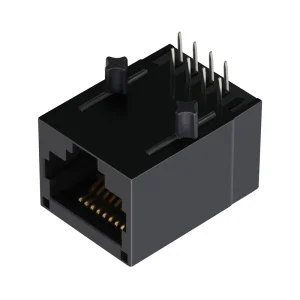
Industrial environments require robust STP housings with full copper shells and multiple grounding tabs (tab-up/tab-down layouts) to intercept high-frequency noise fields.
The global marketplace for network components is undergoing an accelerated shift towards high-reliability interconnects. While fiber optics handle long-haul and backbone structures, copper-based Cat5e RJ45 systems remain the undisputed standard for local area networks (LAN), edge computing terminals, industrial programmable logic controllers (PLCs), and localized telecom drops. Sourcing these components requires deep attention to technical criteria: contact material choice, gold-plating thicknesses, integrated magnetic filtering, and mechanical layout formats like vertical, low-profile, or multi-port gangs.
For network architects and procurement specialists, evaluating a potential supplier depends on raw material traceability and manufacturing tolerances. A minor deviation in pin alignment or plastic shell formulation (such as using low-grade non-UL94V-0 polymers) can cause critical failures under high-temperature cycling or physical mating stresses. An established OEM/ODM exporter understands these intricacies, verifying each batch through rigorous laboratory-controlled performance evaluations.
Operating under the premier brand OptiLinker (www.optilinkertrans.com), we are a professional optical transceiver manufacturer and connection solutions provider specializing in high-speed optical communications and copper networking components for global enterprise networks.
Founded in 2016, OptiLinker operates a modern production facility with a total building area of approximately 320㎡. With continuous development in optical communication technology, our team has accumulated over 12 years of industry experience and approximately 8 years of export experience, achieving an annual export revenue of around USD 12 million.
We serve customers across North America, Europe, Southeast Asia, and the Middle East, specializing in OEM/ODM partnerships with top-tier network infrastructure providers. Our design engineers excel at custom pin-out, signal-integrity diagnostics, and board-level optimization to guarantee compatibility across diverse networking systems.
100% Quality Audited: Our facility implements 100% incoming material inspection, AOI automated optical inspection, and full optical performance testing. Product validation includes BER testing, eye diagram analysis, and high/low temperature cycling tests, ensuring stability in demanding climates.
How localized engineering, industrial clusters, and automated production allow Chinese factories to deliver superior quality control and price performance globally.
Sourcing Cat5e RJ45 connectors from China offers global procurement managers a major competitive advantage, rooted in mature industrial ecosystems. Factories are located close to domestic producers of raw copper, high-performance thermoplastics, and precision metal tooling. This geographic integration reduces transport overheads and simplifies raw material sourcing, allowing manufacturers like OptiLinker to coordinate with 850 supply chain partners for rapid components assembly and timely scale-up.
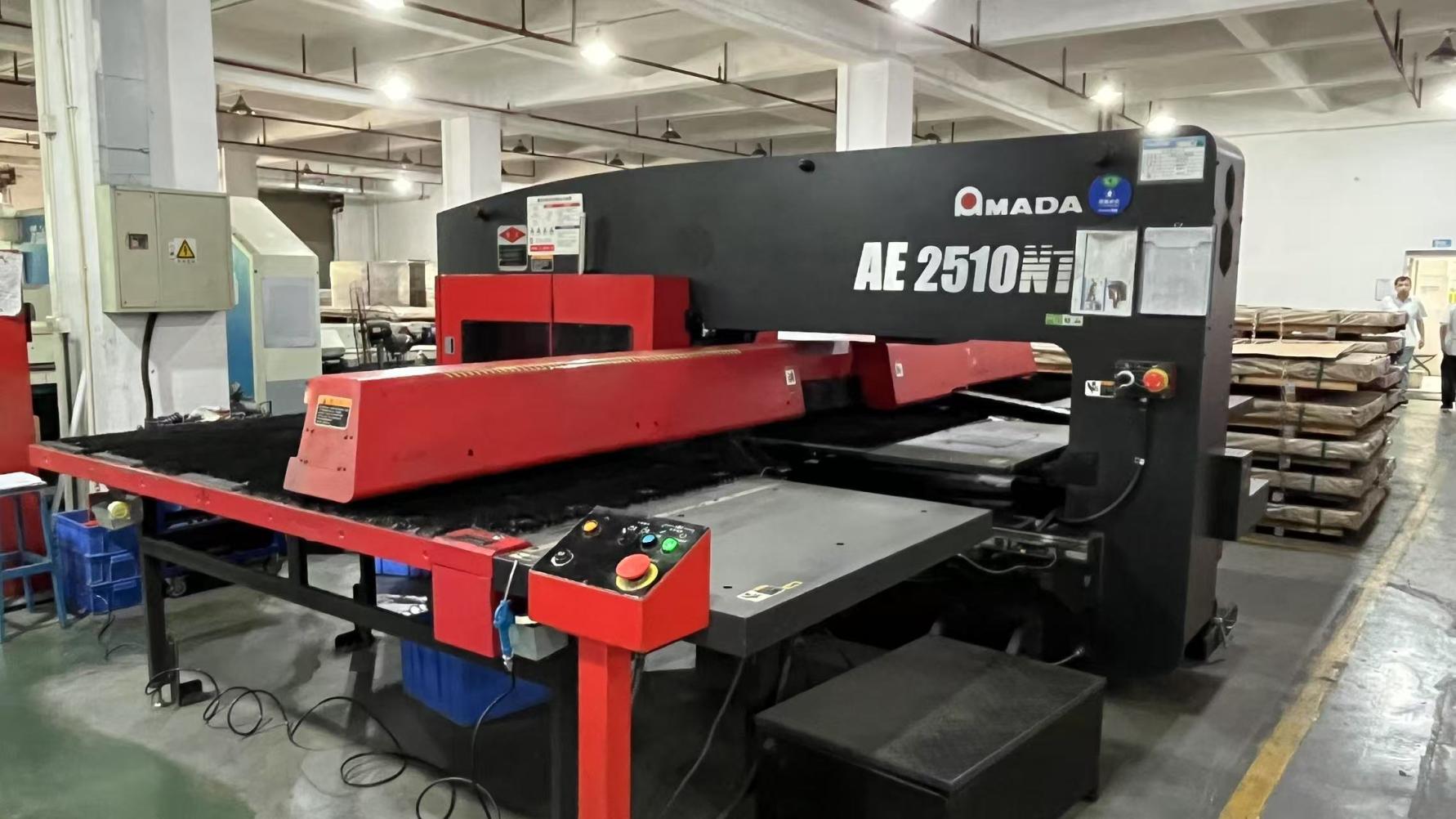
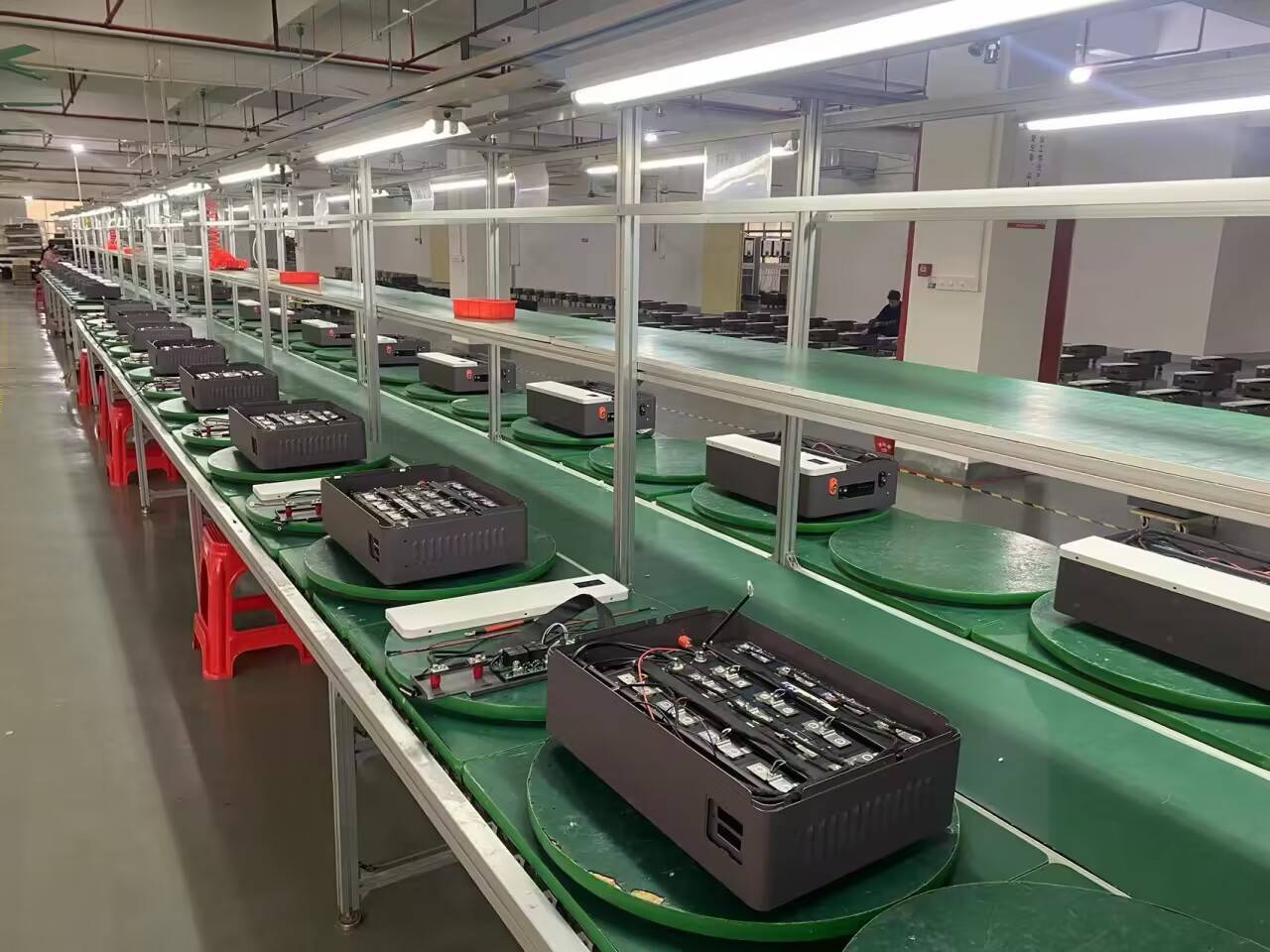
In addition to raw material proximity, the manufacturing processes use advanced automation to minimize manual errors. Automated terminal insertion machines, high-speed plastic injection molders, and automated assembly systems ensure that critical connector measurements remain consistent. Tight control over dimensions is essential to ensure that spring contacts fit securely and prevent physical disconnects caused by vibration in industrial machinery or telecom rack systems.
With 8 years of export experience, OptiLinker has refined its logistics pipeline to support North American, European, and Middle Eastern distribution frameworks. Fast customs clearances, certified packaging designed for ocean or air freight, and full compliance with RoHS and REACH regulations ensure that importing components is seamless, low-risk, and cost-effective.
From gold-plating thickness options to magnetic integration and custom pinout alignments, discover the limits of what our R&D group can configure.
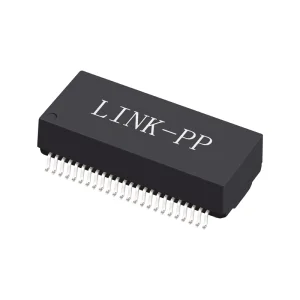
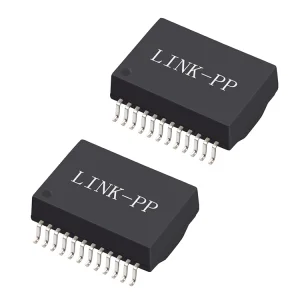
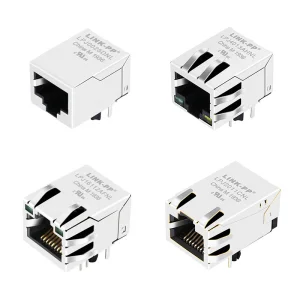
We design custom filter circuits (MagJacks) inside the connector body. These networks protect network physical layers (PHY) from transient voltages while matching line impedance to eliminate echo.
For highly corrosive damp environments or high-vibration applications, we offer gold plating ranging from gold flash up to 50 micro-inches (u") over phosphor bronze terminals.
Integrated status LEDs are available in customized color configurations (Green, Yellow, Red, or bi-color combinations) with built-in resistors matched to system bus voltages.
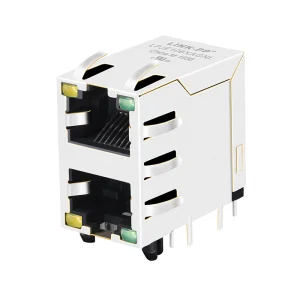
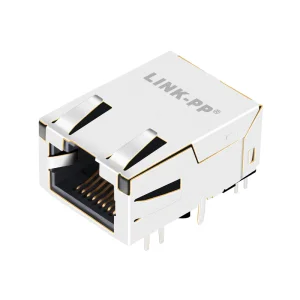
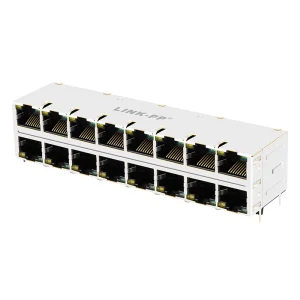
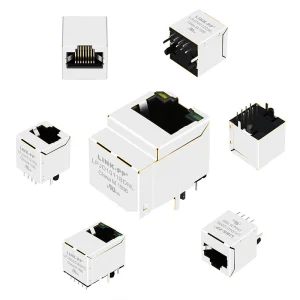
For custom PCB designs, standard off-the-shelf connectors often fall short. Industrial designers face board height constraints or need unique pin configurations to match their circuits. OptiLinker’s team of 60 experienced engineers addresses these issues by designing custom vertical jacks, right-angle connectors, ultra-low profile jacks, and multi-port (e.g. 2x8, 2x1, 1x4) modular designs.
We configure internal magnetics to match PHY chips from major chipmakers like Realtek, Broadcom, Intel, and Marvell. This prevents impedance mismatches, ensuring your finished device passes high-speed EMI certification tests easily.
An evaluation of localized deployment cases in automated smart factories, enterprise datacenters, and outdoor telecommunication interfaces.
Modern factories rely on real-time Ethernet protocols (such as EtherCAT, PROFINET, and Modbus TCP) to connect sensors, robotic controllers, and motor drives. These environments are prone to high electromagnetic interference (EMI) and vibration. Here, shielded Cat5e RJ45 connectors with full metal shells are required to prevent noise from disrupting data packets and causing line down-time.
Outdoor security cameras and Wi-Fi access points are typically installed in hard-to-reach locations and powered using Power-over-Ethernet (PoE). Sourcing high-quality RJ45 connectors with low contact resistance is essential to prevent heating and power loss. Connectors must also withstand wide temperature variations, which OptiLinker validates using high-low temperature chamber tests (-40°C to +85°C).
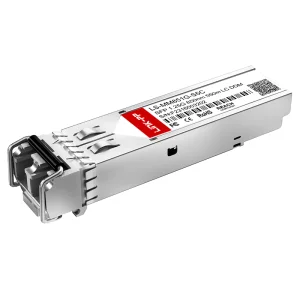
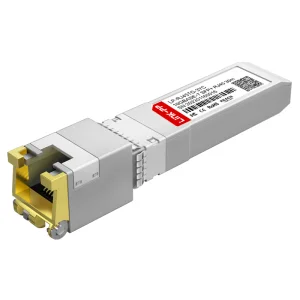
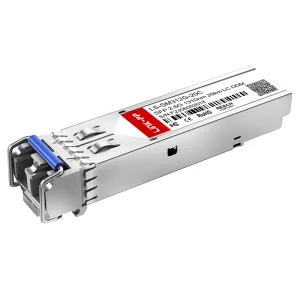
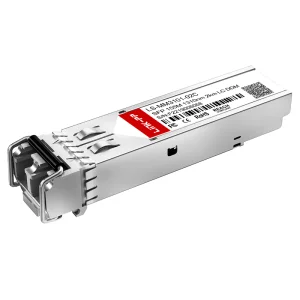
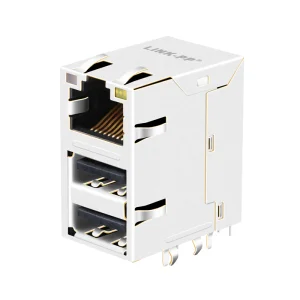
As networks expand, telecom racks and device backplanes face severe space constraints. This has driven the demand for high-density, multi-port, and low-profile RJ45 modular jacks that pack multiple ports into compact form factors. Additionally, there is a growing trend toward integrating copper RJ45 ports with fiber optic SFP cages on the same circuit board, allowing hardware designers to support both short-reach copper lines and long-haul fiber connections.
Exploring the testing methods and criteria used by our 35 quality control experts to ensure high reliability in challenging environments.
Under the supervision of our 35 dedicated QC professionals, every batch undergoes a strict quality control workflow before leaving the facility:
Incoming materials—including plastic pellets, copper alloys, and magnetic cores—are verified for purity and dimensional tolerances.
Automated Optical Inspection scans contact pins, housing walls, and solder joints to detect sub-millimeter defects.
Bit Error Rate (BER) tests and eye-diagram analysis measure signal loss and phase jitter at high frequencies.
Connectors are tested in thermal chambers (-40°C to +85°C) to ensure plastic housings and metal contacts remain stable under thermal expansion stress.
This strict testing methodology ensures our connectors comply with IEEE 802.3 Ethernet standards, RoHS environmental requirements, and UL safety specifications. This makes them suitable for critical infrastructure applications where failure is not an option.
Answers to common technical questions from procurement teams, hardware designers, and network engineers.
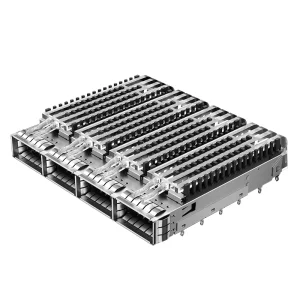
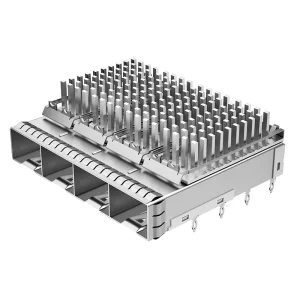
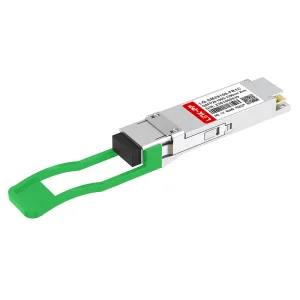
Our extended range of multi-port couplers, integrated PoE connectors, high-speed optical transceivers, and SFP shielding cages.
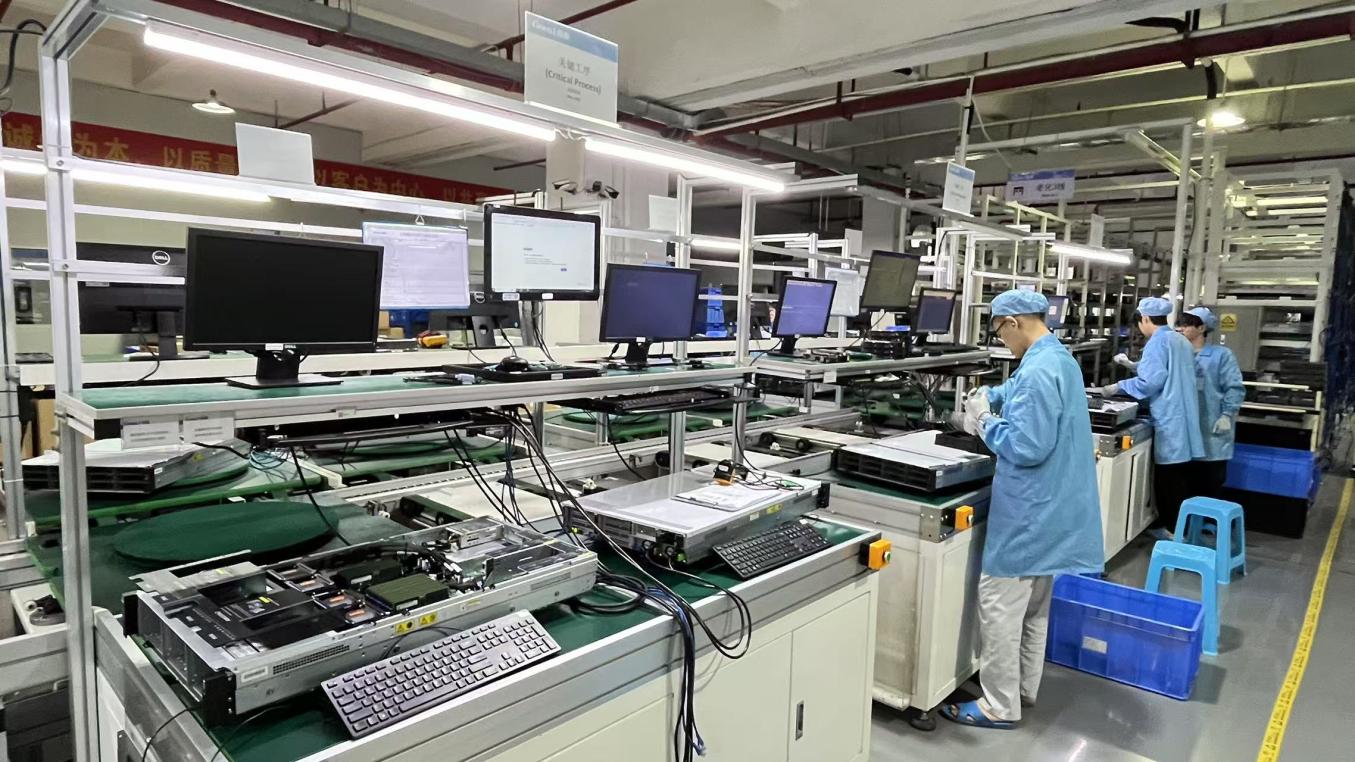
Take a look inside OptiLinker’s laboratories and clean assembly environments, where we run advanced testing and diagnostic protocols.