OptiLinker
OptiLinker
OptiLinker
Explore our engineering-grade RJ45 magnetic modules and high-speed optical transceivers, designed for zero-loss connectivity.
In the era of hyper-scale data centers, distributed edge architectures, and the Industrial Internet of Things (IIoT), the physical layer remains the most critical point of failure and performance optimization. As bandwidth demands transition from legacy Gigabit Ethernet to multi-gigabit regimes (2.5G, 5G, and 10G Base-T), custom OEM RJ45 connectivity modules and high-speed optical transceivers have evolved from simple passive hardware into complex integrated components.
Procuring managers, hardware engineers, and systems integrators face a major challenge: finding connectivity components that balance electrical performance, thermal dissipation, electromagnetic compatibility (EMI), and mechanical endurance. Standardized off-the-shelf connectors often fail to meet the niche electrical constraints of custom PCB designs, demanding highly tailored OEM solutions.
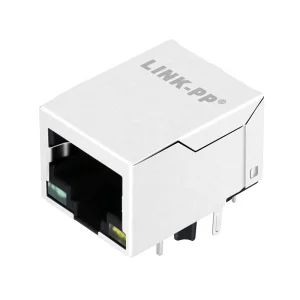
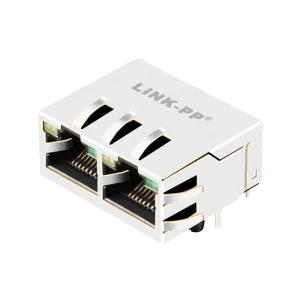
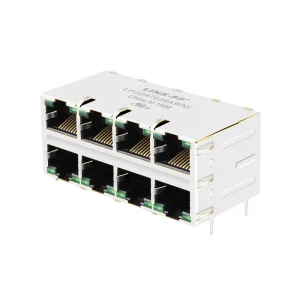
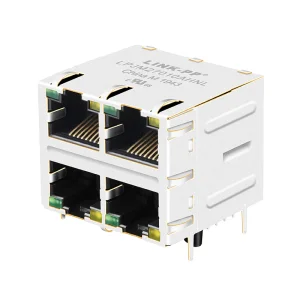
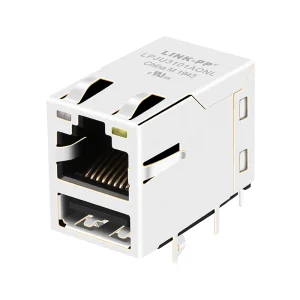
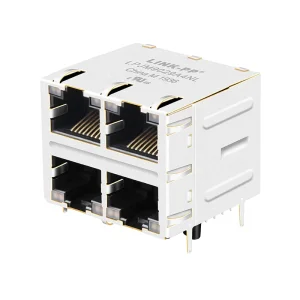
With the rise of 10G Base-T Ethernet over copper, mitigating Near-End Crosstalk (NEXT), Far-End Crosstalk (FEXT), and electromagnetic interference (EMI) has become crucial. Modern MagJacks integrate precise common-mode chokes, isolation transformers, and 360-degree metallic shielding to preserve high-frequency signals.
The expansion of Power over Ethernet (PoE, PoE+, and PoE++ IEEE 802.3bt) means connectors must handle up to 90W of power alongside high-speed data. Engineering-grade RJ45 jacks feature optimized pin designs with heavy gold plating (up to 50u") to prevent electrical arcing and heat damage.
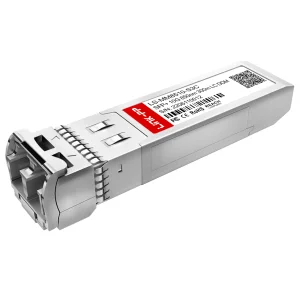
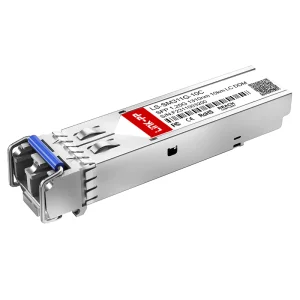
Modern edge gateways and industrial switches require flexible physical layer options. Dual design topologies that seamlessly transition between RJ45 magnetic sockets and SFP/SFP28 optical ports allow network operators to extend run lengths from 100 meters on copper to over 20 kilometers using single-mode fiber (SMF).
Enterprise buyers from telecom systems, datacenter management, and smart factory engineering require vendors with rigorous validation standards. In the interconnect business, failure rates must be kept below the Parts Per Million (PPM) threshold.
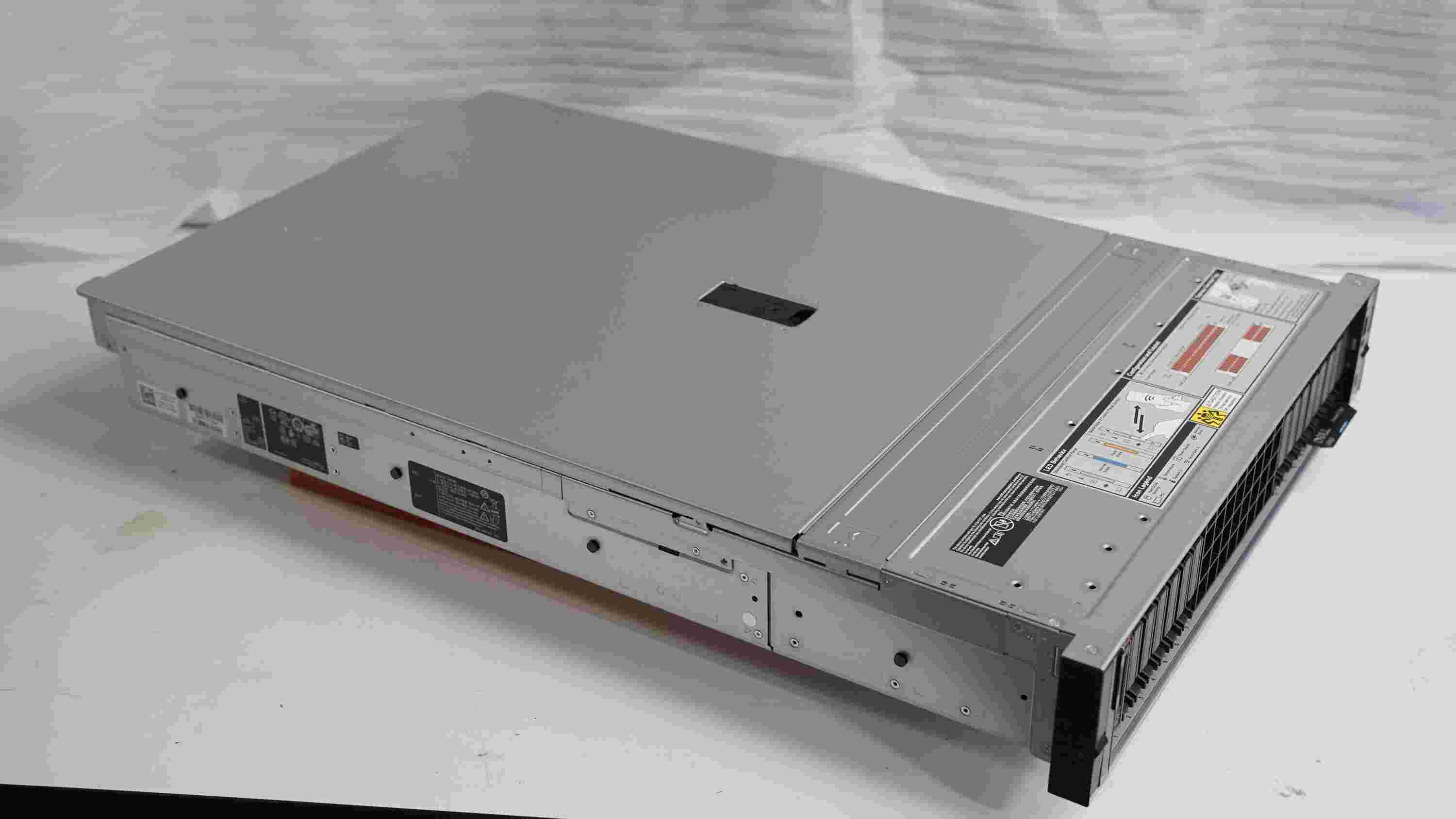
The production of state-of-the-art telecom modules requires a highly responsive manufacturing ecosystem. OptiLinker utilizes China's advanced industrial infrastructure to deliver unmatched efficiency, custom flexibility, and reliable quality.
By combining a high-precision cleanroom manufacturing center with a broad network of over 850 strategic component suppliers, we maintain stable raw material access and fast production turnaround times, even during tight market conditions.
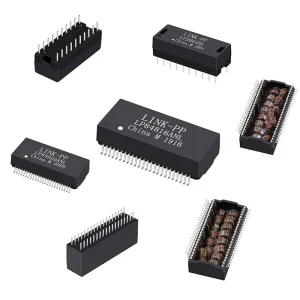
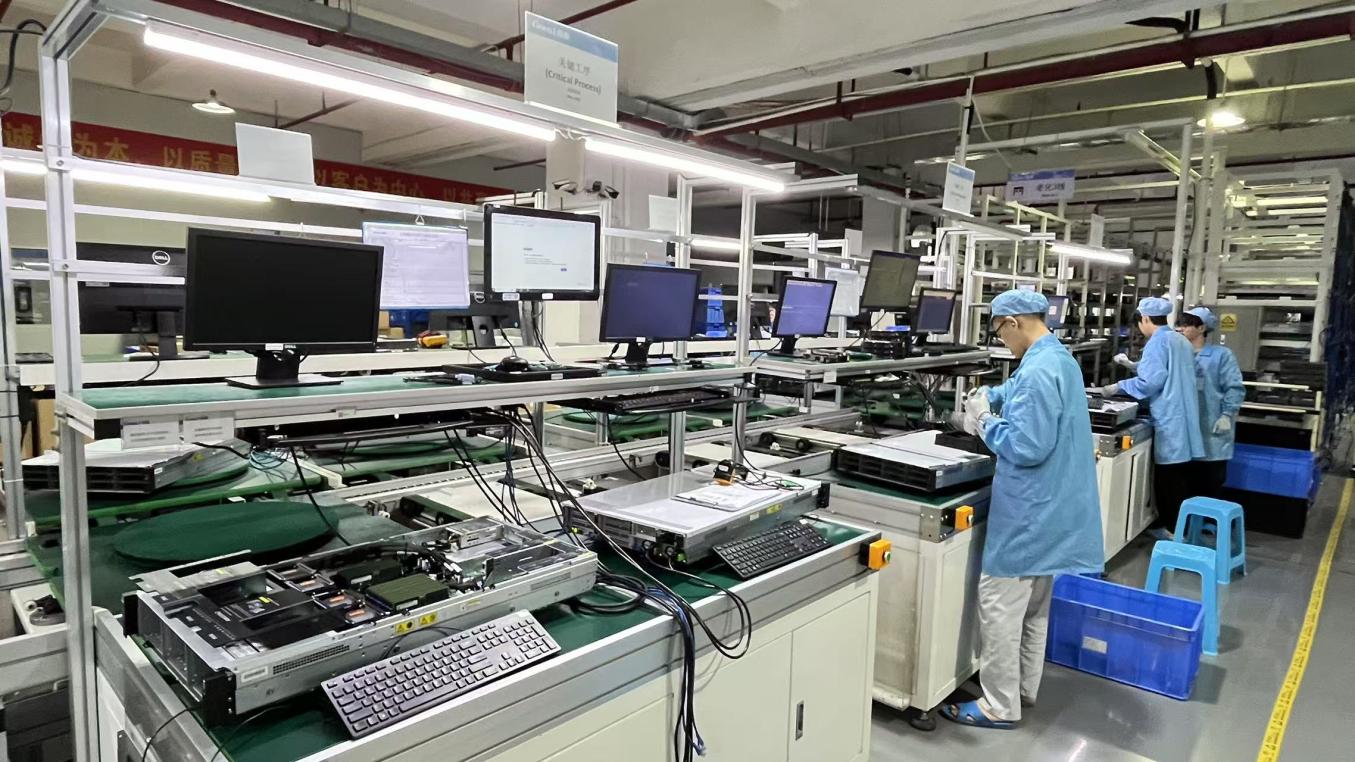
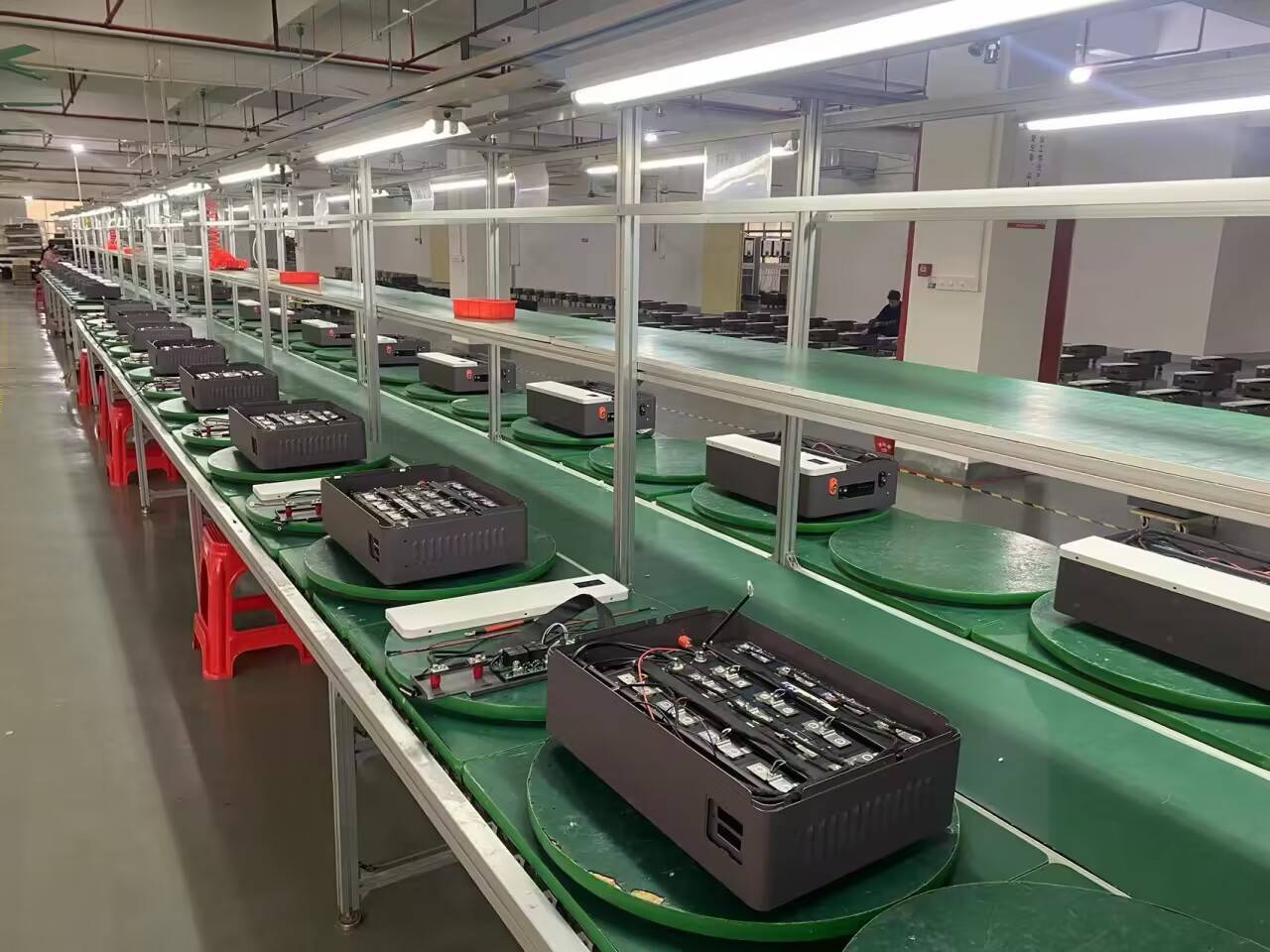
Our production workflow utilizes automated optical inspection (AOI), high-throughput automatic pick-and-place systems, and multi-stage testing rigs. This ensures every custom RJ45 transformer and optical assembly meets strict industrial-grade standards before shipment.

A Professional Optical Transceiver Manufacturer and Connectivity Solutions Provider
OptiLinker Optoelectronics Co., Ltd. (OptiLinker) is a leading optical transceiver manufacturer and solution provider operating under the brand OptiLinker (www.optilinkertrans.com). We specialize in high-speed optical communication modules and robust Ethernet connectivity solutions for global data center networks and telecom systems.
Founded in 2016, OptiLinker operates a modern production and testing facility with a total building footprint of approximately 320㎡. The company has accumulated over 12 years of industry experience and 8 years of export experience. Over the past year, OptiLinker generated an annual export revenue of approximately USD 12 million, serving customers in North America, Europe, Southeast Asia, and the Middle East.
Quality control is built into every step of our manufacturing workflow. We implement 100% incoming material inspection, AOI automated optical inspection, and full optical performance testing. All manufactured items undergo rigorous product verification steps, including Bit Error Rate (BER) testing, eye diagram analysis, and environmental high/low temperature cycling tests, to ensure long-term stability in demanding network environments.
OptiLinker's modular designs are engineered to perform across diverse industrial and corporate networks.
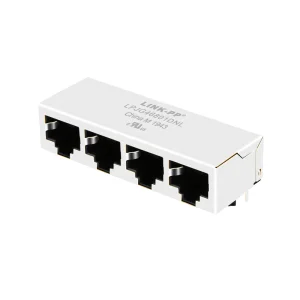
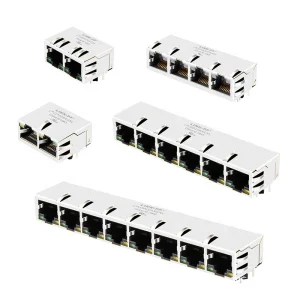
Modern smart factories run on Real-Time Industrial Ethernet protocols (e.g., EtherCAT, PROFINET). OptiLinker's shielded multi-port RJ45 connectors resist electromagnetic noise from high-voltage machinery and heavy motor drives, maintaining uninterrupted communication on the assembly line.
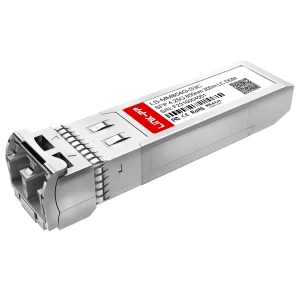
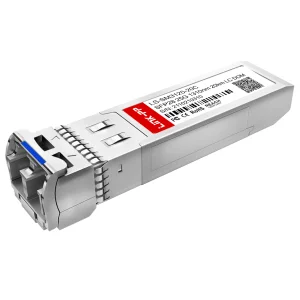
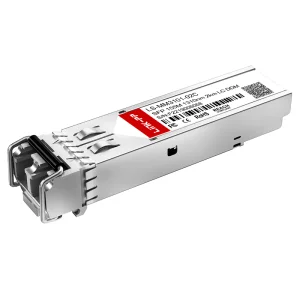
AI training clusters require high-speed data transfers with minimal latency. Our SFP28 25G and multimode 10G optical modules link computing nodes with switch fabrics, providing the high-throughput and reliable thermal management needed for continuous server loads.
Edge and 5G small cell base stations operate in harsh, exposed conditions. OptiLinker's single-mode optical transceivers and telecom magnetic jacks are certified for wide temperature variations and feature anti-corrosive, moisture-resistant structures to keep outdoor equipment online.
Inside our high-precision manufacturing, testing, and distribution centers
Get answers to common technical, design, and manufacturing questions from OptiLinker's engineering department.
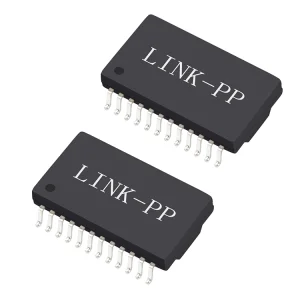
Standard RJ45 connectors are passive plastic or shielded housings with metal pins. Integrated Connector Modules (ICMs), or MagJacks, house the Ethernet isolation transformers, common-mode chokes, resistors, and capacitors inside the connector shell itself. This design saves PCB space, shields signals from internal system noise, and simplifies board design while ensuring compliance with IEEE 802.3 Ethernet standards.
Compatibility depends on the EEPROM microcontroller firmware on the transceiver module. OptiLinker's R&D division has spent years analyzing and mapping target network architectures. Our custom transceivers are programmed and tested on original host switches in our lab to guarantee seamless integration, proper DDM telemetry readout, and zero handshake errors.
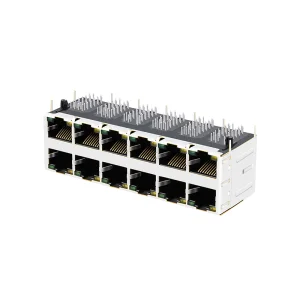
PoE transmits power along the signal lines, which generates heat, especially in dense configurations like 2x6 or 2x8 stacked jacks. To run PoE safely, modules require high-grade magnetic insulation wire, proper ventilation spacing, and robust gold plating (up to 50 micro-inches) on the contact pins. This reduces resistance and prevents electrical degradation over thousands of insertion cycles.
DDM, also known as DOM (Digital Optical Monitoring), allows network administrators to track real-time operating metrics such as optical output power, receiver input power, temperature, laser bias current, and module supply voltage. Access to this data helps identify degradation early, allowing for preemptive maintenance before a link fails.
Yes. Our OEM/ODM capabilities include modifying physical housing shapes, altering PCB pin assignments, adapting mounting tab directions, changing LED configurations, and customizing integrated transformer specifications to match unique voltage and signal constraints.
High-reliability telecom transformers, filtered MagJacks, and compatible transceiver modules for network builds.