OptiLinker
OptiLinker
OptiLinker
Explore our leading range of high-density SFP cages, magnetic modular jacks, and interface converters designed to meet stringent OEM hardware parameters.
The critical link in local network expansion, shielding protocols, and data rate maximization across enterprise IT hardware.
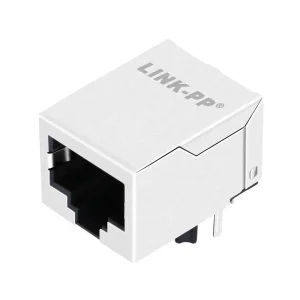
In the landscape of modern enterprise data architectures, the humble RJ45 port remains the foundational physical layer (PHY) interface for Ethernet connections. As corporate infrastructures push past standard Gigabit lines to 2.5GbE, 5GbE, and 10GbE network interfaces, selecting a high-performance, robust, and precision-engineered inline RJ45 connector is paramount. These specialized adaptors and couplers enable seamless, tool-free extension of network connections while strictly preserving signal integrity, mitigating return loss, and shielding against electromagnetic interference (EMI).
High-quality inline RJ45 connectors feature phosphor bronze contacts plated with gold up to 50 micro-inches. This thickness prevents oxidation, lowers contact resistance (typically under 20 mΩ), and guarantees thousands of mating cycles without structural degradation. Crucially, they prevent crosstalk (NEXT and FEXT) at high frequencies.
For high-EMI environments, STP (Shielded Twisted Pair) inline RJ45 couplers utilize nickel-plated brass encapsulation. This continuous metallic shield routes stray high-frequency electromagnetic noise to the chassis ground, preventing packet loss and protecting delicate networking transceivers from voltage spikes.
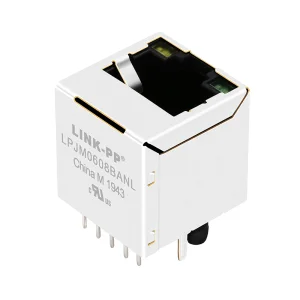
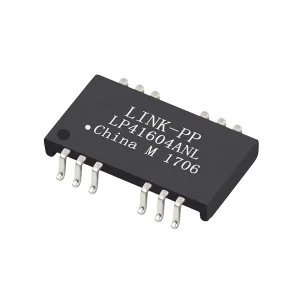
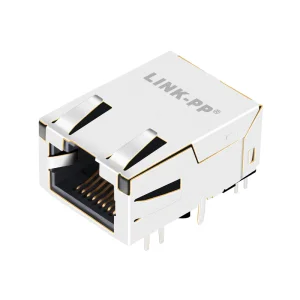
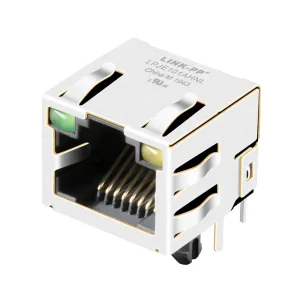
Modern magnetic RJ45 connectors (often referred to as MagJacks) incorporate isolation transformers and common mode chokes directly inside the connector housing. This integration filters out high-frequency noise, offers 1500Vrms isolation, and protects PHY chips from damage, saving vital board space.
Inline connectors are classified based on the TIA/EIA-568 electrical transmission standards. A common failure point in enterprise networking is inserting a lower-category coupler (e.g., Cat5e) into a high-speed backbone loop (e.g., Cat6a). This introduces impedance mismatches, which degrade the maximum transmission distance and trigger frame check sequence (FCS) errors on active network switch ports.
| Connector Standard | Maximum Bandwidth | Data Rate Support | Ideal Application Scenario | Shielding Requirements |
|---|---|---|---|---|
| Category 5e (Cat5e) | 100 MHz | 1 Gbps (Up to 100m) | Legacy IoT, standard office IP phones, IP cameras | UTP (Optional shielding) |
| Category 6 (Cat6) | 250 MHz | 1 Gbps / 10 Gbps (Short distance) | Commercial office backbone, Gigabit workstations | UTP or FTP (foil shielded) |
| Category 6A (Cat6A) | 500 MHz | 10 Gbps (Up to 100m) | Data center copper grids, professional AV setups | STP (Full metal jacket, 360-degree shield) |
| Category 8 (Cat8) | 2000 MHz | 25 Gbps / 40 Gbps (Up to 30m) | Switch-to-server interconnect in HPC clusters | Fully shielded (S/FTP individual foil pair shielding) |
How OptiLinker leverages an extensive component matrix, precision molding, and massive partner networks to deliver reliable OEM solutions.
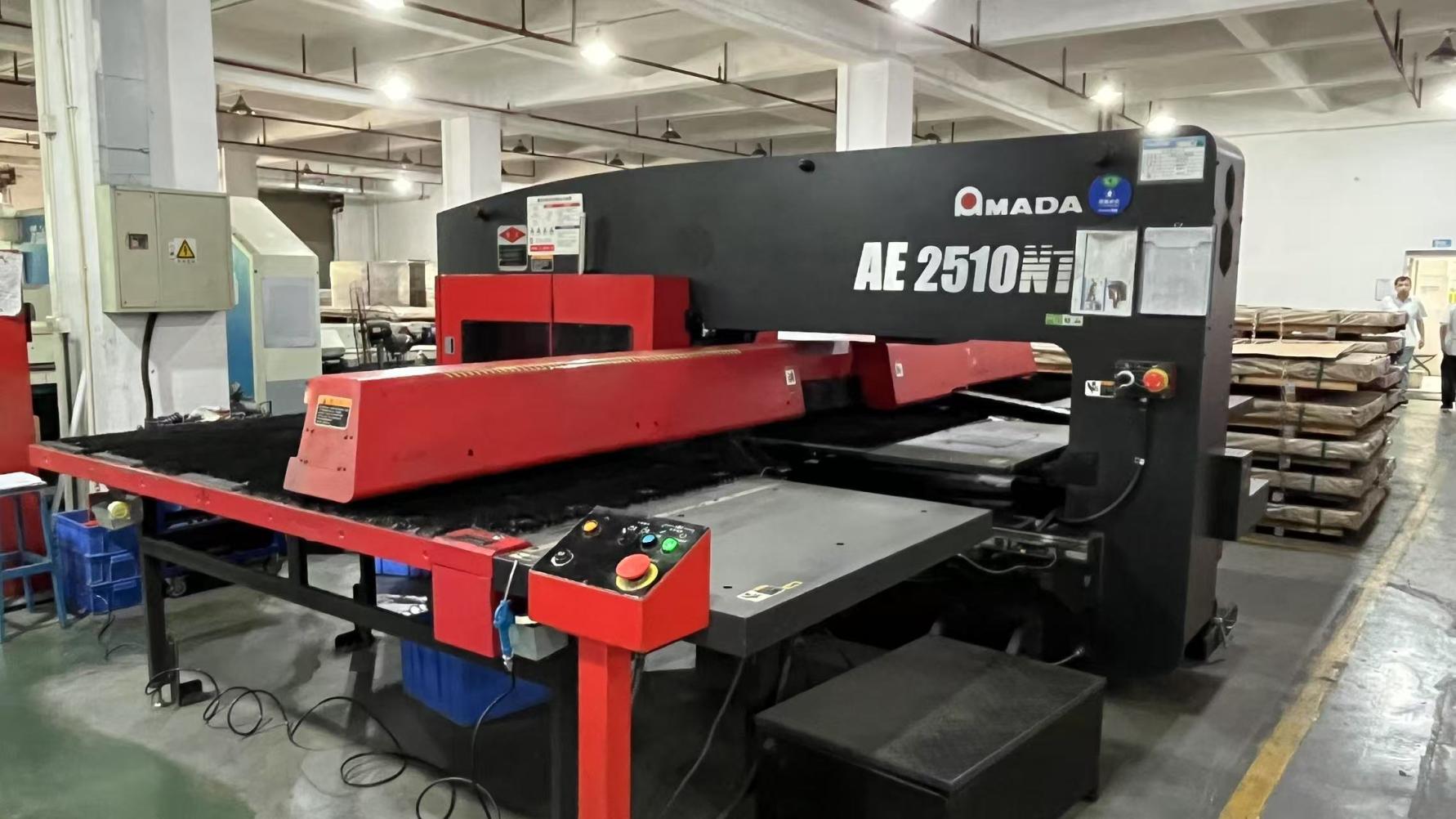
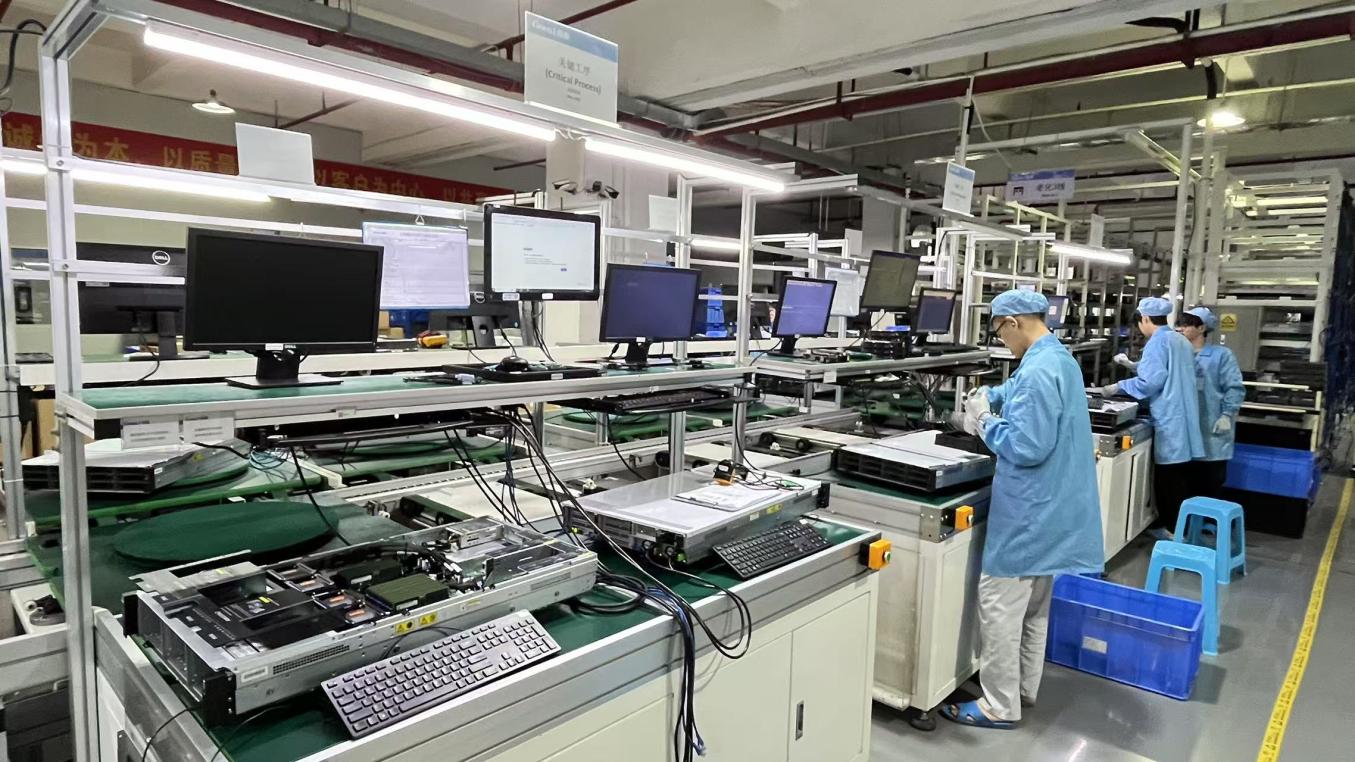
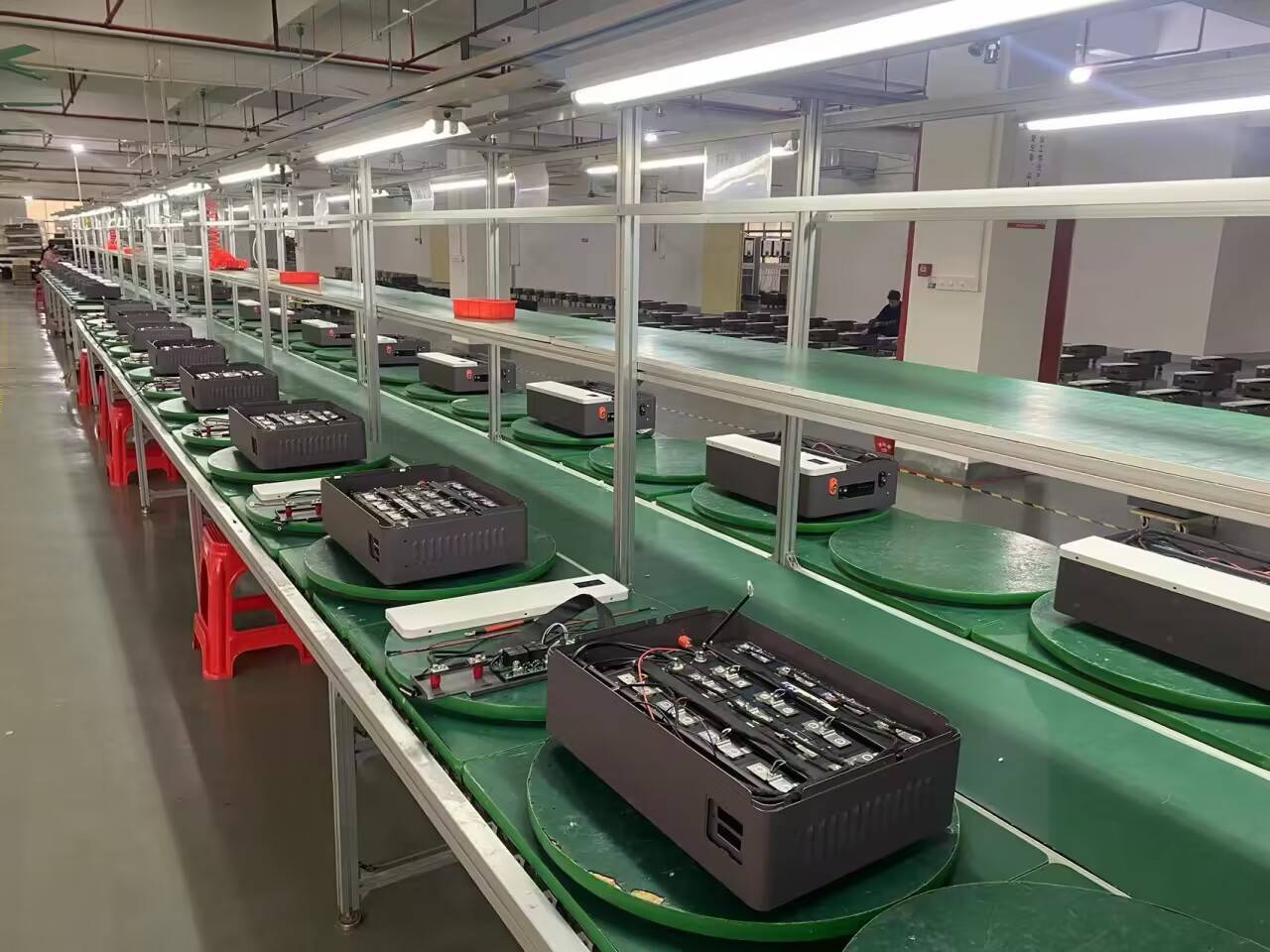
When selecting a manufacturing partner for custom network components, global buyers must balance scale, regulatory compliance, quality verification, and cost-efficiency. OptiLinker operates a specialized, high-density optical communication design facility, coupled with a deep, integrated supply chain network consisting of approximately 850 partner factories. This hybrid ecosystem enables rapid material acquisition, high-volume production runs, and custom tooling development that standard factories cannot match.
Our facility houses 60 experienced optical and hardware engineers specializing in high-frequency circuit layouts, signal integrity modeling, and custom firmware coding. They design connector shapes, pinout spacing, and multi-port configurations for specialized network equipment.
With 35 dedicated QC professionals on-site, quality is managed at every production step. This includes 100% incoming raw material inspection, Automated Optical Inspection (AOI), full optical performance checks, eye diagram analysis, and environmental cycling tests.
Leveraging 8 years of export operations, OptiLinker has refined its product launch processes. Last year alone, we launched 120 new products, adapting quickly to new technical standards (like Cat8 and Multi-Gigabit Ethernet) as they emerge.
The production cycle for custom OEM inline connectors requires precision plastic injection molding for the inner core inserts and outer shells. We use flame-retardant polymers like UL 94V-0 compliant Polycarbonate or PBT (Polybutylene Terephthalate). The metal shielding utilizes copper-nickel alloys to block high-frequency electromagnetic noise. Our factories control these variables closely to ensure consistent mechanical and electrical fitment across production runs.
Meeting stringent global standards for fire safety, chemical restriction, and network hardware parameters.
Global procurement teams must ensure that their imported networking equipment complies with local regional standards. Installing non-compliant hardware can result in customs seizures, insurance invalidation in the event of an electrical fire, and system instability. OptiLinker ensures that all manufacturing lines are certified to meet international environmental and safety standards:
Restricts hazardous substances like lead, cadmium, and hexavalent chromium in plastics, solder, and plating. Crucial for entry into the European Economic Area.
Certifies that connector housings are self-extinguishing within 10 seconds of ignition, preventing fire spread along cable runs in drop ceilings and riser plenums.
Ensures compatibility with global public telephone systems and verifies that electromagnetic radiation from Ethernet connections remains below limit thresholds.
Governs the entire product development process at OptiLinker, from the initial design layout to raw material sourcing and the final outgoing quality control checks.
Furthermore, local support structures require comprehensive engineering files like 3D CAD step files, electrical schematic diagrams, and certification records. Our R&D team provides these source files during the design phase, accelerating integration times for local hardware designers, system integrators, and product engineers in North America, Europe, and the APAC region.
Where high-grade RJ45 components interface with optic networks, power delivery systems, and industrial equipment.
Modern networks are rarely purely copper or purely optical. Hybrid setups dominate the landscape. In data centers, corporate campuses, and large-scale industrial plants, copper and optical links coexist to balance cost, distance, and performance:
Power over Ethernet (PoE, PoE+, PoE++) requires inline connectors capable of handling high electrical current (up to 90W) without overheating. Industrial RJ45 couplers feature specialized insulation and low contact resistance to prevent thermal damage in automated factories and robotic assemblies.
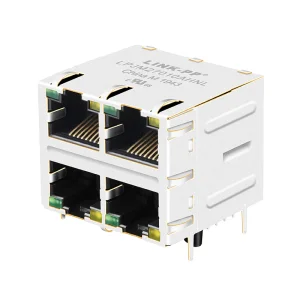
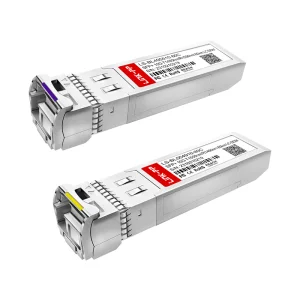
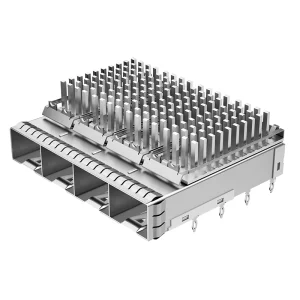
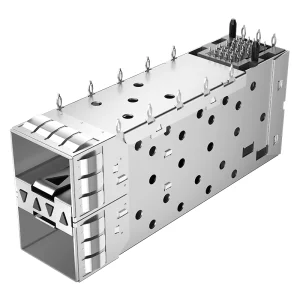
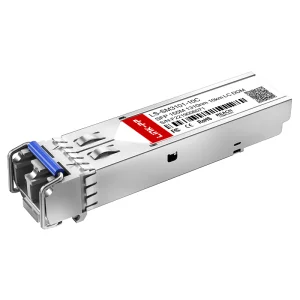
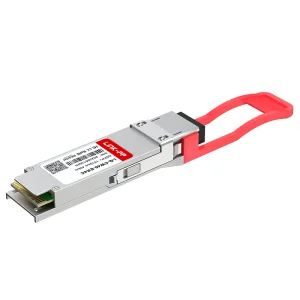
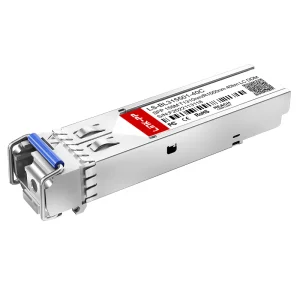
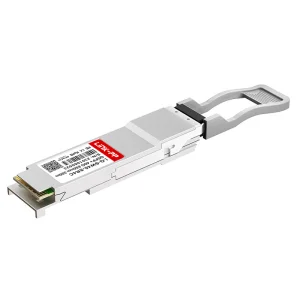
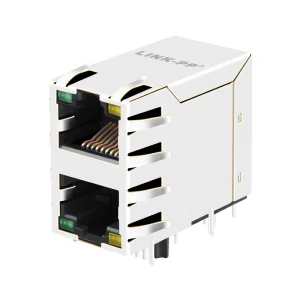
SFP+ cages and transceiver modules route data over fiber backbones, which then interface with local copper arrays. Dual-port stack units and integrated magnetic jacks bridge these systems, connecting fiber links with local RJ45 servers and high-speed switches.
External telecommunication enclosures rely on IP67 waterproof-rated inline couplers. These units lock securely into place to protect internal electronic pins from moisture, dust, and temperature shifts, maintaining stable connections in tough outdoor environments.
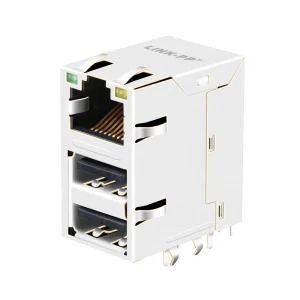
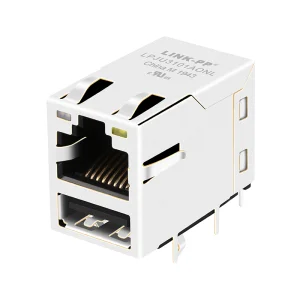
The transition to Single Pair Ethernet (SPE) for IoT applications is a key trend shaping the industry. While standard RJ45 connectors utilize four twisted pairs, SPE delivers data and power over a single pair, reducing weight and cost for smart buildings. However, standard multi-pair RJ45 connections remain the preferred interface for high-bandwidth links, with dual-stack connectors (like RJ45 and USB 3.0 combo jacks) seeing high demand in consumer electronics, edge compute servers, and custom telecommunication gateways.
Addressing engineering questions, structural specifications, and procurement procedures for network component design.
Complementing your Ethernet copper configurations with high-density optical transceivers, cages, and integrated filters.
A professional partner in optical fiber communication components and customized network interface design.
Founded in 2016, OptiLinker Optoelectronics Co., Ltd. (brand: OptiLinker) is a professional optical transceiver manufacturer and solution provider. We supply high-speed optical communication modules to global data centers and telecom operators. With over 12 years of industry experience and 8 years of export operations, we are committed to providing reliable networking and connectivity solutions.
Operating a specialized facility alongside our network of 850 supply chain partners, we manage production schedules and custom design modifications with high efficiency. Last year, our team reached an annual export revenue of USD 12 million, delivering high-performance components to clients across North America, Europe, Southeast Asia, and the Middle East.
Our quality control processes include 100% incoming material inspection, Automated Optical Inspection (AOI), and full optical testing. Connectors and modules are verified using BER tests, eye diagram analysis, and high/low temperature cycling to ensure reliable performance under demanding network loads.