OptiLinker OptiLinker

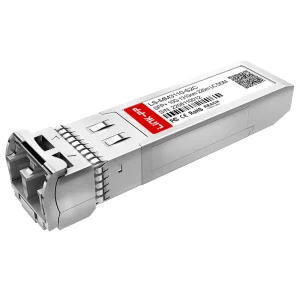
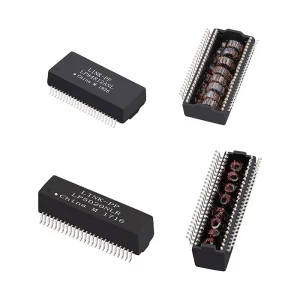
China Wholesale SFP Module Connector Factories & Exporters

High-Density Optical Interconnect Solutions & Next-Gen Architecture for Global Hyperscale Networks

Premium SFP Cages & Transceiver Interface Systems

Advanced mechanical interconnect assemblies featuring high EMI suppression and enhanced thermal design
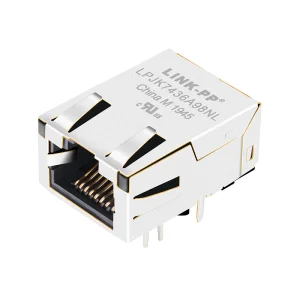
China Manufacturer for PoE+ 2.5G Jack Connector RJ45 Socket

China Manufacturer for PoE+ 2.5G Jack Connector RJ45 Socket

View Specifications
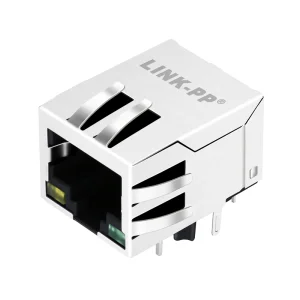
Shielded 10/100/1000 Base-T Low-Profile RJ45 Magjack

Shielded 10/100/1000 Base-T Low-Profile RJ45 Magjack RJMG212021210NR RJMG2018226A0ER RJMG2012228A0ER

View Specifications
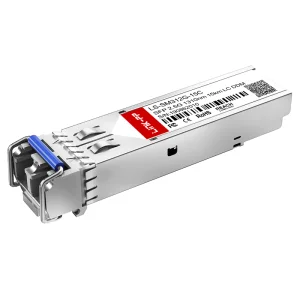
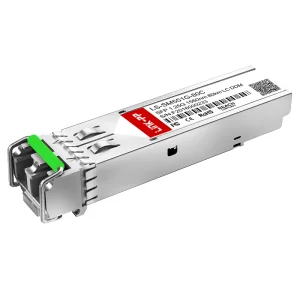
SFP-GE-Z Compatible 1000BASE-ZX Optical Transceiver

SFP-GE-Z Compatible 1000BASE-ZX Optical Transceiver SMF Duplex LC Single Mode 1550nm 1G SFP Module 80km

View Specifications
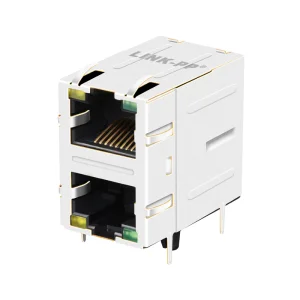
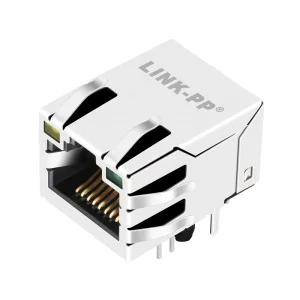
Y/G LEDs 1000 Base-T 2x1 Port RJ45 Stacked Connector

Y/G LEDs 1000 Base-T 2x1 Port RJ45 Stacked Connector RJ 45 Modular Jack LPJG17561BGNL

View Specifications
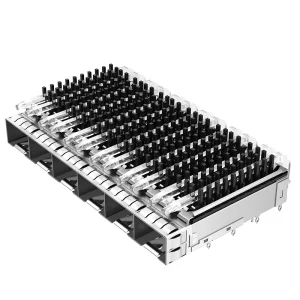
2198236-4 TE Replacement Through Hole 1x6 Ports Light Pipe Press-fit SFP+ Cage With Heatsink

2198236-4 TE Replacement Through Hole 1x6 Ports Light Pipe Press-fit SFP+ Cage With Heatsink

View Specifications
Female RJ45 for Internet Modular Plug TIC-L003-11

Female RJ45 for Internet Modular Plug TIC-L003-11

View Specifications
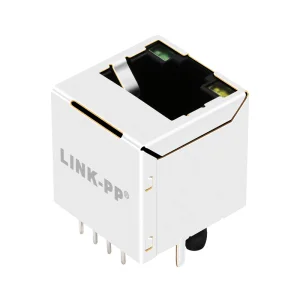
Ethernet Vertical Jack RJ45 Female Socket

Ethernet Vertical Jack RJ45 Female Socket HFJV1-1G46RL HFJV1-2450-L55RL 1840459-1 1840453-1

View Specifications
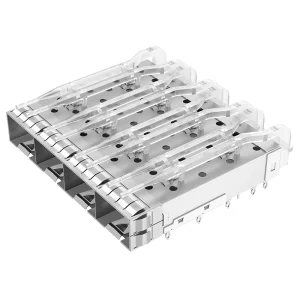
2110069-1 TE Compatible Ganged 1x4 Ports EMI Shielded Press Fit SFP+ Cage

2110069-1 TE Compatible Ganged 1x4 Ports EMI Shielded Press Fit SFP+ Cage With Light Pipe

View Specifications

Executive Whitepaper: Strategic Architectural Interconnect Framework

A comprehensive analysis of high-speed data transmission interfaces for modern hyperscale computing and telecommunications infrastructure.

In the rapidly changing landscape of enterprise networking and software-defined datacenters, the selection of SFP (Small Form-Factor Pluggable) module connectors and physical interface structures has transitioned from simple physical connectivity components to critical variables governing system bandwidth, electromagnetic compatibility (EMI) margin, and thermal efficiency. Modern signal transmission parameters demand ultra-low insertion loss, minimal crosstalk, and exceptionally high return loss to accommodate data rates scaling from 1G SFP up to 400G QSFP-DD and 800G OSFP architectures.

For international engineering groups, telecommunications providers, and system integrators, securing component chains from reliable exporters in China represents a strategic operational benefit. However, navigating the differences in materials science, compliance, and signal integrity testing across various production facilities requires an in-depth understanding of the electrical and mechanical parameters defined by Multi-Source Agreements (MSAs). This whitepaper provides a thorough overview of factory capabilities, technological roadmaps, and localized sourcing frameworks to assist global network procurement managers in making informed decisions.

High-Speed Interconnect Evolution & Tech Roadmap

Tracking the trajectory of high-frequency copper and optical interconnect standards from legacy modules to modern co-packaged optics

From 1G to 400G/800G: Bandwidth Scaling

The expansion of SFP formats to higher-performance classes like SFP+, SFP28, QSFP28, and QSFP-DD reflects the changing needs of telecom and enterprise switching networks. Bandwidth growth has forced transitions from simple NRZ (Non-Return-to-Zero) modulation to complex PAM4 (Pulse Amplitude Modulation 4-level) schemes, doubling data throughput at similar physical footprints.

For instance, a standard SFP+ port operates at 10 Gbps using NRZ modulation. Scaling this to SFP28 raises the interface threshold to 25 Gbps. To cross into the gigabit requirements of hyper-scale platforms, developers group ports into gang assemblies. Standard 1x4 and 1x6 port configurations, equipped with active thermal heatsinks and light pipes, help maintain structural stability for optical components operating at high speeds.

2010 - Legacy Systems (1G / 10G SFP+)
Primary deployment of NRZ-encoded single-channel cages, matching basic SFF-8431 hardware parameters.
2016 - High Density Enterprise (25G / 100G QSFP)
Adoption of ganged press-fit SFP28 configurations with multi-port light pipes and integrated elastomer EMI gaskets.
2022+ - Hyperscale Deployments (400G / 800G Co-Packaged Optics)
Introduction of PAM4-based QSFP-DD and OSFP configurations featuring integrated heat sinks and riding-fin structures for optimal thermal management.

OptiLinker Manufacturing & R&D Infrastructure

Engineered performance under strict Quality Assurance (QA) standards

12+
Years Industry Exp
8+
Years Export Exp
60+
R&D Engineers
$12M
Annual Export Rev

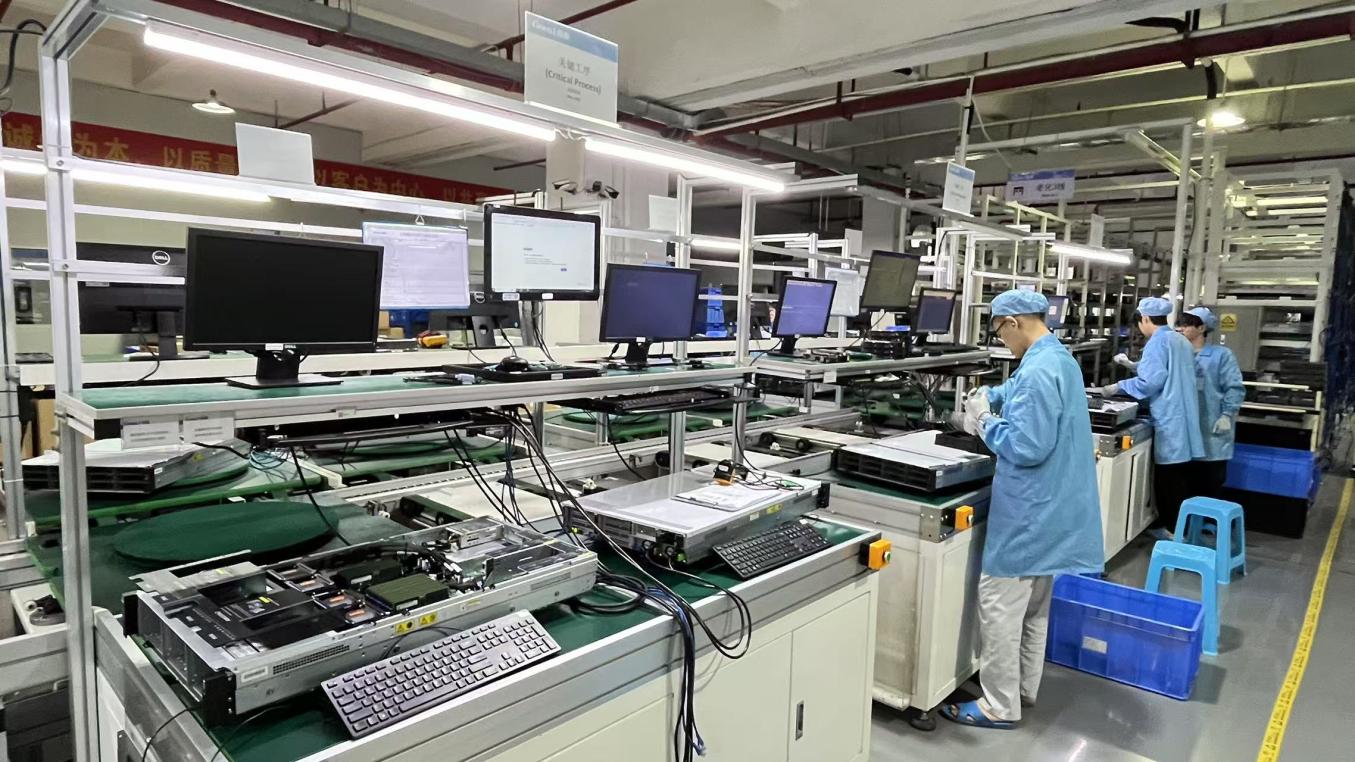
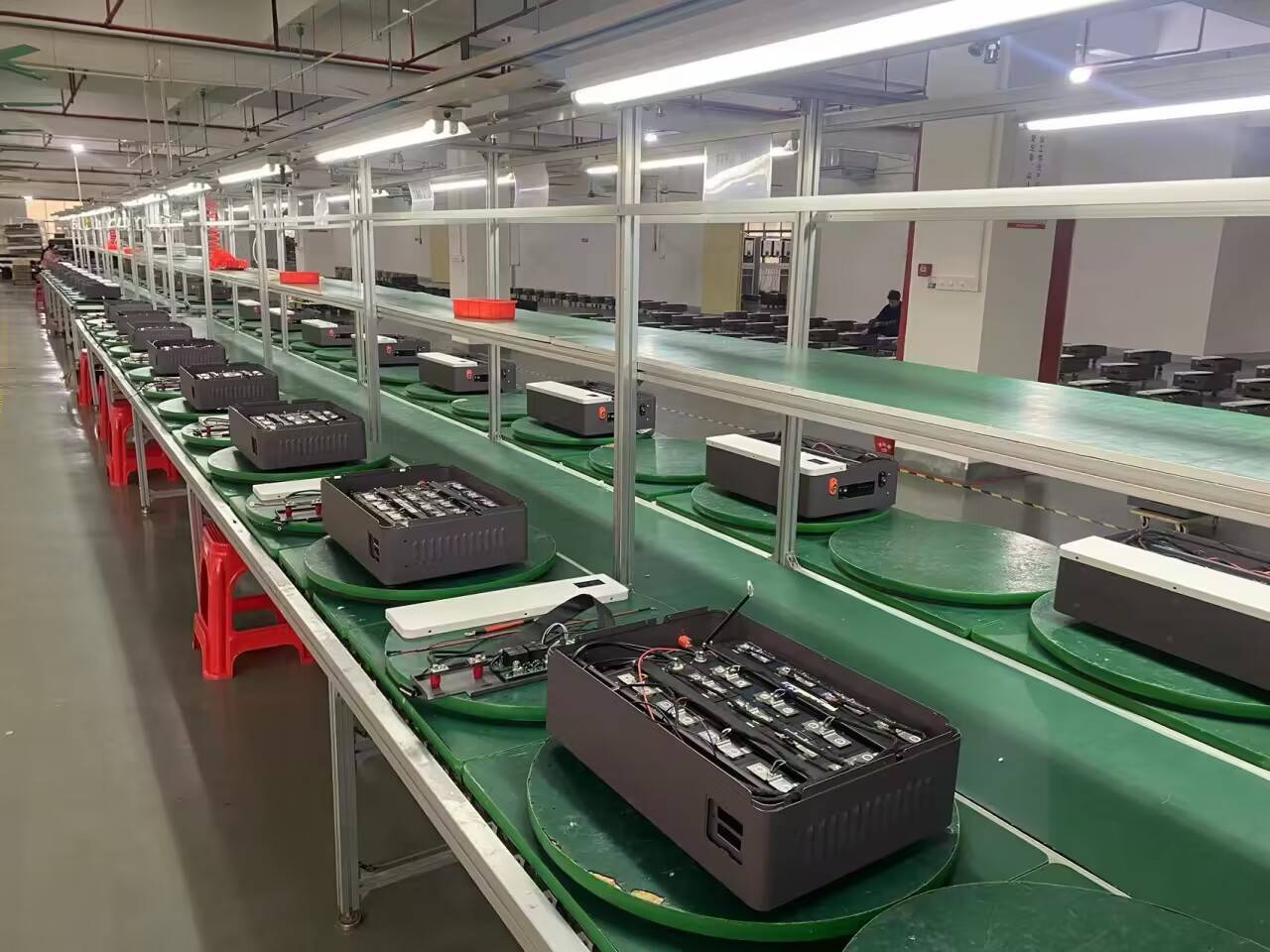
Under the core brand OptiLinker, OptiLinker Optoelectronics Co., Ltd. is a specialized manufacturer and solution designer. The firm concentrates on high-speed optical modules and interconnect components for data centers and telecommunications networks. Established in 2016, the company maintains a modern facility with a building area of approximately 320㎡, which functions as a specialized, dust-free cleanroom environment for high-precision optoelectronic assembly, fiber alignment, and rapid-prototyping validation.

OptiLinker utilizes its 12 years of industry experience and 8 years of direct export history to serve enterprise clients in North America, Europe, Southeast Asia, and the Middle East. Operating on a B2B model, the enterprise provides OEM/ODM solutions designed for modern network infrastructures.
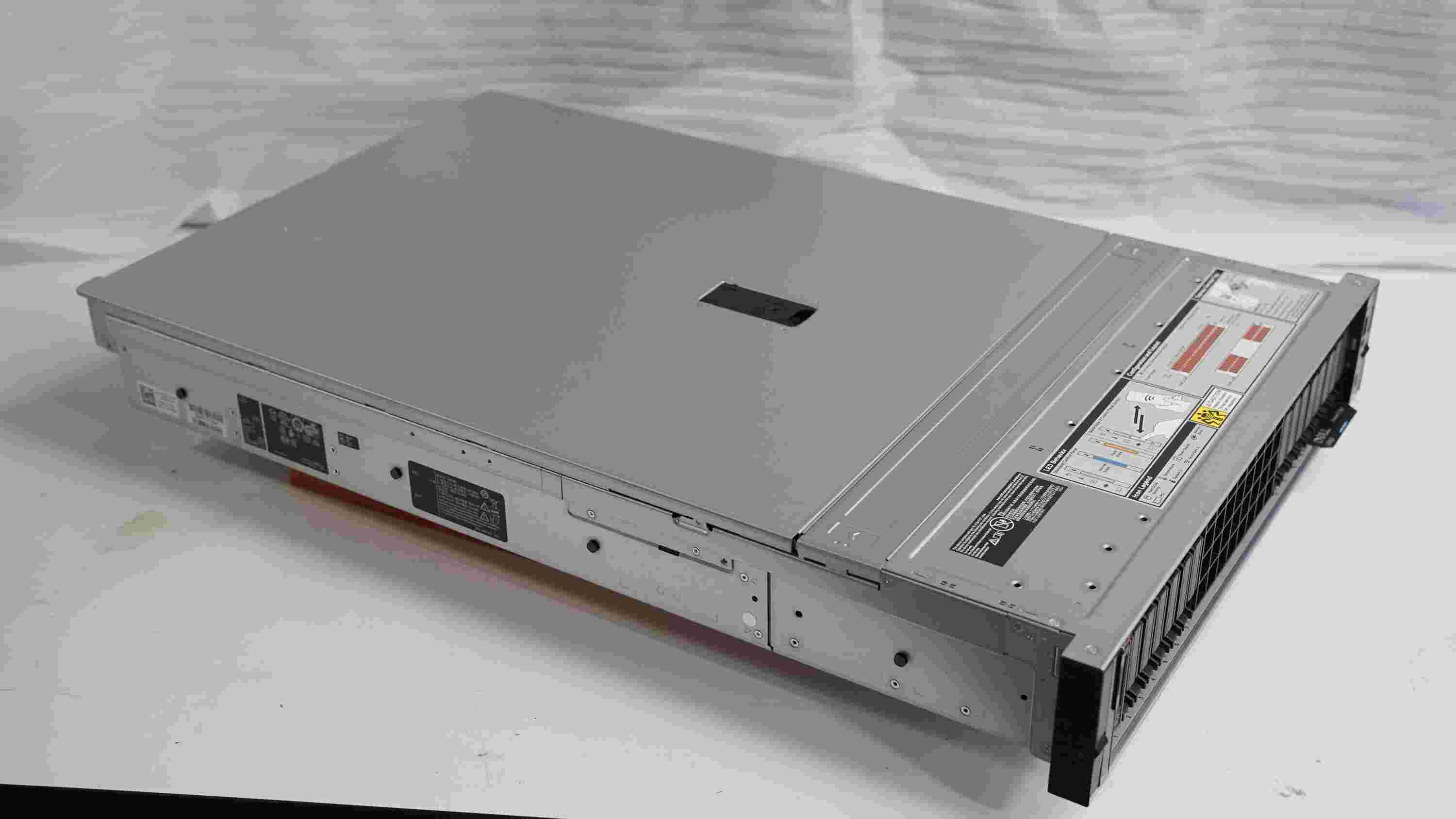

OptiLinker’s product development is driven by an engineering team of 60 specialized optical and hardware engineers. This division handles high-frequency circuit layouts, signal integrity optimization, mechanical cage thermal modeling, and multi-platform firmware coding. As a result of these technical resources, the company introduced approximately 120 new models and configuration variants in the past year, addressing shifts in port requirements and the compatibility demands of various network switch brands.

Global Enterprise Sourcing Imperatives

Evaluating vendor reliability, supply chains, and technical specifications for SFP components

Interoperability Protocols

Ensuring cross-vendor system functionality through EEPROM programming and protocol compatibility. Custom firmware supports integration with systems from Cisco, Juniper, Arista, and other major network brands.

Thermal & Mechanical Rigidity

Press-fit pin designs ensure durable PCB installation. Thermally conductive riding-fins and integrated light pipes help prevent overheating in dense 1x6 configuration cages.

Supply Chain Reliability

Partnering with approximately 850 components suppliers helps secure critical materials, mitigating bottlenecks in raw copper, machined plastics, and optoelectronic chipsets.

For international sourcing agents, finding reliable SFP module suppliers involves evaluating both cost efficiency and quality assurance. Procuring components that meet Multi-Source Agreement (MSA) standards ensures direct mechanical and electrical compatibility with existing platforms. By partnering with suppliers in China's manufacturing centers, companies can secure cost-effective parts that conform to strict design, mechanical, and safety regulations.

Quality Control Framework & Environmental Compliance

How OptiLinker utilizes extensive inspection procedures to verify physical layer integrity

Ensuring high reliability in optical interconnect structures requires systematic testing throughout the manufacturing process. OptiLinker employs a team of 35 quality control professionals to supervise its multi-stage quality assurance system. Every component undergoes verification protocols to detect and eliminate hidden defects:

  • Incoming Material Inspection (IQC): Checking all components, including connectors, pins, PCB layouts, and optical sub-assemblies (TOSA/ROSA), against strict dimension and tolerance metrics.
  • Automated Optical Inspection (AOI): Scanning SMT solder joints on SFP PCBs to identify alignment issues, bridge faults, or insufficient solder application.
  • Full Optical Performance Verification: Testing optical modules on high-bandwidth oscilloscopes to verify optical output levels, receiver sensitivity, and extinction ratios.
  • Parametric Evaluation: Conducting Bit Error Rate (BER) analysis and eye diagram evaluations to confirm signal integrity parameters match transmission requirements.
  • Thermal Cycling: Simulating field operating conditions through high/low temperature testing cabinets to verify module stability across a range of thermal states.

Global Compliance Standards

All SFP cages, optical transceivers, and Magjack assemblies are designed and manufactured in compliance with international environmental and safety standards:

RoHS Restriction of Hazardous Substances Compliance
CE Mark European Union Conformity Certified
FCC Part 15 Electromagnetic Radiation Class A & B Verification
GR-468-CORE Telcordia Reliability Assurance Standards

Macro-Level Architectural Interconnect Solutions

Tailored component configurations to address network architecture challenges

Data Center Optical Core

To support high link density, modern leaf-spine switches require ganged SFP+ and SFP28 cage systems. Using integrated EMI shielding cages (such as TE replacement parts or custom-manufactured cages with light pipes and heatsinks) reduces port crosstalk. This allows systems to handle high data rates while keeping electromagnetic interference within acceptable limits.

Telecom & FTTH Backhaul

Long-range telecommunications infrastructure depends on highly compatible optical transceivers. Dual LC single-mode SFP modules, optimized for 1550nm wavelengths, support stable transmissions over distances of up to 80km. They offer a reliable solution for metropolitan networks and backhaul connections.

Industrial Power-over-Ethernet (PoE)

Industrial and IoT applications need ruggedized physical interfaces. High-speed RJ45 Magjack sockets with built-in isolation magnetics (supporting 10/100/1000 Base-T or 2.5G speeds) help protect circuit pathways. These connectors deliver both PoE and data while shielding the system from voltage spikes.

SFP Connectors & Optical Modules: Technical FAQ

Detailed engineering guidelines, troubleshooting strategies, and selection criteria

What is the difference between a stacked, ganged, and single SFP cage configuration?
SFP cages are arranged in three primary configurations depending on board density:
  • Single Cage (1x1): Houses a single transceiver module. Used in low-density edge switches.
  • Ganged Cages (1xN): Horizontal layout (e.g., 1x4, 1x6) sharing a single ground chassis. Used to save horizontal PCB space.
  • Stacked Cages (2xN): Vertical and horizontal layout (e.g., 2x1, 2x4, 2x6) that doubles port density. This arrangement requires advanced thermal management like light pipes and heatsinks to manage heat.
How do EMI shielding and thermal riding-fins improve data transmission reliability?
High data rates lead to higher signal frequencies and more heat.
  • EMI Shielding: Metal cages equipped with elastomeric gaskets or spring fingers connect to the chassis ground. This design contains electromagnetic energy inside the housing, preventing crosstalk between ports.
  • Riding-Fins / Heatsinks: Cages with open physical structures allow aluminum heatsinks to make direct contact with the SFP module. Thermal transfer paste keeps the optical module below 70°C, helping prevent wavelength drift and performance drops.
Why is EEPROM coding compatibility critical for imported optical transceivers?
Most network switches use vendor locking. When a module is plugged in, the host system reads the EEPROM configuration (following the SFF-8472 standard). This memory stores manufacturer details, serial numbers, wavelength data, and checksums. If the data does not match the switch’s expected format, the port will disable the module. OptiLinker's R&D team writes specific firmware for each brand to ensure seamless integration.
What are the key differences between 10GBASE-T SFP+ Copper modules and optical transceivers?
Choosing between copper and optical SFP modules depends on distance and cost:
  • 10GBASE-T SFP+ (Copper): Uses Cat6a or Cat7 RJ45 cabling for links up to 30m. It is cost-effective for short distances but consumes more power (up to 2.5W per port) and has higher latency.
  • Optical Transceiver (Fiber): Uses single-mode or multi-mode fiber with LC connectors. It supports link lengths from 220m up to 80km, consumes less power, and provides galvanic isolation to eliminate ground loops.
How does a Magjack RJ45 connector differ from a standard RJ45 plug socket?
A standard RJ45 connector is just a plastic or shielded shell with copper pins. A **Magjack** (magnetic RJ45) contains integrated isolation transformers, common mode chokes, and resistors. This construction filters noise, blocks DC offsets, and provides isolation against voltage surges, which is crucial for protecting sensitive Ethernet switch IC chips.

High-Speed Transceiver Modules & Magnetic Jack Assemblies

Industry-standard physical-layer components optimized for telecommunications backbones and enterprise servers
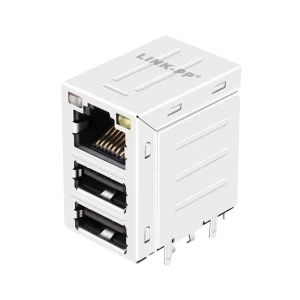
With LEDs 100 Base-T Dual USB RJ45 Magnetic Jack

RU1-161A9WGF RU7-160F7G1F RU1-161A1Z2F With LEDs 100 Base-T Dual USB RJ45 Magnetic Jack

View Specifications
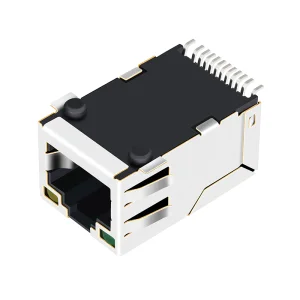
10/100 Base-t Tab up SMT Magnetic RJ45 Surface Mount

JB0-1002NL 10/100 Base-t Tab up SMT Magnetic RJ45 Surface Mount Ethernet RJ45 Connector With Led

View Specifications
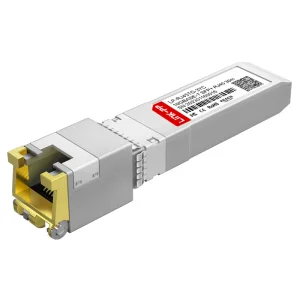
10GBASE-T SFP+ Copper RJ45 30m Transceiver Module

10GBASE-T SFP+ Copper RJ45 30m 10G Copper SFP Transceiver Module

View Specifications
2.5GBASE-LX Single Mode 2.5G SFP Optical Transceiver

2.5GBASE-LX Single Mode 2.5G SFP 1310nm 15km SMF LC Optical Transceiver Module

View Specifications
Single Port Cat5e Network RJ45 Female Connector Jack

Single Port Cat5e Network RJ45 Female Connector Jack 2250273-1

View Specifications
10GBASE-LRM SFP+ Optical Transceiver Module

10GBASE-LRM SFP+ 1310nm 220m Duplex LC MMF Fiber Optical Transceiver Module

View Specifications
Multiple Mode 850nm 400G QSFP-DD SR8 Optical Transceiver

Multiple Mode 850nm 400G QSFP-DD SR8 100m MTP/MPO-16 APC MMF Optical Transceiver Module

View Specifications
10/100 BASE LAN Magnetic Transformer

10/100 BASE LAN Magnetic Transformer HST-0042SCR / HST-0042SXAR / HST-0044SCR

View Specifications