OptiLinker
OptiLinker
OptiLinker
Explore our highly-acclaimed transceivers and interface modules designed for high-density, mission-critical infrastructure deployments.
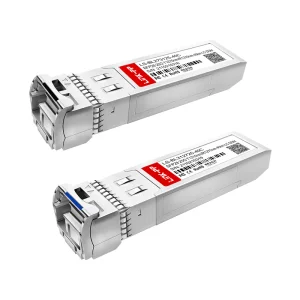
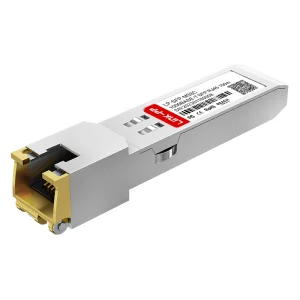
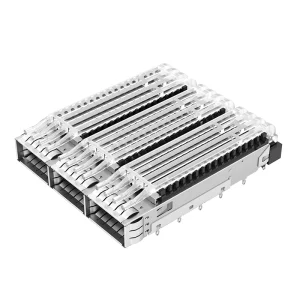
The global telecommunication and data center ecosystems are undergoing an unprecedented paradigm shift. Driven by technologies like Artificial Intelligence (AI), high-performance computing (HPC), and 5G networks, the demand for optical transceivers has surged. OptiLinker Optoelectronics Co., Ltd. (OptiLinker) has positioned itself at the vanguard of this revolution as an elite optical transceiver manufacturer and solution provider.
Founded in 2016 and armed with over 12 years of industry experience, OptiLinker manages a high-tech facility with a building area of approximately 320㎡. Over the last 8 years of export operations, OptiLinker has delivered premium optical infrastructure to global clients, generating an annual export revenue of approximately USD 12 million. Through strategic OEM/ODM alignment, OptiLinker delivers robust networking hardware to North America, Europe, Southeast Asia, and the Middle East.
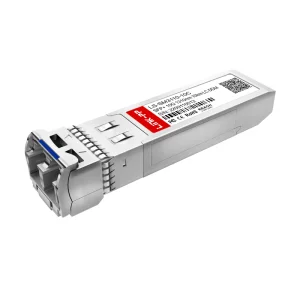
Modern networking infrastructures demand massive scalability, minimal latency, and zero pack drop rates. Transceiver modules act as the vital bridge, converting optical and electrical signals to connect servers, switches, and edge computing nodes. OptiLinker's SFP, SFP+, and SFP28 modules support complex optical networks by minimizing transmission loss and signal degradation.
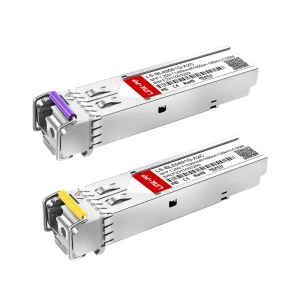
In high-capacity architectures, spectral efficiency is key. By offering specialized solutions like Wavelength Division Multiplexing (WDM, CWDM, DWDM) and Bidirectional (BiDi) transceivers, OptiLinker empowers engineers to double their transmission capacity over single-strand fiber lines. This drastically reduces cabling complexity and initial capital expenditures (CAPEX) for global providers.
The global deployment of SFP modules has evolved beyond standard telco environments. Industrial Internet of Things (IIoT), smart grids, and transport automation require transceivers that operate reliably under extreme conditions. The transition from legacy Gigabit Ethernet to 10G, 25G, and 100G interfaces is moving rapidly. OptiLinker maintains active supply partnerships with telecom operators, system integrators, and system manufacturers globally. With an interconnected supply network of over 850 partners, OptiLinker secures core semiconductor and optical components to ensure rapid turnarounds despite global supply constraints.
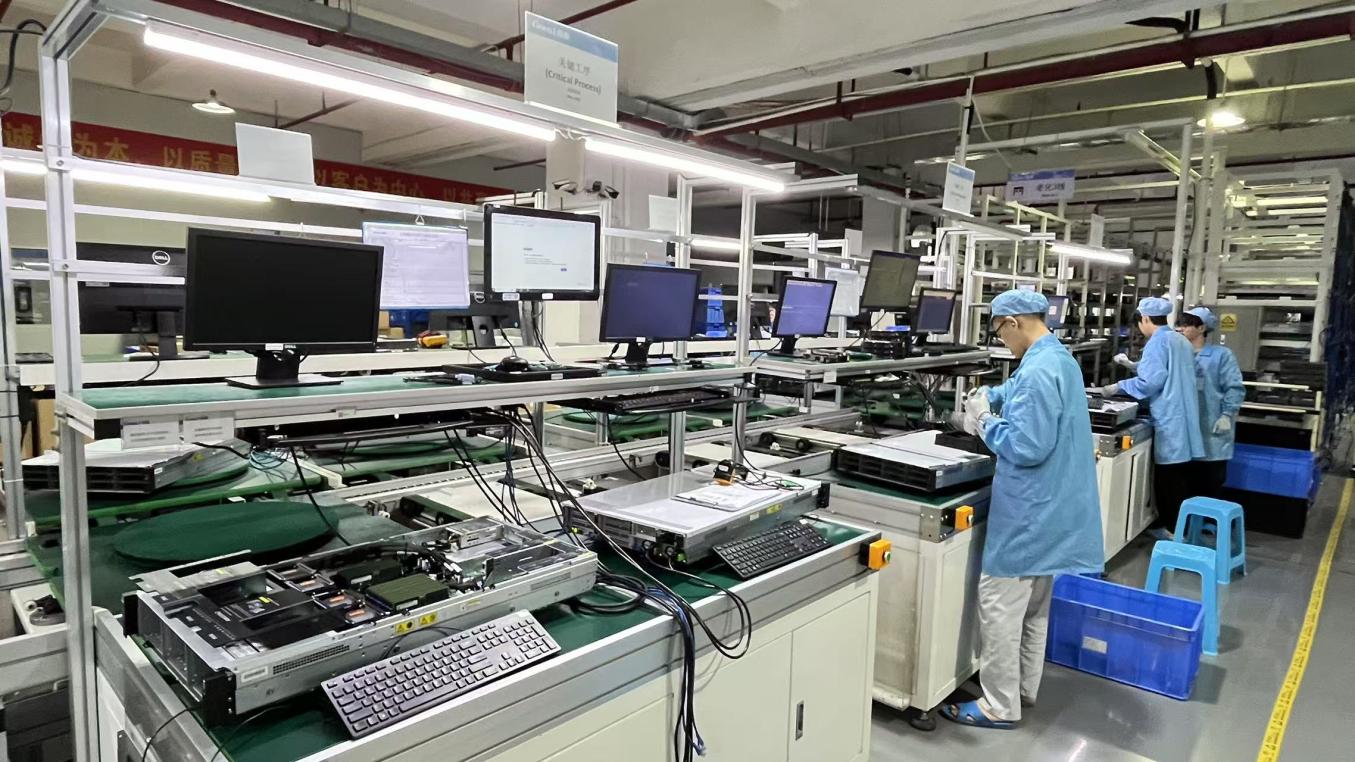
At OptiLinker, product performance is backed by rigorous testing. Optical transceivers face challenges like thermal drift, insertion loss, and electromagnetic interference (EMI). OptiLinker's dedicated quality control team of 35 QC professionals performs a comprehensive multi-stage verification process:
Modern networks are multi-vendor environments. System administrators often face compatibility hurdles when combining transceivers with switches from Cisco, Juniper, Ubiquiti, Arista, or Huawei. To address this, OptiLinker's 60 experienced optical engineers provide tailored device compatibility programming, firmware coding, customized wavelengths, and transmission range adjustments. This ensures out-of-the-box system interoperability.
A statistical glance at our global presence, engineering capability, and manufacturing excellence.
A key focus for OptiLinker is meeting strict international guidelines, such as CE, FCC, RoHS, and MSA (Multi-Source Agreement) standards. By aligning transceiver specifications with these global standards, we guarantee seamless fitment, electrical interfaces, and signaling protocols across all matching network hardware. In addition to standard compliance, OptiLinker offers tailored packaging designs, customized logistics, and technical documentation to assist local integration teams globally.
High-performance optical transceivers are optimized for diverse deployment scenarios:
As networks transition toward 400G and 800G standards, OptiLinker continues to invest in advanced optoelectronic research. The engineering team is actively exploring silicon photonics and co-packaged optics (CPO) to improve energy efficiency and thermal dissipation. With approximately 120 new products launched in the last year, OptiLinker remains committed to providing scalable and efficient solutions for the global digital infrastructure market.
Our optical transceivers adhere to Multi-Source Agreements, ensuring complete interface interoperability across diverse equipment environments.
Custom compatibility programming matching major industry brands, enabling plug-and-play installation.
Rely on over a decade of design expertise, quality control management, and robust supply chain integration.
Common questions from network engineers and global procurement managers.
Our dedicated engineering team operates a compatibility lab equipped with major networking hardware. We program the EEPROM/firmware on every module to match vendor-specific codes, ensuring seamless operability without error warnings.
BiDi (Bidirectional) transceivers utilize Wavelength Division Multiplexing (WDM) to transmit and receive data over a single fiber strand (simplex LC/SC). This doubles the capacity of existing fiber infrastructure and cuts cabling costs in half.
Every module undergoes 100% incoming material inspection, AOI inspection, bit error rate (BER) validation, eye diagram diagnostics, and high/low temperature testing to confirm stable operation within network tolerances.
Yes. Our R&D team can customize laser wavelengths, transmission distances (up to 120km), target form factors (SFP, SFP+, SFP28, 1x9), and operational temperature ranges to suit industrial requirements.
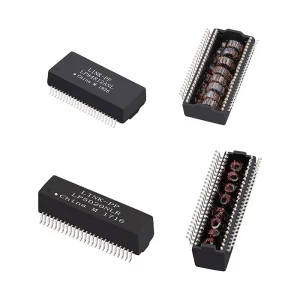
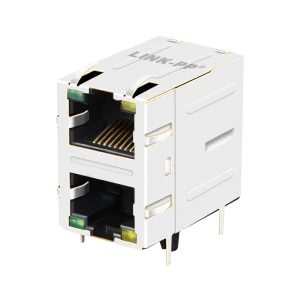
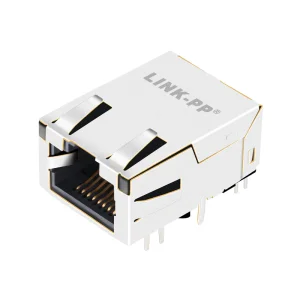
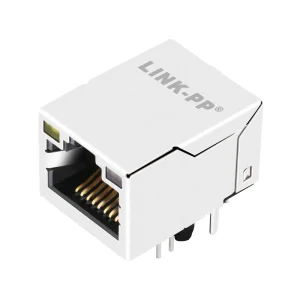
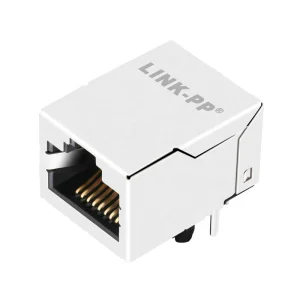
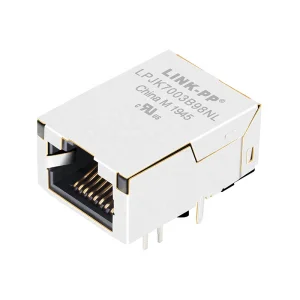
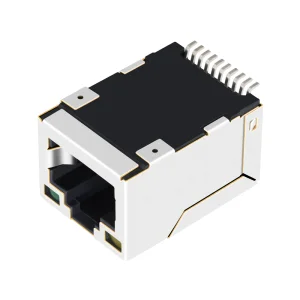
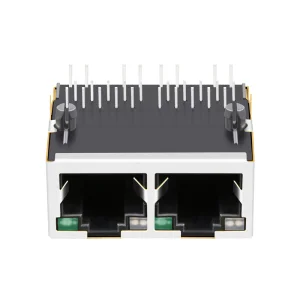
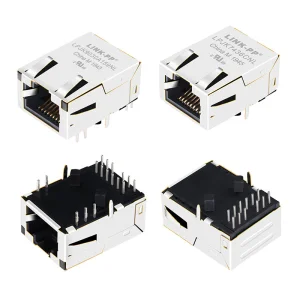
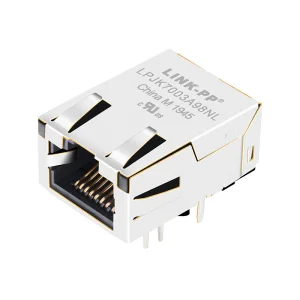
Browse our selection of physical layer components, including RJ45 connectors, magjacks, and high-frequency network transformers.
Take a virtual tour of our specialized production centers, R&D labs, and cleanroom packaging facilities.