OptiLinker
OptiLinker
OptiLinker
Deploy high-speed, structural cabling components engineered for enterprise networks, telecommunications interfaces, and high-density computing centers.
The global infrastructure network is undergoing a profound paradigm shift. As bandwidth needs expand from Gigabit Ethernet to Multi-Gigabit architectures (2.5G, 5G, 10G, and even 40G Base-T), physical layer integrity has emerged as the most critical bottleneck. Within this context, the Toolless RJ45 Connector has evolved from a niche architectural convenience to a vital component for high-performance deployments.
Historically, termination of category-rated twisted-pair copper cables required specialized, high-precision crimping tools. This methodology carried intrinsic limitations: it was highly dependent on field-technician skill, susceptible to contact oxidation, and prone to internal crosstalk deviations due to untwisting of conductor pairs during installation. The modern Toolless RJ45 Connector solves these industrial failure points. By utilizing integrated, mechanical lever-actuated pathways, toolless systems push the conductor wires directly into IDC (Insulation Displacement Contact) V-grooves with uniform pressure. This structural design guarantees consistent contact resistance, minimizes Near-End Crosstalk (NEXT), and establishes long-term mechanical reliability.
Designed for space-constrained top-of-rack (ToR) patching, micro data centers, and industrial IoT enclosures where space limits traditional tooling.
Engineered IDC contacts maintain a Gas-Tight connection, ensuring that return loss (RL) and insertion loss values exceed TIA/EIA-568-C.2 requirements.
Reduces field assembly time by up to 40%. The elimination of crimping steps speeds up large-scale rollouts in complex commercial complexes.
To establish absolute structural trust, high-performance copper connections must align with reliable optoelectronic active links. OptiLinker Optoelectronics Co., Ltd. (OptiLinker) is a professional optical transceiver manufacturer and solution provider operating under the trusted brand name OptiLinker (www.optilinkertrans.com). OptiLinker specializes in high-speed optical communication modules engineered for data centers and globally distributed telecom networks.
Founded in 2016, OptiLinker leverages over 12 years of core industry experience and approximately 8 years of dedicated export experience. Headquartered in a modern production facility boasting a specialized building area of approximately 320㎡, the company focuses on high-precision optical alignment, clean-room assembly, and micro-component integration.
OptiLinker achieved an annual export revenue of approximately USD 12 million, catering to markets across North America, Europe, Southeast Asia, and the Middle East. Operating through stable B2B partnerships, OptiLinker offers tailored OEM/ODM solutions to infrastructure developers, telecoms, and industrial OEMs worldwide.
OptiLinker's technical department is powered by 60 experienced optical engineers. The team excels in high-speed circuit designs, mechanical tolerancing, signal integrity engineering, and hardware compatibility programming. OptiLinker offers comprehensive customization, including wavelength tuning, distance configurations, form factors, firmware coding, and major OEM brand device compatibility programming.
As networks scale to support high-throughput artificial intelligence computations and edge storage servers, physical media must transition to cope with high-frequency transmissions. The roadmap below outlines the transition pathways in connector mechanics and active transceiver modules:
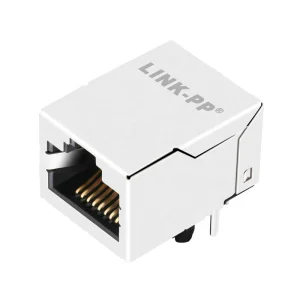
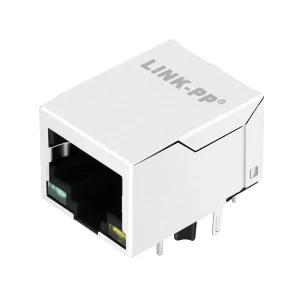
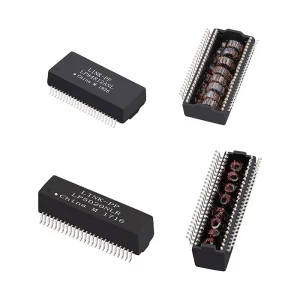
Focuses on achieving 500 MHz frequencies over 100-meter channels. In this era, shielded (STP) toolless RJ45 connectors mitigate alien crosstalk (ANEXT) via 360-degree zinc-alloy metal casings. Simultaneously, integrated magnetic jacks isolate electromagnetic interference at the physical board interfaces.
Delivering up to 90W-100W of DC power over 4-pair copper cables. Traditional RJ45 connectors suffer from "arcing" when unplugged under load, which erodes contact plating. Modern toolless designs integrate custom contact geometry that isolates the disconnect spark away from the critical data transmission contact zone.
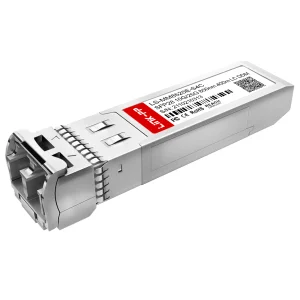
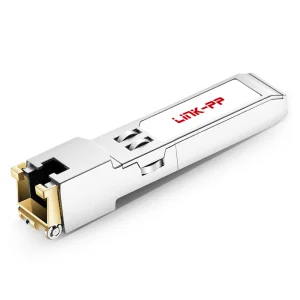
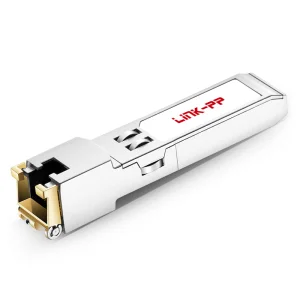
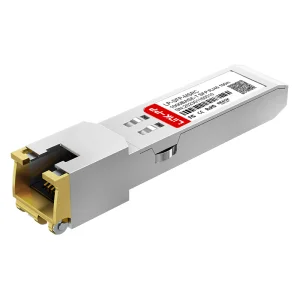
Pushing copper performance to 2000 MHz over short distances (30 meters). This requires ultra-precise internal spacing within toolless connectors to control internal skew and insertion loss. Parallel to this, SFP+ and SFP28 copper transceivers bridge local high-frequency copper networks directly to multi-terabit fiber-optic switch backplanes.
Physical network infrastructure is not one-size-fits-all. Different commercial environments demand custom material optimizations and mechanical configurations:
Within hyperscale cloud storage matrices, technicians terminate hundreds of links daily. Utilizing toolless RJ45 keystone jacks prevents hand fatigue, increases deployment speed, and maintains tight control over impedance mismatches.
Industrial lines require protection from heavy dust, moisture, and high vibration. Ruggedized, waterproof toolless RJ45 connectors utilizing IP67-rated outer housings guarantee that factory floor vibrations do not loosen the IDC contact pins.
WLAN Access Points (APs) and 4K Pan-Tilt-Zoom (PTZ) cameras are frequently installed in ceilings or high walls. Crimp tooling in these situations is difficult and unsafe; lightweight toolless connectors streamline high-altitude installations.
A single bad connector can drop packets and compromise a billion-dollar enterprise pipeline. Because of this, reliable manufacturers implement strict quality verification workflows. OptiLinker utilizes a dual-engine quality control model designed by 35 dedicated QC professionals. The company ensures that every device meets international telecommunication standards.
The manufacturing process relies on a rigorous 4-step QA lifecycle:
All copper contacts, gold-plating elements, PCB elements, and high-impact plastic parts undergo 100% incoming raw material inspection. This includes measuring gold-plating thickness using X-ray fluorescence to ensure it meets the 50u" industrial standard for durability.
For active transceivers and PCB-embedded magnetic jacks, automated high-definition cameras analyze joint integrity, component placement, and solder quality, eliminating human oversight errors during high-speed production.
OptiLinker's optical products undergo rigorous Bit Error Rate (BER) testing, high-speed eye diagram analysis, and protocol-level testing. This ensures full compatibility with tier-one switch vendor operating systems.
Finished components are subjected to temperature stresses ranging from -40°C to +85°C. This cycle confirms mechanical integrity, preventing micro-fractures in IDC terminations and keeping insertion loss stable over time.
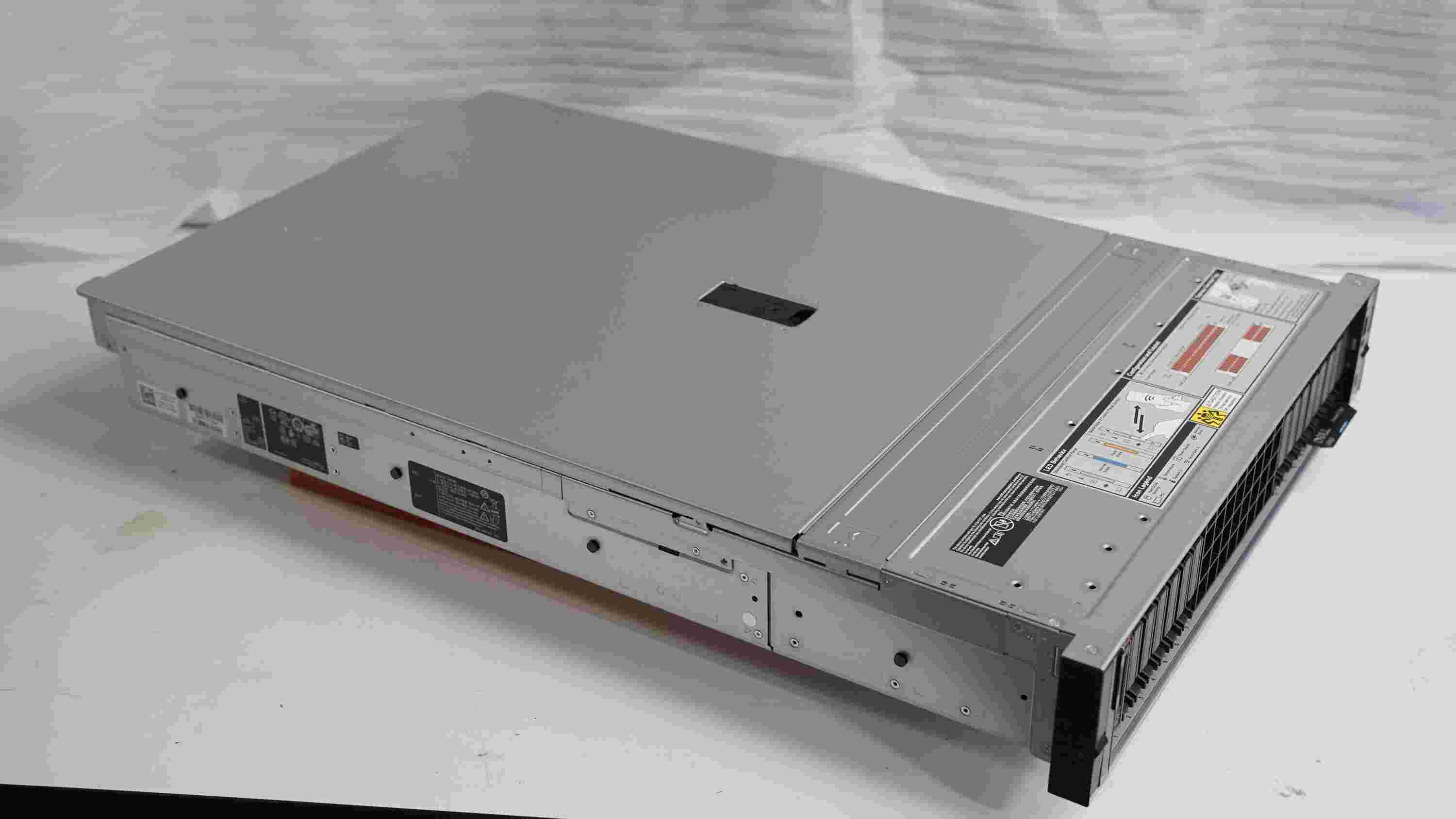
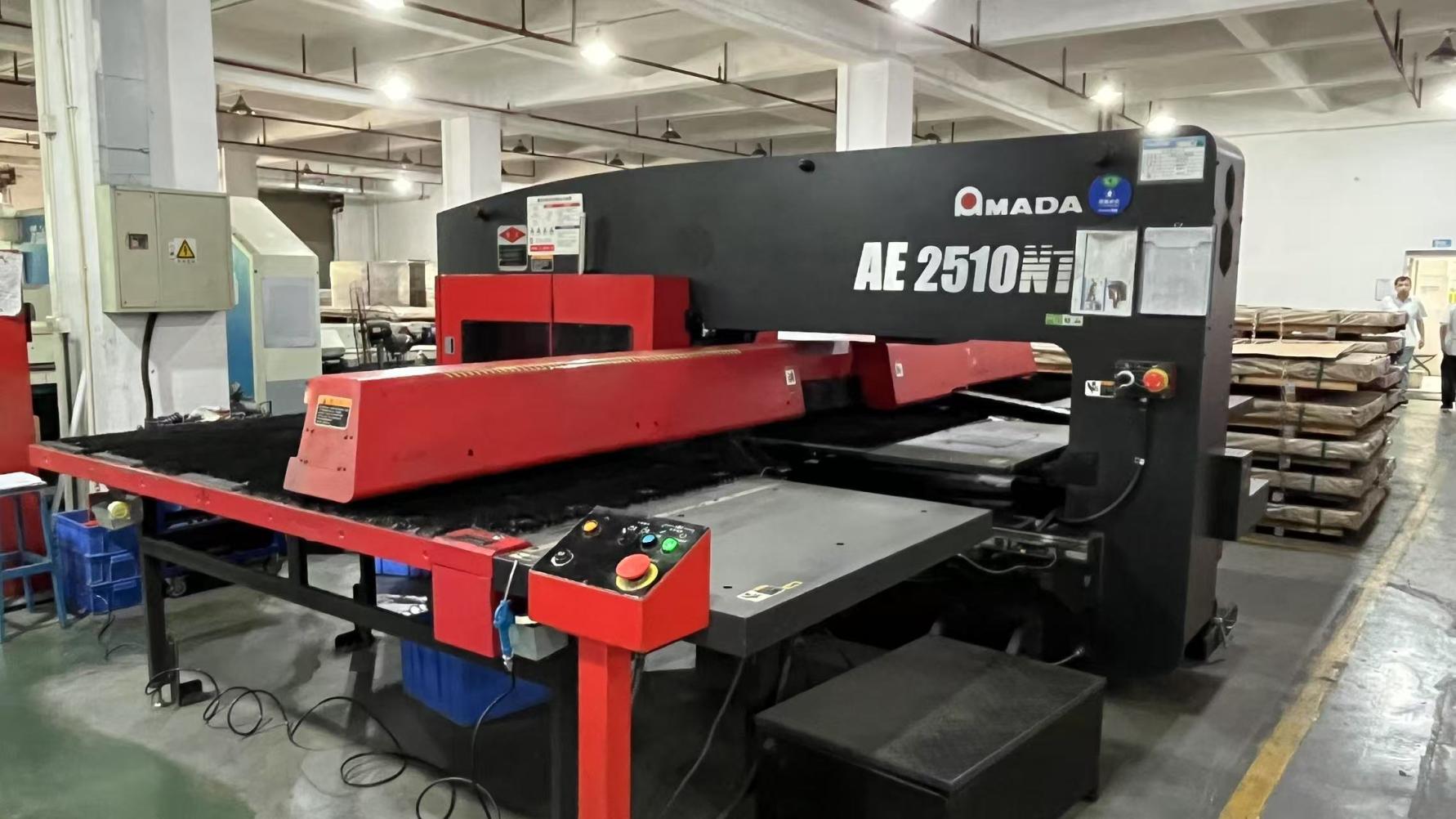
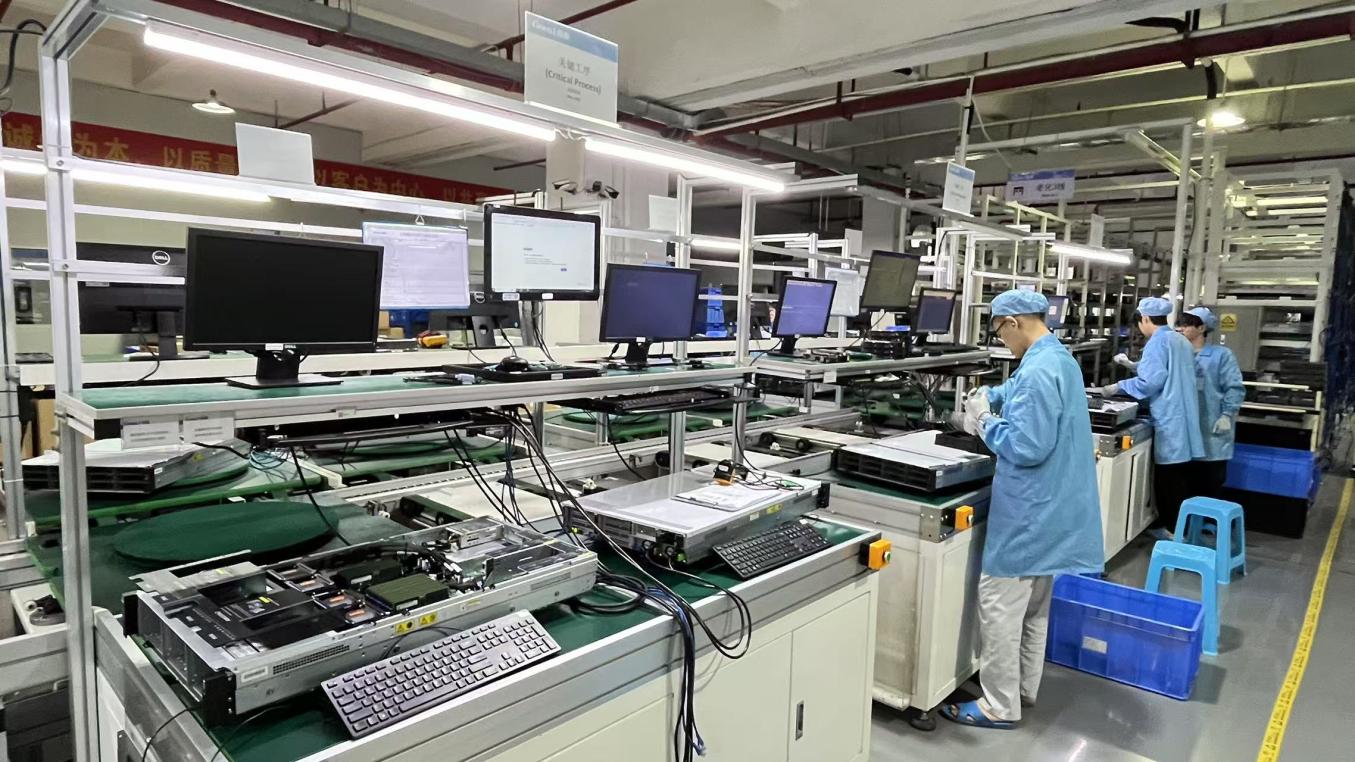
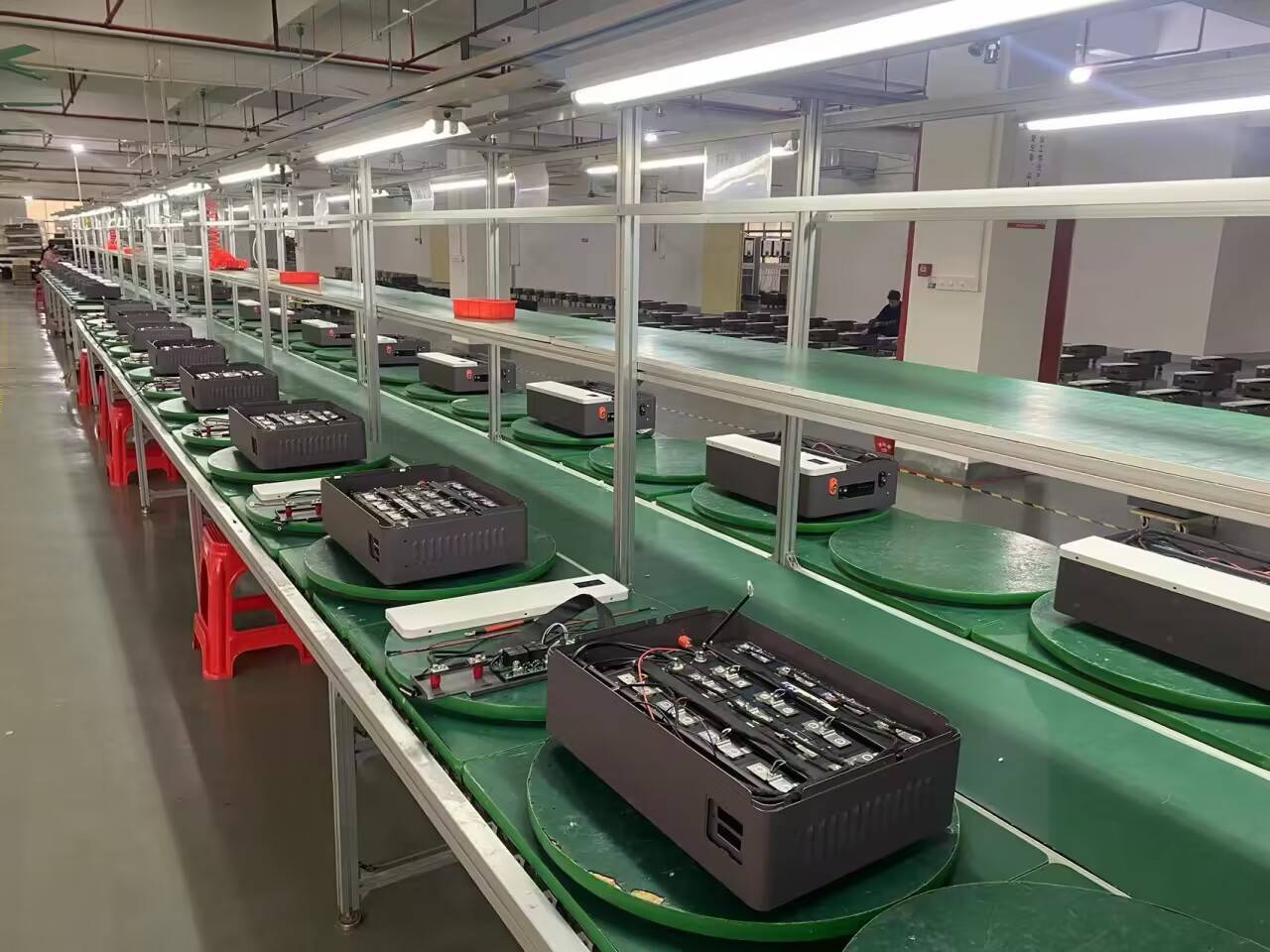
OptiLinker's modern labs and manufacturing centers integrate automated production and high-precision inspection technologies, ensuring our components meet the rigorous standards of global markets.
As enterprise networks evolve, the boundary between copper and fiber continues to blur. Modern network designs require seamless interoperability. OptiLinker offers integrated macro solutions designed to bridge local copper workgroups with optical backbone rings:
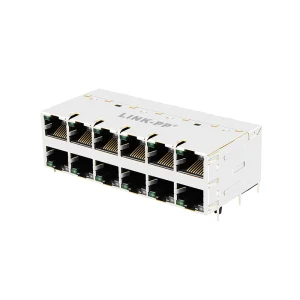
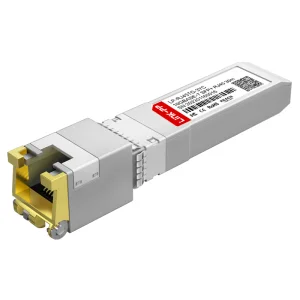
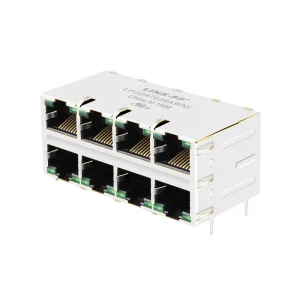
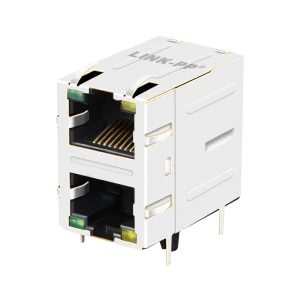
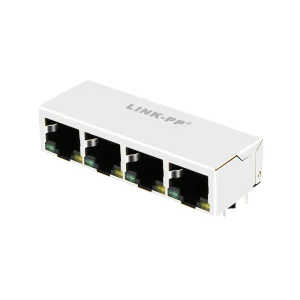
In smart manufacturing and commercial environments, edge servers consolidate input from cameras, sensors, and access points. OptiLinker's 2.5G Base-T Integrated Magnetics PoE+ 2x4 Port RJ45 Connectors manage the power and copper data streams, routing them straight into high-performance switches. From there, 10G Copper SFP+ Transceiver Modules route the processed data to the central network over existing Category 6A cabling.
While primary data lines in hyperscale settings rely on multi-mode and single-mode fiber, out-of-band (OOB) management networks use copper connections. By combining multi-port shielded RJ45 connectors with toolless patch panels, engineering teams build reliable control paths that remain accessible during optical transceiver upgrades.
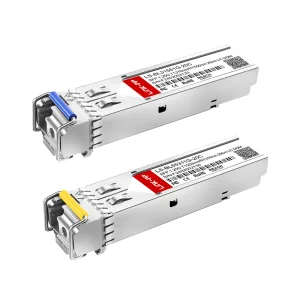
Integrating optical fibers into local buildings requires reliable transition points. OptiLinker's line of LC Bidirectional (Bidi) SFP modules carry data across distances up to 20km, where local copper networks distribute it through high-performance toolless RJ45 outlets.
Answers to common questions regarding technical selection, quality compliance, and global shipping parameters:
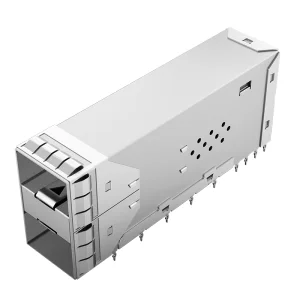
Optimize your network backbone with high-speed transceivers, shielded cage housings, and custom magnetic connectors built for data integrity.