In today's rapidly evolving digital landscape, choosing the right fiber optic transceiver is more critical than ever. According to a recent market research report, the global fiber optic transceiver market is projected to reach USD 12.6 billion by 2027, growing at a CAGR of 13.4% between 2020 and 2027. This significant growth highlights the increasing demand for high-bandwidth solutions that fiber optic technology provides. Yet, with many options available, making an informed decision can be challenging.
Fiber optic transceivers play a key role in network performance. They facilitate data transmission by converting electrical signals into optical ones. Over 80% of network issues stem from equipment incompatibility. Therefore, making an ill-informed choice can lead to costly downtime and inefficiencies. Potential buyers often underestimate the importance of compatibility, distance requirements, and speed capabilities when selecting a transceiver.
Navigating the diverse specifications and options available in the market requires careful consideration. Ensuring the selected fiber optic transceiver meets the specific needs of your network can make all the difference. By focusing on industry standards and user experiences, we can better understand the critical factors in selecting the ideal transceiver for any application.
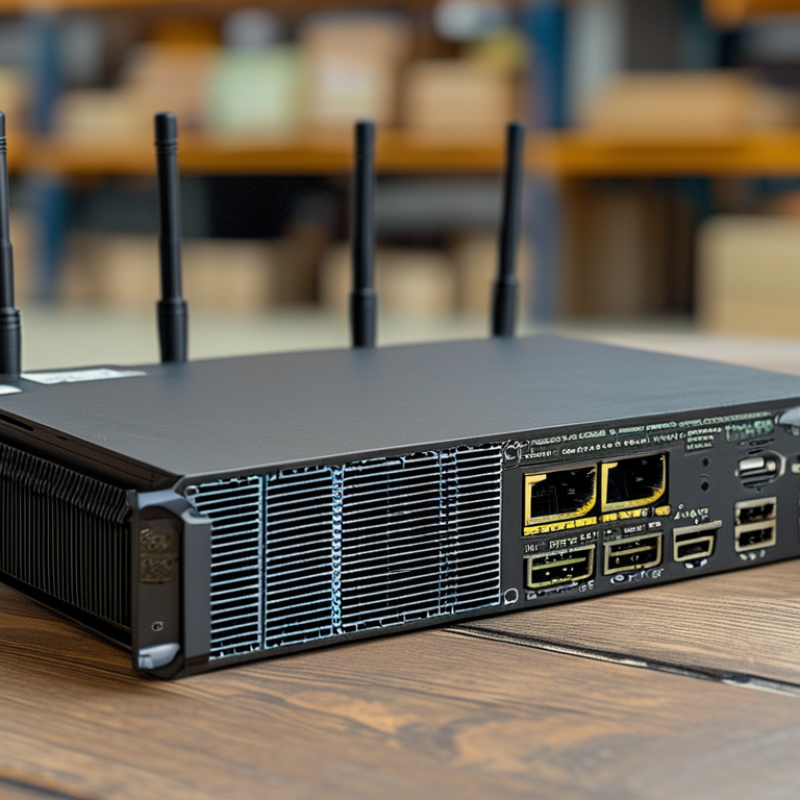
Understanding the Basics of Fiber Optic Transceivers
When exploring fiber optic transceivers, it's essential to grasp their fundamentals. These devices convert electrical signals into optical signals, enabling high-speed data transmission. They play a crucial role in communication networks. Understanding their types is key. There are two main categories: SFP and SFP+. The SFP is designed for standard applications, while SFP+ supports faster speeds.
Next, consider the compatibility factor. Not all transceivers work with every network device. This variance can lead to performance issues or outright incompatibility. That’s a common concern for many. Additionally, check the distance specifications. Some transceivers are ideal for short distances; others excel over longer stretches. Evaluating the application environment is vital to ensure you choose wisely. The wrong choice can result in wasted resources and inefficiencies.
Cost is another factor worth pondering. Higher prices do not always guarantee better performance. It’s often necessary to balance price with your specific needs. Mistakes happen. Often, users overlook critical details, which causes problems later. Taking the time to understand your requirements can help mitigate these risks. A well-informed decision today leads to smoother connectivity tomorrow.
Identifying Your Network Requirements and Compatibility
When selecting a fiber optic transceiver, understanding your network requirements and compatibility is crucial. Your network's architecture, data rates, and distances need to align with the specifications of the transceiver. According to a report by MarketsandMarkets, the global fiber optic transceiver market is projected to reach $8.4 billion by 2025. This growth indicates a rising demand for interoperability among various network components.
Compatibility extends beyond just technical specifications. It includes ensuring the transceiver fits within your existing infrastructure. Current industry standards, such as SFP and SFP+, determine how devices communicate. Choosing a transceiver that meets these standards ensures seamless integration. However, not all transceivers are created equal. Differing manufacturers might have slight variations in signal integrity, which could impact performance.
Additionally, consider the environmental conditions where your transceiver will operate. It’s essential to match the transceiver's temperature and humidity ratings with your location. The failure to do this can lead to unexpected outages or degradation in performance. A study by the Fiber Optic Association suggests that poorly matched components can result in up to a 30% drop in network efficiency. Addressing these elements early can save you time and resources in the long run.
Evaluating Data Rate and Distance Considerations
When selecting a fiber optic transceiver, evaluating data rate and distance is crucial. Data rates typically range from 1 Gbps to 400 Gbps, impacting network performance. Industry reports indicate that data rate selection correlates with the specific application requirements. Higher data rates enable faster data transfer, essential for data centers and high-performance computing.
Distance considerations also play a vital role. Single-mode fibers can transmit data over longer distances—up to 100 kilometers or more—making them ideal for wide area networks. In contrast, multimode fibers generally cover shorter distances, often capped at 300 meters for optimal performance. These specifications highlight the need to align the fiber type with your networking goals.
Tip: Assess your network's current and future needs. High data rates may seem attractive, but they should match the distance requirements. Carefully consider your infrastructure.
In emerging technologies, transceiver choices are often complex. Many organizations face difficulties in predicting future bandwidth needs. For instance, a 2019 report found that over 30% of network managers underestimated their data capacity needs. It's vital to remain adaptable and reevaluate your choices periodically. Your initial decisions might not fit future technology advancements.
Assessing Form Factor and Connector Types
When selecting a fiber optic transceiver,
form factor and
connector types are crucial. The
form factor determines how the transceiver fits into equipment. Common types include
SFP, SFP+, and QSFP. Each type serves a specific purpose and has
unique capabilities. Understanding these options helps to ensure compatibility with your hardware.
Connector types also play an essential role in the selection process. SC,
LC, and ST connectors have different applications and performance levels. A
wrong choice can lead to
downtime or suboptimal performance. For example, LC
connectors are often preferred for high-density applications due to their
smaller size.
This choice is seldom straightforward. Many factors influence your needs.
Compatibility
concerns can arise based on existing infrastructure. Further, emerging technologies
may shift your requirements over time. It's essential to assess
not only the present but also potential future applications. Always be open to
revisiting your choices. The best solutions adapt
as technology evolves.
Choosing Between Single-Mode and Multi-Mode Options
When selecting a fiber optic transceiver, one critical choice is between single-mode and multi-mode options. Single-mode fibers are designed for long-distance communication. They have a smaller core diameter, which allows only one light mode to propagate. This results in lower attenuation over long distances, making it ideal for wide-area networks or connecting distant buildings.
Conversely, multi-mode fibers have a larger core. This allows multiple light modes to pass through, making them suitable for shorter distances. They are often used within buildings or campuses, where the transmission distance is usually within a few hundred meters. However, multi-mode transceivers can suffer from modal dispersion, leading to potential signal degradation over longer distances.
Choosing between these two types requires careful consideration of your specific application needs. It's crucial to assess the distance your data needs to travel. You may find that one option appears more appealing initially, but reflect on potential growth or changes in infrastructure. Understanding these differences helps ensure you make a well-informed decision that serves your network effectively over time.
Top 5 Tips for Choosing a Fiber Optic Transceiver
This bar chart displays the comparison between single-mode and multi-mode fiber optic transceivers based on key factors such as distance, bandwidth, and cost.
FAQS
: Key factors include form factor and connector types, ensuring compatibility with your equipment.
Common form factors include SFP, SFP+, and QSFP. Each has specific capabilities and uses.
Connector types like SC, LC, and ST affect performance. An incorrect choice can cause downtime.
LC connectors are smaller and better for high-density applications, allowing more connections in less space.
Single-mode fibers are for long distances with lower signal loss, while multi-mode fibers are for shorter distances.
Choose single-mode for long-distance communication needs, like connecting separate buildings in a wide area.
Multi-mode fibers can experience modal dispersion, which can degrade signal quality over longer distances.
Reflect on how your needs might grow. Initial choices may need revisiting as technology and infrastructure evolve.
Regular reassessment ensures your solutions remain effective and compatible with changing technologies and requirements.
Yes, many face confusion due to various options and requirements. It's crucial to engage in thoughtful consideration.
Conclusion
When choosing a fiber optic transceiver, it’s essential to understand the fundamentals of these critical devices. Start by identifying your network requirements and ensure compatibility with existing systems. Evaluating data rates and distance is crucial, as different applications may require specific performance levels. Additionally, form factors and connector types should align with your infrastructure to guarantee proper integration.
Another important consideration is the choice between single-mode and multi-mode fiber options. Single-mode transceivers are ideal for long-distance transmission, while multi-mode is suitable for shorter distances. By carefully assessing these aspects, you can select the right fiber optic transceiver that meets both current and future networking needs, ensuring optimal performance for your communication systems.
 OptiLinker
